2 Samuel 3
Bibeli Luayãtaalá · Toca un versículo para ver sus referencias cruzadas.
1Zĩ pↄ́ Saulu bɛdeↄ kà ń Davidi bɛdeↄ gɛ̃̀gɛ̃. Davidi gbãa lɛ́ dɛdɛɛ, Saulu bɛdeↄ sↄ̃, an gbãa lɛ́ busaɛ.
Davidi nɛgↄ̃ɛↄ
2Nɛgↄ̃ɛ pↄ́ Davidi ì Hɛblↄ̃ↄ tↄ́n kɛ: A sɛ̃́ia tↄ́n Aminↄ, aà da tↄ́n Ainↄaũ, Yezɛlɛɛ gbɛ̃́ɛ. 3A plaade tↄ́n Kilabu, aà da tↄ́n Abigaili, Nabali gyaa, Kaamɛli gbɛ̃́ɛ. A àaↄ̃de tↄ́n Abisaloũ, aà da tↄ́n Maaka, Gesuu kía Talemai nɛ́ɛ. 4A síiↄ̃de tↄ́n Adonia, aà da tↄ́n Agita. A sↄode tↄ́n Sefatia, aà da tↄ́n Abitali. 5A soolode tↄ́n Iteaũ, aà da tↄ́n Egela. Davidi naↄ nɛ́piↄ ì Hɛblↄ̃ɛ.
Abinɛɛ naa Davidiwa
6Gↄↄ pↄ́ Saulu bɛdeↄ lɛ́ zĩka ń Davidi bɛdeↄ, Abinɛɛ lɛ́ gbãakũ Saulu bɛdeↄ guu. 7Saulu nↄ pↄ́ i mɛ́sɛdilɛɛ̀o vĩ yãa, aà tↄ́n Lizipa, Aya nɛ́ɛ. Isibosɛ ò Abinɛɛɛ: Bↄ́yãi n wulɛ ń ma mae nↄoi? 8Abinɛɛ pↄ pà maamaa Isibosɛ yã́pi yã́i à mɛ̀: Yudaↄ gbɛ̃ min ma ũa? Málɛ gbɛ̃kɛkɛ n mae Saulu bɛdeↄnɛ ń aà dãunaↄ ń aà gbɛ̃naↄ e ń a gbão. Mi n na Davidiɛ a ↄzĩo, ↄ̃ ńlɛ ma tàae e nↄɛpi yã́ musu saa? 9Tó mi lɛ́ pↄ́ Dii gbɛ̃̀ Davidiɛ kɛɛ̀o, Lua yãpãsĩkɛmɛɛ bɛ̃̀ɛbɛ̃ɛ. 10Á Saulu bɛdeↄ, má kpala síwáɛ, mí tó Davidi gↄ̃ Isailiↄ ń Yudaↄ kía ũ za Dã e à gɛ pɛò Bɛɛsɛbawa. 11Isibosɛ i we yã́zãsì Abinɛɛwa lↄo, kɛ́ àlɛ vĩakɛɛ̀ yã́i.
12Abinɛɛ gbɛ̃́ↄ zĩ̀ Davidiwa ń a tↄ́o a òɛ̀: Démɛ bùsu vĩi? Wà lɛdoũkɛ, mí dↄnlɛ, kɛ́ Isailiↄ e nama ḿpii. 13Ɔ̃ Davidi mɛ̀: A maa, má lɛdoũkɛnnↄ, ãma yã́ mɛ̀ndo málɛ gbɛama. Tó ńlɛ mↄ́ ma gwai, tó ni mↄmɛɛ ń Saulu nɛnↄɛ Mikalioo, ńsu tó wá wɛ́ kɛ síiↄ̃o. 14Davidi lɛ́kpãsãkɛ̀ Saulu nɛ́ Isibosɛɛ à mɛ̀: Ma na Mikali sↄaamɛɛ. Ma ã̀nsueblè ń Filitɛ̃ↄ gyafↄↄo mɛ̀n basↄoɛ. 15Ɔ̃ Isibosɛ gbɛ̃́ↄ zĩ̀, aa nↄɛpi sì a zã Palɛtiɛ, Laisi nɛ́wa. 16Ɔ̃ aà zã́pi lɛ́ gɛaànↄ, a tɛaàzi e Bauliũ, àlɛ ↄ́ↄlↄ. Ɔ̃ Abinɛɛ òɛ̀ aà ɛa tá, ↄ̃ à tà.
17Abinɛɛ yã'ò ń Isaili gbɛ̃zↄ̃ↄↄ à mɛ̀: Za zi álɛ wɛɛlɛ Davidi àↄ dɛ á kía ũɛ. 18À aà kpa sa, asa Dii lɛgbɛ̃̀ɛ̀ à mɛ̀ á a gbɛ̃́ Isailiↄ bↄ Filitɛ̃ↄ ń ń ibɛɛↄ píi ↄzĩ a zↄ̀blena Davidipi sabaiɛ. 19Abinɛɛ yã́pi kã̀ Bɛ̃yãmɛɛ buiↄnɛ ń swã́wa lↄ. Ɔ̃ à gɛ̀ Hɛblↄ̃ yã́ pↄ́ kà Bɛ̃yãmɛɛ buiↄ ń Isailiↄgupi oi Davidiɛ. 20Kɛ́ à kà Davidi kĩ́i Hɛblↄ̃ ń gbɛ̃ↄn bao pↄ́ kuanↄↄ, ↄ̃ Davidi blɛsakɛ̀nɛ́. 21Ɔ̃ Abinɛɛ ò Davidiɛ: Ma dii kí, to mà fɛlɛ mà gɛ Isailiↄ kãaanɛ píi, aa lɛdoũkɛnnↄ, níↄ dɛ bùsu pↄ́ n pↄ gbàpi píi kía ũ. Ɔ̃ Davidi Abinɛɛ gbàɛ, àlɛ tá aafia.
Yoabu Abinɛɛ dɛa
22Gↄↄbeezĩ Yoabu ń Davidi gbɛ̃́ↄ sù ń lɛ́lɛamáo. Aa pↄ́ↄ sì gbɛ̃́ↄwa maamaa aa sùò. Abinɛɛ kú ń Davidio we lↄo, asa à aà gbàɛ, àlɛ tá aafiaɛ. 23Kɛ́ Yoabu ń zĩgↄ̃ pↄ́ kuaànↄↄ kà, wa òɛ̀ Nɛɛ nɛ́ Abinɛɛ mↄ̀ kía gwai, ↄ̃ à aà gbàɛ à tà aafia. 24Ɔ̃ Yoabu gɛ̀ kía lè à mɛ̀: Bↄ́ yã́ ń kɛ̀ màai? Kɛ́ Abinɛɛ mↄ̀ n kĩ́i, bↄ́yãi ń tò à tài? 25Ń Nɛɛ nɛ́ Abinɛɛ dↄ̃o lé? À mↄ̀ ↄ̃nↄkɛinɛ, kɛ́ à e àↄ n gugɛgↄↄ ń n sugↄↄo dↄ̃ɛ ń n yãkɛaↄ píi. 26Kɛ́ Yoabu bↄ̀ Davidi kĩ́i, ↄ̃ à gbɛ̃́ↄ zĩ̀ aa pɛ̀lɛ Abinɛɛpizi. Aa aà lè Sila lↄ̀ↄ kĩ́i, ↄ̃ aalɛ suaànↄ, ãma Davidi a yã́ dↄ̃o. 27Kɛ́ wà kà ń Abinɛɛo Hɛblↄ̃ wɛ̃́lɛ bↄlɛu, ↄ̃ Yoabu aà sìsi lándↄ̃ a ye bũnuboaànↄwa, ↄ̃ à aà zↄ̃̀ a gbɛɛu a dɛ̀. Aà dãuna dɛa tↄ ↄ̃ a sìwà.
28Bee gbɛa kɛ́ Davidi mà, à mɛ̀: Mapi ń ma kíakɛo, máↄ tàae vĩ Diiɛ Nɛɛ nɛ́ Abinɛɛ dɛa yã́ musuo. 29Yã́pi a wi Yoabu musuɛ ń aà de bɛdeↄ píi. Yoabu bɛdeↄ aaↄ ku kɛ̃nude ge kusude ge ɛɛ ge gbɛ̃́ pↄ́ zĩ aà blè ge nↄandɛna saio. 30Yoabu ń Abisaio mɛ́ Abinɛɛ dɛ̀, kɛ́ aàpi mɛ́ ń dãuna Asaɛli dɛ̀ zĩlau Gabaↄ̃ↄ yã́i. 31Ɔ̃ Davidi ò Yoabuɛ ń gbɛ̃́ pↄ́ kuaànↄↄ píi: À á pↄkasaↄ ga à kɛ̃́, í zwã̀nkasaↄ kákaála, íↄ tɛ Abinɛɛ gɛi ń ↄↄlↄo. Kí Davidi mɛ́ gɛpi kpán'aɛkɛ̀. 32Ɔ̃ wà aà vĩ̀ Hɛblↄ̃. Kí ↄ́ↄlↄ̀, à búbuapɛ̀ Abinɛɛ miaa, ↄ̃ gbɛ̃́pii ↄ́ↄlↄ̀ sↄ̃. 33Ɔ̃ kí wɛ̃nalɛɛ bee sì Abinɛɛ yã́ musu à mɛ̀:
Abinɛɛ gaa lán mìsaidewaɛ maan wea?
34Wi aà gã liɛ̀ a kpɛo, wi galakpaɛ̀o,
ↄ̃ à gà lán gbɛ̃́ pↄ́ zù vãikɛnaↄ ↄuwa.
Ɔ̃ gbɛ̃́pii ɛ̀a ↄ́ↄlↄ̀ lↄ. 35Gbɛ̃́pii mↄ ò Davidiɛ aà pↄble e gu àↄ gɛ́ síi, ãma à lakpà azĩala à mɛ̀: Tó ma pɛ̃ɛ ge blɛe kã̀ ma lɛ́wa ĩatɛ̃gɛ̃kpɛu sai, Lua yãpãsĩkɛmɛɛ bɛ̃̀ɛbɛ̃ɛ. 36Gbɛ̃́pii wɛtɛ̀ yã́pii, ↄ̃ à kɛ̀nɛ́ maa. Yã́ pↄ́ kípi lɛ́ kɛ píi ì kɛ gbɛ̃́ↄnɛ maaɛ. 37Gↄↄ bee ↄ̃ Davidi gbɛ̃́ↄ ń Isailiↄ píi dↄ̃̀ sa kɛ́ kí lɛ́ kú Nɛɛ nɛ́ Abinɛɛ dɛa yã́uo. 38Ɔ̃ a ò a gbɛ̃́piↄnɛ: Á dↄ̃ kɛ́ Isaili dↄaana zↄ̃ↄ gà gbão lé? 39Mapi sↄ̃, baa kɛ́ Lua ma kpa kía ũ, ma busa gbã. Zeluia nɛ́piↄ yãkɛa pãsĩ dɛ ma pↄ́a. Dii mɛ́ a fĩabo vãikɛnaɛ.
¿Sabías que…?
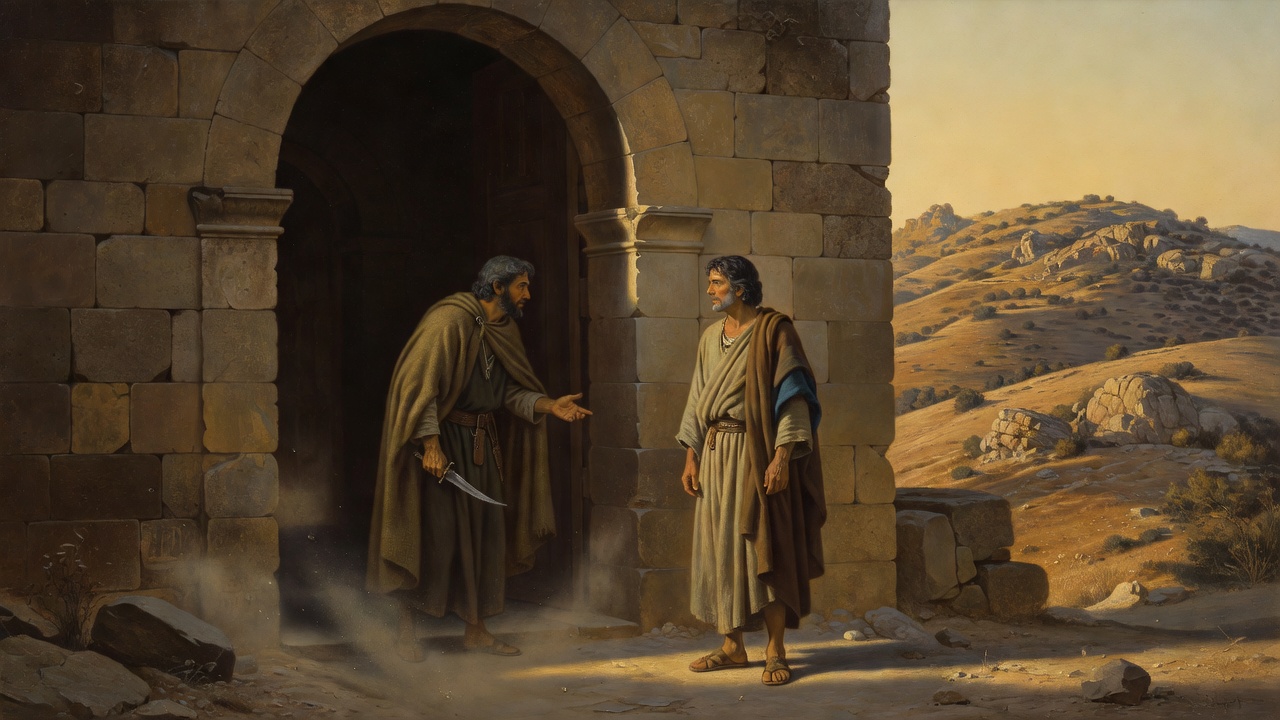
La deserción y muerte de Abner
- Cuando Abner rompió con Is-boset, se comprometió a unir todo el reino bajo David desde Dan hasta Beerseba. Esta expresión geográfica era la designación tradicional de toda la Tierra Prometida, abarcando unas 144 millas desde el extremo norte hasta la frontera sur.Fuentes: el propio texto bíblico · Beersheba · Dan
- Antes de cerrar un pacto con Abner, David exigió el regreso de Mical, hija de Saúl, a quien habían entregado en matrimonio a Paltiel tras la huida de David. Recuperar a Mical reafirmó el matrimonio legítimo de David y preservó su vínculo político y dinástico con la casa de Saúl.Fuentes: el propio texto bíblico · Michal
- Joab asesinó a Abner en la puerta de Hebrón por venganza de sangre por su hermano Asael, a quien Abner había dado muerte en la batalla de Gabaón. Para demostrar a todo Israel que no participó en el crimen, el rey David guardó luto público, compuso un lamento fúnebre y ayunó hasta la puesta del sol.Fuentes: el propio texto bíblico · Joab · Asahel · Hebron
Notas escritas con ayuda de IA a partir de fuentes abiertas (Theographic Bible Metadata, CC BY-SA 4.0; Easton’s Bible Dictionary, dominio público) y revisadas antes de publicarse.
Lugares de este capítulo
- Hebron · Hoy: Tel Rumeida · 31.525, 35.102 · versículos 2, 5, 12, 19, 20, 22, 27, 32
- Geshur · 32.767, 35.700 · versículo 3
- Dan · Hoy: Tel Dan · 33.249, 35.652 · versículo 10
- Gibeon · Hoy: El Jib · 31.847, 35.183 · versículo 30
Solo aparecen lugares identificados con alta confianza (90 % o más según las fuentes académicas reunidas por OpenBible). Mapa de la época: DARE (Digital Atlas of the Roman Empire), CC BY 4.0; mapa actual: © colaboradores de OpenStreetMap; lugares: OpenBible.info (CC BY 4.0).
Créditos y licencia de esta traducción
Bibeli Luayãtaalá
The Holy Bible in the Boko language spoken in Benin and Nigeria
copyright © 2010 SIM International
Language: Boko
Translation by: SIM International
Boko Bibeli Luayãtaala
This translation, published by the SIM au Benin, was published in 2010.
If you are interested in obtaining a printed copy, please contact the SIM at ECWA/SIM H.Q., P.M.B. 2009, Jos, Plateau State, NIGERIA.
This translation text is made available to you under the
terms of the Creative Commons License: Attribution-Noncommercial-No Derivative Works.
( http://creativecommons.org/licenses/by-nc-nd/3.0/ )
In addition, you have permission to port the text to different file formats, as long as you
do not change any of the text or punctuation of the Bible.
You may share, copy, distribute, transmit, and extract portions
or quotations from this work, provided that you include the above copyright
information:
You must give Attribution to the work.
You do not sell this work for a profit.
You do not make any derivative works that change any of the actual words or punctuation of the Scriptures.
Permissions beyond the scope of this license may be
available if you contact
us with your request.
This translation is made available to you under the terms of the
Creative Commons Attribution-Noncommercial-No Derivatives license 4.0.
You may share and redistribute this Bible translation or extracts from it in any format, provided that:
You include the above copyright and source information.
You do not sell this work for a profit.
You do not change any of the words or punctuation of the Scriptures.
Pictures included with Scriptures and other documents on this site are licensed just for use with those Scriptures and documents.
For other uses, please contact the respective copyright owners.
2014-09-25
Fuente: http://ebible.org/bqcsim/ · eBible.org