2 Crónicas 8
Bibeli Luayãtaalá · Toca un versículo para ver sus referencias cruzadas.
Salomↄↄ yã́ kĩniↄ
1Salomↄↄ Dii kpɛ́ ń azĩa kpɛ́o dↄ̀ wɛ̃̀ baoɛ. A gbɛa 2à wɛ̃́lɛ pↄ́ Hilaũ kpàwaↄ kɛ̀kɛ kàlɛ, ↄ̃ a kpà Isailiↄwa, aa zↄ̃̀lɛu. 3À gɛ̀ ń zĩo Amata Zoba, ↄ̃ a sì. 4À Tamↄↄ pↄ́ kú guwaiwaiu kɛ̀kɛ kàlɛ lↄ ń kũ̀sũakalɛwɛ̃lɛ pↄ́ a kàlɛ Amata bùsuuↄ. 5À Bɛtoloni Musu ń Bɛtoloni Zĩ́lɛo kɛ̀kɛ kàlɛ wɛ̃́lɛ bĩ́ideↄ ũ. Bĩ́ipiↄ bↄlɛ gbaↄ ń gbã́aↄ vĩ. 6Màa a kɛ̀ Baalata ń wɛ̃́lɛ pↄ́ a kũ̀sũa kálɛuↄ píi ń wɛ̃́lɛ pↄ́ aà sↄ̃́goↄ kuuↄ. Kpɛ́ pↄ́ a ye dↄ Yelusalɛũ ń Libão ń bùsu pↄ́ àlɛ kiblewàↄ píi, a dↄ̀.
7Bui pↄ́ dɛ Isaili ũoↄ: Itiↄ, Amↄleↄ, Pɛliziↄ, Iviↄ ń Yebusi kↄ̃naↄ píi, 8gbɛ̃́ pↄ́ Isailiↄ i ń midɛoↄ, an bui pↄ́ gↄ̃̀ ń bùsuupiↄ ↄ̃ Salomↄↄ ń dá zↄzĩu, ↄ̃ aaìↄ zĩkɛ màa e ń a gbão. 9I Isailiↄ da zↄzĩpiuo. Ampiↄ ↄ̃ à ń dílɛ a zĩgↄ̃ↄ ń a kía deeↄ ń a gbɛ̃́ↄ dↄaanaↄ ń a zĩkasↄ̃godeↄ ń a sↄ̃deↄ ũ. 10An gbɛ̃́ↄ mɛ́ zĩ pↄ́ kí Salomↄↄ lɛ́ kɛpi gbɛ̃zↄ̃ↄↄ ũ lↄ, aa gbɛ̃ↄn ↄ̀aa do ń blakwioɛ.
11Salomↄↄ bↄ̀ Davidi wɛ̃́lɛu ń a nↄ Falaↄ̃ↄ nɛnↄɛo, à mↄ̀aànↄ kpɛ́ pↄ́ a dↄ̀ɛ̀u, asa à mɛ̀: Ma napi a e àↄ ku Isailiↄ kí Davidi bɛo, asa gu pↄ́ Dii kpagolo gɛ̃̀u a kua adoaɛ. 12Salomↄↄ ìↄ sa pↄ́ wì a pↄ́ kátɛu à tɛ́kũ o Dii gbagbakĩi pↄ́ a bò Dii kpɛ́ bilandaa kpɛɛlɛwa. 13Ìↄ o lá gu lɛ́ dↄ lá Mↄizi dìlɛ wà owa ń kã́mabogↄↄzĩ pↄ́ↄ ń mↄ dafu pↄ́ↄ ń dikpɛ mɛ̀n àaↄ̃ pↄ́ wì kɛ wɛ̃ ń wɛ̃o pↄ́ↄ, Kàaso dikpɛ ń Pↄkɛkɛ dikpɛo ń Lákpɛdↄa dikpɛo. Màa à Dii kpɛ́ yã́ↄ kɛ̀ lá à kũ̀wa. 14À sa'on gãliↄ dìlɛdilɛ baade ń a zĩo lá a mae Davidi òwa. À Levii bui kĩniↄ dìlɛdilɛ lↄ, an gbɛ̃eↄ lí dↄaa ń Dii táasilɛao, an gbɛ̃eↄ lí dↄ sa'onaↄlɛ ń zĩ pↄ́ aalɛ kɛ lá gu lɛ́ dↄo. À ń gbɛ̃eↄ dìlɛ bĩ́ibↄlɛdↄ̃anaↄ ũ gã ń gão, bↄlɛ ń bↄlɛo, asa màa Lua gbɛ̃́ Davidi ò. 15Sa'onaↄ ń Levii buiↄ i bↄ yã́ pↄ́ kí dìlɛnɛ́e kpɛo, baa làasi yã́. 16Wà zĩ pↄ́ Salomↄↄ dànɛ́ kɛ̀ píiɛ, za gↄↄ pↄ́ wà Dii kpɛ́ ɛ̃ kpàlɛ e wà gɛ̀ a mìdɛò. Màa wà Dii kpɛ́ dↄ̀ wa làa.
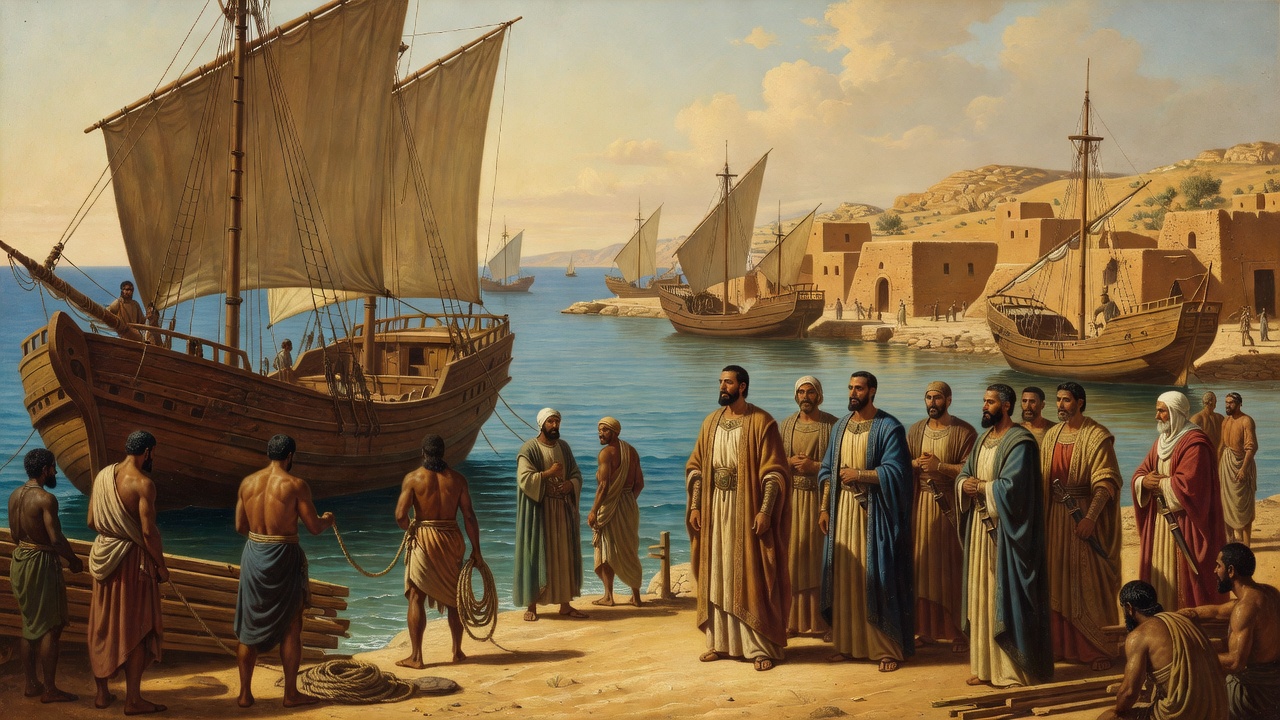
17Kí Salomↄↄ gɛ̀ Ɛziↄ̃gɛbɛɛ ń Elatao Ɛdↄũ bùsuu ísia saɛ. 18Hilaũ a gode pↄ́ ísia dↄ̃ↄ zĩ̀wà ń gó'ilɛnaↄ, ↄ̃ aa dà ísiaa sãnu ń Salomↄↄ gbɛ̃́ↄ. Aa gɛ̀ Ofii aa vua nàaa we tↄnu gɛ̃o ń mɛ̀ndoo, ↄ̃ aa sùò kí Salomↄↄɛ.
¿Sabías que…?
Las construcciones y la administración de Salomón
- Salomón fortificó lugares estratégicos en su reino, incluidos Bet-horón la de arriba y Bet-horón la de abajo para proteger el paso de Jerusalén a la llanura costera, además de Tadmor (más tarde conocida como Palmira) en el desierto sirio.Fuentes: el propio texto bíblico · Beth-horon · Tadmor
- Salomón trasladó a su esposa, la hija de Faraón, de la Ciudad de David a un palacio propio, afirmando que cualquier lugar donde hubiera estado el arca del Señor era sagrado.Fuentes: el propio texto bíblico · Daughter of Pharaoh
- En alianza con el rey Hiram de Tiro, marineros experimentados navegaron desde Ezión-géber y Elat, en la costa de Edom, junto con los siervos de Salomón hacia Ofir, trayendo de regreso 450 talentos de oro.Fuentes: el propio texto bíblico · Hiram
Notas escritas con ayuda de IA a partir de fuentes abiertas (Theographic Bible Metadata, CC BY-SA 4.0; Easton’s Bible Dictionary, dominio público) y revisadas antes de publicarse.
Lugares de este capítulo
- Hamath · Hoy: Hama · 35.136, 36.750 · versículo 4
- Tadmor · Hoy: Palmyra · 34.547, 38.274 · versículo 4
- Lower Beth-horon · Hoy: Beit Ur al Tahta · 31.895, 35.084 · versículo 5
- Upper Beth-horon · Hoy: Beit Ur al Fauqa · 31.886, 35.114 · versículo 5
- Jerusalem · 31.777, 35.234 · versículo 6
- Lebanon · 33.540, 35.584 · versículo 6
- City of David · 31.774, 35.236 · versículo 11
- Edom · 30.746, 35.604 · versículo 17
- Red Sea · Hoy: Gulf of Aqaba · 28.750, 34.750 · versículo 17
Solo aparecen lugares identificados con alta confianza (90 % o más según las fuentes académicas reunidas por OpenBible). Mapa de la época: DARE (Digital Atlas of the Roman Empire), CC BY 4.0; mapa actual: © colaboradores de OpenStreetMap; lugares: OpenBible.info (CC BY 4.0).
Créditos y licencia de esta traducción
Bibeli Luayãtaalá
The Holy Bible in the Boko language spoken in Benin and Nigeria
copyright © 2010 SIM International
Language: Boko
Translation by: SIM International
Boko Bibeli Luayãtaala
This translation, published by the SIM au Benin, was published in 2010.
If you are interested in obtaining a printed copy, please contact the SIM at ECWA/SIM H.Q., P.M.B. 2009, Jos, Plateau State, NIGERIA.
This translation text is made available to you under the
terms of the Creative Commons License: Attribution-Noncommercial-No Derivative Works.
( http://creativecommons.org/licenses/by-nc-nd/3.0/ )
In addition, you have permission to port the text to different file formats, as long as you
do not change any of the text or punctuation of the Bible.
You may share, copy, distribute, transmit, and extract portions
or quotations from this work, provided that you include the above copyright
information:
You must give Attribution to the work.
You do not sell this work for a profit.
You do not make any derivative works that change any of the actual words or punctuation of the Scriptures.
Permissions beyond the scope of this license may be
available if you contact
us with your request.
This translation is made available to you under the terms of the
Creative Commons Attribution-Noncommercial-No Derivatives license 4.0.
You may share and redistribute this Bible translation or extracts from it in any format, provided that:
You include the above copyright and source information.
You do not sell this work for a profit.
You do not change any of the words or punctuation of the Scriptures.
Pictures included with Scriptures and other documents on this site are licensed just for use with those Scriptures and documents.
For other uses, please contact the respective copyright owners.
2014-09-25
Fuente: http://ebible.org/bqcsim/ · eBible.org