1 Reyes 19
Bibeli Luayãtaalá · Toca un versículo para ver sus referencias cruzadas.
Dii bↄ mↄa Ɛliawa Olebu
1Kɛ́ Ahabu yã́ pↄ́ Ɛlia kɛ̀ dàu a sìu Zezabɛliɛ píi, lá à tã́adepiↄ dɛ̀dɛ ń fɛ̃ndao ḿpii, 2ↄ̃ Zezabɛli lɛ́kpãsãkɛ̀ Ɛliaɛ à mɛ̀: E zia maa'i, tó mi kɛnɛ lá ń kɛ̀ tã́adeↄnɛwao, adeↄ yãpãsĩkɛmɛɛ bɛ̃̀ɛbɛ̃ɛ! 3Ɔ̃ vĩa Ɛlia kũ̀, ↄ̃ à fɛ̀lɛ bàalɛ̀ à azĩa mibↄkĩi wɛ̀ɛlɛ. Kɛ́ à kà Bɛɛsɛba, Yuda bùsuu, we à a zĩkɛnapi tòu, 4ↄ̃ à táa'ò gbáau gↄↄ do. À gɛ̀ zↄ̃̀lɛ sɛ̃́li gbáu, ↄ̃ à wabikɛ̀ à e ga à mɛ̀: Dii, kɛ́ bee mↄ̀a. Ma sɛ gↄ̃̀ↄ, asa má dɛ ma deziↄlao. 5Ɔ̃ à wùlɛ lɛ́ i'o sɛ̃́lipi gbáu.
Malaika mↄ̀ we, à ↄnàwà à mɛ̀: Fɛlɛ pↄble. 6Kɛ́ Ɛlia gugwà, ↄ̃ à kàa asaa ń ituuo è kálɛa a mizĩ. Ɔ̃ à pↄblè à imì à ɛ̀a wùlɛ. 7Dii Malaika ɛ̀a mↄ̀ a gɛ̃n plaadei, à ↄnàwà à mɛ̀: Fɛlɛ pↄble, asa tá gbã̀a ńlɛ mↄ́ oi. 8Ɔ̃ à fɛ̀lɛ pↄblè à imì. Blɛpi tò à gbãa'è, ↄ̃ à táa'ò gↄↄ bla fãanɛ ń gwãasĩnao e à gɛ̀ kà Lua gbɛ pↄ́ wì mɛ Olebui. 9Kɛ́ à gɛ̃̀ lɛ́ i gbɛpi ɛu, we ↄ̃ Dii yã'òuɛ̀ à mɛ̀: Ɛlia, bↄ́ ńlɛ kɛ lai? 10A wèwà à mɛ̀: Dii Lua Zĩgↄ̃de, ma zɛ ma gi fĩ́afĩa n yã́ musu, asa Isailiↄ pãkpà ń bàakuańnↄ yã́i, ↄ̃ aa ń gbagbakĩiↄ gbòo aa ń ãnabiↄ dɛ̀dɛ ń fɛ̃ndao. Mámɛ ma gↄ̃ mado, ↄ̃ aalɛ ma wɛ sa. 11Ɔ̃ Dii mɛ̀: Bↄ gɛ zɛ ma aɛ gbɛ musu le, mí gɛ̃ n aɛ.
Zàa'ĩan gbãa fɛ̀lɛ, àlɛ gbɛ̀sĩsĩpiↄ paa, àlɛ gbɛsiↄ wíwi Dii aɛ, kási Dii ku ĩ́anapi guuo. Ĩanapi gbɛa tↄↄlɛ lùalua, kási Dii ku tↄↄlɛ lualuaapi guuo. 12Tↄↄlɛ lualuaapi gbɛa sa tɛ́ɛ, kási Dii ku tɛ́pi guuo. Tɛ́pi gbɛa yã́kpãina mɛ́ dↄ busɛnnↄ. 13Kɛ́ Ɛlia yã́pi mà, à a ulada kù a wɛ́a, ↄ̃ à bↄ̀ gɛ̀ zɛ̀ gbɛ̀'ɛpi lɛ́, a mà wa òɛ: Ɛlia, bↄ́ ńlɛ kɛ lai? 14A wèwà à mɛ̀: Dii Lua Zĩgↄ̃de, ma zɛ ma gi fĩ́afĩa n yã́ musu, asa Isailiↄ pãkpà ń bàakuańnↄ yã́i, ↄ̃ aa n gbagbakĩiↄ gbòo aa n ãnabiↄ dɛ̀dɛ ń fɛ̃ndao. Mámɛ ma gↄ̃ mado, ↄ̃ aalɛ ma wɛ sa. 15Ɔ̃ Dii òɛ̀: Ɛa ta Damasi guwaiwaiu. Tó n ka we, ní Azaeli dilɛ Siliↄ kía ũ, 16ní Nimisi tↄũna Yehu dilɛ Isailiↄ kía ũ, ní Abɛli Mɛↄla gbɛ̃́ Safata nɛ́ Ɛlizi dilɛ n gbɛu ãnabi ũ. 17Gbɛ̃́ pↄ́ bↄ̀ Azaeli fɛ̃nda lɛ́zĩↄ, Yehu mɛ́ a ń dɛdɛ. Tó aa bↄ̀ Yehu fɛ̃nda lɛ́zĩ sↄ̃, Ɛlizi mɛ́ a ń dɛdɛ. 18Ń beeo má Isailiↄ vĩ gbɛ̃ↄn ↄ̀aasↄsↄo lɛɛ sopla (7.000). An gbɛ̃e i kúlɛ Baaliɛ à lɛpɛ̀wào.
Ɛlizi sísia
19Ɔ̃ Ɛlia fɛ̀lɛ bↄ̀ we, à gɛ̀ Safata nɛ́ Ɛlizi lè, àlɛ sapa ń zuↄ ń a gbɛ̃́ↄ soon kuɛpla. Aàpi mɛ́ tɛ́ zã́. Ɔ̃ Ɛlia sↄ̃̀aàzi, à a ulada kàaàla. 20Ɔ̃ Ɛlizi a zuↄ tò we, à bàalɛ̀ bↄ̀ tɛ Ɛliazi, ↄ̃ a òɛ̀: To mà gɛ́ lɛzai ma de ń ma daowa gĩa, mí gbasa mↄ tɛnzi sa. Ɛlia mɛ̀: Gɛ́, ní ɛa su. Ń yã́ pↄ́ má kɛ̀nɛ dↄ̃. 21Ɔ̃ Ɛlizi ɛ̀a à a zupiↄ kòlokpa, à tɛkà ń zù zĩkɛbↄↄ, ↄ̃ à zupiↄ nↄ̀ↄ fùukɛ̀ a kpà gbɛ̃́ↄwa aa sò. Ɔ̃ à bↄ̀ tɛ Ɛliazi, à gↄ̃̀ aà zↄbãna ũ.
¿Sabías que…?
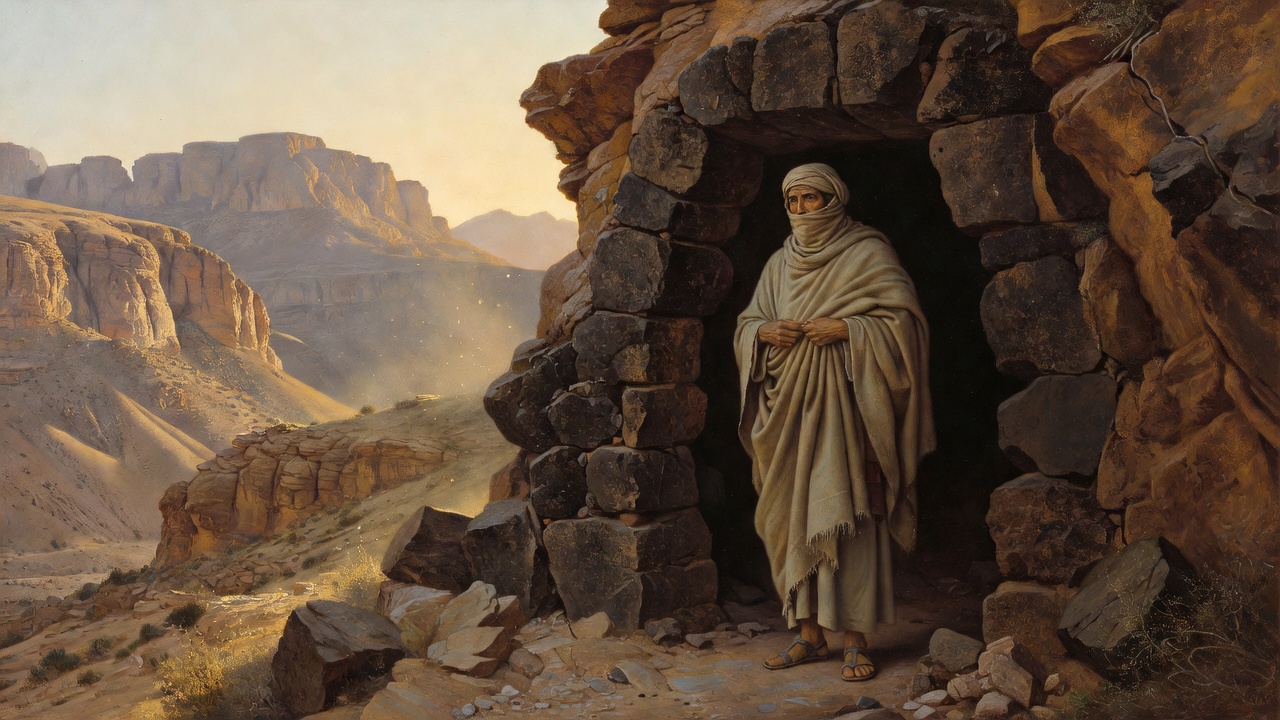
Elías en el monte Horeb y el llamamiento de Eliseo
- El monte Horeb, identificado también en la tradición bíblica con el monte Sinaí, fue la cordillera donde Israel recibió el pacto y la ley. El viaje de cuarenta días de Elías hacia el sur hasta Horeb sitúa su encuentro con Dios en el mismo escenario de las revelaciones concedidas a Moisés.Fuentes: el propio texto bíblico · Horeb
- Al ordenar a Elías que unja a Hazael como rey de Siria y a Jehú como rey de Israel, la narración vincula la autoridad profética con la sucesión geopolítica de ambas naciones, asegurando a Elías que aún quedaban siete mil israelitas fieles.Fuentes: el propio texto bíblico · Hazael · Jehu
- Echar el manto sobre los hombros de Eliseo mientras este araba con doce yuntas de bueyes en Abel-mehola fue un acto simbólico que lo designó como discípulo, heredero adoptivo y sucesor profético de Elías.Fuentes: el propio texto bíblico · Elisha · Abel-meholah
Notas escritas con ayuda de IA a partir de fuentes abiertas (Theographic Bible Metadata, CC BY-SA 4.0; Easton’s Bible Dictionary, dominio público) y revisadas antes de publicarse.
Lugares de este capítulo
- Mount Horeb · Hoy: Jebel Musa · 28.540, 33.973 · versículo 8
- Damascus · 33.511, 36.306 · versículo 15
- Syria · Hoy: Aram · 33.511, 36.306 · versículo 15
Solo aparecen lugares identificados con alta confianza (90 % o más según las fuentes académicas reunidas por OpenBible). Mapa de la época: DARE (Digital Atlas of the Roman Empire), CC BY 4.0; mapa actual: © colaboradores de OpenStreetMap; lugares: OpenBible.info (CC BY 4.0).
Créditos y licencia de esta traducción
Bibeli Luayãtaalá
The Holy Bible in the Boko language spoken in Benin and Nigeria
copyright © 2010 SIM International
Language: Boko
Translation by: SIM International
Boko Bibeli Luayãtaala
This translation, published by the SIM au Benin, was published in 2010.
If you are interested in obtaining a printed copy, please contact the SIM at ECWA/SIM H.Q., P.M.B. 2009, Jos, Plateau State, NIGERIA.
This translation text is made available to you under the
terms of the Creative Commons License: Attribution-Noncommercial-No Derivative Works.
( http://creativecommons.org/licenses/by-nc-nd/3.0/ )
In addition, you have permission to port the text to different file formats, as long as you
do not change any of the text or punctuation of the Bible.
You may share, copy, distribute, transmit, and extract portions
or quotations from this work, provided that you include the above copyright
information:
You must give Attribution to the work.
You do not sell this work for a profit.
You do not make any derivative works that change any of the actual words or punctuation of the Scriptures.
Permissions beyond the scope of this license may be
available if you contact
us with your request.
This translation is made available to you under the terms of the
Creative Commons Attribution-Noncommercial-No Derivatives license 4.0.
You may share and redistribute this Bible translation or extracts from it in any format, provided that:
You include the above copyright and source information.
You do not sell this work for a profit.
You do not change any of the words or punctuation of the Scriptures.
Pictures included with Scriptures and other documents on this site are licensed just for use with those Scriptures and documents.
For other uses, please contact the respective copyright owners.
2014-09-25
Fuente: http://ebible.org/bqcsim/ · eBible.org