Salmos 32
I tnalù dwata · Toca un versículo para ver sus referencias cruzadas.
Salmo 32
I klehew i to tamaglifet i salaan
Ani satu lingag Dabid.
1Too nun kafye i to ku tamaglifet i dad salaan;
too nun klehewan di ksafang Dwata i dad salaan én.
2Too nun kafye i to là nukum Dwata mdà di salaan,
i to là muni ku nun salaan.
3Di làgu fa tulen i dad salàgu too msamuk i nawagu,
na baling mten i lawehgu;
tì agu dmalong landè gumanakan;
4hae, Amugu Dwata, du mduh na butang snamukam agu mdà di blat nebegu ani,
taman mti i galgu gambet di too kinit i duh.
5Kafnge én, dnawatgu i dad salàgu;
talàgu nan buni i dad gugasyatgu di knayeam.
Gmangu, “Tulengu i salàgu di Amugu Dwata.”
Na mdà én tanlifetam i kdee sasè mgimògu.
6Na én duenan fye ku kdee tom dmasal di ge di là fa kel i samuk,
du fye balù fan nkel ale i bong kaflayam gambet i bong dunuk laan gafles di dale.
7E Dwata, ge i gusalbunigu;
ge i smafang deg di dad sasè,
taman too agu mlingag i kafalwaam deg mdà di salà.
8Na man Dwata, “Tdòta ge i dalan fye gumagum;
fanngeweta ge na toota ge neye fye là ge gasyat.
9Nang ge gambet i kudà demen baka i landè kaglabat,
du silang ale mimen ku knakang ale na nikat.”
10Én fatan i dad to gal mimò sasè i dee kaflayamla,
bay i bong kakdo Dwata landè kgilin kamlung i dad to smalig di kenen.
11Taman gamu dad to matlu, too gamu flehew mdà di kdee mgimò Dwata di gamu;
na mkit gamu di bong klehewyu gamu dad mimen kenen.
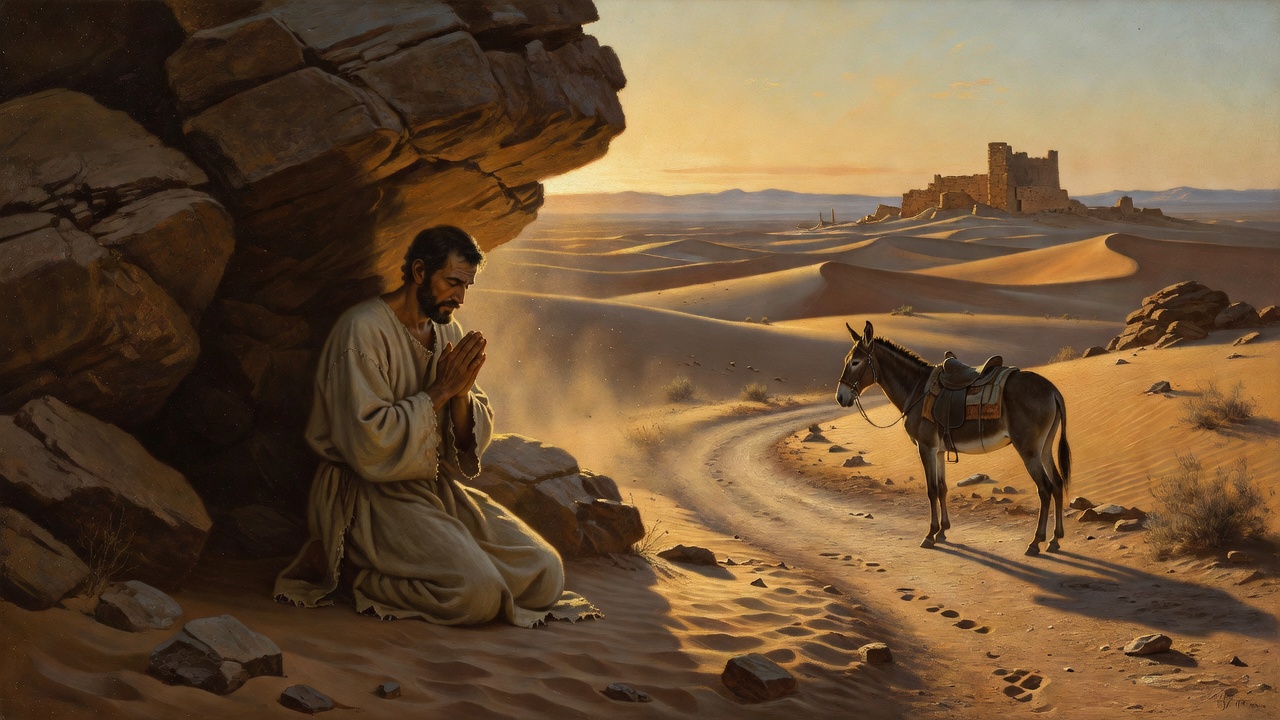
¿Sabías que…?
El Gozo del Perdón y la Guía
- El salmo comienza con un título que lo identifica como un Masquil de David, término tradicionalmente asociado a un poema instructivo o de reflexión, que aborda el contraste entre la angustia del pecado oculto y la bendición del perdón.Fuentes: el propio texto bíblico
- El término hebreo Selah aparece tres veces en este salmo (versículos 4, 5 y 7), interpretado comúnmente como una pausa musical o un momento de meditación durante la recitación del texto.Fuentes: el propio texto bíblico
- El salmo recurre a la imagen de animales de trabajo, contrastando a quien sigue voluntariamente el consejo divino con caballos o mulos tercos que necesitan freno y brida para ser dirigidos.Fuentes: el propio texto bíblico
Notas escritas con ayuda de IA a partir de fuentes abiertas (Theographic Bible Metadata, CC BY-SA 4.0; Easton’s Bible Dictionary, dominio público) y revisadas antes de publicarse.
Créditos y licencia de esta traducción
I tnalù dwata
New Testament in Blaan, Sarangani
copyright © 1998 Wycliffe Bible Translators, Inc.
Language: Sarangani Blaan (Blaan, Sarangani)
Translation by: Wycliffe Bible Translators
Contributor: Wycliffe Bible Translators, Inc.
Copyright Information
© 1998, Wycliffe Bible Translators, Inc. All rights reserved.
This translation text is made available to you under the
terms of the Creative Commons License: Attribution-Noncommercial-No Derivative Works.
( http://creativecommons.org/licenses/by-nc-nd/3.0/ )
In addition, you have permission to port the text to different file formats, as long as you
do not change any of the text or punctuation of the Bible.
You may share, copy, distribute, transmit, and extract portions
or quotations from this work, provided that you include the above copyright
information:
You must give Attribution to the work.
You do not sell this work for a profit.
You do not make any derivative works that change any of the actual words or punctuation of the Scriptures.
Permissions beyond the scope of this license may be
available if you contact
us with your request.
The New Testament
in Blaan, Sarangani
© 1998, Wycliffe Bible Translators, Inc. All rights reserved.
This translation is made available to you under the terms of the
Creative Commons Attribution-Noncommercial-No Derivatives license 4.0.
You may share and redistribute this Bible translation or extracts from it in any format, provided that:
You include the above copyright and source information.
You do not sell this work for a profit.
You do not change any of the words or punctuation of the Scriptures.
Pictures included with Scriptures and other documents on this site are licensed just for use with those Scriptures and documents.
For other uses, please contact the respective copyright owners.
2015-03-17
Fuente: http://ebible.org/bps/ · eBible.org