Romanos 5
I Falami Kasafnè (New Testament) · Toca un versículo para ver sus referencias cruzadas.
Ta safye Dwata na i dad to
1Ani, du ta nimò Dwata ato tluh mdà di kaftooto, ta safye ato i Dwata fagu di Amuto Dyisas Krayst. 2Mdà di kaftooto, neben ato di kafye i Dwata i ta gumnèto ani. Taman, lehew ato famden i kgaginto di kdatahan. 3Lê ato too lehew di dad kaflayamto, du gadèto i dad kaflayam, yé tamdò gito fagtayud. 4I kagtayud gamflehew i Dwata, na i klehewan mlé gito fangden. 5I fangden ani, là fyàan ato, du ta kok Dwata i kakdon di nawato fagu di kafnèan di gito i Mtiu Tulus, i ta blén di gito.
6Di muna, landè kibòto tmabeng i ktoto, bay kanto kel i bang ta fala nalék, fafati Krayst di dad to gamsalà. 7Matukul i mayè fafati mdà di kakdon i satu to tluh. Keng nun mayè fafati mdà di kakdon i satu to fye balun. 8Bay fite Dwata i kalbong nawan gito, du di lamto gamsalà, fafati Krayst di gito. 9Fagu di kfalohan i litèan, ta mgimò ato tluh di kanfe Dwata. Taman, ta tooto gadè galwà ato di kalbut Dwata fagu di kenen. 10Di muna, dnuento i Dwata, bay ani ta nimòan ato i dademen sakdo fagu di kfati i Ngàan. Taman, ta tooto gadè galwà ato fagu di kték Krayst. 11Ise ku lo ayé, bay lê ato flehew du mdà di nimò Dwata fagu ku Dyisas Krayst, dunan i ta samfye gito di Dwata.
Adan na Krayst
12Yé katbù i salà dini di tah tanà fagu di satu to, na i salàan mebe fati. Na mdà dini, ta gafat i fati di kdee dad to, du ta gamsalà i kdee. 13Tagnè nun salà dini di tah tanà di lam Dwata là mlé i uldin. Bay di laman landè uldin, tadèan bayà i dad salà. 14Bay mdà di du Adan kel di du Mosis, mati i dad to, balù ku là salngad salà nimòla di salà Adan di klafàan i man Dwata di kenen.
Na Adan gugaflingen i sanfatanla. 15Bay là salngad ale du là fakayto sansngad i salà Adan na i tadè blé Dwata. Balù dee mati mdà di salà i satu to, bay too bong kafye Dwata na i tadèan blé fagu di kafye Dyisas Krayst. 16Mahal i ulê tadè blé Dwata, na mahal i ulê salà Adan. I ulê i salà Adan dunan i kaflayam. Bay i ulê i tadè blé Dwata dunan ta lnifetan i dee salà nimò i dad to. 17Na glut sa, gafat i fati di kdee dad to fagu di salà i satu to. Bay too bong ulê i nimò satu To, dunan Dyisas Krayst, du i kdee dmawat i kafye Dwata na ta safye di kenen, fdatahan ale fagu ku Krayst.
18Taman, mdà di salà i satu to, dunan Adan, maflayam i kdee, na salngad déé, mdà di fye nimò i satu To, dunan Krayst, gamdawat kagalwà na nawa i kdee dad to ftoo. 19Na mdà di là kimen i satu to, mgimò gamsalà i kdee dad to. Na salngad déé, mdà di kimen i satu, mgimò tluh i kdee dad to ftoo.
20Kanto nun uldin, ta baling midul i kaglafàla, bay ku nè gubong i salà, baling too bong fa i kafye Dwata. 21Taman, yé gnamit salà mebe gito i fati, bay yé gnamit i kafye Dwata mebe gito i katluh, na neben ato di nawa landè sen fagu ku Dyisas Krayst, i Amuto.
¿Sabías que…?
Adán, Cristo y el reinado de la gracia
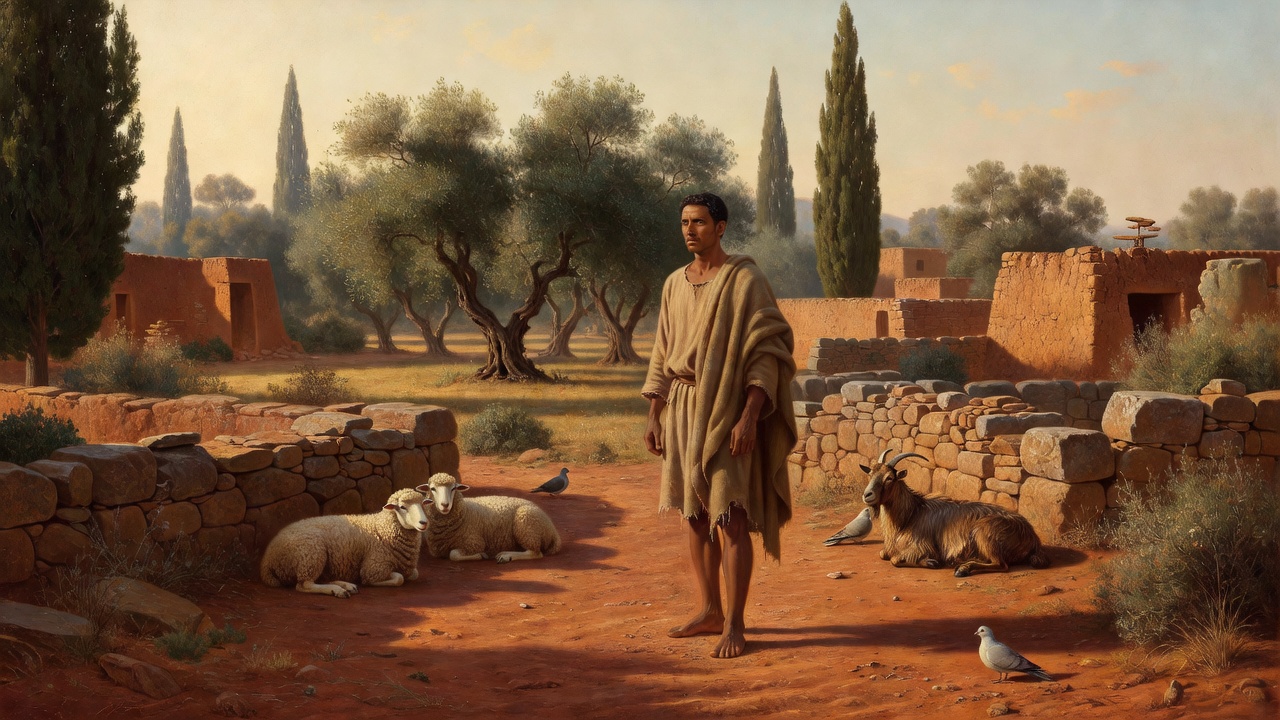
- El hombre por medio del cual Romanos 5 dice que el pecado entró en el mundo, y la muerte por medio del pecado, es Adán. Una nota de referencia presenta Adán como una palabra babilónica que significa rojo, el nombre genérico del ser humano en hebreo y en asirio, y vincula ese nombre con el hecho de que fue formado del polvo de la tierra. El relato de su creación y de su caída está en el primer libro de Moisés.Fuentes: Adam · el propio texto bíblico
- Romanos 5 afirma que la muerte reinó desde Adán hasta Moisés, incluso sobre quienes no pecaron de la manera en que Adán transgredió. Dice también que el pecado ya estaba en el mundo antes de que se diera la ley, pero que el pecado no se toma en cuenta cuando no hay ley. Adán es llamado figura de aquel que había de venir.Fuentes: el propio texto bíblico
- El capítulo pone esa única transgresión junto al don que vino por la gracia de Jesucristo. El juicio tras un solo pecado trajo condenación, mientras que el don tras muchas transgresiones trajo justificación. La ley, dice el texto, entró para que la transgresión aumentara; sin embargo, donde el pecado aumentó, la gracia aumentó mucho más.Fuentes: el propio texto bíblico
Notas escritas con ayuda de IA a partir de fuentes abiertas (Theographic Bible Metadata, CC BY-SA 4.0; Easton’s Bible Dictionary, dominio público) y revisadas antes de publicarse.
Créditos y licencia de esta traducción
I Falami Kasafnè (New Testament)
New Testament in Blaan, Koronadal
copyright © 1995 Wycliffe Bible Translators, Inc.
Language: Koronadal Blaan (Blaan, Koronadal)
Translation by: Wycliffe Bible Translators, Inc.
Copyright Information
© 1995, Wycliffe Bible Translators, Inc. All rights reserved.
This translation text is made available to you under the
terms of the Creative Commons License: Attribution-Noncommercial-No Derivative Works.
( http://creativecommons.org/licenses/by-nc-nd/3.0/ )
In addition, you have permission to port the text to different file formats, as long as you
do not change any of the text or punctuation of the Bible.
You may share, copy, distribute, transmit, and extract portions
or quotations from this work, provided that you include the above copyright
information:
You must give Attribution to the work.
You do not sell this work for a profit.
You do not make any derivative works that change any of the actual words or punctuation of the Scriptures.
Permissions beyond the scope of this license may be
available if you contact
us with your request.
The New Testament
in Blaan, Koronadal
© 1995, Wycliffe Bible Translators, Inc. All rights reserved.
This translation is made available to you under the terms of the
Creative Commons Attribution-Noncommercial-No Derivatives license 4.0.
You may share and redistribute this Bible translation or extracts from it in any format, provided that:
You include the above copyright and source information.
You do not sell this work for a profit.
You do not change any of the words or punctuation of the Scriptures.
Pictures included with Scriptures and other documents on this site are licensed just for use with those Scriptures and documents.
For other uses, please contact the respective copyright owners.
2014-08-06
Fuente: http://ebible.org/bpr/ · eBible.org