Juan 3
Dónbeenì páaníi fĩnle vũahṹ · Toca un versículo para ver sus referencias cruzadas.
O Yeesu zéenía le mukãnì binbirì bìo
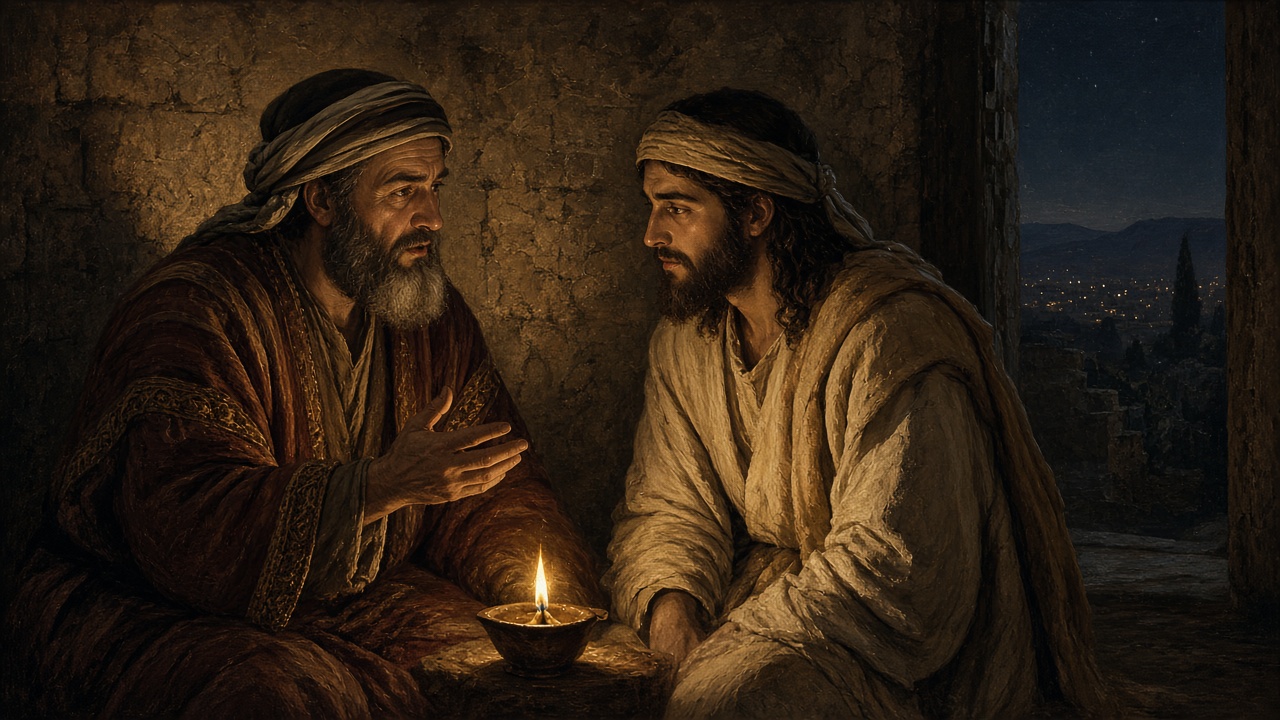
1Nìi ɓúi hĩ́a wi bĩ́n á yèni ɓa le Nikodɛɛmu. O lé ɓa *zúifùwa ɲúhṹso ɓúi á mún lé ɓa *Farizĩɛwa kuure nùpue ɓúi. 2Tĩ́nàahṹ ɓúi, ó o ɓuara a Yeesu cɔ̃́n á ɓueé wee bío làa wo: «Nì-kàránlo, wa zũ le ũnɛ́n lé yìa le Dónbeenì tonkaa. Lé bìo á nùpue yí dà máa wé mu yéréké bìowa làa bìo ũnɛ́n wee wéráa mu ká le Dónbeenì yí nɔn mu wéró pànká ɓànso yi.» 3Ó o Yeesu bía nɔn wo yi: «Le ĩ mì ho tũ̀iá na foǹ: Nùpue yí dà máa zũń le *Dónbeenì bɛ́ɛnì bìo, ká ɓànso yí bĩnía yí ton.» 4Ó o Nikodɛɛmu tùara a Yeesu yi: «O nùpue na yìo tɔ̃n dà à bĩní ì te kaka? Bìo ó o màhã́ yí dà máa bĩní máa zo mín nu píohó yi á máa te.» 5Ó o Yeesu bía nɔn o Nikodɛɛmu yi: «Le ĩ mì ho tũ̀iá na foǹ: Nùpue yí dà máa kɛń le Dónbeenì bɛ́ɛnì díiníi, ká ɓànso yí ton mu ɲumu lè le Dónbeenì Hácírí yi. 6Yìa ton o nùpue yi, wón mu nìpomu mukãnì wi yi. Á yìa ton le Dónbeenì Hácírí yi, wón le Dónbeenì Hácírí na wee na le mukãnì binbirì wi yi. 7Àwa, á bìo á ĩ bía nɔn foǹ le mi ɓúenɓúen ko à mi bĩní te, ũ cén yí le mu wé fo coon. 8Ho pinpiró wee wé và lùe lée lùe na bìo sĩ ho yi. Á fo ò ɲí ho sã, ká fo yí zũ hen na ho ló yi, làa hen na ho wee va yi. Lé kà síi ó o nùpue na ton le Dónbeenì Hácírí yi á bìo karáa.» 9Ó o Nikodɛɛmu wã́a bía nɔn o Yeesu yi: «Ho bĩní teró mu bìo á dà à wé kaka?» 10Ó o Yeesu bía nɔn wo yi: «Ũnɛ́n nì-kàránlo na yèni ló a *Isirayɛɛle nìpomu tĩ́ahṹ, á pá yí zũ bṹn le? 11Le ĩ mì ho tũ̀iá na foǹ: Bìo wa zũ làa bìo wa mɔn á lé mu sɛɛ́ràsa, bṹn lé bìo wa wee bío bìo wéréwéré. Ká mi màhã́ yí wi à mi tà mu yi. 12Hen ká ĩ wee bío bìo wee wé ho tá wán làa mia, à mi máa tà bìo á ĩ wee bío yi. Á mi ɓɛ̀n ǹ wé kaka à tàráa bìo á ĩ wee bío yi ká ĩ wee bío bìo wee wé ho wáayi làa mia?»
13Nùpue dĩǹ yí yòora ho wáayi. O *Nùpue Za mí dòn lé yìa ló ho wáayi á lion.
14Bìo ó o Isirayɛɛle nìpomu hĩ́a wi ho tá henì yi, ó o *Mɔyiize hĩ́a can ho hɔ̃nló háa le ɓùɛɛnì yi á hóonía fárá. O Nùpue Za mún ko ò o ca le ɓùɛɛnì yi à hóoní fárá làa bṹn síi, Hɔ̃nló háa|src="cn01671b.tif" size="span" copy="David C. Cook" ref="Zãn 3:14" 15bèra a na ká nùpue lée nùpue dó mí sĩi wo yi, à ɓànso yí le mukãnì binbirì na máa vé.
16Mu bon. Le Dónbeenì wara ho dĩ́míɲá nùpua dàkhĩína, fúaa le nɔn mí za kéní, bèra a na ká nùpue lée nùpue na dó mí sĩi wo yi, à ɓànso bìo yí yáa, ká a yí le mukãnì binbirì na máa vé. 17Le Dónbeenì yí tonkaa mí Za ho dĩ́míɲá yi à síinínáa ɓa nùpua ɲúná, ká le tonkaa wo ò o ɓuee kã̀ní ɓa. 18Yìa dó mí sĩi wo yi, wón ɓànso ɲúhṹ máa sí. Ká yìa yí dó mí sĩi wo yi, wón ɲúhṹ sú vó. Ɓànso ɲúhṹ sú lé bìo ó o yí dó mí sĩi le Dónbeenì Za kéní yi. 19Bìo nɔn á ɓa nùpua ɲúná súráa lé bìo kà: Yìa na lé mu khoomu binbirì ló ɓuara ho dĩ́míɲá yi. Ká bìo ɓa nùpua wárá yí seka á ɓa wara le tíbírí á po a. 20Mu bon, nùpue lée nùpue na wee wé mu bè-kora, wón wee ɲin mu khoomu. O yí máa tà lée dĩ̀n mu yi ò o wén-kora à mi wéréwéré. 21Ɛ̀ɛ ká yìa wee bè le Dónbeenì tũ̀iá poni yi, wón wee wé lé mu khoomu yi, à ɓa mi wéréwéré le o wee bè le Dónbeenì bíonì yi.
Bìo ó o Zãn Batiisi bía a Yeesu dã́ní yi
22Bṹn mɔ́n ó o Yeesu lè mí nì-kenínia ló ho Zeruzalɛɛmu yi wà van la-veere ho *Zudee kɔ̃hṹ yi. O vaá kará bĩ́n á cãakaa làa ba, á wee bátízé ɓa nùpua. 23O Zãn wón mún hĩ́a wee bátízé ɓa nùpua ho lahó na ɓa le Enɔn yi, ho wi ho Saliimu lóhó nìsã́ní, lé bìo mu ɲumu boo bĩ́n. Ɓa nùpua hĩ́a wee ɓuen o cɔ̃́n ò o bátízé ɓa. 24Mu wee wé ká a Zãn ɓa dĩǹ yí dó ho kàsó yi.
25Wizonle ɓúi, ó o Zãn nì-kenínia nùwã yɛn ɓúi wã̀anía là a zúifù nìi ɓúi bìo ho làndá le ɓa wé wé ceéráa míten wán. 26Ó o Zãn nì-kenínia mu wà van o cɔ̃́n, á vaá bía nɔn wo yi: «Nì-kàránlo, ũ hácírí so ɓuara a nùpue na nɔ̀nzoǹ wi làa fo khíi ho Zurudɛ̃n mɔ́n bìo yi le? Yìa fo mà ho tũ̀iá ɲii. Àwa, lé o wã́a wee bátízé ɓa nùpua, á ɓa nùpua cɛ̀rɛ̀ɛ mún wee va a cɔ̃́n.» 27Ó o Zãn bía nɔn ɓa yi: «Nùpue yí dà máa yí bìo ká Dónbeenì yí nɔn mu wo yi. 28Minɛ́n mi bɛɛre ɲá ho tũ̀iá na á ĩ mà le ĩ yínɔń yìa le Dónbeenì mɔn léra, ká ĩ lée nùpue na le Dónbeenì tonkaa á ĩ dú a yahó ɓuara. 29Mu ka lòn hã́-fĩa, wón bìo sã̀ mín báa yi. Ɛ̀ɛ ká ɓàn báa mu ɓàn bɔ̃́nlo wón wee wé dĩ̀n o nìsã́ní, à wé ɲí a bíoní. O sĩi wé wa a hã́-fĩa ɓàn báa bíoní yi. Lé bṹn á ĩnɛ́n sĩi mún wee waráa. Lé ĩ sĩ-wɛɛ mu ɲii màhã́ wã́a sú bìo kà wán. 30Yìa mi bía bìo ko ò o bìo ɲúhṹ wé, à wé dé wán, ká ĩnɛ́n bìo ko mu tĩ̀ yi.
31«Yìa ló ho wáayi lion, wón po ɓa nùpua ɓúenɓúen. Yìa bìo sã̀ ho tá yi, wón wee wé ɓa nùpua wárá, á wee bío ɓa nùpua bíoní. Ká yìa ló ho wáayi lion wón po ɓa nùpua ɓúenɓúen. 32Bìo ó o mɔn làa bìo ó o ɲá ho wáayi le Dónbeenì cɔ̃́n, lé bṹn ɓàn tũ̀iá ó o wee mì na ɓa nùpua yi. Ká ɓa nùpua màhã́ yí máa tà bìo ó o wee zéení yi. 33Yìa tà ho tũ̀iá na ó o mà nɔn ɓa yi, se ɓànso wee zéení le bìo le Dónbeenì bía lée tũ̀iá poni. 34Yìa le Dónbeenì tonkaa wón wee fɛɛ le ɲi-cúa, lé bìo le Dónbeenì wee na mí Hácírí ɓànso yi à yòo puuní. 35O Maá Dónbeenì wa a Za, á bàrá a mu bìo ɓúenɓúen ɲúhṹ wán. 36Yìa dó mí sĩi o Za yi, se ɓànso yú le mukãnì binbirì na máa vé. Ká yìa pã́ a Za mu bìo, se wón yí yú dén mukãnì so. Ká le Dónbeenì sĩi pá wé è cĩ̀ ɓànso yi fɛ́ɛɛ.»
¿Sabías que…?
El nuevo nacimiento y el testimonio de Juan
- Nicodemo, cuyo nombre significa "el pueblo es vencedor", era fariseo y miembro del Sanedrín. Fue a Jesús de noche para conocer mejor su enseñanza, y el Evangelio lo llama líder de los judíos; Jesús se dirige a él como maestro de Israel.Fuentes: Nicodemus · el propio texto bíblico
- Después de esta conversación, Jesús y sus discípulos fueron a la zona rural de Judea, que bajo los romanos era la más meridional de las tres divisiones de Palestina. Juan también bautizaba en Enón, cerca de Salim, porque allí el agua era abundante; Salim, cuyo nombre significa "pacífico", quedaba al oeste del Jordán. Enón significa "manantiales", y el Diccionario Bíblico de Easton (1897) lo sitúa probablemente cerca del nacimiento superior del Wady Far'ah, un valle abierto lleno de manantiales que va del monte Ebal al Jordán.Fuentes: el propio texto bíblico · Judea · Aenon · Salim
- En este capítulo, Juan dice a sus discípulos que él no es el Cristo, sino que fue enviado delante de él, y el relato señala que aún no había sido encarcelado. El Diccionario Bíblico de Easton (1897) lo describe como el precursor de Jesús, de linaje sacerdotal, y dice que su misión fue objeto de profecía.Fuentes: el propio texto bíblico · John the Baptist
Notas escritas con ayuda de IA a partir de fuentes abiertas (Theographic Bible Metadata, CC BY-SA 4.0; Easton’s Bible Dictionary, dominio público) y revisadas antes de publicarse.
Lugares de este capítulo
- Jerusalem · 31.777, 35.234 · versículo 22
- Judea · Hoy: Judea 1 · 31.777, 35.234 · versículo 22
- Jordan · Hoy: Jordan River · 31.761, 35.558 · versículo 26
Solo aparecen lugares identificados con alta confianza (90 % o más según las fuentes académicas reunidas por OpenBible). Mapa de la época: DARE (Digital Atlas of the Roman Empire), CC BY 4.0; mapa actual: © colaboradores de OpenStreetMap; lugares: OpenBible.info (CC BY 4.0).
Créditos y licencia de esta traducción
Dónbeenì páaníi fĩnle vũahṹ
New Testament in Buamu (UV:box:Buamu)
copyright © 2012 Wycliffe Bible Translators, Inc.
Language: Buamu
Translation by: Wycliffe Bible Translators, Inc.
Copyright Information
© 2012, Wycliffe Bible Translators, Inc. All rights reserved.
This translation text is made available to you under the
terms of the Creative Commons License: Attribution-Noncommercial-No Derivative Works.
( http://creativecommons.org/licenses/by-nc-nd/3.0/ )
In addition, you have permission to port the text to different file formats, as long as you
do not change any of the text or punctuation of the Bible.
You may share, copy, distribute, transmit, and extract portions
or quotations from this work, provided that you include the above copyright
information:
You must give Attribution to the work.
You do not sell this work for a profit.
You do not make any derivative works that change any of the actual words or punctuation of the Scriptures.
Permissions beyond the scope of this license may be
available if you contact
us with your request.
The New Testament
in Buamu
© 2012, Wycliffe Bible Translators, Inc. All rights reserved.
This translation is made available to you under the terms of the
Creative Commons Attribution-Noncommercial-No Derivatives license 4.0.
You may share and redistribute this Bible translation or extracts from it in any format, provided that:
You include the above copyright and source information.
You do not sell this work for a profit.
You do not change any of the words or punctuation of the Scriptures.
Pictures included with Scriptures and other documents on this site are licensed just for use with those Scriptures and documents.
For other uses, please contact the respective copyright owners.
2014-04-23
Fuente: http://ebible.org/boxNT/ · eBible.org