Hebreos 5
Píívyéébé ihjyu: jetsocríjyodítyú cáátúnuháámɨ · Toca un versículo para ver sus referencias cruzadas.
1Muurá mee mɨ́amúnáadítyú páñétúejte llúúvájte íjcyáímyeke meménuhíjcyámé ityújkevééllémeke ditye Píívyéébema tsaaté hallúvú iíhjyúváne dííbyeke ɨɨ́ɨ́cúvéné iyámeke icyóvájtso diityé imítyú iábájɨ́ɨ́vémeíki. 2Árónáa llúúváábe íjcyároobe mɨ́amúnáajpi iíjcyánéllií waajácú muhdú mávaríjchó íjcyane. Áánéllii tsaate ímíñeúvú wáájácutúmé mújtámeke piivyéteebe chooco iúwaabóne. 3Aabe tujkénú íhyallúvú Píívyéébeke ɨɨ́ɨ́cúvéné iyáábeke cóvajtsó íimítyú iábájɨ́ɨ́vémeíki. Ááné boonétú tsíjtyé hallúvú méénuube diityé imítyú iábájɨ́ɨ́vémeíki. 4Tsá tsaapi iiye méménúmeíítyuró llúúváábedívu. Píívyéébere ihdyu ityújkevééllémeke téénevu picyóó Aróoúvukéhjáa ipícyohdu. 5Ahdúu Críjtoke Píívyéébere picyóó páñétúejpi llúúváábe dibye iíjcyaki. Tsáháa iiye dibye méménúmeítyúne. Áábedítyú muurá neebe íwaajácúháámɨtu:
Uu Hájchíwu u íjcyáábeke uke ó ávyéjujtsóhi.
6Téhdure tsiiñe neébe:
Uke ó picyóó nɨ́jkéváityúné ɨ́htsútuube llúúváábe u íjcya Mekitsedéé íjcyadu.
Ehdu Píívyéébe néé íwaajácúháámɨtu Críjtodítyu. 7Aabée Críjto ɨ́jɨɨri iíjcyácooca Cááni Píívyéébema ávyétá ɨhnáhó kímóóveebéré ihjyúvahíjcyá dibyée dsɨ́jɨ́véíñetu dibye muhdú iñéhajchíí dííbyeke ipájtyetétsoki. Árónemáhjáa ɨ́hvéjtsámeííbyé muhdú dibye ímillédú dííbyema tene ipájtyeki. Áánélliihyéhjáa Píívyéébe dííbyeke pɨ́aabóhi. 8Aabée muurá dííbyé Hajchi íjcyaabe páñetu ɨɨ́cúbáhrámeíñéllii waajácú muhdú mecáhcujtsóne. 9Ehdúhjáa ɨ́mɨáábé iíjcyánéllií mepájtyetéiñe méénuube dííbyeke cáhcujtsómé muhdú íjcyáityúmeréjuco dííbyema iíjcyaki. 10Áánélliihyéhjáa Píívyéébe dííbyeke picyóó ɨ́htsútuube páñétúejpi llúúváábe dibye iíjcya Mekitsedéé íjcyadu.
Mecáhcujtsóné meɨ́hvéjtsómé úmɨwa ápíchó nééneé
11Íjcyaróné téénetu mítyane ámúhakye o úwáábóiyóne. Árónáa tsáhájuco ámúhakye o úwáábóityú tééneri ámuha meɨ́ɨ́cúvehíjcyátúnélliíhye. 12Tsáhájuco béjte ámuha meíjcyájúcóóturóne. Muurá ícyooca ámuha tsíjtyekéréjuco meúwáábóiyóne. Árónáa muhdú ɨ́ɨ́vane ámúhakye túhuutúné piéénéréi tsiiñe ó úwáábohíjcyá éhne múúne tsɨ́ɨ́mene majcho méénútutsɨ tsanééré mújpañe óóvedu. 13Aane ehdu tsɨ́ɨ́menédú nééme tsáhái ímíñeúvú wáájácutú muhdú ɨ́mɨájɨ́jtó meúráávyéiyóne. 14Áánetu ihdyu kéémejte tsanééréjuco majcho méénudu nééme tsúúca waajácú ímítyúnetu keená ɨ́mɨááné íjcyane.
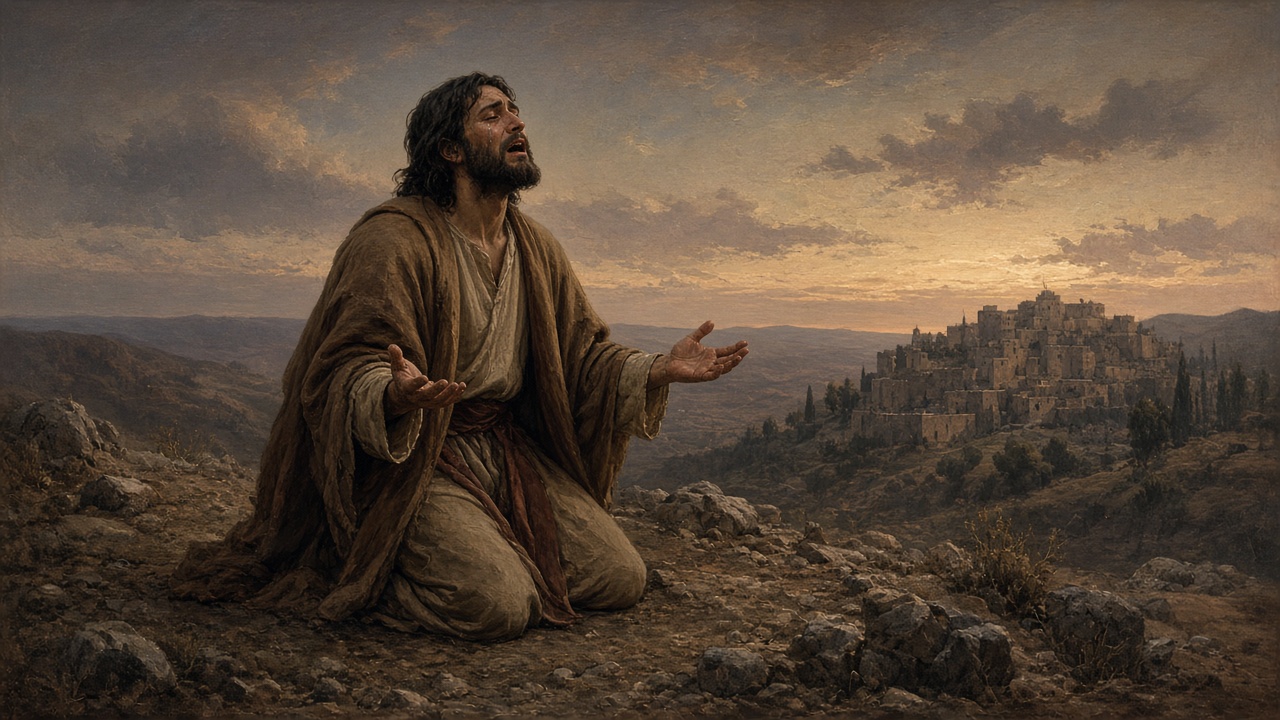
¿Sabías que…?
Un sumo sacerdote llamado por Dios
- Hebreos 5 presenta a Aarón como modelo de sumo sacerdote que no toma para sí el honor, sino que es llamado por Dios. Aarón, hijo mayor de Amram y Jocabed, nació en Egipto tres años antes que su hermano Moisés. Cuando se acercaba la liberación de Israel de Egipto, Dios lo envió al encuentro de su hermano, ausente desde hacía mucho tiempo, para que cooperaran en la realización del éxodo.Fuentes: el propio texto bíblico · Aaron
- Melquisedec, cuyo nombre el Easton's Bible Dictionary (1897) explica como “rey de justicia”, era rey de Salem. Todo lo que el Antiguo Testamento registra acerca de él está en Génesis 14:18–20, y solo se menciona una vez más, en el Salmo 110:4. Hebreos 5 aplica a Cristo las palabras “Tú eres sacerdote para siempre, según el orden de Melquisedec”, y el mismo diccionario dice que Hebreos 7 expone en detalle la importancia de su historia y presenta su sacerdocio como superior al de Aarón, recordando que Abraham le pagó el diezmo y que Melquisedec bendijo a Abraham.Fuentes: el propio texto bíblico · Melchisedec
Notas escritas con ayuda de IA a partir de fuentes abiertas (Theographic Bible Metadata, CC BY-SA 4.0; Easton’s Bible Dictionary, dominio público) y revisadas antes de publicarse.
Créditos y licencia de esta traducción
Píívyéébé ihjyu: jetsocríjyodítyú cáátúnuháámɨ
New Testament in Bora (PE:boa:Bora)
copyright © 2008 Wycliffe Bible Translators, Inc.
Language: Bora
Translation by: Wycliffe Bible Translators, Inc.
Boara [boa], Peru
Copyright Information
© 2008, Wycliffe Bible Translators, Inc. All rights reserved.
This translation text is made available to you under the
terms of the Creative Commons License: Attribution-Noncommercial-No Derivative Works.
( http://creativecommons.org/licenses/by-nc-nd/3.0/ )
In addition, you have permission to port the text to different file formats, as long as you
do not change any of the text or punctuation of the Bible.
You may share, copy, distribute, transmit, and extract portions
or quotations from this work, provided that you include the above copyright
information:
You must give Attribution to the work.
You do not sell this work for a profit.
You do not make any derivative works that change any of the actual words or punctuation of the Scriptures.
Permissions beyond the scope of this license may be
available if you contact
us with your request.
The New Testament
in Bora
© 2008, Wycliffe Bible Translators, Inc. All rights reserved.
This translation is made available to you under the terms of the
Creative Commons Attribution-Noncommercial-No Derivatives license 4.0.
You may share and redistribute this Bible translation or extracts from it in any format, provided that:
You include the above copyright and source information.
You do not sell this work for a profit.
You do not change any of the words or punctuation of the Scriptures.
Pictures included with Scriptures and other documents on this site are licensed just for use with those Scriptures and documents.
For other uses, please contact the respective copyright owners.
2014-04-22
Fuente: http://ebible.org/boaNT/ · eBible.org