Gálatas 2
Píívyéébé ihjyu: jetsocríjyodítyú cáátúnuháámɨ · Toca un versículo para ver sus referencias cruzadas.
Páávoróké uwáábojte wáájacúne
1Átsihdyúu tsúúca 14 píjcyá pájtyéné boone tsiiñe Jerotsaréevu o péébema Benabéemútsí Tíítóma pééhií. 2Áámútsimáa o péé téhullévú Píívyéébere oke túkévéjtsóneri. Áijyúu tsamééré técoomí cahcújtso múnáá túkevéjtsojte píhcyáávémeke ó úúballé íñe ámuha jodíómú íjcyátúrómeke o úwáábohíjcyánetu muhdú oke ditye iñéékií. 3Árónáacáa oke nééme tehdújuco o úwáábohíjcyáne. Aamée tsá ɨɨná néétu Tííto óóma íjcyaabe kíhdyahɨ́rótsámeítyúnetu. Tsáháa dibye kíhdyahɨ́rótsámeítyú jodíómuube iíjcyátúnélliíhye. 4Árónáacáa ijcyámé tsaate íllure iállíñe ɨ́mɨáámédú múúhakye náhbévahíjcyáme. Aamée imíllé Críjtoéjté muha meíjcyame tééné taúhbaju meméénújúcóótúmeke tsiiñe múúhakye téénevu ɨɨ́búwajtsóne. 5Áróneríi tsá muha meɨ́ɨ́cúvetú Críjtodítyú íjcyáné uwááboju mecáhcújtsóneríyé mepájtyeténetu ámúhakye muha memújtátsótuki.
6Aamée táehnííñevu íjcyarómé túkevéjtsojte tsá oke béhné uwáábó téénetu méénutúne. Árónáa tsá o íjyácunútú ditye táehnííñevu íjcyáneri. Muurá Píívyéébe tsahdúré meke ɨ́jtsúcunúhi. 7Aamée ímí ɨjtsúcunú Péédorókée tamúnaa jodíómú uwáábóóbedívú ipícyohdu téhdure oke Píívyéébe pícyoone ámuha jodíómú íjcyátúrómé uwááboobe o íjcyaki.
9Aanée páñétúejte Péédoroo, Jóóaá, Jacóóboo, íjcyame ímí ɨɨ́jtsúcunúne múhtsikye Benabéema mítyane dúúrúvaméré néé muhtsi tééné wákimyéí meméénu jodíómú íjcyátúmé pañe téhdure tamúnáá pañe tééné wákimyéí ditye méénúné tujkéveri. 10Áánemáa múhtsikye nééme muhtsi mepɨ́áábohíjcya ɨ́dáátsóméhjɨke. Aanée ímí ó ɨjtsúcunúhi.
Péédoróké Páávoro úhbane
11Árónáacáa Péédoróké Ajtiokííavu ó tsɨjpájúú dibye múhdurá íjcyáné hallútu. 12Muuráhjáa ámúha múnaa jodíómú íjcyátúmema dibye májchórónáa tsaate múúha múnaa Jacóóbo hájkímú ɨ́hdééné taúhbaju úráávyehíjcyámé técoomívú wájtsɨ́medítyú waabe diityédí iíllityénema. 13Áábedítyúu ɨɨ́ɨ́váne tsijtye tamúnaa tsúúca cahcújtso múnaa íjcyarómé téhdure wááhií. Áhdurée táñahbéébé Benabéé diityédítyú ɨɨ́ɨ́váne wááhií. 14Ehdúu tsúúca cahcújtso múnaa íjcyarómé dárɨ́ɨ́vémeíñé hallútú Péédoróké pámeere pihcyááve múnááj pɨɨnévú o nééhií: “Muúbej, uu muurá jodíómuube u íjcyároobée tsúúca ú ɨ́hvejtsó ɨ́hdééné taúhbaju u úráávyehíjcyáne. Aabe ¿ɨ́veekí téénevu ú táúhbahíjcyá memúnaa íjcyátúmeke teene u úráávyécóóbejɨ́ɨ́vari?” Ehdúu o néé Péédoróke.
Mecáhcújtsóneríyé mepájtyeténe
15Muurá muha jodíómú páñétúejte Píívyéébeéjté meíjcyame tsúúca méwaajácú Moitséeúvuj tééveríi múúhá ɨhdé múnáaúvuke dibye ájcúné taúhbaju muha meúráávyeróné múúhakye pájtyetétsóítyuróne. Apááñéré ihdyu Jetsocríjtóo mewájyuri dsɨ́jɨvéné paméváré mecáhcújtsómeke ɨ́mɨáámedi dílloóbe.
17Aane dííbyej tééveri Píívyéébema meímíbáávyéíyóneri metsúúrámeíhijcyámé méwaajácú ɨ́mɨááné ímityúmé meíjcyane. ¿Áánélliihyéhaca Críjto nééjuríyé ímityúmé méicyahíjcyáhi? Tsáhaá. Tsá tehdu tene néétune. 18Muurá teene taúhbaju o úráávyéroobe tsá Píívyéébema ímí o íjcyáítyuróne. Áánéllii ténejcútú ó ijcyá dsɨ́jɨ́veebédú teene o úraavyéjúcóótúnélliíhye. Aabe ihdyu ícyooca ó tsúúrámeíhijcyá muhdú Críjtoj tééveri tsaímíyé Píívyéébema o íjcyáíyóneri. Muurá o ɨ́hvejtsójúcooróné tsiiñe o úráávyéhajchíí oore ó tútávájtsáméiíhi. 20Áánéllii tsá o ímillédú o íjcyájúcootúne. Ícyooca ó ijcyá Píívyéébé Hajchíi tawájyuri dsɨ́jɨ́véébeke o cáhcújtsoobe oke túkévéjtsóné pañe. 21Aane tsá múijyú o ɨ́hvéjtsóítyuró mekée ɨɨ́daatsólléne mééma dibye méénune. Muuráhjáa teene taúhbaju néhdu meíjcyánej tééveríyé ɨ́mɨáámedi meke dibye dílloca Críjto dsɨ́jɨvéné tsá ɨ́ɨ́netú meke pɨ́áábóítyuróne.
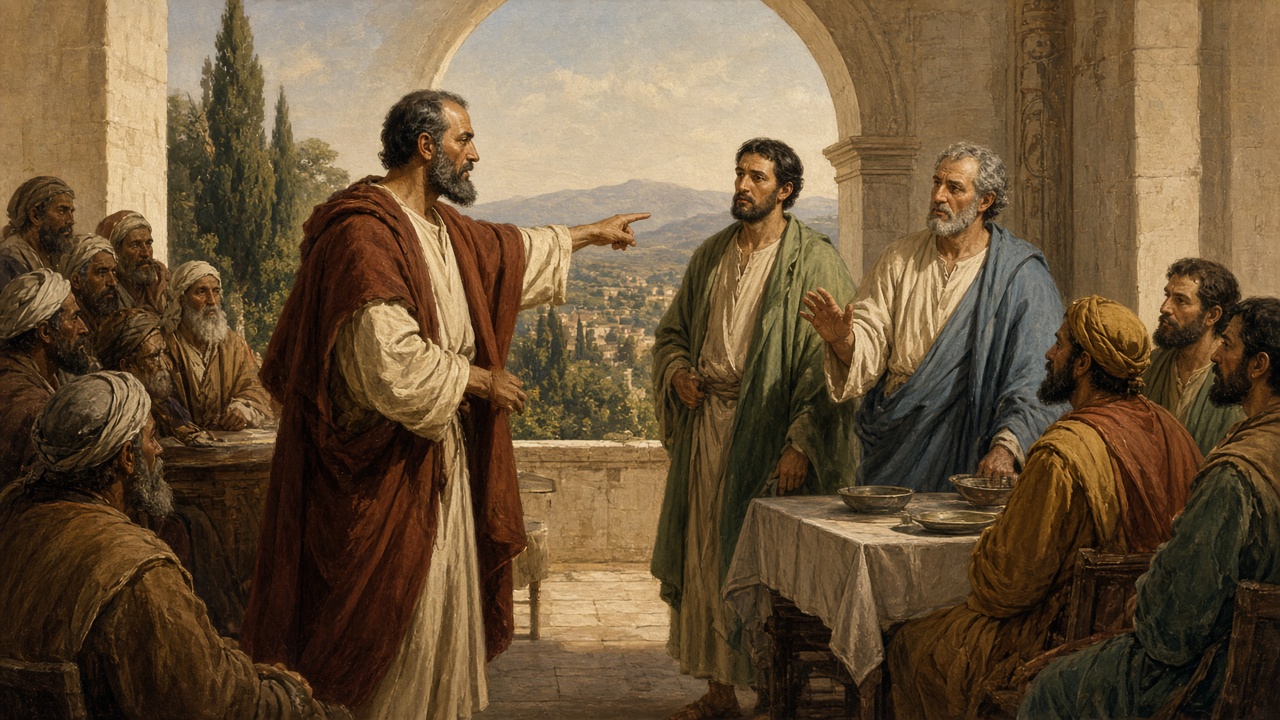
¿Sabías que…?
Gentiles, comunión y un enfrentamiento en Antioquía
- Tito fue con Pablo y Bernabé a Jerusalén. El Easton's Bible Dictionary (1897) dice que parece haber sido gentil y que su nombre no aparece en Hechos. Pablo escribe que Tito, aunque era griego, no fue obligado a circuncidarse.Fuentes: Titus · el propio texto bíblico
- El enfrentamiento posterior tuvo lugar en Antioquía de Siria, a orillas del Orontes, a unas trescientas millas al norte de Jerusalén. La ciudad ocupaba el tercer lugar entre las ciudades del Imperio romano, después de Roma y Alejandría, y fue allí donde a los creyentes se les llamó cristianos por primera vez.Fuentes: Antioch (Syria) · el propio texto bíblico
- El Easton's Bible Dictionary (1897) describe a Santiago, nombrado con Cefas y Juan como uno de los pilares, como cabeza de la iglesia en Jerusalén, donde presidió el concilio sobre los gentiles. Pablo dice que, antes de que llegaran ciertos hombres de parte de Santiago, Cefas solía comer con los gentiles, pero luego se apartó por temor al grupo de la circuncisión.Fuentes: James (Brother of Jesus) · el propio texto bíblico
Notas escritas con ayuda de IA a partir de fuentes abiertas (Theographic Bible Metadata, CC BY-SA 4.0; Easton’s Bible Dictionary, dominio público) y revisadas antes de publicarse.
Lugares de este capítulo
- Jerusalem · 31.777, 35.234 · versículo 1
- Antioch · Hoy: Antioch on the Orontes · 36.227, 36.172 · versículo 11
Solo aparecen lugares identificados con alta confianza (90 % o más según las fuentes académicas reunidas por OpenBible). Mapa de la época: DARE (Digital Atlas of the Roman Empire), CC BY 4.0; mapa actual: © colaboradores de OpenStreetMap; lugares: OpenBible.info (CC BY 4.0).
Créditos y licencia de esta traducción
Píívyéébé ihjyu: jetsocríjyodítyú cáátúnuháámɨ
New Testament in Bora (PE:boa:Bora)
copyright © 2008 Wycliffe Bible Translators, Inc.
Language: Bora
Translation by: Wycliffe Bible Translators, Inc.
Boara [boa], Peru
Copyright Information
© 2008, Wycliffe Bible Translators, Inc. All rights reserved.
This translation text is made available to you under the
terms of the Creative Commons License: Attribution-Noncommercial-No Derivative Works.
( http://creativecommons.org/licenses/by-nc-nd/3.0/ )
In addition, you have permission to port the text to different file formats, as long as you
do not change any of the text or punctuation of the Bible.
You may share, copy, distribute, transmit, and extract portions
or quotations from this work, provided that you include the above copyright
information:
You must give Attribution to the work.
You do not sell this work for a profit.
You do not make any derivative works that change any of the actual words or punctuation of the Scriptures.
Permissions beyond the scope of this license may be
available if you contact
us with your request.
The New Testament
in Bora
© 2008, Wycliffe Bible Translators, Inc. All rights reserved.
This translation is made available to you under the terms of the
Creative Commons Attribution-Noncommercial-No Derivatives license 4.0.
You may share and redistribute this Bible translation or extracts from it in any format, provided that:
You include the above copyright and source information.
You do not sell this work for a profit.
You do not change any of the words or punctuation of the Scriptures.
Pictures included with Scriptures and other documents on this site are licensed just for use with those Scriptures and documents.
For other uses, please contact the respective copyright owners.
2014-04-22
Fuente: http://ebible.org/boaNT/ · eBible.org