2 Corintios 3
Píívyéébé ihjyu: jetsocríjyodítyú cáátúnuháámɨ · Toca un versículo para ver sus referencias cruzadas.
Béhné pihtyájcoju
1¿Aanéubá ámuha méɨjtsúcunú íllure muhtsi memítyájkímyeí ehdu ámúhakye menéhijcyáne? ¿Áhduréubá ámuha méɨjtsúcunú tsaate méénuhíjcyádú uwáábojtétsí muhtsi meíjcyáné waajácúháámɨvu ámúhakye muhtsi meúújétsoíñe? ¿Panéubá ámuha méɨjtsúcunú téeméháámɨ́ ámúhakye muhtsi metáúmeíiñe? 2Áánerá ihdyu ámuháyé teene waajácúháámɨ́ tujkévéejte múhtsí uwááboríi tsíhdyuréjuco ámuha mecápáyoovéme. Áámeke ámúhakye pámeere ɨɨ́ɨ́téne waajácú ɨ́mɨááné tehdújuco ámúhakye muhtsi meúwaabóne. 3Aame ámuha Críjtóo múúhaj tééveri cáátúnúné waajácúhaamɨ́du. Árónáa ihdyu tsá ámuha mecáátúvatú caatúnújpácyori. Áhdure tsá ámuha mecáátúvatú éhnéhjáa néwáyuwáácutu cáátúvanédu. Muurá ihdyu ɨ́htsútuube Píívyéébé Apííchóré ámúhá pañévú úcaavéné ámúhakye ímíjpyetétsómeke tsijtye ɨɨ́ɨ́ténetu waajácú dííbyeéjté ámuha meíjcyane, waajácuháámɨ́ cáátuváné iéévéne iwáájácúiyódu.
4Ehdu íñe ámúhakye o nééne ɨ́mɨááné tsá álliu íjcyatúne. Muurá Píívyéébere Críjtoj tééveri múhtsikye pɨ́áábohíjcyánéllii ó waajácú ɨ́mɨááné tehdújuco o néhijcyáne. 5Tsá múhtsí waajácúríyé muhtsi meúwáábohíjcyatúne. Píívyéébere ihdyu múhtsikye túkévéjtsóneri muhtsi méúwáábohíjcyáhi. 6Áhdure dííbyere múhtsikye pɨ́áábohíjcyá íñe muhdú meíjcyaíñé béhné pityájcoju muhtsi tsíjtyeke meúwááboki. Muurá dííbyé Apííchó mépañe íjcyánej tééveríyé mépájtyetéhi. Tsá ɨ́hdééné taúhbaju meúráávyéneri mepájtyetétúne. Muurá teene meúráávyerómé íllure méwágóóóvéiyáhi. Áánetu ihdyu Píívyéébé Apííchó meke ajcú medsɨ́jɨvéjúcóóítyúne bóhɨɨ́vu.
7Muuráhjáa teene tujkénú Píívyéébe pícyóóné taúhbaju meke pájtyetétsóítyuróné néwáyuwáácutu cáátuváné tamúnaa ijraéémudívú wajtsɨ́ dííbyé ɨ́htsútuma Moitséeúvuj tééveri. Ááné ámɨ́tsaráhcóhjáa dííbyeúvú húmɨri íjcyánéllii tsá imúnaa ɨ́ɨ́tehíjcyatú dííbyeke. Aanéikyéhjáa chooco dííbyedítyú áábanúhi. 8Ehdúhjáa muurá meke pájtyetétsóítyúróné taúhbaju tujkénú Píívyéébe pícyoone ɨ́ɨ́né imíjyaú bóhówaavéhi. Aanéjɨ́ɨ́ mityáubá awáá mepájtyetéíñé uwááboju dííbyé Apííchó mépañétú bóhówájtsoíñej. Ááné pityájcoju íñe ícyooca mééma dibye méénune muurá meke ímíjpyetétsóhi. 10Áánevu tujkénúu dibye méénúné taúhbaju ímí néérone tsá úújetétúne. Áánetu íñe ícyooca mepájtyetéíñé pityájcojúu dibye méénune awáá éhnííñevu meke pɨ́aabóné tsá múijyú nɨ́jkéváityúne.
12Aane muha mewáájácúnéllii méúwáábohíjcyá ɨ́ɨ́nerí núhnévetúme. 13Tsá muha meméénuhíjcyatú éhnéhjáa Moitséeúvú ditye iájtyúmɨ́tu Píívyéébé ámɨ́tsaráhcó íhyúmɨri íjcyane áábanútúné hajchótá wájyámubávú wátácámeíhijcyádu. 14Téijyúhjáa íjcyáné mɨ́amúnaa tsá wáájacúpityúne. Áhdure ícyooca íjcyáné mɨ́amúnaa teene ɨ́hdééné pityájcoju éévéjúcoorómé tsá wáájácutúne. Aame ijcyá éhne múúne tsane tsíeménevu maávohjácóné íjcyadu wáájácúmeítyúme. Muurá ihdyu apááñéré Críjtóo mééma méénune mecáhcújtsóneri méwaajácúiyáhi. 15Aane ícyoocápí tsaate téénere Moitséeúvúu cáátúnuhíjcyanéhjɨ́ré icyáhcújtsóne ɨtsúcunúhijcyá ipájtyetéiñe. Tsá ditye wáájácúpityú Píívyéébée muhdú mepájtyetéiñe Jetsóoj tééveri méénune. 16Árome muurá dííbyé icyánejcúvuréjuco pájtyémeke pɨ́ááboobe Íapííchoj tééveri ditye iwáájácu muhdú ipájtyetéiñe. 18Muurá Píívyéébeéjté meíjcyame tsúúca dííbyé icyánéjcú méwaajácúhi. Aame mɨ́ɨ́cumɨ́dú menéémedítyú dííbye ímí bóhówaúcunúhijcyámé icyóhbodu méíjcyaá Críjtodu Íapííchoj tééveri meke dibye ímíjpyetétsóme.
¿Sabías que…?
Un pacto más glorioso
- El capítulo pregunta si hacen falta cartas de recomendación para los creyentes o de parte de ellos, como algunas personas exigen. Responde que los propios creyentes son una carta de Cristo, fruto de este ministerio, inscrita en los corazones de los ministros y conocida y leída por todos.Fuentes: el propio texto bíblico
- El capítulo contrasta la tinta y las tablas de piedra con el Espíritu del Dios vivo escribiendo en corazones humanos. Llama ministerio de muerte y de condenación al ministerio grabado con letras en piedra, y describe un nuevo pacto del Espíritu, porque la letra mata, pero el Espíritu da vida.Fuentes: el propio texto bíblico
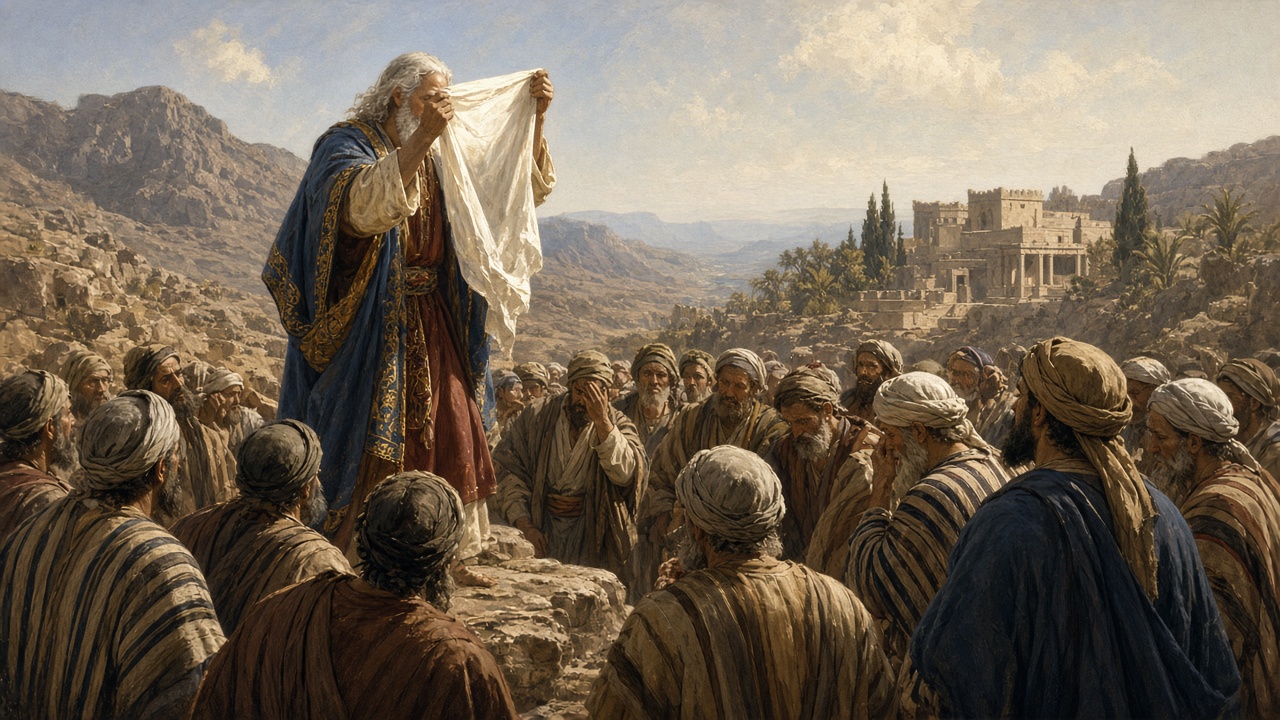
- Los israelitas no podían mirar fijamente el rostro de Moisés a causa de una gloria que se desvanecía, y Moisés se puso un velo sobre el rostro para que no contemplaran el fin de lo que iba pasando. El capítulo dice que un velo aún cubre sus corazones cuando se lee a Moisés, y que se quita siempre que alguien se vuelve al Señor.Fuentes: el propio texto bíblico
Notas escritas con ayuda de IA a partir de fuentes abiertas (Theographic Bible Metadata, CC BY-SA 4.0; Easton’s Bible Dictionary, dominio público) y revisadas antes de publicarse.
Créditos y licencia de esta traducción
Píívyéébé ihjyu: jetsocríjyodítyú cáátúnuháámɨ
New Testament in Bora (PE:boa:Bora)
copyright © 2008 Wycliffe Bible Translators, Inc.
Language: Bora
Translation by: Wycliffe Bible Translators, Inc.
Boara [boa], Peru
Copyright Information
© 2008, Wycliffe Bible Translators, Inc. All rights reserved.
This translation text is made available to you under the
terms of the Creative Commons License: Attribution-Noncommercial-No Derivative Works.
( http://creativecommons.org/licenses/by-nc-nd/3.0/ )
In addition, you have permission to port the text to different file formats, as long as you
do not change any of the text or punctuation of the Bible.
You may share, copy, distribute, transmit, and extract portions
or quotations from this work, provided that you include the above copyright
information:
You must give Attribution to the work.
You do not sell this work for a profit.
You do not make any derivative works that change any of the actual words or punctuation of the Scriptures.
Permissions beyond the scope of this license may be
available if you contact
us with your request.
The New Testament
in Bora
© 2008, Wycliffe Bible Translators, Inc. All rights reserved.
This translation is made available to you under the terms of the
Creative Commons Attribution-Noncommercial-No Derivatives license 4.0.
You may share and redistribute this Bible translation or extracts from it in any format, provided that:
You include the above copyright and source information.
You do not sell this work for a profit.
You do not change any of the words or punctuation of the Scriptures.
Pictures included with Scriptures and other documents on this site are licensed just for use with those Scriptures and documents.
For other uses, please contact the respective copyright owners.
2014-04-22
Fuente: http://ebible.org/boaNT/ · eBible.org