Apocalipsis 6
Deus Itaumbyry · Toca un versículo para ver sus referencias cruzadas.
Pape ituwymby sakâjihobyry modo sakâjiguewâdobyry
1Aituo keankâ Kordeiru mârâ pape ituwymby waunroem sakâjihobyry nhakâjiguely kâendyly. Nhakâjiguely ume keankâ mâkâ quatro ânguydo imeom ewy aguely kâindadyly; ielu âjipyruguely ara keankâ itanru.
— Âekâ, onro anaxi idâ-ro warâ! — kely.
2Agueduo MYK widyly. Kawaru tapekeim kâendyly. Tâka, pyrâu warâ keankâ mâkâ kawaru wogonro emano. Koroa eyam nâduduo, âseguebyrin-em kehoymby awyly xutuhoem. Tuduery modo eon-honru nhainly sedâ.
3Aituo keankâ Kordeiru mârâ pape ituwymby sakâjihobyry azagâ ieto nhakâjiguely. Nhakâjiguely ume keankâ ânguydo imeom azagâ ieto aguely kâindadyly:
— Âekâ, onro anaxi idâ-ro warâ! — kely.
4Agueduo keankâ eagonro kawaru egasely, tapabileim. Mâkâ kawaru wogonroam espada keankâ tuduzeim, âseguebyhoem. Kurâdo âseguebyhoem, âjigue âdyâwâtoem warâ “Aieta” kehoymbyem keankâ mâkâ egasely.
5Aituo keankâ Kordeiru mârâ pape ituwymby sakâjihobyry azagâ tokalâ ieto nhakâjiguely. Nhakâjiguely ume keankâ ânguydo imeom azagâ tokalâ ieto aguely kâindadyly.
— Âekâ, onro anaxi idâ-ro warâ! — kely.
Agueduo MYK widyly; kawaru tâmyguyneim kâendyly. Balança keankâ mâkâ kawaru wogonro emano. 6Aituo keankâ tâjitanru kâindadyly. Akaemo quatro ânguydo imeom duay keankâ aguely:
— Pyni peba ise. Tuguanse ise uguondo âsewanily, trigu ifarinhary tâpajigâze kulâ atay, tokalâ kilo, tâpajigâze cevada atay warâ tianâtoem. Se oliva ipery olâ kadatâwâdaundâ; uva edy kâzemodywâdaundâ warâ — kely keankâ.
7Aituo keankâ Kordeiru mârâ pape ituwymby sakâjihobyry quatro ieto nhakâjiguely. Nhakâjiguely ume keankâ ânguydo imeom quatro ieto aguely kâindadyly.
— Âekâ, onro anaxi idâ-ro warâ! — kely.
8Agueduo MYK widyly; kawaru tapadureim kâendyly. “Tâjigueho” kelygue tâzekeim keankâ mâkâ kawaru wogonro. “Âji tâdâsenagazedo” kelygue tâzekeimbe keankâ eagâ. “Onro anano modo ewy quarta parte ise mâyânlymo. Tâseguebyday, tâwindygue, tâwânugue warâ iguehomoem ise amânhedylymo. Eagonro modo âdâhozemo ânguydo imeom idu odano modoram” warâ kehoymbyem keankâ akaemo egasely.
9Aituo keankâ Kordeiru pape sakâjihobyry cinco ieto nhakâjiguely. Nhakâjiguely ume keankâ kurâ domodo egadopyry kâendyly, Deus itaumbyry nhegatulymogue, Jesus wâgâ aguely nimopa awylymogue warâ xyâwâtyby. Ânguydo imeom xyâypy Deusram egameho iopay keankâ akaemo. 10Ago kehoem keankâ Deusram aguelymo:
— Amânhedyse mato aiese ton-honre âmâ, Pymâ. Âdy inakai aieni mâkeba âmâ. Aiese myguehobyry, adyese lelâlâ âmâ. Inepa xina xyâimpyry modo enagazegâ. Inepa xina eweânkâ — kelymo.
11Eyanmo âtâ tapekeim nâduduo, aituo keankâ Deus eyanmo aguely:
— Tadahulizeba itaungâ. Toenzepa ise iwerâ ywâgâ aguewâni modo âdyoly uduery modoram. Âpemugumo lâpylâ akaemo, Jesus Cristo eynynâ. Âdiempa iwânwântaungâ wao, idânârâ âdyowâdylymo ara — kely.
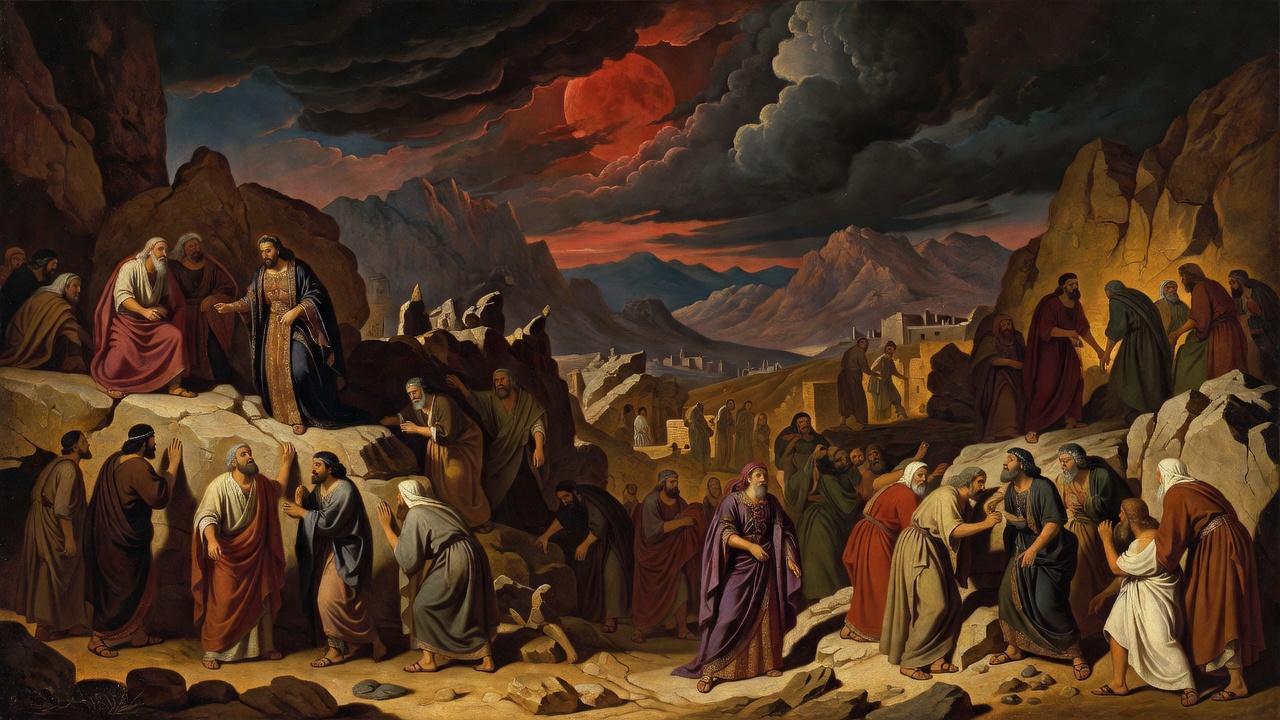
12Ilâpygueduo keankâ Kordeiru pape sakâjihobyry seis ieto nhakâjiguely kâendyly. Nhakâjiguely ume keankâ ton-honre kehoem onro âzekânily. Xixi tohoreba idyly, emyguymadyly warâ, âtâ tâjiwogonro tâmyguyneim tâjitynru enehon-ho ara kehoem. Nunâ tâjiunu ara sapabiladyly. 13Kau âzekânily lâpylâ. Ximukâ onro onwa ihuguewâdyly, figu sahuadânry tâwy wâgâpa ihuguewâdyly wâne sapezenru tâkâniduo myara. 14Kau adawynly, pape ituwymby ara idyly. Idânârâ iwy modo, ilha modo warâ eagonro âjiam âtuguguewâdyly.
15Idânârâ kurâdo âwientaynly; otoendylymo iwy odano tâtagueim odaxi, tuhu imâsedo modo duaxi warâ. Idânârâ kehoem keankâ pymâ domodo otoendaynlymo. Idânârâ kehoem keankâ sodadu domodo iwymâry, kurâ domodo iwymâry warâ otoendaynly. Idânârâ kehoem âdypeom modo, ton-honreim modo kehoem warâ otoendaynlymo keankâ. Idânârâ wâne otoenze kewâdylymo, kurâdo âdy modo, kurâdo âdy keba modo lâpylâ warâ. 16Aguelymo keankâ iwy modoram, tuhu imâsedo modoram warâ:
— Xina onwa âihuguegâ, xina moentomoem, mâkâ Pymâ Deus xina nepyra itoem, mâkâ Kordeiru xina agâ tyewiâseba itoem warâ — kelymo.
17— Iweâma naintai tyewiâky nhenehon-homo. Ânguy iewiâkymo nemaenwâbyra ise, tuduery nhenagazeduomo — kelymo.
¿Sabías que…?
La apertura de los seis sellos
- Los primeros cuatro sellos revelan cuatro jinetes sobre caballos blanco, bermejo, negro y pálido, llamados uno a uno por los cuatro seres vivientes. Cada jinete trae una aflicción distinta sobre la tierra, desde la conquista y la pérdida de la paz hasta la escasez generalizada, la peste y la muerte.Fuentes: el propio texto bíblico
- El tercer jinete lleva una balanza, acompañado por una proclamación que fija el precio de una medida de trigo o tres de cebada en un denario, lo que refleja una grave escasez de alimentos básicos mientras el aceite y el vino no sufren daño.Fuentes: el propio texto bíblico
- Al abrirse el quinto y el sexto sello, la visión pasa a las almas de los mártires bajo el altar y luego a enormes conmociones cósmicas y terrestres que impulsan a personas de toda condición social a refugiarse en cuevas y peñascos.Fuentes: el propio texto bíblico
Notas escritas con ayuda de IA a partir de fuentes abiertas (Theographic Bible Metadata, CC BY-SA 4.0; Easton’s Bible Dictionary, dominio público) y revisadas antes de publicarse.
Créditos y licencia de esta traducción
Deus Itaumbyry
New Testament in Bakairí
copyright © 2011 Wycliffe Bible Translators, Inc.
Language: Bakairí
Translation by: Wycliffe Bible Translators, Inc.
Copyright Information
© 2011, Wycliffe Bible Translators, Inc. All rights reserved.
This translation text is made available to you under the
terms of the Creative Commons License: Attribution-Noncommercial-No Derivative Works.
( http://creativecommons.org/licenses/by-nc-nd/3.0/ )
In addition, you have permission to port the text to different file formats, as long as you
do not change any of the text or punctuation of the Bible.
You may share, copy, distribute, transmit, and extract portions
or quotations from this work, provided that you include the above copyright
information:
You must give Attribution to the work.
You do not sell this work for a profit.
You do not make any derivative works that change any of the actual words or punctuation of the Scriptures.
Permissions beyond the scope of this license may be
available if you contact
us with your request.
The New Testament
in Bakairí
© 2011, Wycliffe Bible Translators, Inc. All rights reserved.
This translation is made available to you under the terms of the
Creative Commons Attribution-Noncommercial-No Derivatives license 4.0.
You may share and redistribute this Bible translation or extracts from it in any format, provided that:
You include the above copyright and source information.
You do not sell this work for a profit.
You do not change any of the words or punctuation of the Scriptures.
Pictures included with Scriptures and other documents on this site are licensed just for use with those Scriptures and documents.
For other uses, please contact the respective copyright owners.
2014-04-23
Fuente: http://ebible.org/bkqNT/ · eBible.org