Juan 17
Deus Itaumbyry · Toca un versículo para ver sus referencias cruzadas.
Jesus Tunwym agâ aguehobyry
1Aguenripyryem, Jesus kauram MYK idyly. Deus agâ aguely:
— Pabai, amyguehobyry aralâ ise inepa yiguely. Âmery wawylygue, enehongâ koendonro wawyly, won-honru warâ. Arâ awidyly, koendonroem mawyly, on-honru warâ kâenehohoem lâpylâ. 2Idânârâ iwymâryem witoem amyguewâm. Kâenkyly lelâ asaemo. Âmâlâ lâpylâ asaemo ynynonroem ienehonrimo. Awylygue ise ynynonro modo agâpa kânhenehomba wawyly; igueduomo, aunloenlâ agâ nidâmo. 3Akaemo aunloenlâ agâ itaynrim modo, idânârâ koendâ kehoem âutudâmo, âmâ lelâ Deus tokaleom mawyly. Utudâ lâpylâ asaemo, Jesus Cristo mâingonotyby wawyly. Kagâpa tyetuneba ise asaemo; igueduomo, idâzemo aunloenlâ kagâ itomoem.
4— Koendonro mawyly, on-honru warâ senen-ho, xirâ anaym wawyly ara. Âwanu aiese ugonotobyry sewanike warâ. 5Pabai, târâ agâ wawyly ume, tâdyren-honze akâwândy urâ, onro peba awyly ume. Tâwâlâ kâdyren-hondonji, izay watay kâdyren-hon-hobyry ara.
6— Pabai, ynynonroem mânhenehonwâdyby modoram ânguy mawyly senen-ho. Âmâ xurâ lâpylâ asaemo. Âmâlâ ynynonroem ienehoinmo. Amygueho tâinwânse asaemo. 7Tutuze asaemo, idânârâ agânhetaymby modo, won-honru mâunduypyguelâ agânhetaynly awyly. 8Unâ eyanmo kâengatuhoem amyguehobyry segatu. Auguehobyry neinwândâmo. Eydâ matodâlâ mâingonotybyenlâ kâewyly awyly, tutuze asaemo.
9— Pabai, âyam kâenkadyly, koendâ asaemo mâentoem. Yeinwântânry modo mâentoem kâenkadaymba urâ. Ynynonro modo olâ koendâ egâ. Âynynonro lâpylâ mawânkâ asaemo. 10Idânârâ ynynonro modo, âynynonro lâpylâ. Idânârâ âynynonro modo, ynynonro lâpylâ. Adâkeday, adientay warâ tânehonzemo, koendonro wawyly, ton-honre wawyly warâ.
11— Inepa ise udâly eydâ matoam. Xirâ anaymba ise urâ; asaemo olâ ise tarâlâ, yeinwântânry modo duaymo ise-ro warâ. Pabai, koendonro lelâlâ âmâ; inakanhe amitaymba âmâ. Toenzepa ton-honreim lâpylâ âmâ, on-honrugue awitoem yam amygue. Asaemo ynynonro modo egâ on-honrugue, tokaleom ara lelâ itomoem, urâ, âmâ warâ tokaleoem kydawyly ara. 12Ijipyay, xirâ anaym eagâmo watay, on-honrugue tâensemo keankâ urâ. Asaemo ewy tokalâ kulâ keankâ ynynâba ini. Âunâry awo wâgâ iweniby aralâ keankâ aidyly, aise kehobyry aralâ.
13— Inepa ise eydâ matoam udâly. Tarâ xirâ anaym wawyly ara, ynynonro modo xurâem agâ auguely, nâjityembyra itomoem, tytyremba wato ara, imâem kehoem iomarumo nidâ. 14Eyanmo kâengatuhoem amyguehobyry segatu. Tâinwânse asaemo. Ynynâbaom modo adiendyse ato, adiendyse inkâba asaemo, ynynâbaom modo anhekyly, agânhedyseba wato ara lâpylâ. Awylygue, ynynâbaom modo izepa idylymo.
15— Pabai, ynynâbaom modo duaypa mâentyhomoem kâenkadaymba urâ. Diaburam nâdynanâoba itomoem xuahurumoem ikâ wao, uguely olâ. 16Ynynâbaom modo adiendyse ato agânhedyse inkâba urâ, arâ lâpylâ asaemo adiendysebamo awyly. 17Amyguehobyry ara lelâ anidâmo; idânârâ amygueho âkealâ mawânrâ. 18Âynynâbaom modo duaxi ugonotobyry ara, arâ lâpylâ asaemo kâingonodyly ynynâbaom modo duaxi. 19Âyam kâtuly, idânârâ agânhedyse mato agânhetoem, kâenmakehomoem. Arâ awidyly âmâ xurâem itomoem, ize mato anhetomoem warâ.
20— Asaemo lelâba mâentoem kâenkadyly. Asaemo ywâgâ aguely tindatuo yeinwânni modo olâ egâ lâpylâ. 21Pabai, kâenkadyly, idânârâ yeinwânni modo tokaleom ara lelâ itomoem. Tokaleom ara kagâ itomoem kâenkadyly, yagâ mawyly ara, agâ wawyly ara warâ nidâmo. Tokaleoem nidâmo, yeinwântânry modo âmâlâ ugononi awyly nhutuhomoem. 22Ton-honre witoem, koendonroem witoem warâ amyguehobyry ara lâpylâ eyanmo auguely, eon-honromoem, koendonroem itomoem warâ. Arâ awidyly, tokaleom ara lelâ itomoem, yagâ tokaleom mawyly ara, agâ wawyly ara warâ. 23Augueondyly, Pabai. Tokaleom waunlo ara eagâmo wawyly; tokaleon-ro waunlo ara yagâ mawyly. Aituo tokaleom ara lelâ kagâ awylymo. Arâ tientuo, ynynâbaom modo xutuzemo, âmâ ugononi awyly, ywynedo ara lâpylâ mâinwynedylymo warâ.
24— Pabai, âdykâ watodâlâ, yagâ ize urâ ynynonroem mânhenehonwâdyby modo. Kytanrugue kulâ onro kiungudyly iray ywynemâ. Ywynedylygue, koendonroem, ton-honreinhe warâ witoem amyguewâm. Urâ xurâ modo won-honru, koendâ wawyly warâ nhedysemo urâ. 25Pabai, âdykâ inakanhe amitaymba âmâ. Yeinwântânry modo âutuwâbyra. Urâ olâ âutudâ. Akaemo yeinwântoem amânhenehoymby modo tutuzemo âmâ ugononi awyly. 26Akaemoam âutuen-ho, alâ ise awisezedyly, âdara tagonro agâ tâpynedyly nhutuhomoem, ywynedâ âmâ ara, urâlâ eagâmo witoem, nhutuhomoem warâ — kely Jesus tunwym Deusram.
¿Sabías que…?
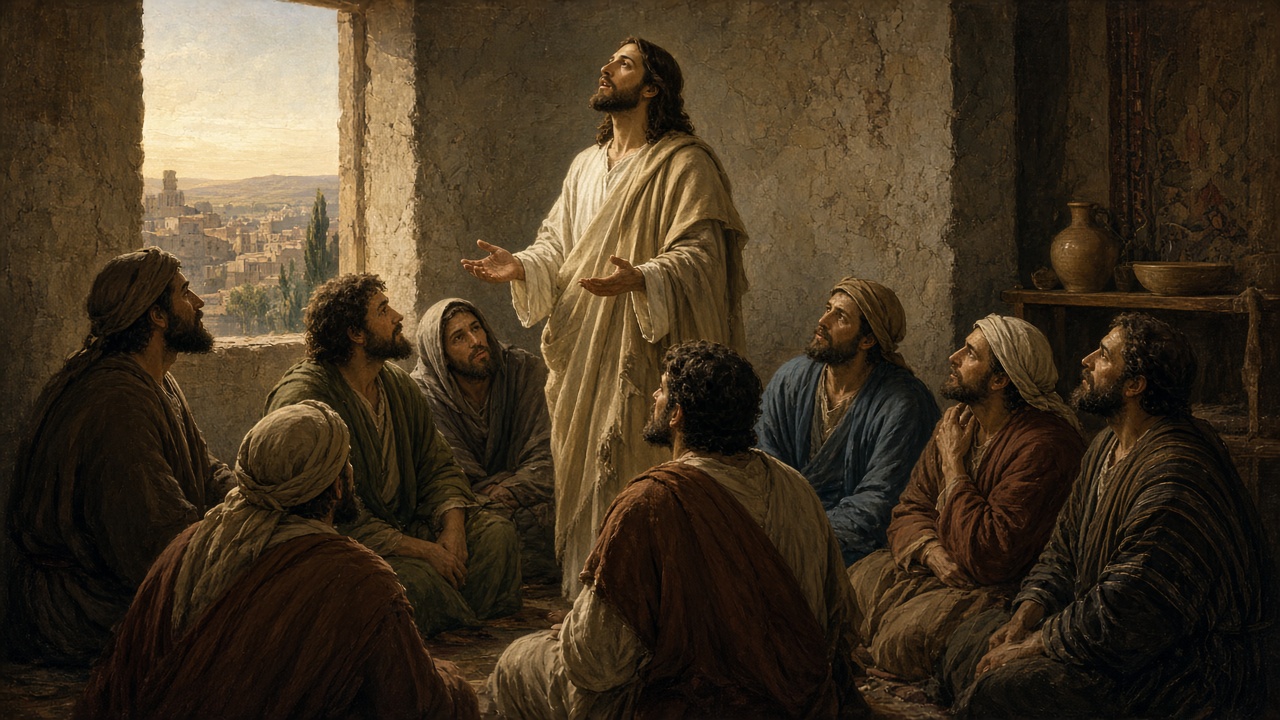
Juan 17: ha llegado la hora
- La oración comienza cuando Jesús, después de haber dicho estas cosas, alza los ojos al cielo y dice que ha llegado la hora. Se asocia con el Discurso del Aposento Alto, indicado como un día, y con la Semana Santa, indicada como ocho días.Fuentes: el propio texto bíblico · Upper Room Discourse · Holy Week
- Aquí la vida eterna es conocer al único Dios verdadero y a Jesucristo, a quien el Padre envió. Jesús también habla de la gloria que tenía con el Padre antes de que existiera el mundo y del amor del Padre por él antes de la fundación del mundo.Fuentes: el propio texto bíblico
- Ora por quienes el Padre le dio del mundo, los que han guardado la palabra, y también por quienes creerán por medio del mensaje de ellos, pidiendo que sean uno. No pide que sean sacados del mundo, sino que sean guardados del maligno y santificados por la verdad, que identifica como la palabra del Padre.Fuentes: el propio texto bíblico
Notas escritas con ayuda de IA a partir de fuentes abiertas (Theographic Bible Metadata, CC BY-SA 4.0; Easton’s Bible Dictionary, dominio público) y revisadas antes de publicarse.
Créditos y licencia de esta traducción
Deus Itaumbyry
New Testament in Bakairí
copyright © 2011 Wycliffe Bible Translators, Inc.
Language: Bakairí
Translation by: Wycliffe Bible Translators, Inc.
Copyright Information
© 2011, Wycliffe Bible Translators, Inc. All rights reserved.
This translation text is made available to you under the
terms of the Creative Commons License: Attribution-Noncommercial-No Derivative Works.
( http://creativecommons.org/licenses/by-nc-nd/3.0/ )
In addition, you have permission to port the text to different file formats, as long as you
do not change any of the text or punctuation of the Bible.
You may share, copy, distribute, transmit, and extract portions
or quotations from this work, provided that you include the above copyright
information:
You must give Attribution to the work.
You do not sell this work for a profit.
You do not make any derivative works that change any of the actual words or punctuation of the Scriptures.
Permissions beyond the scope of this license may be
available if you contact
us with your request.
The New Testament
in Bakairí
© 2011, Wycliffe Bible Translators, Inc. All rights reserved.
This translation is made available to you under the terms of the
Creative Commons Attribution-Noncommercial-No Derivatives license 4.0.
You may share and redistribute this Bible translation or extracts from it in any format, provided that:
You include the above copyright and source information.
You do not sell this work for a profit.
You do not change any of the words or punctuation of the Scriptures.
Pictures included with Scriptures and other documents on this site are licensed just for use with those Scriptures and documents.
For other uses, please contact the respective copyright owners.
2014-04-23
Fuente: http://ebible.org/bkqNT/ · eBible.org