1 Juan 4
Deus Itaumbyry · Toca un versículo para ver sus referencias cruzadas.
Deus Ispiritury eynynâ agueim, aguedânry warâ
1Toenzepa mârâem lelâba, “Deus Ispiritury auguehoem aguehobyrylâ kâenomedâdo” kewâni modo. Yataen-ho kâinwyneguyly modo, idânârâ arâ agueim modo olâ kâzeinwântaundâ, tâlâ mawânkâ konokuni modo. Koendâ wao aguehomo, nhenomedâdomo warâ âkealâ, âkealâba warâ awyly xutuwâdaungâ, Deus eynynonro, eynynâbaom warâ awyly mâuntuhomoem. 2“Jesuslâ Messias, Deus Ingonotyby. Karalâ mâkâ kurâem awyly, tunre, tybygue warâ; egadopyry mâkeba” keim tutuze kurâ, Deus Ispirituryam aguehoymby awyly aguehoem. 3“Deus Ingonotyby Messias mâkeba mâkâ Jesus. Kurâ egadopyry âepanâgueyby kulâ” keim olâ Deus Ispiritury pebaom. Cristo Iduerygue taseim awâkâ arâ agueim. Tydaselâ âmaemo, “Cristo Iduery âese onro anaxi” kely. Toenzepa Cristo iduery eon-honrugue aini modo xirâ onro anaym awyly iwerâ.
4Deus xurâ olâ âmaemo, ymeombyry ara kâenkyly modo. Awylygue iozepa kulâ unâ egatuwâni modoram mâzenokuoba mawylymo. Deus Ispiritury agonromo, ton-honreim kuru, Satanás ispiritury onro anano modo agonro takaze eon-honru. 5Iozepa kulâ unâ egatuwâni modo Deus iduery eon-honrugue aguelymo; awylygue Deus izepa ato kulâ aguehomo. Deus eynynâbaom modoram aguelymo tâjidahoze, Deus iduery lâpylâ awylymogue. 6Xina olâ Deus xurâ; Deus eynynonro modo xina aguely tydasemo; xurâ keba modo olâ xina aguely nidapyramo. Ânguylâ Jesus wâgâ nhenomedâdyly watay, agueho koendâ idataungâ. Mâkâ âyanmo agueho xina aguehobyry arâlâ watay, iozelâ ise, Deus Ispiritury iozeno xutuen-hoim mâkâ agâlâ awylygue. Mâkâ agueho xina aguehobyry agâ âzekiba nipyra watayma konokuni kulâ ise agueim, Satanás mawânkâ arâ agueim.
Kagonro agâ kydâpynedyly kyzenehonre
7Yataen-ho modo, aunlolâ kagonrodo agâ kydâpynene; Deuslâ mawânkâ kydâpynedoem kon-honru xuduim. Kurâ Cristo eynynâ kypemugudo agâ âpyneni modo, Deus imery kurâ; iamudo, tunwym nhutuho ara Kunwym Deus kiuntuly. 8Âpynedânry modo olâ Deus nutubamo. Kurâem adienkyly modo wâgâlâ kywynedâ tawyly Deus nhenehonly. 9Kywynedâ tawyly enehonwâm Deus, tymery tokaleom onro anaxi igonomâ; mâkâ kurâem iguehobyry wâgâ mawânrâ ise kyigueduo aunloenlâ eagâ kydawyly. 10Awârâ mawânrâ Deus toenzepa kywynedâ tawyly nhenehon-hombyry. Kinwynedylygue inkâba Deus arâ anhedyly, kywynedylyguelâ. Awylygue tymery tokaleom ingonodyly, kieinwândylygue, inakanhe aguitobyry nhygakehoem.
11Yataen-ho modo, arâ kehoem Deus kywynedyly watayma kydâpynene lâpylâ-ro. 12Ânguy âdaunloenlâ Deus netaymba. Cristo eynynâ kypemugudo agâ kydâpynedyly watay olâ Deus kagâlâ. Kagonro modo agâ toenzepa lelâlâ kydâpynedyly watay, Deus kyize ato ara kisezedyly lakuru. 13Deus Tyispiritury kagâ itoem nhuduypy wâgâ mawânrâ kiuntuly, Deus agâpa kipyra kydawyly, kagâpa nipyra awyly warâ. 14Xina Jesus agonropyry modo tutuze xina, einwânni modo emakeze Kunwym Deus tymery ingonodyly awyly. Xina emâ, iwâgâ egatuly xina nimoba-ro warâ. 15“Deus imeryma Jesus Cristo” kykely MON warâ-ro watay, kagâlâ Deus, eagâlâ kurâ warâ. 16Tutuze kurâ, Deus toenzepa kywynedâ awyly, kywynedyly nimoba awyly tâinwânse kurâ-ro warâ.
Kurâem adienkyly modo wâgâlâ kywynedâ tawyly Deus nhenehonly. Cristo eynynâ typemugu agâ tâpynedyly imodânry Deus agâlâ, eagâlâ Deus warâ. 17Iwerâ Deus kywynedo ara kehoem kinwynedoem anhenehonly. Awylygue ise, xypyry etay, enado kydâepanâgueduo tâegane kydawyly. Cristo eynynâ kypemugu agâ tâpyneze lelâ kurâ-ro watay, xirâ onro anaym tawyly ume Cristo anhetybylâ aguienkyly awyly, xutuze Deus. Aituo ise xypyry etay tâwentâzeba, tywykeba warâ kydawyly. 18Deus kywynedâ awyly tâinwânse lelâlâ kurâ-ro watay, kiyntadaymba kurâ. Nuduwâpyra kywyneni modo kiyntadoem; kurâem inakai aieni modo lelâ kiyntaguyly. Deus tytaze kurâ-ro watay, koendâ kubalâ eagâ kydawyly, kyanu mawânrâ kânagazedoem aienehonrim.
19Iwerâma Deus tywyneze kurâ, kieinwândyly iraylâ mawânkâ kywynedyly. 20Jesus einwânni modo kinwynebyra kulâ, “Deus tywyneze urâ” kykely-ro watay, konokuni kulâ kurâ, Deus iwyneni mâkeba. Tâenseim mâkeba Deus, Jesus einwânni modo olâ kagâmolâ. Kienkyly modolâ kinwynebyra kurâ-ro watay, nuduwâpyra Deus kientânry kinwynedoem. 21“Deus tywyneze âmaemo-ro watay, ynynonro modo iwynedaungâ lâpylâ” nygue Jesus, xina agâ tawyly ume.
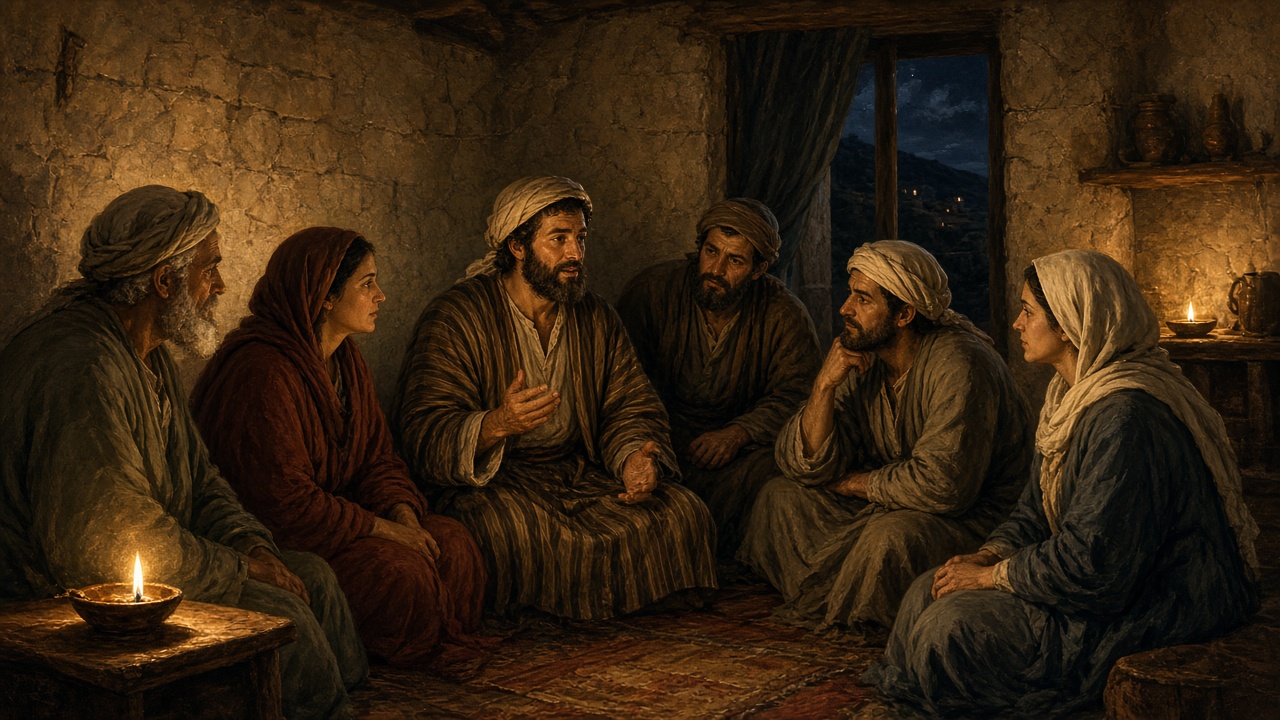
¿Sabías que…?
Probando los espíritus y el amor que viene de Dios
- A los lectores tratados como amados se les dice que no crean a todo espíritu, sino que prueben los espíritus, pues muchos falsos profetas han salido por el mundo. El Espíritu de Dios se reconoce cuando un espíritu confiesa que Jesucristo ha venido en carne; todo espíritu que no confiesa a Jesús no es de Dios y es el espíritu del anticristo, que ya está en el mundo.Fuentes: el propio texto bíblico
- El amor viene de Dios, y Dios es amor, de modo que quien no ama no conoce a Dios. El amor de Dios se reveló al enviar a su Hijo único al mundo como sacrificio expiatorio por los pecados, y a quienes han sido así amados se les dice que deben amarse unos a otros.Fuentes: el propio texto bíblico
- Nadie ha visto jamás a Dios, pero si nos amamos unos a otros, Dios permanece en nosotros y su amor se perfecciona en nosotros. Quien dice “Amo a Dios”, pero odia a su hermano, es mentiroso, pues quien no ama a su hermano, a quien ha visto, no puede amar a Dios, a quien no ha visto, y el mandamiento es que quien ama a Dios también ame a su hermano.Fuentes: el propio texto bíblico
Notas escritas con ayuda de IA a partir de fuentes abiertas (Theographic Bible Metadata, CC BY-SA 4.0; Easton’s Bible Dictionary, dominio público) y revisadas antes de publicarse.
Créditos y licencia de esta traducción
Deus Itaumbyry
New Testament in Bakairí
copyright © 2011 Wycliffe Bible Translators, Inc.
Language: Bakairí
Translation by: Wycliffe Bible Translators, Inc.
Copyright Information
© 2011, Wycliffe Bible Translators, Inc. All rights reserved.
This translation text is made available to you under the
terms of the Creative Commons License: Attribution-Noncommercial-No Derivative Works.
( http://creativecommons.org/licenses/by-nc-nd/3.0/ )
In addition, you have permission to port the text to different file formats, as long as you
do not change any of the text or punctuation of the Bible.
You may share, copy, distribute, transmit, and extract portions
or quotations from this work, provided that you include the above copyright
information:
You must give Attribution to the work.
You do not sell this work for a profit.
You do not make any derivative works that change any of the actual words or punctuation of the Scriptures.
Permissions beyond the scope of this license may be
available if you contact
us with your request.
The New Testament
in Bakairí
© 2011, Wycliffe Bible Translators, Inc. All rights reserved.
This translation is made available to you under the terms of the
Creative Commons Attribution-Noncommercial-No Derivatives license 4.0.
You may share and redistribute this Bible translation or extracts from it in any format, provided that:
You include the above copyright and source information.
You do not sell this work for a profit.
You do not change any of the words or punctuation of the Scriptures.
Pictures included with Scriptures and other documents on this site are licensed just for use with those Scriptures and documents.
For other uses, please contact the respective copyright owners.
2014-04-23
Fuente: http://ebible.org/bkqNT/ · eBible.org