Santiago 2
KƗLӘ-MƗNDƗ KƗ SƗGƗ · Toca un versículo para ver sus referencias cruzadas.
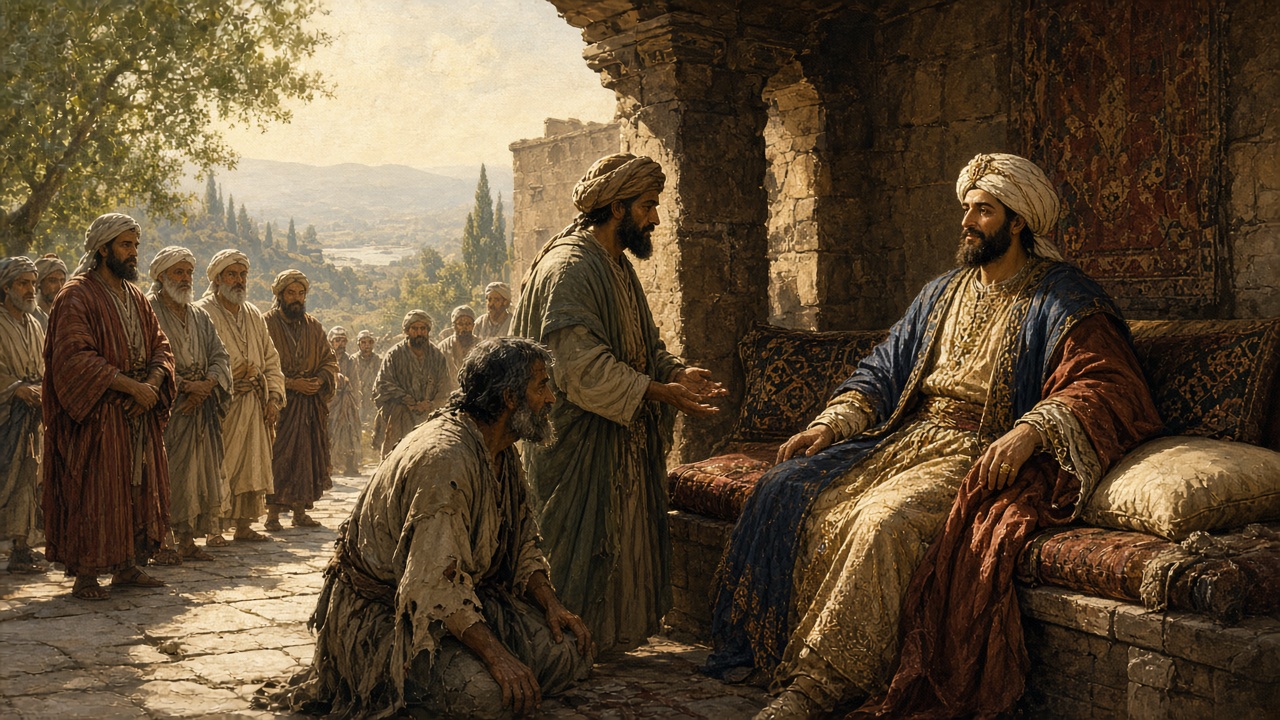
Kɔr kəm naa dana e majal
1NGakom je, səi kɨ adi mesi Ɓaɓe Jəju Kɨrɨsɨ kɨ tɔjɨ e lie, sɔbɨ kadɨ kɔr kəm-naa goto dansi tɨ, tadɔ e nḛ kɨ uwə-naa kɨ kadɨ-me al. 2Tə kɨn ə ɓone, dəw kɨ nje nḛ kɨngə kare, ɨlə kɨbɨ kɨ ndole majɨ rɔne tɨ, kɨ nɨngə kɨ ra kɨ ɔr jine tɨ, re lo kaw-naa tɨ ləsi. Nɨngə dəw kɨ nje ndoo, kɨ ɨlə ngɨsɨ kɨbɨ rɔne tɨ, re lo kaw-naa tɨ ka kɨn tɔ. 3Lokɨ ɨləi kəmsi oi nje kɨlə kɨbɨ kɨ ndole nɨngə, ɨɓuki-e tɨ ə əli-e əi nə: «Ɨre, ɨsɨ nangɨ lo kɨ majɨ tɨ kɨn.» Nɨngə əli nje ndoo əi nə: «Ḭ a kɨ taa no̰o̰» ə se «Ɨsɨ njam tɨ nanga ne be.» 4Təkɨ ɨsɨ rai be nɨngə, se oi kadɨ e kɔr ə ɨsɨ ɔri kəm-naa dana dansi tɨ, ə ɨsɨ təli njé gangɨ ta dɔ dɨje tɨ kɨ kɔjɨ ta je ləsi kɨ majal al wa?
5NGakom je kɨ njé ndɨgɨ ləm, uri mbisi oi ta kɨn: Se oi kadɨ Luwə mbətɨ njé ndoo je kɨ dɔnangɨ tɨ ne mba kadɨ təli njé nḛ kɨngə je, kɨ go kadɨ kɨ adi mede Jəju Kɨrɨsɨ, al wa? MBətɨ-de kadɨ ɨngəi ko̰ɓe kɨ Luwə un mɨndɨne adɨ dɨje kɨ ndɨgi-e. 6Nɨngə səi je ɨsɨ kɨdi-de. Se njé nḛ kɨngə je ka kɨn ə ɨsɨ adi səsi ko̰ al wa? Taa ɨsɨ awi səsi no̰ njé gangɨ ta je tɨ tɔ al wa? 7E əi je wa kɨn ə ɨsɨ əli ta kɨ majal dɔ tɔ tɨ kɨ majɨ kɨ Luwə ɨndə dɔsi tɨ kɨn.
8Təkɨ rɔjetɨ, re ɨtɔli ta ndu-kun lə Luwə kɨ ɨtə ndəge je kɨ ndangi me makɨtɨbɨ tɨ ə nə: «A ɨndɨgɨ dəw madi tə darɔi ḭ wa be,» kɨn nɨngə, ɨrai go rəbe tɨ. 9Nə re ɨrai kɨ go kɔr kəm-naa dana tɨ nɨngə, e majal ə ɨsɨ rai, ndu-kun lə Luwə uwə səsi kɨ ta tə njé kal dɔ ta je. 10MBata re dəw təl rɔne go ndu-kun je tɨ lə Luwə pətɨ, nə al dɔ ndu-kun kɨ kare nɨngə, təl nje kal dɔ ndu-kun je pətɨ. 11Tadɔ nje kəl kə nə: «A uwə marɨm al,» ka kɨn ə əl ə nə: «A tɔl dəw al tɔ.» Ə re uwə marɨm al, nə ɨtɔl dəw nɨngə ɨtəl nje kal dɔ ta. 12Gɨne kɨn ə, kadɨ ta kəlsi je, kɨ nḛ rasi je, tɔjɨ kadɨ səi dɨje kɨ sɔbɨ kadɨ a gangi ta dɔsi tɨ kɨ ndu-kun kɨ nje taa kɨlə taa. 13Tadɔ dəw kɨ nje koo kəm-to-ndoo lə dɨje al, Luwə a oo kəm-to-ndoo lie ndɔ gangɨ ta tɨ al tɔ. Nɨngə koo kəm-to-ndoo e nḛ kɨ utɨ dɔ ta kɨ gangɨ.
Kadɨ-me Luwə kɨ kanjɨ ra kɨle e kɨ koy
14NGakom je, lokɨ dəw madɨ ə nə n-e n-aw kɨ kadɨ-me, nɨngə tɔjɨ kadɨ-me Luwə ləne, kɨ kɨlə kɨ ra, al, se maje e ri wa? Maje goto. Kadɨ-me Luwə kɨ be kɨn asɨ kaje al. 15Tə kɨn ə ɓone, ngoko̰je kɨ dɨngəm ə se kɨ dəne awi kɨ rɔde kare, taa asi kɨngə nḛ kusode kɨ ndɔ je pətɨ al tɔ. 16Nɨngə dəw madɨ dansi tɨ əl-de ə nə: «Awi kɨ maje, kadɨ rɔsi tɨngə rututu, ə usoi nḛ mesi dan.» Kɨ kanjɨ kadɨ adɨ-de nḛ kɨ kadɨ ra səde, se maje e ri wa? 17Kadɨ-me Luwə ka to be tɔ, re tɔjɨ rɔne me kɨlə kɨ ra tɨ al nɨngə, e nḛ kɨ koy.
18Dəw madɨ ə nə: «Ḭ aw kɨ kadɨ-me Luwə, ə mi m-aw kɨ kɨlə je kɨ ra tɔ.» Ɓa m-a m-əl-e m-ə nə: «Majɨ kadɨ ɔjɨ-m kadɨ-me Luwə ləi kɨ kanjɨ kɨlə je kɨ ra adɨ-m m-o, ə mi m-a m-ɔji kadɨ-me Luwə ləm kɨ kɨlə je kɨ m-ra m-adɨ oo tɔ.» 19Ḭ adɨ mei təkɨ Luwə e kare ba al wa? E nḛ kɨ majɨ, nɨngə kadɨ ɨgər təkɨ ndɨl je kɨ majal ka gəri-e be tɔ. Ɓəl rade adɨ dadi no̰e tɨ. 20Ḭ dəw kɨ dɔi goto, ɨndɨgɨ kadɨ ɨgər se e kɨ mba ri ə kadɨ-me kɨ kɨle goto a ra nḛ kare al wa? 21Se oo kaje *Abɨrakam kɨ Luwə ɔr ta dɔe tɨ kɨ takul kɨlə rae je, mbata ndɨgɨ kadɨ n-tɔl ngonne *Isakɨ dɔ dɨngɨri kadɨ-kare tɨ lə Luwə, n-ade kadɨ-kare tɨ kɨn al wa? 22OO, kadɨ-me Luwə lie awi naa tɨ kɨ kɨlə rae je. Kɨlə rae je tɔli ta kadɨ-me Luwə lie adɨ asɨ naa bərəre. 23E be ə tɔl-n ta ta kɨ ndangi me makɨtɨbɨ tɨ lə Luwə əi nə: «Abɨrakam adɨ mene Luwə, lokɨ Luwə oo kadɨ-me lie nɨngə tɨde tə dəw kɨ dana.» Adɨ ɓar-e madɨne. 24Oi ne majɨ, təkɨ Luwə ɔr ta dɔ dəw tɨ kɨ takul kɨlə rae je, ɓɨ e kɨ takul kadɨ-me lie par kare ba al. Dɨngɨri kadɨ-kare lə Luwə|src="lb00255c.tif" size="col" loc="JAS 2.21" copy="Horace Knowles" ref="2.21"
25Adi mesi ole dɔ Rakabɨ tɨ kɨ e kaya dəne kɨn. Rakabɨ uwə njé kɨlə je lə *Isɨrayəl rɔne tɨ, nɨngə ra səde adɨ tḛḛi uni rəbɨ kɨ rangɨ a̰yḭ-naa awi. E kɨ mbata kɨlə rae kɨn ə Luwə ɔr-n ta dɔe tɨ.
26Be ə, təkɨ j-o-n kadɨ darɔ kɨ kə̰ə̰ goto tɨ e kɨ koy ka kɨn ə, kadɨ-me Luwə kɨ kɨle goto ka e kɨ koy tɔ.
¿Sabías que…?
Imparcialidad y fe viva
- Santiago recuerda que Abraham fue justificado al ofrecer a su hijo Isaac en el altar, su fe obrando junto con sus acciones y perfeccionada por lo que hizo. Isaac, el único hijo de Abraham con Sara, fue aquel a quien Dios mandó a Abraham ofrecer en sacrificio en un monte en la tierra de Moriah.Fuentes: el propio texto bíblico · Isaac
- Santiago también cita a Rahab la prostituta, justificada por acoger a los espías y enviarlos por otro camino. Los dos espías, enviados por Josué mientras los hebreos estaban acampados en Sitim frente a Jericó, habían ido a su casa, enfrentaron peligro en la ciudad y fueron salvados por su fidelidad.Fuentes: el propio texto bíblico · Rahab
Notas escritas con ayuda de IA a partir de fuentes abiertas (Theographic Bible Metadata, CC BY-SA 4.0; Easton’s Bible Dictionary, dominio público) y revisadas antes de publicarse.
Créditos y licencia de esta traducción
KƗLӘ-MƗNDƗ KƗ SƗGƗ
New Testament in Bedjond (CD:bjv:Bedjond)
copyright © 2011 Wycliffe Bible Translators, Inc.
Language: Bedjond
Translation by: Wycliffe Bible Translators, Inc.
Copyright Information
© 2011, Wycliffe Bible Translators, Inc. All rights reserved.
This translation text is made available to you under the
terms of the Creative Commons License: Attribution-Noncommercial-No Derivative Works.
( http://creativecommons.org/licenses/by-nc-nd/3.0/ )
In addition, you have permission to port the text to different file formats, as long as you
do not change any of the text or punctuation of the Bible.
You may share, copy, distribute, transmit, and extract portions
or quotations from this work, provided that you include the above copyright
information:
You must give Attribution to the work.
You do not sell this work for a profit.
You do not make any derivative works that change any of the actual words or punctuation of the Scriptures.
Permissions beyond the scope of this license may be
available if you contact
us with your request.
The New Testament
in Bedjond
© 2011, Wycliffe Bible Translators, Inc. All rights reserved.
This translation is made available to you under the terms of the
Creative Commons Attribution-Noncommercial-No Derivatives license 4.0.
You may share and redistribute this Bible translation or extracts from it in any format, provided that:
You include the above copyright and source information.
You do not sell this work for a profit.
You do not change any of the words or punctuation of the Scriptures.
Pictures included with Scriptures and other documents on this site are licensed just for use with those Scriptures and documents.
For other uses, please contact the respective copyright owners.
2021-11-01
Fuente: http://ebible.org/bjvNT/ · eBible.org