1 Tesalonicenses 4
Iwo Surua Mua Wie Pha Bible · Toca un versículo para ver sus referencias cruzadas.
Ji pha chai ne Hamangkhung-aphuii shii sang yi
1Idohhè, gathek khuiinothek nane bumuiithek, Hamangkhung-aphuii è sang pha nathek ne khi-è rai chid nathek ne gathek è dabjong. Hì ne, ji chak ro, nathek ne rai ramuii ro. Chiih-è thuh gathek ne dinne de muna rek bo ne Ithong Isu beng è nathek shii khung. 2Ithong Isu pha riichai è gathek è nathek shii phi pha muyuathek ne nathek ne thieg. 3Hamangkhung-aphuii ne nathek shii gang rey bo ne now ro chiih-è siulao è gang rey bo ne yang ro. 4Zab pha branthek ne awai yiy rog shii gang nane ilab shii khi-èrek ne rai pha ji ne thieg chid, 5Hamangkhung-aphuii shii athieg pha bran duiine siu è chid pha ji rog shii asi ro. 6Hì pha miyao è, chiihphado bran ne awai khuiinothek Masiphothek shii ichiig arek rabo dinne ai è phua ayie rabo. Gathek è hì ne igobi yaojong ro, chiih-è gathek ne chiih-è nathek shii gang phriie hanyie è hì rek pho shii ne Ithong è lago phi ruii phro. 7Hamangkhung-aphuii è gethek shii chai zea sieng pha aho ro, jishii gang rai pha ho phro. 8Ji-è chiihphado, hanyie magunde hì pha muyua shii snai pha ne bran shii snai pha asi ro, jimagunde Hamangkhung-aphuii hanyie è nathek shii Ragung So phi pha ji shii ro.
9Nathek shii ne nawaithek khuiino Masipho shii miie bo ne azey chid. Nathek nawaithek chung khi-èrek ne miie chid pha ji ne Hamangkhung-aphuii è nathek shii yuajong ro. 10Chiih-è zai nathek shii um pha ji duiine, Mesidonia pha khuiinothek nane bumuiithek shii de ziig rekramuii ro. Ji-è gathek nathek shii khung, gathek ro khuiinothek nane bumuiithek, dinne de muna rek bo. 11Nawaithek chai yi liijiing shii sieng pha phrai bo, nawai blia shii gayiig bo, chiih-è gathek è nathek shii igobi yao pha duiine, nawai sieng pha ji shii wiang bo. 12Hì pha lumuii è hanyie migipho arey ba pho è ilab mua ruii phro, chiih-è nathek nyie chiid pha ji shii ne ithek gai shii aluthong chid phro.
Ithong wuii ruii
13Gathek khuiinothek nane bumuiithek, gathek ne nathek shii hanyie iy dun ji pha izai chiang shii thieg yi pha yang ro, ji-è hanyie shii luthong oi pho, nathek shii duhug arey phro. 14Gethek ne migi rek Isu ne iy ne hòi din, chiih-è gethek ne migi rek hanyie è aishii migi rek ne iy dun pho ne Hamangkhung-aphuii è Isu rog shii iidoh noh. 15Thuh shii gathek è nathek shii nyie yua pha ji ne Ithong ro muyua ro: gethek hanyie yi Ithong wuii ruii pha inai shii isieng um iang pho ne hanyie iyjong pho è ibi awuii. 16Thiichiih ne khohamangkhliie ro goh ne, yung srane ziak ruii phro, Hamangkhung-aphuii pha thu-ung goh, chiih-è Ithong awai hamangkhung è thazam wuii ruii phro. Chiih-è hanyie Masi shii migi rek ne iy dun pho shii igobi chai hà hòi yi phro; 17chiihphado gethek hanyie yi ji pha ishak shii isieng rai pho shii ne khrab srane hasam hà shii Ithong shii si pha ithek rog sakhmiingthek hà um ruii phro. Chiih-è gethek ne idang Ithong rog shii ruii ruii phro. 18Ji-è chiihphado hì pha miyaogamthek è nawaithek chung lububo rek bo.
¿Sabías que…?
Santidad, amor y esperanza por los que murieron
- Este capítulo señala que sus lectores ya mostraban amor a todos los hermanos por toda Macedonia. En tiempos del Nuevo Testamento, Macedonia era una provincia romana situada al norte de Grecia, gobernada por un propretor con el título de procónsul. Pablo fue llamado por una visión del "hombre de Macedonia" para predicar el evangelio allí.Fuentes: el propio texto bíblico · Macedonia
- El capítulo habla de los muertos como personas que duermen o se durmieron, y pide a los lectores que no se entristezcan como los demás, que no tienen esperanza. Porque Jesús murió y resucitó, dice el texto, Dios traerá con Jesús a los que durmieron en él; los muertos en Cristo resucitarán primero, y luego los que aún vivan serán arrebatados con ellos en las nubes para encontrarse con el Señor en el aire.Fuentes: el propio texto bíblico
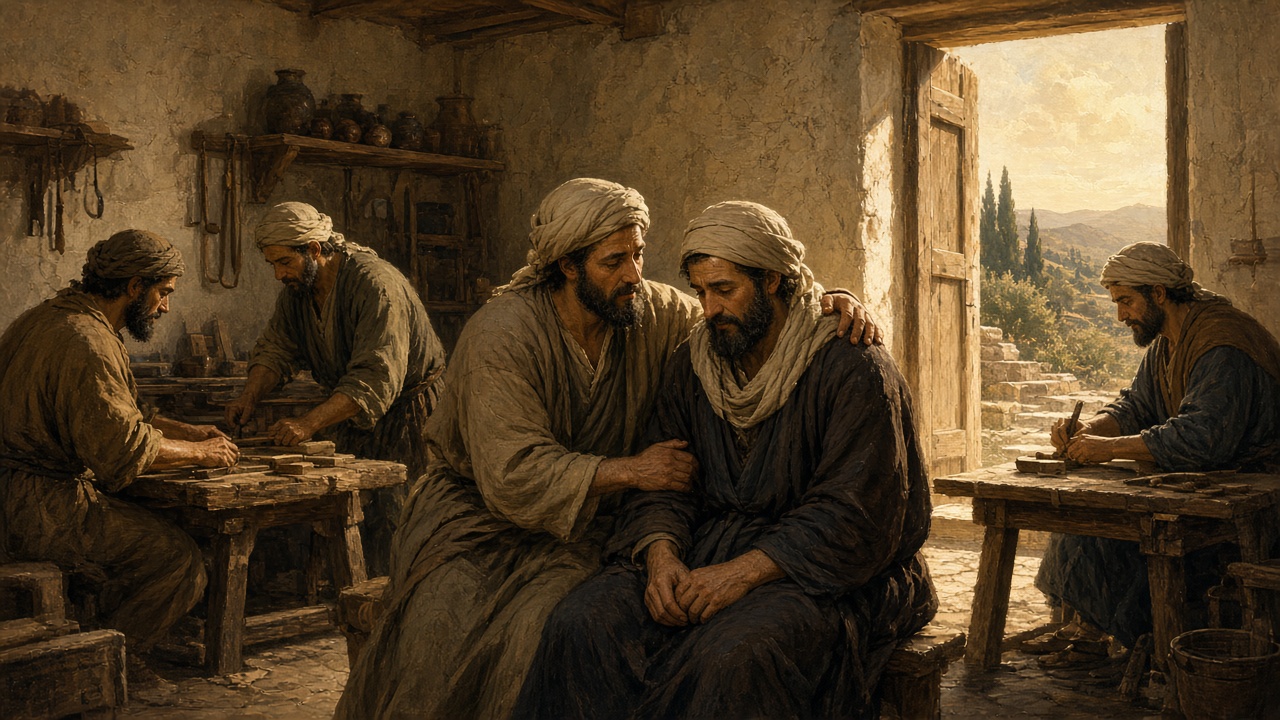
- Se exhorta a los lectores a aspirar a una vida tranquila, a ocuparse de sus propios asuntos y a trabajar con sus propias manos, como ya se les había instruido. El capítulo presenta esto como la manera de comportarse debidamente ante los de afuera y de no depender de nadie.Fuentes: el propio texto bíblico
Notas escritas con ayuda de IA a partir de fuentes abiertas (Theographic Bible Metadata, CC BY-SA 4.0; Easton’s Bible Dictionary, dominio público) y revisadas antes de publicarse.
Lugares de este capítulo
- Macedonia · 41.600, 22.540 · versículo 10
Solo aparecen lugares identificados con alta confianza (90 % o más según las fuentes académicas reunidas por OpenBible). Mapa de la época: DARE (Digital Atlas of the Roman Empire), CC BY 4.0; mapa actual: © colaboradores de OpenStreetMap; lugares: OpenBible.info (CC BY 4.0).
Créditos y licencia de esta traducción
Iwo Surua Mua Wie Pha Bible
The Holy Bible in the Bugun language of India, first Bible translation
copyright © 2023 The Word for the World International
Language: Kho (Bugun)
Contributor: The Word for the World Southeast Asia
The New Testament in Bugun
published as
IWO SURUA
Mua Wie Pha Bible
The Word For The World International
This translation is made available to you under the terms of the
Creative Commons Attribution license 4.0.
You may share and redistribute this Bible translation or extracts from it in any format, provided that:
You include the above copyright and source information.
If you make any changes to the text, you must indicate that you did so in a way that makes it clear that the original licensor is not necessarily endorsing your changes.
Pictures included with Scriptures and other documents on this site are licensed just for use with those Scriptures and documents.
For other uses, please contact the respective copyright owners.
Note that in addition to the rules above, revising and adapting God's Word involves a great responsibility to be true to God's Word. See Revelation 22:18-19.
2023-08-31
Fuente: http://ebible.org/bgg/ · eBible.org