Romanos 15
Bibeli Gusunɔn Gari · Toca un versículo para ver sus referencias cruzadas.
A koowo ye n koo ɡɑbu dore
1Tɛ̃ bɛsɛ be sɑ dɑm mɔ, n weenɛ su be bɑ kun dɑm mɔn dɑm sɑriru sɔbe, kpɑ su ku ɡɔsi ye n ko n sun dore bɛsɛ tɔnɑ. 2Bɛsɛn bɑɑwure u de u ko ye n koo win beruse dore, ye n koo mɑɑ nùn ɡeɑ kuɑ, kpɑ u kɑ tɑ̃si. 3Domi bɑɑ Kirisin tii u ǹ ɡɔsɑ ye n dɑ nùn dore, ɑdɑmɑ nɡe mɛ bɑ yoruɑ, u Gusunɔ sɔ̃ɔwɑ u nɛɛ, “Be bɑ nun wɔmmɔ, ben wɔmɑ wɔri nɛ sɔɔ.” 4Kpuro ye bɑ yoruɑ yellu, bɑ yoruɑwɑ bu kɑ sun bwisi kɛ̃, kpɑ sɑ n kɑ yĩiyɔbu mɔ sɑɑ Gusunɔn ɡɑrin di yi yi sun tɛmɑnɑbu kɑ dɑm kɛ̃mɔ. 5Gusunɔ wi u tɛmɑnɑbu kɑ dɑm kɛ̃nu wɛ̃ɛmɔ, u de i n nɔɔ nɛ bɛɛn tii tiinɛ sɔɔ nɡe mɛ i wɑ Kirisi u kuɑ. 6Kpɑ bɛɛ kpuro i nɔɔ tiɑ ko i kɑ nùn bɛɛrɛ wɛ̃ sɑnnu sɑnnu wi u sɑ̃ɑ bɛsɛn Yinni Yesu Kirisin Bɑɑbɑ, kɑ mɑɑ win Yinni.
Lɑbɑɑri ɡeɑ
bwesenu kpuron sɔ̃
7Yen sɔ̃, i n wurɑnɑmɔ nɡe mɛ Kirisi u bɛɛ wurɑ kpɑ i kɑ Gusunɔ bɛɛrɛ wɛ̃. 8Nɑ bɛɛ sɔ̃ɔmɔ mɑ Kirisi u kuɑ Yuubɑn sɔm kowo u kɑ nɔɔ mwɛɛnu yibiɑ ni bɑ bɑɑbɑbɑ kuɑ, kpɑ u sɔ̃ɔsi mɑ Gusunɔ u sɑ̃ɑ ɡemɡii. 9Kpɑ tɔn tukobu bu nùn bɛɛrɛ wɛ̃ win wɔnwɔndun sɔ̃ nɡe mɛ win ɡɑri ɡeruɑ yi nɛɛ,
“Yen sɔ̃nɑ, kon nun siɑrɑ bwesenun suunu sɔɔ.
Kpɑ n womu ko n kɑ wunɛn yĩsiru bɛɛrɛ wɛ̃.”
10Yi kpɑm nɛɛ,
“Bɛɛ tɔn tukobu,
i nuku dobu koowo kɑ win tɔmbu sɑnnu.”
11Mɑ yi mɑɑ nɛɛ,
“Bɛɛ bwesenu kpuro,
i Yinni Gusunɔ siɑro.
Bɛɛ hɑnduniɑɡibu kpuro,
i nùn bɛɛrɛ wɛ̃ɛyɔ.”
12Gusunɔn sɔmɔ Esɑi mɑɑ nɛɛ,
“Isɑin bweserun di,
ɡoo u koo se nɡe dɑ̃ɑ kpii pɔturɑ.
Kpɑ u ko tɔn tukobun sunɔ.
Kpɑ bɑ n yĩiyɔbu mɔ wi sɔɔ.”
13Kpɑ Gusunɔ wi u sun yĩiyɔbu wɛ̃ɛmɔ u bɛɛ nuku dobu kpuro kɑ bɔri yɛndu kpuro yibiɑ bɛɛn nɑɑnɛ dokebun sɔ̃ kpɑ i n yĩiyɔbu mɔ n bɑnde sɑɑ Hunde Dɛɛron dɑm di.
Pɔlu u yoruɑ kɑ toro sindu
14Nɛɡibu, ǹ n bɛɛn sɔ̃n nɑ, nɑ yɛ̃ kɑm kɑm nɛn tii mɑ i tɔn ɡeeru kɑ yɛ̃ru mɔ tɑ kpɑ̃, i ko mɑɑ kpĩ i bwisi kɛ̃ɛnɑ. 15Kɑ mɛ, kɑ toro sindɑ nɑ bɛɛ tire ten ɡɑm kɑ ɡɑm yoruɑ, n kɑ bɛɛ ɡɑri yɑɑyɑsiɑ durom sɑɑbu mɛ Gusunɔ u mɑn kuɑ 16nɑ kɑ sɑ̃ɑ Kirisi Yesun sɔm kowo tɔn tukobun sɔ̃. Nɑ Gusunɔn Lɑbɑɑri ɡeɑn wɑɑsu mɔ̀ nɡe yɑ̃ku kowo, kpɑ tɔn tukobu bɑ n kɑ sɑ̃ɑ yɑ̃ku te tɑ koo nùn wɛ̃re, te Hunde Dɛɛro u dɛɛrɑsiɑ u yi. 17Yen sɔ̃, nɡe mɛ nɑ ɡbinnɛ kɑ Yesu Kirisi, n kɑ mɑn nɛ n tii siɑrɑ nɛn sɔmburun sɔ̃ te nɑ Gusunɔ kuɑmmɛ. 18Domi nɑ ǹ kɑ̃kɔ n ɡɑ̃ɑnun ɡɑri ɡere mɑ n kun mɔ ye Kirisi u kuɑ nɛn ɡɑri ɡerubu kɑ nɛn kookoosun di tɔn tukobu bu kɑ Gusunɔ mɛm nɔɔwɑ. 19U ye kuɑ kɑ yĩrenu kɑ sɔm mɑɑmɑɑkiɡinun dɑm sɑɑ Hunde Dɛɛron dɑm di. Nɡe mɛyɑ sɑɑ Yerusɑlɛmun di sere n kɑ dɑ Iliri ɡiɑ, nɑ Kirisin Lɑbɑɑri ɡeɑn wɑɑsu kuɑ nɑ kɑ sikerenɑ. 20Mɑ nɑ kookɑri kuɑ n kɑ Lɑbɑɑri ɡeɑ nɔɔsiɑ mi bɑ ǹ dɑɑ Kirisin yĩsiru sokure, kpɑ n ku kɑ bɑni ɡɑbun kpɛɛkpɛɛku wɔllɔ. 21Adɑmɑ nɡe mɛ bɑ yoruɑ,
“Bèn mi bɑ ǹ dɑɑ win ɡɑri ɡerure,
bɑ koo yɑm wɑ.
Be bɑ kun dɑɑ mɑɑ win bɑɑru nɔɔre,
n ko n bu yeeri.”
Pɔlu u Romu dɑɑrun ɡɑri mɔ̀
22Yeyɑ yɑ mɑn nɔn dɑbinu yinɑri nɑ ǹ kɑ nɛ bɛɛn mi. 23Adɑmɑ tɛ̃ nɑ ǹ mɑɑ ɑyeru mɔ tem mì sɔɔ n kɑ wɑɑsu ko, nɑ mɑɑ kĩ n nɑ bɛɛn mi sɑɑ wɔ̃ɔ dɑbinun di 24nɑ̀ n dɔɔ Ɛsipɑni ɡiɑ. Nɑ̀ n sɑrɔ nɑ yĩiyɔ kon bɛɛ wɑ kpɑ n sɔ̃ɔ mɛɛru ko bɛɛn mi. Yen biru kpɑ i mɑn nɔmɑ kɛ̃ n kɑ dɑ tem mi. 25Tɛ̃ nɑ dɔɔ Yerusɑlɛmuɔ n kɑ nɑɑnɛ dokeobu nɔɔri. 26Domi Mɑsedɔniɡibu kɑ Gɛrɛkibɑ bɑ ɡobi sɔkuɑ kɑ kĩru, sɑ̃ɑrobun sɔ̃ be bɑ wɑ̃ɑ nɑɑnɛ dokeobun suunu sɔɔ Yerusɑlɛmuɔ. 27Bɑ kuɑ kɑ kĩru, yɑ mɑɑ sɑ̃ɑ ben dibu. Domi Yuubɑ bɑ̀ n ben hunden dukiɑ bɔnu kuɑ kɑ tɔn tukobu, n weenɛ tɔn tukobun tii bu mɑɑ be nɔɔri kɑ ben hɑnduniɑn dukiɑ. 28Nɑ̀ n yeni kpɑ, nɑ̀ n bu wɛ̃ ye bɑ sɔkuɑ, kon nɑ bɛɛn mi nɑ n kɑ sɑrɔ Ɛsipɑni ɡiɑ. 29Nɑ yɛ̃ mɑ nɑ̀ n nɑ bɛɛn mi, kɑ Kirisin domɑ bɑkɑrɑ kon kɑ nɑ.
30Nɛɡibu, nɑ bɛɛ hɑniɑ koosiɑmɔ bɛsɛn Yinni Yesu Kirisin sɔ̃ kɑ Hunde Dɛɛron kĩrun sɔ̃, i n kɑ mɑn tɑbu mɔ̀ kɑ kɑnɑru. 31I Gusunɔ kɑnɔ u mɑn wɔrɑ sɑɑ nɑɑnɛ doke sɑriruɡibun nɔmɑn di be bɑ wɑ̃ɑ Yudeɑɔ, kpɑ nɑɑnɛ dokeobu bu kɛ̃ɛ te mwɑ kɑ nuku dobu te nɑ kɑ dɔɔ Yerusɑlɛmuɔ. 32Nɡe mɛyɑ nɑ kon turi bɛɛn mi kɑ nuku dobu yɑ̀ n sɑ̃ɑ Gusunɔn kĩru, kpɑ n wɛ̃rɑ fiiko bɛɛn suunu sɔɔ. 33Gusunɔ wi u ɑlɑfiɑ wɛ̃ɛmɔ, u n kɑ bɛɛ kpuro wɑ̃ɑ. Ami.
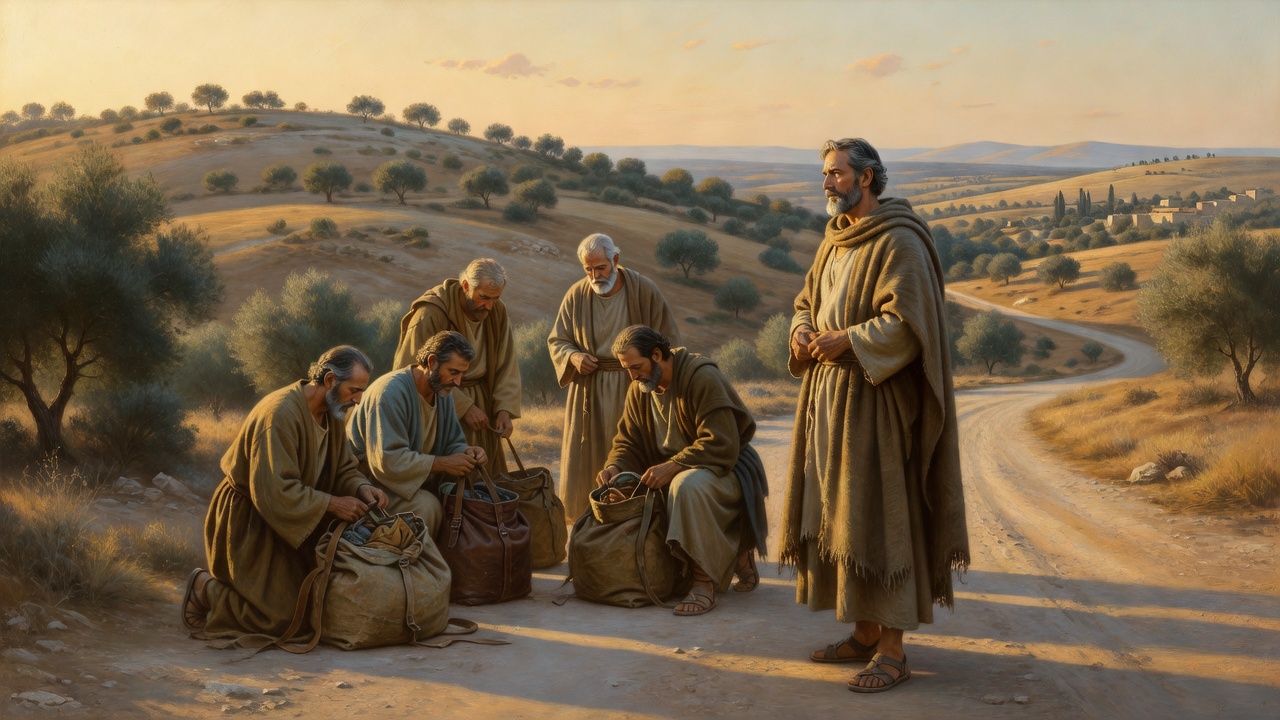
¿Sabías que…?
La esperanza de los gentiles y el camino hacia el oeste
- Pablo escribe que ha proclamado plenamente el evangelio de Cristo desde Jerusalén, dando toda la vuelta hasta Ilírico. El diccionario bíblico de Easton (1897) sitúa esa región al noroeste de Macedonia, en las costas orientales del Adriático, y la describe como entonces comprendida casi por completo en Dalmacia; dice que la recorrió en su tercer viaje misionero, que fue el distrito más lejano al que había llegado predicando, y que un viaje por Macedonia lo habría llevado hasta sus fronteras.Fuentes: el propio texto bíblico · Illyricum
- Espera ver a los creyentes de Roma de camino a España y, después de entregar en Jerusalén la contribución de Macedonia y Acaya, partir hacia España pasando por ellos. El diccionario bíblico de Easton (1897) registra esa intención, pero señala que no hay evidencia de que la haya llevado a cabo, aunque algunos piensan que probablemente lo hizo entre su primer y su segundo encarcelamiento.Fuentes: el propio texto bíblico · Spain
- Citando a Isaías, dice que la Raíz de Isaí aparecería y se levantaría para gobernar a los gentiles, y que los gentiles pondrían en él su esperanza. Isaí fue el padre de David, y el diccionario bíblico de Easton (1897) dice que la expresión raíz de Isaí se usa para el Mesías, mientras que tallo de Isaí se usa para la familia de David.Fuentes: el propio texto bíblico · Jesse
Notas escritas con ayuda de IA a partir de fuentes abiertas (Theographic Bible Metadata, CC BY-SA 4.0; Easton’s Bible Dictionary, dominio público) y revisadas antes de publicarse.
Lugares de este capítulo
- Illyricum · 43.539, 16.483 · versículo 19
- Jerusalem · 31.777, 35.234 · versículos 19, 25, 26, 27, 31
- Rome · 41.892, 12.485 · versículo 24
- Spain · Hoy: Hispania · 40.210, -4.350 · versículos 24, 28
- Achaia · 38.720, 22.540 · versículo 26
- Macedonia · 41.600, 22.540 · versículo 26
- Judea · Hoy: Judea 1 · 31.777, 35.234 · versículo 31
Solo aparecen lugares identificados con alta confianza (90 % o más según las fuentes académicas reunidas por OpenBible). Mapa de la época: DARE (Digital Atlas of the Roman Empire), CC BY 4.0; mapa actual: © colaboradores de OpenStreetMap; lugares: OpenBible.info (CC BY 4.0).
Créditos y licencia de esta traducción
Bibeli Gusunɔn Gari
The Holy Bible in the Baatonum language of Benin, also called the Bariba language
copyright © 2013 SIM
Language: Bariba (Baatonum)
Translation by: SIM International
Bariba, Bibeli Gusunɔn Gari
This translation, published by the UEEB/SIM au Benin, was published in 1996.
If you are interested in obtaining a printed copy, please contact the SIM at SIM, BP 15, Parakou, Benin.
This translation text is made available to you under the
terms of the Creative Commons License: Attribution-Noncommercial-No Derivative Works.
( http://creativecommons.org/licenses/by-nc-nd/3.0/ )
In addition, you have permission to port the text to different file formats, as long as you
do not change any of the text or punctuation of the Bible.
You may share, copy, distribute, transmit, and extract portions
or quotations from this work, provided that you include the above copyright
information:
You must give Attribution to the work.
You do not sell this work for a profit.
You do not make any derivative works that change any of the actual words or punctuation of the Scriptures.
Permissions beyond the scope of this license may be
available if you contact
us with your request.
This translation is made available to you under the terms of the
Creative Commons Attribution-Noncommercial-No Derivatives license 4.0.
You may share and redistribute this Bible translation or extracts from it in any format, provided that:
You include the above copyright and source information.
You do not sell this work for a profit.
You do not change any of the words or punctuation of the Scriptures.
Pictures included with Scriptures and other documents on this site are licensed just for use with those Scriptures and documents.
For other uses, please contact the respective copyright owners.
2014-09-10
Fuente: http://ebible.org/bba/ · eBible.org