Salmos 17
Bibeli Gusunɔn Gari · Toca un versículo para ver sus referencias cruzadas.
1Dɑfidin kɑnɑru.
Yinni Gusunɔ, ɑ nɛn weeweenu nɔɔwɔ,
nɑ kĩwɑ ɑ mɑn ɡem wɛ̃.
Yinni Gusunɔ, ɑ swɑɑ tem kpĩiyɔ ɑ nɔ,
wunɛn somirɑ nɑ kĩ.
A nɛn kɑnɑru nɔɔwɔ,
nɛn ɡɔ̃run diyɑ tɑ wee.
2A mɑn sirio,
ɑ yɛ̃ mɑ nɑ ɡem mɔ.
3Wɔ̃kuru, ɑ nɑ nɛn mi,
ɑ wɛ̃ɛrɑ ye nɑ bwisikumɔ,
ɑ wɛ̃ɛrɑ ye nɑ ɡerumɔ,
ɑdɑmɑ ɑ ǹ torɑru ɡɑru wɑ.
4A wɑ mɑ nɛn dɑɑ yɑ ǹ tiɑ kɑ ɡɑbuɡiɑ.
Nɑ wunɛn ɡɑri mɛm nɔɔwɑ.
Nɑ ǹ tɔn kɔ̃sobun yirɑ swĩi.
5Nɑ yɔ̃rɑwɑ dim dim wunɛn swɑɑ sɔɔ.
Nɑ ǹ ɡɛrɑre yen min di.
6Tɛ̃, wunɑ nɑ soku, Yinni Gusunɔ.
A mɑn wisio.
A nɛn ɡɑri nɔɔwɔ.
7A mɑn wunɛn durom bɑkɑm sɔ̃ɔsio,
domi ɑ rɑ be bɑ nun nɑɑnɛ sɑ̃ɑ wɔre ben yibɛrɛbɑn nɔmɑn di.
8A nɛn lɑɑkɑri koowo
nɡe mɛ tɔnu u rɑ n win nɔnin lɑɑkɑri mɔ.
A mɑn beruo
nɡe mɛ ɡuɑ yɑ rɑ yen binu bere yen kɑsɑ sɔɔ.
9Domi tɔn kɔ̃sobɑ mɑn nɔni sɔ̃ɔmɔ,
yibɛrɛbɑ bɑ mɑn sikerenɛ, bɑ kĩ bu mɑn ɡo.
10Bɑ nuki sosu bɑ ǹ wɔnwɔndu mɔ.
Bɑ ɡɑri mɔ̀ kɑ tii suɑbu.
11Be wee bɑ sɑ̃ɑ nɡe ɡbee sunɔ ɡe ɡɑ yɑɑ mɑrɑ ɡu kɑsuku.
Bɑ nɛn yirɑ swĩi.
Bɑ mɑn nɑɑmwɛ bɑ kooro bure,
bɑ mɑn nɔni ɡirɑri bu kɑ mɑn ɡɑbɑ bu surɑ.
13Yinni Gusunɔ, ɑ seewo ɑ bu wɔri,
ɑ ben dɑm buo.
A mɑn wɔro ben nɔmɑn di.
A bu ɡoowo kɑ wunɛn tɑkobi.
14A ben wɑ̃ɑrun dɛ̃ɛbu kɑwo.
A de bu ben dɑɑ kɔ̃sɑ kpuron ɑre wɑ,
kpɑ yi n bu wɑ̃ɑsi sere kɑ ben bibun bibɔ.
15Adɑmɑ nɛ, nɑ̀ n seewɑ, kon wunɛn wuswɑɑ wɑ yèn sɔ̃ nɑ dɛɛre,
kpɑ nɑ n nuku dobu yibɑ.
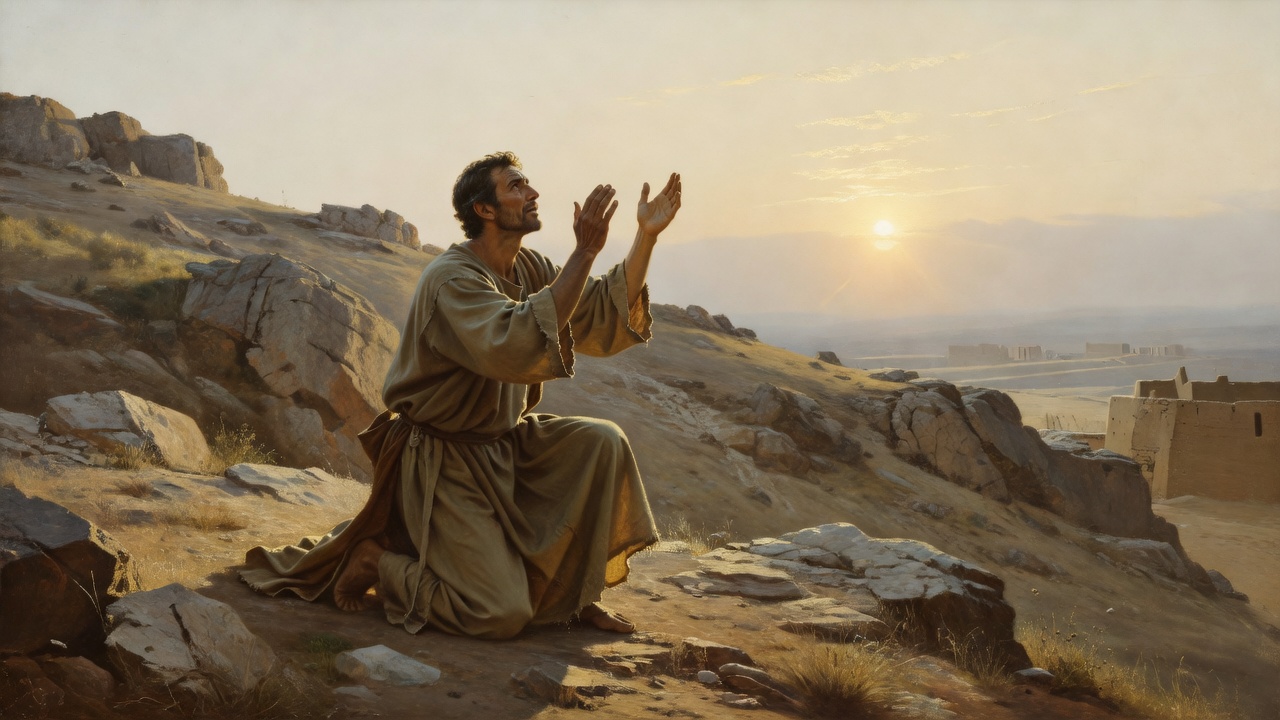
¿Sabías que…?
Una oración por protección y vindicación
- El salmo recurre a metáforas vívidas de intimidad y amparo divino, pidiendo a Dios que guarde al suplicante como a la niña de sus ojos y lo esconda a la sombra de sus alas.Fuentes: el propio texto bíblico
- El autor describe el peligro de los perseguidores hostiles mediante imágenes de depredación, comparándolos con un león feroz agazapado al acecho para desgarrar a su presa.Fuentes: el propio texto bíblico
Notas escritas con ayuda de IA a partir de fuentes abiertas (Theographic Bible Metadata, CC BY-SA 4.0; Easton’s Bible Dictionary, dominio público) y revisadas antes de publicarse.
Créditos y licencia de esta traducción
Bibeli Gusunɔn Gari
The Holy Bible in the Baatonum language of Benin, also called the Bariba language
copyright © 2013 SIM
Language: Bariba (Baatonum)
Translation by: SIM International
Bariba, Bibeli Gusunɔn Gari
This translation, published by the UEEB/SIM au Benin, was published in 1996.
If you are interested in obtaining a printed copy, please contact the SIM at SIM, BP 15, Parakou, Benin.
This translation text is made available to you under the
terms of the Creative Commons License: Attribution-Noncommercial-No Derivative Works.
( http://creativecommons.org/licenses/by-nc-nd/3.0/ )
In addition, you have permission to port the text to different file formats, as long as you
do not change any of the text or punctuation of the Bible.
You may share, copy, distribute, transmit, and extract portions
or quotations from this work, provided that you include the above copyright
information:
You must give Attribution to the work.
You do not sell this work for a profit.
You do not make any derivative works that change any of the actual words or punctuation of the Scriptures.
Permissions beyond the scope of this license may be
available if you contact
us with your request.
This translation is made available to you under the terms of the
Creative Commons Attribution-Noncommercial-No Derivatives license 4.0.
You may share and redistribute this Bible translation or extracts from it in any format, provided that:
You include the above copyright and source information.
You do not sell this work for a profit.
You do not change any of the words or punctuation of the Scriptures.
Pictures included with Scriptures and other documents on this site are licensed just for use with those Scriptures and documents.
For other uses, please contact the respective copyright owners.
2014-09-10
Fuente: http://ebible.org/bba/ · eBible.org