Proverbios 30
Bibeli Gusunɔn Gari · Toca un versículo para ver sus referencias cruzadas.
1Aɡuri, Yɑken biin ɡɑri wee yi u ɡeruɑ Itiɛli kɑ Itiɛli kɑ Ukɑlin sɔ̃.
2U nɛɛ,
ɡeemɑ nɛnɑ nɑ ɡɑri bɑkɑru bo tɔmbu sɔɔ.
Nɑ ǹ tɔnun bwisi mɔ.
3Goo kun mɑn bwisi kɛ̃ɛre
yi yi koo de n Gusunɔ Dɛɛro ɡiɑ.
4Wɑrɑ u wɔllu dɑɑre.
Wɑrɑ u sɑrɑmɑre wɔllun di.
Wɑrɑ u woo nɔmɑ nɛnure.
Wɑrɑ u nim kurusire win yɑ̃nu sɔɔ.
Wɑrɑ u tem nɔɔ burɑ yenu kuɑ.
Amɔnɑ win yĩsiru. Amɔnɑ win biin yĩsiru. A yɛ̃?
5Gusunɔn nɔɔ mwɛɛnu kpuro nu nɑɑnɛ mɔ. Wi u kukuɑ win mi, u sɑ̃ɑwɑ yɛ̃ron tɑrɑkpe. 6A ku ɡɑri ɡɛɛ sosi win ɡɑri sɔɔ. À n kuɑ mɛ, ɑ weesu kuɑwɑ, kpɑ u nun sɛɛyɑsiɑ.
7Yinni Gusunɔ, ɡɑ̃ɑnu yiru yeniwɑ nɑ nun kɑnɑmɔ. A mɑn nu kɛ̃ɛyɔ nɑ n nu mɔ sere n kɑ ɡbi. 8Niyɑ, ɑ ku de nɑ n sɑ̃ɑ wee kowo, kpɑ n ku tɔmbu nɔni wɔ̃ke. A ku mɑɑ de nɑ n sɑ̃ɑ sɑ̃ɑro ǹ kun mɛ ɡobiɡii. A ɡesi mɑn wɛ̃ɛyɔ ye kon di nɑ n kɑ wɑ̃ɑ. 9Domi nɑ̀ n ɑrumɑni wɑ too, kon nun siki n nɛɛ, wɑrɑ rɑ n wunɛ, Yinni Gusunɔ. Mɛyɑ nɑ̀ n mɑɑ kuɑ sɑ̃ɑro, kon dɑ n ɡbɛni kpɑ n wunɛn yĩsiru sɑnku.
10A ku sɔm kowo ɡɑri weesuɡii mɑni win yinnin mi, kpɑ u ku rɑɑ nun bɔ̃rusi, kpɑ bɔ̃ri yi, yi nun di.
11Gɑbɑ wɑ̃ɑ bɑ rɑ ben tundo bɔ̃rusiwɑ kpɑ bu ben mɛron kɔ̃sɑ ɡere.
12Gɑbɑ wɑ̃ɑ bɑ rɑ n tɑmɑɑ bɑ dɛɛrewɑ, ɑdɑmɑ bɑ ǹ dɛɛre.
13Gɑbɑ wɑ̃ɑ bɑ rɑ n tii sue kpɑ bɑ kun ɡoo ɡɑrɑ.
14Gɑbɑ wɑ̃ɑ ben donnu nu sɑ̃ɑwɑ nɡe tɑkobi, mɑ ben bɑɑ sɑburosu su sɑ̃ɑ nɡe wobɑ bu kɑ wɔnwɔndobu kɑ sɑ̃ɑrobu wɔri bu ben yɑ̃nu ɡurɑ.
Mɔnnu ɡɑnu
15Kɔkɔ te tɑ rɑ yɛm nɔ tɑ wɔndiɑbɑ yiru mɔ be bɑ rɑ soku, ɑ sun wɛ̃ɛmɑ, ɑ sun wɛ̃ɛmɑ. Gɑ̃ɑnu nnɛ ɡɑɑ wɑ̃ɑ yɑ ku rɑ debu. Niyɑ,
ɡɔribun wɑ̃ɑ yeru,
kɑ tɔn kurɔ wĩro,
kɑ tem ɡbebum,
kɑ sere mɑɑ dɔ̃ɔ wi u ku rɑ nɛɛ, u den debɑ.
17Wi u win tundo yɑɑkoru mɔ̀ mɑ u win mɛro ɡɛmɑ, ɡunɔ bɑkeru tɑ koo win nɔni wɔwɑ, kpɑ yɑberekunu nu win yɑɑ di.
18Gɑ̃ɑnu itɑwɑ nu wɑ̃ɑ ni nu ku rɑ mɑn yeeri, niyɑ
nɡe mɛ ɡunɔ bɑkeru tɑ rɑ n kɑ yɔ̃ɔwɑ,
kɑ nɡe mɛ wɑɑ yɑ kɑ sĩimɔ kpee sɑɑrɑ wɔllɔ,
kɑ nɡe mɛ ɡoo nimkuu ɡɑ kɑ sĩimɔ nim wɔ̃ku wɔllɔ.
Gɑ̃ɑnu nnɛse mɑɑ wɑ̃ɑ, niyɑ
kĩi te tɑ rɑ tɔn durɔ sure tɔn kurɔn mi ɡiɑ.
20Kurɔ tɑnɔ ù n sɑkɑrɑru kuɑ u kpɑ, u rɑ woburewɑ kpɑ u nɛɛ, u ǹ kɔ̃sɑ ɡɑɑ kue, kpɑ u n sɔ̃ nɡe wi u di u kpɑ u nɔɔ wokɑmɔ.
21Gɑ̃ɑnu nnɛwɑ yɑ wɑ̃ɑ ye yɑ ku rɑ kɑ tɔmbu nɑɑwɛ. Niyɑ,
yoo ù n kuɑ sinɑ boko,
kɑ ɡɑri bɔkɔ ù n di u debɑ,
kɑ kurɔ wi bɑ ɡɔburu wɑ ù n durɔ wɑ,
kɑ mɑɑ tɔn kurɔ yoo wi u win yinni durɔ mwɑɑri.
24Yɛɛ bwese piiminu nnɛ yi wɑ̃ɑ yi yi bwisi mɔ too.
25Gbiikɑɑ tɑni. Yi ǹ dɑm mɔ ɑdɑmɑ yi rɑ yin dĩɑnu ɡurewɑ ɡɛ̃ɛbun sɑɑ sɔɔ.
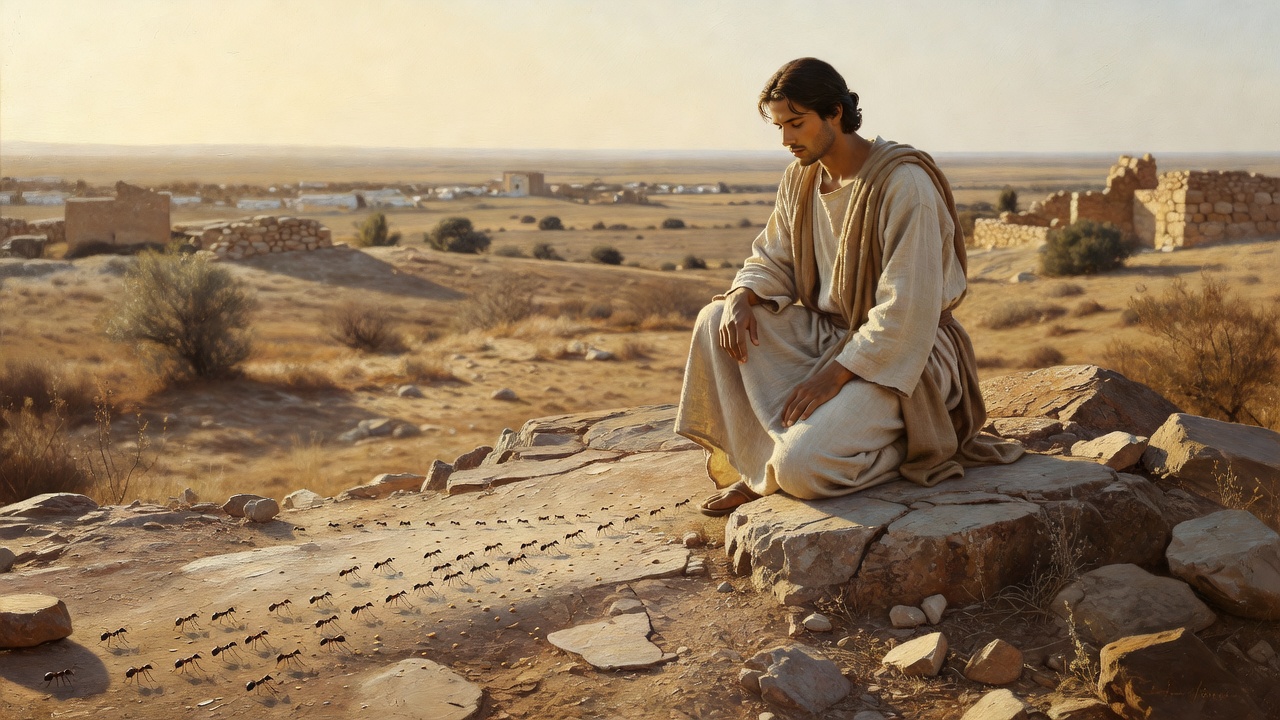
26Yiruse, yɑɑ ɡɑɑ ye yɑ kɑ sɑɑtɑburu nɛ ye bɑ rɑ soku dɑmɑɑ. Yɑ ǹ dɑm ɡɑm mɔ, ɑdɑmɑ yɑ rɑ yen wɑ̃ɑ yeru kowɑ ɡuurɔ.
27Itɑse twee. Yi ǹ sunɔ mɔ, ɑdɑmɑ kɑ mɛ, yi rɑ yɑriwɑ wuu wuukɑ.
28Nnɛse bɔsu. Kɑɑ kpĩ ɑ ɡe mwɑ, ɑdɑmɑ ɡɑ rɑ kpĩ ɡu du sere sinɑmbun dii sɔɔwɔ.
29Hunde koni nnɛ ɡɛɛ wɑ̃ɑ yèn sɑnum mu nɑnum mɔ. Niyɑ,
ɡbee sunɔ ɡe ɡɑ yɛɛ kpuro bwisi kere,
ɡɑ ku rɑ mɑɑ biru wure ɡoon wuswɑɑn di,
kɑ ɡoo dɔɔ ɡe ɡɑ wiru yɔ̃rɑsie,
kɑ boo kinɛ yeburu te tɑ rɑ sɑnnɛ,
kɑ sinɑ boko wi u wɑ̃ɑ win tɑbu kowobun suunu sɔɔ.
32À n tii wɔlle suɑ, ɑ ɡɑri bɑkɑ kookoosu kuɑwɑ. Mɑ ɑ kɔ̃sɑ bwisikɑ ɑ de ɑ wunɛn nɔɔ kpĩ. 33Domi bɑ̀ n bom swɛ̃, mɛn ɡum mu rɑ ɡɛrewɑ. Bɑ̀ n tɔnun wɛ̃ru so, yɛmɑ mu rɑ yɑri. Mɛyɑ mɑɑ ɑ̀ n tɔnun mɔru seeyɑ, sɑnnɔwɑ yɑ koo mɑ.
Bɑ sinɑ boko bwisi kɛ̃mɔ
¿Sabías que…?
Los Dichos de Agur
- Proverbios 30 se atribuye a Agur, hijo de Jaqué, quien dirigió sus palabras a Itiel y Ucal. Más allá de lo que está registrado en este capítulo, no se sabe nada más acerca de Agur o de su padre.Fuentes: Agur · Jakeh · Ucal · el propio texto bíblico
- El capítulo utiliza con frecuencia un patrón numérico graduado ('tres cosas... cuatro que...') para agrupar observaciones sobre la naturaleza y la conducta humana. Agur aplica esta estructura a maravillas de la creación, alteraciones sociales, seres de andar imponente y cuatro pequeñas criaturas que muestran una notable sabiduría: hormigas, damanes, langostas y lagartijas.Fuentes: el propio texto bíblico
- Agur hace una petición específica de dos partes, pidiendo que no se le dé ni pobreza ni riquezas, sino solo su porción diaria de comida. Explica que tener en abundancia podría llevar a alguien a negar al Señor, mientras que caer en la pobreza podría tentar a la persona a robar.Fuentes: el propio texto bíblico
Notas escritas con ayuda de IA a partir de fuentes abiertas (Theographic Bible Metadata, CC BY-SA 4.0; Easton’s Bible Dictionary, dominio público) y revisadas antes de publicarse.
Créditos y licencia de esta traducción
Bibeli Gusunɔn Gari
The Holy Bible in the Baatonum language of Benin, also called the Bariba language
copyright © 2013 SIM
Language: Bariba (Baatonum)
Translation by: SIM International
Bariba, Bibeli Gusunɔn Gari
This translation, published by the UEEB/SIM au Benin, was published in 1996.
If you are interested in obtaining a printed copy, please contact the SIM at SIM, BP 15, Parakou, Benin.
This translation text is made available to you under the
terms of the Creative Commons License: Attribution-Noncommercial-No Derivative Works.
( http://creativecommons.org/licenses/by-nc-nd/3.0/ )
In addition, you have permission to port the text to different file formats, as long as you
do not change any of the text or punctuation of the Bible.
You may share, copy, distribute, transmit, and extract portions
or quotations from this work, provided that you include the above copyright
information:
You must give Attribution to the work.
You do not sell this work for a profit.
You do not make any derivative works that change any of the actual words or punctuation of the Scriptures.
Permissions beyond the scope of this license may be
available if you contact
us with your request.
This translation is made available to you under the terms of the
Creative Commons Attribution-Noncommercial-No Derivatives license 4.0.
You may share and redistribute this Bible translation or extracts from it in any format, provided that:
You include the above copyright and source information.
You do not sell this work for a profit.
You do not change any of the words or punctuation of the Scriptures.
Pictures included with Scriptures and other documents on this site are licensed just for use with those Scriptures and documents.
For other uses, please contact the respective copyright owners.
2014-09-10
Fuente: http://ebible.org/bba/ · eBible.org