Proverbios 11
Bibeli Gusunɔn Gari · Toca un versículo para ver sus referencias cruzadas.
1Yinni Gusunɔ u ku rɑ kɑ̃ bɑ n kiɑnu yĩirumɔ kɑ kilo ye yɑ ǹ sɑ̃ɑ dee dee, ɑdɑmɑ u kĩwɑ bɑ n yĩirumɔ kɑ ye yɑ sɑ̃ɑ dee dee.
2Tii suɑbu bu rɑ kɑ ɡɛndu nɛwɑ. Be bɑ tii kɑwe berɑ bɑ bwisi mɔ.
3Gemɡiin ɡem kobu bu rɑ nùn kpɑrewɑ win wɑ̃ɑru sɔɔ, ɑdɑmɑ wi u ǹ nɑɑnɛ mɔ, u rɑ ɡbiwɑ win weesun sɔ̃.
4Dukiɑ kun kpɛ̃ yu tɔnu wɔrɑ Gusunɔn siribun sɑnɑm, ɑdɑmɑ ɡem mu rɑ tɔnu wɔre ɡɔɔn di.
5Gemɡiin dɛɛrɑru tɑ rɑ dewɑ win swɛɛ yi n wɑ̃, ɑdɑmɑ tɔn kɔ̃so u rɑ kɔ̃ɔrewɑ win nuku kɔ̃surun sɔ̃.
6Gemɡiin dɛɛrɑru tɑ rɑ nùn kɑri ɡbɑrewɑ, ɑdɑmɑ tɔn kɔ̃son tiin binɛ yɑ rɑ nùn yinɑ mwɛwɑ.
7Tɔn kɔ̃so u rɑ ɡbiwɑ kɑ win yĩiyɔbu sɑnnu. Yĩiyɔ bi u rɑɑ doke win dukiɑ sɔɔ, kpɑ bu kɑm ko.
8Gemɡii u rɑ yɑriwɑ nuku sɑnkirɑnun di, kpɑ tɔn kɔ̃so u kɔsire ko ni sɔɔ.
9Wi u Gusunɔn wɑ̃ɑru sikimɔ, u win winsim kpeerɑsiɑmɔwɑ kɑ win ɡɑri, ɑdɑmɑ ɡemɡibu bɑ rɑ yɑriwɑ min di ben yɛ̃run sɔ̃.
10Sɑnɑm mɛ ɡemɡibɑ kuurɑmɔ, wuuɡibu bɑ rɑ n nuku dobu mɔwɑ. Tɔn kɔ̃sobu bɑ̀ n mɑɑ biru wurɑ, bɑ rɑ n yɛ̃ɛrimɔwɑ.
11Gemɡibɑ bɑ rɑ de wuu ɡu kuurɑ, ɑdɑmɑ tɔn kɔ̃sobu bɑ rɑ ɡu ɡowɑ kɑ ben ɡɑri.
12Wi u win winsim ɡɛmɑ u sɑ̃ɑwɑ ɡɑri bɔkɔ, ɑdɑmɑ wi u lɑɑkɑri mɔ, u rɑ mɑriwɑ.
13Wi u rɑ tɔnun kɔ̃sɑ sɑɑri, u ku rɑ tɔmbun ɑsiri bere, ɑdɑmɑ nɑɑnɛɡii u rɑ ye berewɑ win tii sɔɔ.
14Tɔn be bɑ ǹ kpɑro mɔ bɑ rɑ kɑm kowɑ, ɑdɑmɑ be bɑ bwisi kɛ̃ɔ dɑbiru mɔ beyɑ bɑ rɑ n wɑ̃ɑ bɔri yɛndu sɔɔ.
15Wi u nɔɔ mwɛɛru kuɑ u nɛɛ, u koo win winsim dibu kɔsiɑ, u koo wɑhɑlɑ wɑ, ɑdɑmɑ wi u yinɑ u nɔɔ mwɛɛru ko, u ko n wɑ̃ɑwɑ bɔri yɛndu sɔɔ.
16Kurɔ ɡeowɑ u rɑ siɑrɑbu wɑ, ɑdɑmɑ be bɑ tɔmbu dɑm dɔremɔ, dukiɑ tɔnɑwɑ bɑ rɑ wɑ.
17Tɔn ɡeo, ɡeɑ ye u mɔ̀, wi sɔɔrɑ yɑ rɑ wure. Mɛyɑ mɑɑ tɔn kɔ̃so, kɔ̃sɑ ye u mɔ̀, wi sɔɔrɑ yɑ rɑ wure.
18Tɔn kɔ̃son sɔmburun ɑre kun ɑrufɑɑni mɔ, ɑdɑmɑ wi u ɡem swĩi, ɑre ɡeeyɑ u rɑ n mɔ.
19Wi u wurɑ u ɡem swĩi, u ko n wɑ̃ɑwɑ, ɑdɑmɑ wi u kɔ̃sɑ nɑɑ ɡire u koo ɡbiwɑ.
20Yinni Gusunɔ u tɔn kɔ̃sobu tusɑ, ɑdɑmɑ bèn sɑnu sɑnusu dɛɛre, berɑ u rɑ kɑ nɔnu ɡeu mɛɛri.
21Bɑ koo tɔn kɔ̃sobu sɛɛyɑsiɑwɑ kɑm kɑm, ɑdɑmɑ ɡemɡibu bɑ koo fɑɑbɑ wɑ sere kɑ ben bibun bweserɔ.
22Kurɔ burɔ ɡɑri bɔkɔ u sɑ̃ɑwɑ nɡe kurusɔ ɡe bɑ wurɑn tɑɑbu dokeye wɛ̃rɔ.
23Geɑ ɡemɡii u rɑ n kɑsu u ko, ɑdɑmɑ ye tɔn kɔ̃so u kĩ kpuro, Gusunɔn mɔruwɑ yɑ rɑ seeye.
24Wi u rɑ wɛ̃ kɑ nuku tiɑ, wiyɑ u rɑ ko ɑrumɑniɡii. Wi u ku rɑ mɛnɑm kɑ̃, u rɑ tii sɑ̃ɑru kpɛ̃ɛwɑ.
25Nuku tiɑɡii u koo dukiɑ wɑ n kpɑ̃. Wi u win winsim nim kɑ̃, bɑ koo mɑɑ yɛ̃ro nim kɛ̃.
26Wi u rɑ win dĩɑnu bere ɑre bɛkɛn sɔ̃, wiyɑ bɑ rɑ bɔ̃rusi, ɑdɑmɑ wi u dɔrɑmɔ, wiyɑ bɑ rɑ domɑru kue.
27Wi u ɡeɑ mɔ̀, u koo Gusunɔn domɑru wɑ, ɑdɑmɑ wi u bwisikumɔ u kɔ̃sɑ ko, kɔ̃sɑ yɑ koo yɛ̃ro deemɑ.
28Wi u win nɑɑnɛ doke dukiɑ sɔɔ, u koo wɔrumɑwɑ, ɑdɑmɑ ɡemɡibɑ koo kpɑrɑwɑ nɡe dɑ̃ɑ.
29Wi u kɑ win yɛnu wɑhɑlɑ nɑɑwɑ, u koo kɑm nɑɑ ɡirɑ. Gɑri bɔkɔ u ko n sɑ̃ɑwɑ bwisiɡiin yoo.
30Gem kobu bu sɑ̃ɑwɑ wɑ̃ɑrun nuuru. Bwisiɡii, bwisiyɑ u rɑ kɑ tii tɔmbu ɡɑwe.
31Gemɡii u rɑ win ɑre wɑwɑ tɑrɑ mi. Kɑɑ sere ɡere tɔn kɔ̃so?
¿Sabías que…?
Integridad, riqueza y la comunidad
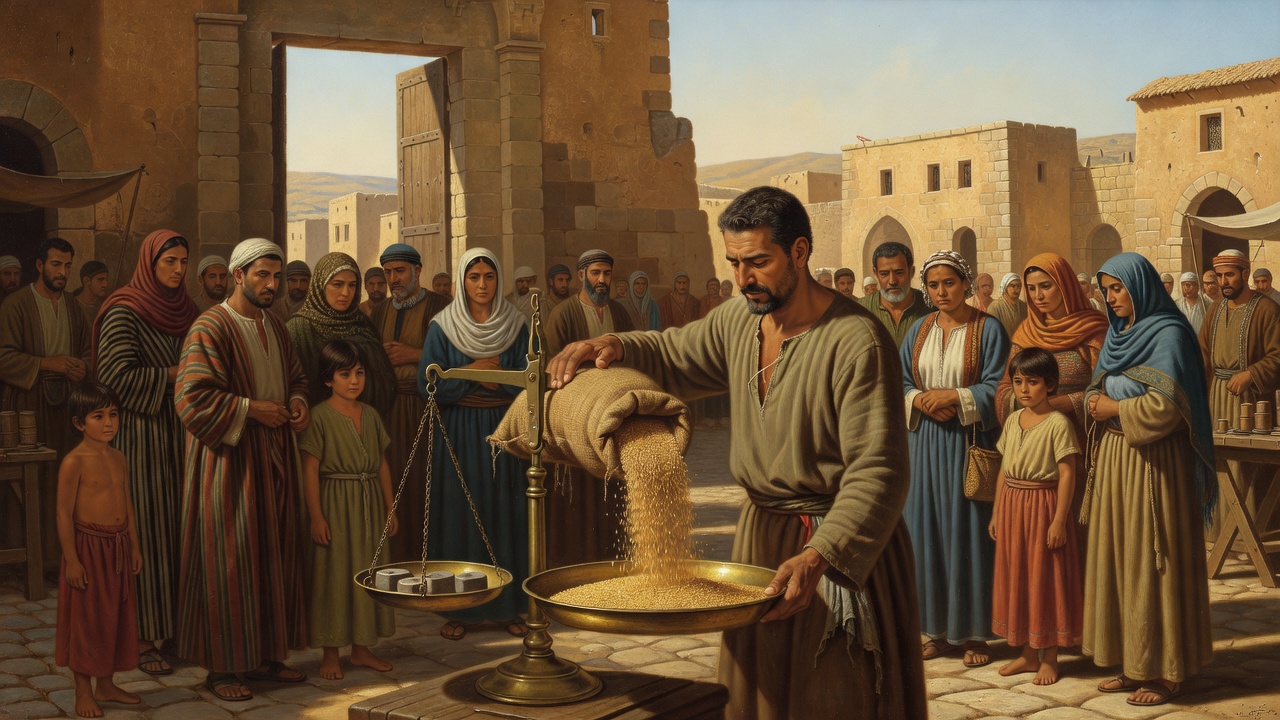
- El comercio antiguo dependía de balanzas con pesas de piedra para medir metales preciosos y mercancías. El capítulo comienza condenando las balanzas deshonestas y elogiando el peso exacto, subrayando que la honradez en las transacciones cotidianas refleja la conducta ante Dios.Fuentes: el propio texto bíblico
- Proverbios 11 resalta el impacto cívico del comportamiento individual, señalando que la estabilidad y la alegría de una ciudad dependen de la integridad de los justos, de sabios consejeros y de líderes rectos, en contraste con las acciones destructivas de los impíos.Fuentes: el propio texto bíblico
- En las sociedades agrícolas, acaparar grano durante la escasez para encarecer los precios provocaba un gran sufrimiento. El capítulo contrasta al acaparador de grano, que recibe la maldición del pueblo, con el comerciante que vende su alimento para sustentar a sus vecinos.Fuentes: el propio texto bíblico
Notas escritas con ayuda de IA a partir de fuentes abiertas (Theographic Bible Metadata, CC BY-SA 4.0; Easton’s Bible Dictionary, dominio público) y revisadas antes de publicarse.
Créditos y licencia de esta traducción
Bibeli Gusunɔn Gari
The Holy Bible in the Baatonum language of Benin, also called the Bariba language
copyright © 2013 SIM
Language: Bariba (Baatonum)
Translation by: SIM International
Bariba, Bibeli Gusunɔn Gari
This translation, published by the UEEB/SIM au Benin, was published in 1996.
If you are interested in obtaining a printed copy, please contact the SIM at SIM, BP 15, Parakou, Benin.
This translation text is made available to you under the
terms of the Creative Commons License: Attribution-Noncommercial-No Derivative Works.
( http://creativecommons.org/licenses/by-nc-nd/3.0/ )
In addition, you have permission to port the text to different file formats, as long as you
do not change any of the text or punctuation of the Bible.
You may share, copy, distribute, transmit, and extract portions
or quotations from this work, provided that you include the above copyright
information:
You must give Attribution to the work.
You do not sell this work for a profit.
You do not make any derivative works that change any of the actual words or punctuation of the Scriptures.
Permissions beyond the scope of this license may be
available if you contact
us with your request.
This translation is made available to you under the terms of the
Creative Commons Attribution-Noncommercial-No Derivatives license 4.0.
You may share and redistribute this Bible translation or extracts from it in any format, provided that:
You include the above copyright and source information.
You do not sell this work for a profit.
You do not change any of the words or punctuation of the Scriptures.
Pictures included with Scriptures and other documents on this site are licensed just for use with those Scriptures and documents.
For other uses, please contact the respective copyright owners.
2014-09-10
Fuente: http://ebible.org/bba/ · eBible.org