Mateo 10
Bibeli Gusunɔn Gari · Toca un versículo para ver sus referencias cruzadas.
Bwɑ̃ɑbu wɔkurɑ yiru yen yĩsɑ
1Yesu u win bwɑ̃ɑbu wɔkurɑ yiru mɛnnɑ mɑ u bu yiiko wɛ̃ bu kɑ wɛrɛkunu ɡirɑ, kpɑ bu bɑrɑru kɑ wɑsin dɑm sɑriru bɑɑtere bɛkiɑ. 2Bwɑ̃ɑbu wɔkurɑ yiru yen yĩsɑ wee. Gbiikoo Simɔɔ wi bɑ rɑ soku Piɛɛ kɑ win wɔnɔ Andere, kɑ Yɑkɔbu kɑ win wɔnɔ Yohɑnu, Sebeden bibu, 3kɑ Filipu kɑ Bɑɑtelemi kɑ Tomɑɑ kɑ Mɑteu wi u rɑɑ sɑ̃ɑ ɡbere mwɑɔ, kɑ Yɑkɔbu Alufen bii kɑ Tɑde, 4kɑ Simɔɔ wi u win tem ɡɑri kĩ, kɑ Yudɑsi Isikɑriɔtu wi u tɔmbu Yesu nɔmu sɔndiɑ.
Yesu u bwɑ̃ɑbu wɔkurɑ yiru ɡɔrɑ
5Yesu u tɔmbu wɔkurɑ yiru ye ɡɔrɑ kɑ woodɑ yeni u nɛɛ, i ku swɑɑ ɡɑɑ swĩi ye yɑ dɔɔ tɔn tukobun tem ɡiɑ, i ku mɑɑ Sɑmɑriɡibun wuu ɡɑɡu du. 6Adɑmɑ i doo Isirelibɑn mi, be bɑ kɔ̃ɔrɑ nɡe yɑ̃ɑnu. 7I doo i kpɑrɑ i nɛɛ, Gusunɔ u sisi u bɑndu swĩi. 8I bɑrɔbu bɛkio, i ɡɔribu seeyo, i be bɑ bɑrɑ disiɡiru mɔ bɛkio bu dɛɛrɑ, kpɑ i wɛrɛkunu ɡirɑ tɔmbun wɑsi sɔɔn di. Yèn sɔ̃ i wɑ kɔsiɑru sɑri, i mɑɑ wɛ̃ɛyɔ n kun kɑ kɔsiɑru. 9I ku dukiɑ ɡɑɑ suɑ i kɑ dɑ, nɡe wurɑ ǹ kun mɛ sii ɡeesu, ǹ kun mɛ sii ɡɑndu bɛɛn bɔɔrɔ. 10I ku kɑ yɑ̃ɑ kureru dɑ, ǹ kun mɛ yɑberu yiruse, ǹ kun mɛ bɑrɑnu ǹ kun mɛ dɛkɑ. N weenɛ bu sɔm kowo wɛ̃ yèn bukɑtɑ u mɔ u n kɑ wɑ̃ɑ.
11Ì n turɑ wuu mɑroɔ ǹ kun mɛ wuu piibu sɔɔ, i de i mɛɛri wi u weenɛ u bɛɛ dɑm koosiɑ, kpɑ i sinɑ win yɛnuɔ sere i kɑ sĩ wuu ɡen min di. 12Ì n yɛnu ɡɑɡu duɑ i ɡen tɔmbu tɔbirio kpɑ i nɛɛ, Gusunɔ u bɛɛ ɑlɑfiɑ kɛ̃. 13Yɛnu ɡeɡibu bɑ̀ n kɑ ɑlɑfiɑ ye weenɛ, i de yɑ n wɑ̃ɑ be sɔɔ, ɑdɑmɑ bɑ̀ kun kɑ weenɛ, i de yu wurɑmɑ bɛɛn mi. 14Wuu ɡɑɡu ǹ kun mɛ yɛnu ɡɑɡun tɔmbu bɑ̀ n mɑɑ yinɑ bu bɛɛ dɑm koosiɑ, bu sere bɛɛn ɡɑri swɑɑ dɑki, i doonɔ min di kpɑ i bɛɛn nɑɑsun tuɑ bu kpɑre. 15Kɑ ɡeemɑ nɑ bɛɛ sɔ̃ɔmɔ, siribun sɑnɑm Gusunɔ u koo Sodomu kɑ Gomɔrɑɡibu wɔnwɔndu sɔ̃ɔsi n kere wuu ɡen tɔmbu.
Nɔni swɑ̃ɑru te tɑ sisi
16Yesu mɑɑ nɛɛ, wee, nɑ bɛɛ ɡɔrimɔ nɡe yɑ̃ɑnu dɛmɑkunun suunu sɔɔ. I de i n bwisi mɔ nɡe wɛɛ, kpɑ i n kɑ kpɑrukonu weenɛ tɑki sɑriru sɔɔ. 17I lɑɑkɑri koowo domi ɡɑbɑ koo bɛɛ mwɑ bu kɑ dɑ siri yerɔ, kpɑ bu bɛɛ sɛni so ben mɛnnɔ yenɔ. 18Bɑ koo bɛɛ siri tem yɛ̃robu kɑ sinɑmbun wuswɑɑɔ nɛn sɔ̃, kpɑ i kɑ seedɑ di ben mi kɑ tɔn tukobun mi. 19Bɑ̀ n kɑ bɛɛ dɑ siri yerɔ, i ku wururɑ kɑ ɡɑri yi i ko ɡere. I ku mɑɑ wururɑ nɡe mɛ i ko ɡerusinɑ. Sɑɑ ye, yɑ̀ n turɑ, i ko wɑ ɡɑri yi i ko ɡere. 20Domi ɡɑri yi i ko ɡere yi ǹ ko n sɑ̃ɑ bɛɛɡii, yi koo nɑwɑ sɑɑ bɛɛn Bɑɑbɑn Hunden min di wi u wɑ̃ɑ bɛɛ sɔɔ.
21Gɑbɑ koo ben wɔnɔbu ǹ kun mɛ ben mɑɑbu sɔ̃ɔsi bu kɑ bu ɡo. Bɑɑbɑbɑ bɑ ko mɑɑ ko mɛ ben bibu sɔɔ, mɑ bibu bɑ koo ben mɔwɔbu kɔrumɔtɔnu kuɑ bu kɑ bu ɡo. 22Bɑɑwure u koo bɛɛ tusi nɛn yĩsirun sɔ̃. Adɑmɑ wi u tɛmɑnɑ sere kɑ nɔrɔ u koo fɑɑbɑ wɑ. 23Bɑ̀ n bɛɛ nɔni sɔ̃ɔwɑ wuu teu sɔɔ, i duki doonɔ wuu ɡɑɡun mi. Nɑ bɛɛ sɔ̃ɔmɔ kɑ ɡem, i ǹ ko i Isirelin wusu kpuro sɑsiri i kpe, Tɔnun Bii u kɑ tunumɑ.
24Mɛɛro sɑri wi u win sɔ̃ɔsio kere. Yoo mɑɑ sɑri wi u win yinni kere. 25Ǹ n mɛn nɑ, n turɑ mɛɛro u kɑ win sɔ̃ɔsio weenɑ kpɑ yoo u kɑ win yinni weenɑ. Bɑ̀ n yɛnu yɛ̃ro sokumɔ Beseburu, bɑ koo win yɛnuɡibu yĩsi kɔ̃sunu kɛ̃ n kere wi.
Wìn bɛrum n weenɛ i ko
26Yesu mɑɑ nɛɛ, yen sɔ̃, i ku ben bɛrum ko, domi ye yɑ wukiri yɑ koo terɑ, yen ɑsirin ɡɑ̃ɑnu mɑɑ sɑri ni bɑ ǹ koo ɡiɑ. 27Ye nɑ bɛɛ sɔ̃ɔmɔ yɑm wɔ̃kuru sɔɔ, i ye ɡeruo yɑm bururɑm sɔɔ. Ye i mɑɑ nuɑ ɑsiri sɔɔ, i yɔɔwo ɡidɑmbisɑ wɔllɔ i kɑ ye kpuro kpɑrɑ. 28I ku bu nɑsiɑ be bɑ koo wɑsi tɔnɑ ɡo, be bɑ ǹ kpɛ̃ bu hunde ɡo. Adɑmɑ i yɛ̃ro nɑsio wi u koo kpĩ u wɑsi kɑ hunde ɡo sɑnnu dɔ̃ɔ wi u ku rɑ ɡbi sɔɔ. 29I ǹ ko kpĩ i ɡunɔminu yiru dwe kɑ fɑrɑm? Kɑ mɛ, bɑɑ nin teu, ɡɑ ǹ koo wɔrumɑ temɔ mɑ n kun mɔ bɛɛn Bɑɑbɑ u wurɑ. 30Bɛɛ mɑɑ, bɑ mɑm bɛɛn wirun serin ɡeeru yɛ̃. 31Ǹ n mɛn nɑ, i ku bɛrum ko, i ɡunɔminu bɛɛrɛ kere sere mi n tomɑ.
Wi u Kirisi wurɑ
tɔmbun wuswɑɑɔ
32Yesu mɑɑ nɛɛ, bɑɑwure wi u mɑn wurɑ tɔmbun wuswɑɑɔ, kon mɑɑ yɛ̃ro wurɑ nɛn Bɑɑbɑn wuswɑɑɔ wi u wɑ̃ɑ wɔllɔ. 33Adɑmɑ wi u mɑn yinɑ tɔmbun wuswɑɑɔ, kon mɑɑ yɛ̃ro yinɑ nɛn Bɑɑbɑn wuswɑɑɔ wi u wɑ̃ɑ wɔllɔ.
Alɑfiɑ kɑ tɑkobin ɡɑri
34Yesu mɑɑ nɛɛ, i kun tɑmɑɑ nɑ nɑwɑ hɑnduniɑɔ n kɑ ɑlɑfiɑ wɛ̃, ɑɑwo, tɑkobiwɑ nɑ kɑ nɑ. 35Nɑ nɑwɑ n kɑ sɑnnɔ doke bii tɔn durɔ kɑ win tundon suunu sɔɔ, kɑ mɑɑ bii tɔn kurɔ kɑ win mɛron suunu sɔɔ, kɑ mɑɑ kurɔ mɔro kɑ win dwɑɑ mɛron suunu sɔɔ. 36Tɔnun yɛnuɡibu beyɑ bɑ ko n sɑ̃ɑ win yibɛrɛbɑ.
37Wi u win tundo ǹ kun mɛ win mɛro kĩ n mɑn kere u ǹ turɑ u n kɑ sɑ̃ɑ nɛɡii. Nɡe mɛyɑ wi u win bii kĩ n mɑn kere u ǹ turɑ u n kɑ sɑ̃ɑ nɛɡii. 38Mɑ wi u kun win dɑ̃ɑ bunɑnɑru sue u n kɑ mɑn swĩi u ǹ turɑ u n kɑ sɑ̃ɑ nɛɡii. 39Wi u kĩ u win wɑ̃ɑru di kɑ win ɡɔ̃ru kĩru u koo tu biɑ. Adɑmɑ wi u win wɑ̃ɑru yinɑ nɛn sɔ̃ u koo tu wɑ kɑ ɡem.
Aren ɡɑri
40Yesu mɑɑ nɛɛ, wi u bɛɛ dɑm koosiɑ nɛnɑ u dɑm koosiɑ. Wi u mɑɑ mɑn dɑm koosiɑ, u wi u mɑn ɡɔrimɑ dɑm koosiɑwɑ. 41Wi u Gusunɔn sɔmɔ dɑm koosiɑ yèn sɔ̃ u sɑ̃ɑ Gusunɔn sɔmɔ, u koo ɑre wɑ nɡe Gusunɔn sɔmɔɡii. Wi u mɑɑ tɔn ɡeo dɑm koosiɑ, yèn sɔ̃ u sɑ̃ɑ tɔn ɡeo, u koo ɑre wɑ nɡe tɔn ɡeoɡii. 42Wi u bwɛ̃ɛbwɛ̃ɛ benin turo ɡɑ̃ɑnu kɑ̃ yèn sɔ̃ u sɑ̃ɑ nɛn bɔ̃ɔ, bɑɑ ǹ n nim nɔrurɑm nɑ, nɑ bɛɛ sɔ̃ɔmɔ kɑ ɡem, yɛ̃ro kun win ɑre biɑmɔ.
¿Sabías que…?
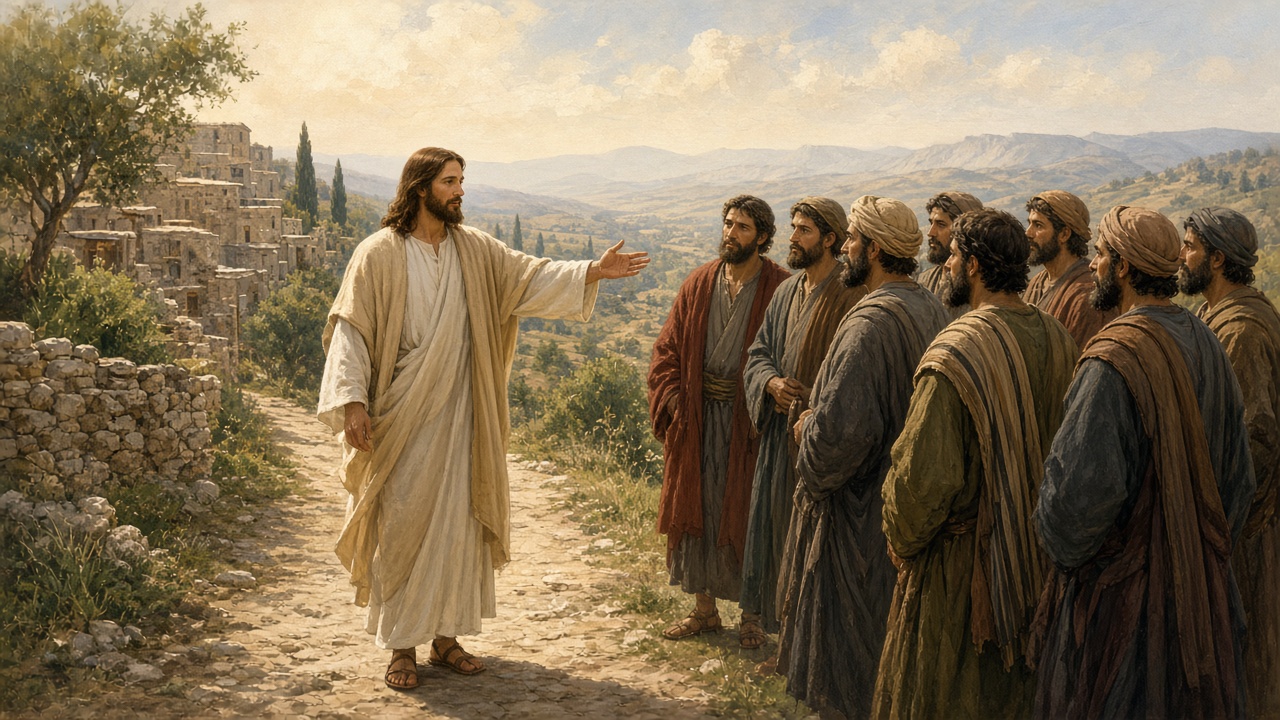
Los doce enviados en misión
- Simón, llamado Pedro, y su hermano Andrés —la primera pareja nombrada entre los doce— eran pescadores de Betsaida, en la costa occidental del mar de Galilea. Santiago y Juan, mencionados a continuación, eran hijos de Zebedeo, un pescador de Galilea que tenía sus propias barcas y jornaleros.Fuentes: el propio texto bíblico · Simon Peter · Andrew · Zebedee
- Mateo, identificado en la lista como el recaudador de impuestos, era hijo de Alfeo y antes se conocía como Leví; cobraba impuestos en Capernaúm, y el nombre Mateo significa “don de Dios”. Tomás, nombrado junto a él, también era llamado Dídimo, el equivalente griego del nombre hebreo, que significa “gemelo”. Bartolomé significa “hijo de Tolmai” y, por lo general, se supone que es la misma persona que Natanael.Fuentes: el propio texto bíblico · Matthew · Thomas · Bartholomew
- Jesús advierte que el día del juicio será más tolerable para Sodoma y Gomorra que para un pueblo que rechace a los doce apóstoles. El Diccionario Bíblico de Easton (1897) describe esas ciudades de la llanura de Sidim como destruidas por fuego y proverbiales por su maldad, y las ubica, probablemente juntas, cerca del extremo norte de lo que hoy es el mar Muerto.Fuentes: el propio texto bíblico · Sodom · Gomorrah
Notas escritas con ayuda de IA a partir de fuentes abiertas (Theographic Bible Metadata, CC BY-SA 4.0; Easton’s Bible Dictionary, dominio público) y revisadas antes de publicarse.
Créditos y licencia de esta traducción
Bibeli Gusunɔn Gari
The Holy Bible in the Baatonum language of Benin, also called the Bariba language
copyright © 2013 SIM
Language: Bariba (Baatonum)
Translation by: SIM International
Bariba, Bibeli Gusunɔn Gari
This translation, published by the UEEB/SIM au Benin, was published in 1996.
If you are interested in obtaining a printed copy, please contact the SIM at SIM, BP 15, Parakou, Benin.
This translation text is made available to you under the
terms of the Creative Commons License: Attribution-Noncommercial-No Derivative Works.
( http://creativecommons.org/licenses/by-nc-nd/3.0/ )
In addition, you have permission to port the text to different file formats, as long as you
do not change any of the text or punctuation of the Bible.
You may share, copy, distribute, transmit, and extract portions
or quotations from this work, provided that you include the above copyright
information:
You must give Attribution to the work.
You do not sell this work for a profit.
You do not make any derivative works that change any of the actual words or punctuation of the Scriptures.
Permissions beyond the scope of this license may be
available if you contact
us with your request.
This translation is made available to you under the terms of the
Creative Commons Attribution-Noncommercial-No Derivatives license 4.0.
You may share and redistribute this Bible translation or extracts from it in any format, provided that:
You include the above copyright and source information.
You do not sell this work for a profit.
You do not change any of the words or punctuation of the Scriptures.
Pictures included with Scriptures and other documents on this site are licensed just for use with those Scriptures and documents.
For other uses, please contact the respective copyright owners.
2014-09-10
Fuente: http://ebible.org/bba/ · eBible.org