Malaquías 3
Bibeli Gusunɔn Gari · Toca un versículo para ver sus referencias cruzadas.
1Mɑ Gusunɔ wɔllu kɑ tem Yinni u wisɑ u nɛɛ, wee kon nɛn sɔmɔ ɡɔrimɑ. U koo nɛn swɑɑ sɔmɛ. Kpɑ Yinni wi i kɑsu mi, u du win sɑ̃ɑ yerɔ subɑru sɔɔ. Wee sɔmɔ wi i kĩ mi, u sisi u kɑ nɛn ɑrukɑwɑnin ɡɑri kpɑrɑ. 2Wɑrɑ koo kpĩ u yɔ̃rɑ u nùn mɑ win nɑɑrun tɔ̃ɔ te sɔɔ. Nɡe wɑrɑ koo kpĩ u yɔ̃rɑ sɑnɑm mɛ u koo kurɑmɑ. Domi u ko n sɑ̃ɑwɑ nɡe dɔ̃ɔ wi u rɑ sisu yɑniɛ. Kpɑ u n sɑ̃ɑ nɡe werem mɛ mu do. 3U koo sinɑ u sun dɛɛrɑsiɑ nɡe mɛ bɑ rɑ sii ɡeesu yɑniɛ bu dɛɛrɑsie. U koo yɑ̃ku kowobun bweseru Lefibɑ dɛɛrɑsiɑ nɡe mɛ bɑ rɑ wurɑ kɑ sii ɡeesu dɛɛrɑsie. Kpɑ bu Yinni Gusunɔ yɑ̃kunu kuɑ nɡe mɛ woodɑ yɑ ɡeruɑ. 4Sɑɑ ye sɔɔ, Yudɑbɑ kɑ Yerusɑlɛmuɡibun kɛ̃nu nu koo nɛ Yinni Gusunɔ wɛ̃re nɡe yellu. 5Kon susimɑ bɛɛn bɔkuɔ n bɛɛ siri. Kpɑ n dobo doboɡibu seesi kɑ sɑkɑrɑ kowobu kɑ be bɑ rɑ bɔ̃re weesu sɔɔ kɑ be bɑ rɑ sɔm kowobun ɡobi tɛɛsi kɑ be bɑ rɑ ɡɔminibu kɑ ɡobekubɑ kɑ sɔbu dɑm dɔre, mɑ bɑ ǹ mɑn nɑsie. Nɛ, Gusunɔ wɔllu kɑ tem Yinniwɑ nɑ yeni ɡeruɑ.
I Gusunɔ tiɑ wɛ̃ɛyɔ
wɔkuru bɑɑteren wɔllɔ
6Nɛnɑ nɑ Yinni Gusunɔ wi u rɑ n wɑ̃ɑ. Nɑ ku rɑ kɔsi. Yen sɔ̃nɑ bɛɛ, Yɑkɔbun bweseru, bɑ ǹ bɛɛ kpeerɑsie. 7Sɑɑ bɛɛn bɑɑbɑbɑn wɑɑtin diyɑ i nɛn woodɑbɑ ɡɛrɑri. I ǹ ye mɛm nɔɔwɛ. Yen sɔ̃nɑ nɛ Gusunɔ wɔllu kɑ tem Yinni, nɑ nɛɛ, i ɡɔsirɑmɑ nɛn mi, kpɑ n mɑɑ ɡɔsirɑ bɛɛn mi. Adɑmɑ i ɡerumɔ i mɔ̀, ɑmɔnɑ sɑ ko koosinɑ su kɑ ɡɔsirɑ wunɛn mi. 8Mɑ nɑ bikiɑ nɑ nɛɛ, tɔnu u rɑ nɛ Gusunɔ nɔni wɔ̃ke? Domi wee, i mɑn nɔni wɔ̃kumɔ. Mɑ i ɡerumɔ i mɔ̀, yen yere sɔɔrɑ sɑ nun nɔni wɔ̃kumɔ. Mɑ nɑ wisɑ nɑ nɛɛ, kɛ̃nu wɛ̃ɛbu sɔɔ kɑ tiɑ tiɑ ye i rɑ mɑn wɛ̃ wɔkuru bɑɑteren wɔllɔ. 9Bɔ̃rurobɑ i sɑ̃ɑ bɛɛ Isirelibɑ kpuro, domi i mɑn nɔni wɔ̃kumɔ. 10I bɛɛn ye i mɔ kpuro subuo subɑ wɔkuru, kpɑ i kɑ mɑn yen sube teeru nɑɑwɑ i doke nɛn ɑrumɑnin beru yerɔ. Kpɑ dĩɑnu nu n wɑ̃ɑ nɛn sɑ̃ɑ yerɔ. I nɛn lɑɑkɑri mɛɛrio, kpɑ i wɑ nɑ̀ kun kon bɛɛ wɔllu kɛniɑ n bɛɛ domɑ bɑkɑru kuɑ. 11Nɑ kon twee ɡirɑ bɛɛn tem di. Kpɑ yi ku mɑɑ bɛɛn dɑ̃ɑ binu sɑnku. Kon de resɛm ye yɑ ku rɑ rɑɑ mɑ yu mɑ bɛɛn ɡbeɑɔ. Nɛ, Gusunɔ wɔllu kɑ tem Yinniwɑ nɑ yeni ɡeruɑ. 12Bwesenu kpuro nu koo nɛɛ, doo nɔɔruɡibɑ bɛɛ. Domi bɛɛn tem mu ko n doo nɔɔru mɔ. Nɛ Gusunɔ wɔllu kɑ tem Yinniwɑ nɑ yeni ɡeruɑ.
Durom mɛ Yinni Gusunɔ
u koo be bɑ nùn sɑ̃ɑmɔ kuɑ
13Yinni Gusunɔ u nɛɛ, bɛɛn ɡɑri kun do yi i mɑn ɡerusimɔ. Mɑ i mɔ̀, mbɑ i mɑn ɡerusi. 14I ɡeruɑ i nɛɛ, kɑm sɔɔrɑ i mɑn sɑ̃ɑmɔ. Arufɑɑni yerɑ̀ i wɑ ye i nɛn woodɑbɑ mɛm nɔɔwɑ, mɑ i nuki sɑnkirɑ i nɔɔ bɔkuɑ i kɑ nɛ Gusunɔ wɔllu kɑ tem Yinnin nɔnu ɡeu wɑ. 15Wee tɛ̃, i tɑmɑɑ be bɑ tii sue, berɑ bɑ dobu nɔɔmɔ. Mɛyɑ i mɑɑ nɛɛ, tɔn kɔ̃sobun ɑrumɑni yɑ mɑɑ kuurɑmɔ. Bɑɑ bɑ̀ n Gusunɔ seesi, u rɑ bu deriwɑ u kun kɔ̃sɑ ɡɑɑ kue.
16Yerɑ be bɑ Yinni Gusunɔ nɑsie, bɑ ɡerunɑmɔ. Mɑ Yinni Gusunɔ u win lɑɑkɑri wesiɑ ben mi, u bu swɑɑ dɑki. Mɑ bɑ be bɑ nùn nɑsie mɑ bɑ nùn bɛɛrɛ wɛ̃ɛmɔn yĩsɑ yoruɑ tireru ɡɑru sɔɔ win wuswɑɑɔ. 17Mɑ Gusunɔ wɔllu kɑ tem Yinni u nɛɛ, beyɑ bɑ koo ko nɛɡibu tɔ̃ɔ te kon nɛn yiiko sɔ̃ɔsi. Kon bu wɔnwɔndu kuɑ nɡe mɛ tɔnu u rɑ win bii wi u nùn nɔɔrimɔ wɔnwɔndu kue. 18Sɑɑ yerɑ i ko i wɑ ye yɑ ɡemɡii kɑ tɔn kɔ̃so wunɑnɛ kɑ ye yɑ mɑɑ wi u Gusunɔ sɑ̃ɑmɔ kɑ wi u kun nùn sɑ̃ɑmɔ wunɑnɛ. 19Wee tɔ̃rɑ sisi. Tɑ sum nɡe dɔ̃ɔ boko. Sɑɑ ye sɔɔ, be bɑ tii sue kɑ tɔn kɔ̃sobu bɑ koo dɔ̃ɔ mwɑɑrɑwɑ nɡe yɑkɑsu. Gɑ̃ɑnu kun bu tiɑrɑmmɛ. Nɛ Gusunɔ wɔllu kɑ tem Yinniwɑ nɑ yeni ɡeruɑ. 20Adɑmɑ bɛɛ be i mɑn nɑsie, wee ye nɑ bɛɛ sɔ̃ɔmɔ. Kon de nɛn dɑm mu sɔ̃ɔsirɑ nɡe sɔ̃ɔ mu bɛɛ fɑɑbɑ ko. Sɑɑ ye sɔɔ, i ko i n tii mɔ kpɑ i n yɔ̃ɔkumɔ kɑ nuku dobu nɡe kɛtɛ kpɛmi yi yi yɑrimɔ sɑɑ ɡɔ̃ɔn di. 21Tɔ̃ɔ te sɔɔ, te kon nɛn yiiko sɔ̃ɔsi, i ko i tɔn kɔ̃sobu tɑɑku. Domi bɑ ko n sɑ̃ɑwɑ nɡe torom bɛɛn nɑɑsɔ. Nɛ Gusunɔ wɔllu kɑ tem Yinniwɑ nɑ yeni ɡeruɑ.
Eli kpɑo
22I de i nɛn sɔmɔ Mɔwisin yiirebu kɑ win woodɑbɑ mɛm nɔɔwɑ be nɑ nùn wɛ̃ bɛɛ Isirelibɑ kpuron sɔ̃ Horɛbun ɡuurɔ.
23Nɛ, Yinni Gusunɔn tɔ̃ɔ te, tɑ kpɑ̃, mɑ tɑ nɑnum mɔ. Adɑmɑ tu sere tunumɑ, kon bɛɛ nɛn sɔmɔ Eli ɡɔriɑmɑ. 24U koo de bɑɑbɑbɑ kɑ ben bibu bu dorɑ. Mɑ n kun mɛ, kon nɑ n bɛɛn tem kpeerɑsiɑ.
¿Sabías que…?
El Mensajero del Pacto y el Fuego del Refinador
- La profecía describe la venida del mensajero del pacto actuando como fuego purificador y jabón de lavadores para limpiar a los descendientes de Leví, el tercer hijo de Jacob cuyo linaje ejercía el sacerdocio. Esta purificación buscaba restablecer ofrendas justas en Judá y Jerusalén.Fuentes: el propio texto bíblico · Levi (patriarch) · Jerusalem
- El capítulo señala la retención de diezmos y ofrendas como un robo a Dios. Se desafía al pueblo a llevar el diezmo completo al almacén del templo, con la promesa de que se abrirían las ventanas de los cielos y se reprendería al devorador para proteger sus campos y vides.Fuentes: el propio texto bíblico
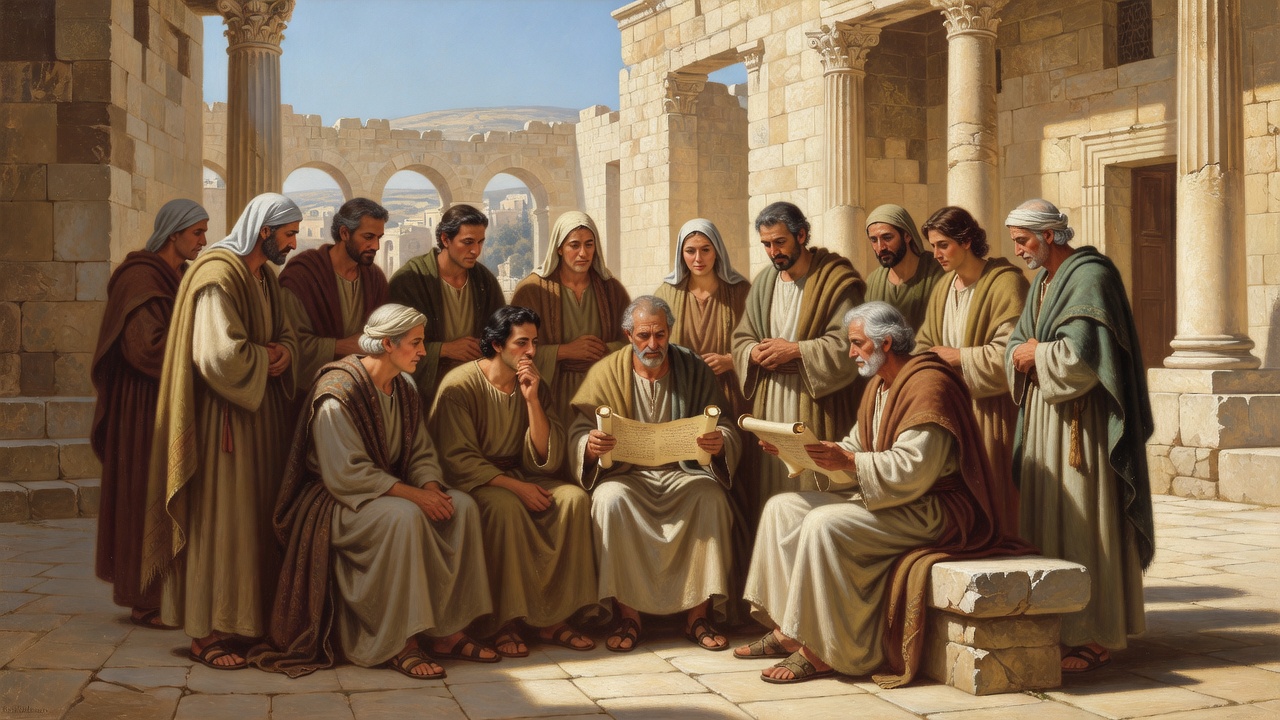
- Cuando algunos escépticos afirmaron que servir a Dios no tenía utilidad mientras los arrogantes prosperaban, los que temían al Señor se reunieron para hablar entre sí. Como respuesta, se escribió un libro de memoria ante Él para honrar a quienes reverencian Su nombre.Fuentes: el propio texto bíblico
Notas escritas con ayuda de IA a partir de fuentes abiertas (Theographic Bible Metadata, CC BY-SA 4.0; Easton’s Bible Dictionary, dominio público) y revisadas antes de publicarse.
Lugares de este capítulo
- Jerusalem · 31.777, 35.234 · versículo 4
Solo aparecen lugares identificados con alta confianza (90 % o más según las fuentes académicas reunidas por OpenBible). Mapa de la época: DARE (Digital Atlas of the Roman Empire), CC BY 4.0; mapa actual: © colaboradores de OpenStreetMap; lugares: OpenBible.info (CC BY 4.0).
Créditos y licencia de esta traducción
Bibeli Gusunɔn Gari
The Holy Bible in the Baatonum language of Benin, also called the Bariba language
copyright © 2013 SIM
Language: Bariba (Baatonum)
Translation by: SIM International
Bariba, Bibeli Gusunɔn Gari
This translation, published by the UEEB/SIM au Benin, was published in 1996.
If you are interested in obtaining a printed copy, please contact the SIM at SIM, BP 15, Parakou, Benin.
This translation text is made available to you under the
terms of the Creative Commons License: Attribution-Noncommercial-No Derivative Works.
( http://creativecommons.org/licenses/by-nc-nd/3.0/ )
In addition, you have permission to port the text to different file formats, as long as you
do not change any of the text or punctuation of the Bible.
You may share, copy, distribute, transmit, and extract portions
or quotations from this work, provided that you include the above copyright
information:
You must give Attribution to the work.
You do not sell this work for a profit.
You do not make any derivative works that change any of the actual words or punctuation of the Scriptures.
Permissions beyond the scope of this license may be
available if you contact
us with your request.
This translation is made available to you under the terms of the
Creative Commons Attribution-Noncommercial-No Derivatives license 4.0.
You may share and redistribute this Bible translation or extracts from it in any format, provided that:
You include the above copyright and source information.
You do not sell this work for a profit.
You do not change any of the words or punctuation of the Scriptures.
Pictures included with Scriptures and other documents on this site are licensed just for use with those Scriptures and documents.
For other uses, please contact the respective copyright owners.
2014-09-10
Fuente: http://ebible.org/bba/ · eBible.org