Malaquías 1
Bibeli Gusunɔn Gari · Toca un versículo para ver sus referencias cruzadas.
Acerca de este libro
Sobre Malaquías
- El Easton's Bible Dictionary (1897) presenta a Malaquías, nombre que significa "mensajero" o "ángel", como el último de los profetas menores y el autor del último libro del canon del Antiguo Testamento. No se sabe nada de él más allá de lo que contiene su libro de profecías.Fuentes: Easton: Malachi · Malachi
- Algunos han supuesto que el nombre es simplemente un título para un mensajero de Jehová, y no un nombre propio. El Easton's Bible Dictionary (1897), sin embargo, concluye que hay razón para considerar que Malaquías era el nombre habitual del profeta.Fuentes: Easton: Malachi · Malachi
- El Easton's Bible Dictionary (1897) fecha las profecías hacia 420 a. C., después del segundo regreso de Nehemías desde Persia, o posiblemente antes de ese regreso. Como Esdras no lo menciona y él no habla de la restauración del templo, el diccionario infiere que profetizó después de Hageo y Zacarías.Fuentes: Easton: Malachi
- El Easton's Bible Dictionary (1897) trata a Malaquías como contemporáneo de Nehemías, al comparar Malaquías 2:8 con Nehemías 13:15 y Malaquías 2:10-16 con Nehemías 13:23. También señala que los servicios del templo aún existían, citando Malaquías 1:10, 3:1 y 3:10.Fuentes: Easton: Malachi
Notas escritas con ayuda de IA a partir de fuentes abiertas (Theographic Bible Metadata, CC BY-SA 4.0; Easton’s Bible Dictionary, dominio público) y revisadas antes de publicarse.
1Gɑri yiniwɑ Yinni Gusunɔ u Isirelibɑ sɔ̃ɔwɑ sɑɑ Mɑlɑsin nɔɔn di.
Yinni Gusunɔ u Isirelibɑ kĩ
2Yinni Gusunɔ u nɛɛ, nɑ bɛɛ Isirelibɑ kĩɑ. Mɑ i ɡerumɔ i mɔ̀, mbɑ sɔɔrɑ nɑ bɛɛ kĩɑ. Nɑ nɛɛ, n ǹ Esɑu u sɑ̃ɑ Yɑkɔbun mɔɔ ro? Adɑmɑ nɑ Yɑkɔbu kĩɑ 3mɑ nɑ Esɑu yinɑ. Nɑ derɑ ɡɑ̃ɑnu sɑri win tem ɡuunɔ. Mɑ nɑ derɑ ɡbeeku yɛɛ kɔ̃si yibɑ tem mɛ sɔɔ. 4Esɑun bibun bweseru tɑ̀ n nɛɛ, bɑ ten wusu kɔsukɑ, ɑdɑmɑ tɑ koo sin bɑnsu seeyɑ, nɛ, Gusunɔ wɔllu kɑ tem Yinni, kon nɛɛ, bɑɑ tɑ̀ n su bɑnɑ, kon wure n su surɑ. Kpɑ bu ten tem soku nuku kɔ̃suruɡibun tem, ben tii mɑɑ bwese te nɛ, Yinni Gusunɔ nɑ kɑ mɔru sɑ̃ɑ bɑɑdommɑ. 5Bɛɛ Isirelibɑ, bɛɛn nɔni koo ye wɑ. Kpɑ i ɡere i nɛɛ, nɛ, Yinni Gusunɔ, nɛn kpɑ̃ɑrɑ bɛɛn tem sɑre.
Yinni Gusunɔ
u yɑ̃ku kowobu ɡerusimɔ
6Bɛɛ yɑ̃ku kowobu, bɛɛ be i mɑn ɡɛmɑ, mɑ i mɔ̀, yen yere sɔɔrɑ i mɑn ɡɛmɑ, wee ye nɛ Gusunɔ wɔllu kɑ tem Yinni nɑ bɛɛ sɔ̃ɔmɔ. Bii u rɑ win tundo bɛɛrɛ wɛ̃. Mɛyɑ sɔm kowo u rɑ mɑɑ win yinni bɛɛrɛ wɛ̃. Nɑ̀ n sɑ̃ɑn nɑ bɛɛn tundo, mɑnɑ bɛɛrɛ yɑ wɑ̃ɑ ye i mɑn wɛ̃ɛmɔ. Nɑ̀ n mɑɑ sɑ̃ɑn nɑ bɛɛn Yinni, mɑnɑ bɛɛrɛ yɑ wɑ̃ɑ ye i mɑn wɛ̃ɛmɔ. 7Wee i yɑ̃kunu mɔ̀ kɑ dĩɑ ni bɑ ku rɑ kɑ yɑ̃kuru ko nɛn yɑ̃ku yerɔ. Mɑ i ɡerumɔ i mɔ̀, yere sɔɔrɑ i mɑn ɡɛmɑ. Nɛn yɑ̃ku yerɑ i ɡɛmɑ. 8Ì n kɑ yɑɑ sɑberu ɡɑru yɑ̃kuru kuɑ te tɑ wɔ̃ko sɑ̃ɑ, ǹ kun mɛ te tɑ kɔ̃rɑ bɑrɔ, ǹ kun mɛ te tɑ ɡesi bɑrɔ, n ǹ sɑ̃ɑ kɔ̃sɑ? Ì n tu bɛɛn tem wiruɡii wɛ̃, u koo bɛɛ siɑrɑ? Nɛ Gusunɔ wɔllu kɑ tem Yinniwɑ nɑ yeni ɡeruɑ. 9Yen sɔ̃ tɛ̃, ì n nɛ, Yinni Gusunɔ suuru kɑnɑ n bɛɛn wɔnwɔndu wɑ, i tɑmɑɑ kon bɛɛ kuɑ nɡe mɛ n weenɛ? Aɑwo, domi i kɔ̃sɑ kuɑ. Nɛ Gusunɔ wɔllu kɑ tem Yinniwɑ nɑ yeni ɡeruɑ. 10N burɑm bo bɛɛn turo u dɑ u nɛn sɑ̃ɑ yerun ɡɑmbobɑ kɛnɛ. Kpɑ i ku kɑ dɔ̃ɔ sɔ̃re kɑm sɔɔ nɛn yɑ̃ku yerɔ. Nɑ ǹ nuku dobu mɔ bɛɛ sɔɔ. Mɛyɑ yɑ̃ku ni i mɑɑ mɑn kuɑmmɛ nu ǹ mɑn wɛ̃remɔ. 11Domi hɑnduniɑn ɡoonu nnɛ sɔɔ tɔmbɑ nɛn kpɑ̃ɑru yɛ̃. Bɑɑmɑ bɑ mɑn turɑre dɔ̃ɔ dokeɑmmɛ mɑ bɑ mɑn yɑ̃ku ɡeenu kuɑmmɛ bu kɑ mɑn bɛɛrɛ wɛ̃. Kɑ ɡem tɔmbu kpurowɑ bɑ nɛn kpɑ̃ɑru yɛ̃. 12Adɑmɑ bɛɛ, i mɑn ɡɛmɑwɑ, i tɑmɑɑ i ko kpĩ i kɑ dĩɑ ni nu ǹ ɡeɑ sɑ̃ɑ nɑ nɛn yɑ̃ku yerɔ. 13I mɑm ɡerumɔ i mɔ̀, ɑnnɑ ɑ wɑhɑlɑ bɑkɑ wɑ ye i tii mɔ̀. Mɑ i ǹ mɑɑ yɑ̃ku ni mɛɛrɑ ɡɑ̃ɑnu. Adɑmɑ i nɑɑmɔ i mɑn yɑ̃kuru kuɑmmɛ kɑ yɑɑ sɑbe ni i ɡbɛnɑ, ǹ kun mɛ ni nu kɔ̃ri bɑrɔ, ǹ kun mɛ ni nu ɡesi bɑrɔ. I tɑmɑɑ kon yɑ̃ku nin bweseru mwɑ? 14Bɔ̃rurowɑ wi u win sɑbenu sɔɔ kinɛ ɡeeru mɔ, mɑ u dɑ u te tɑ ɑlebu mɔ suɑ u kɑ mɑn yɑ̃kuru kuɑ, u kɑ mɑn nɔni wɔ̃ke. Domi nɑ sɑ̃ɑwɑ sinɑ boko. Tɔmbu kpurowɑ bɑ nɛn dɑm nɑsie. Nɛ Gusunɔ wɔllu kɑ tem Yinniwɑ nɑ yeni ɡeruɑ.
Bɑ yɑ̃ku kowobu kirɔ mɔ̀
¿Sabías que…?
La honra a Dios y los sacrificios defectuosos
- El nombre Malaquías significa mensajero o ángel. Aunque algunos han sugerido que se trataba de un título en vez de un nombre propio, la tradición lo considera el nombre del profeta, ubicando su ministerio en la época de Nehemías, después de Hageo y Zacarías.Fuentes: Malachi
- El mensaje inicial evoca a los hermanos gemelos Jacob y Esaú, antepasados de Israel y Edom. El texto contrasta el amor del pacto con Israel frente a la desolación que sobrevendría sobre la región montañosa de Edom.Fuentes: Esau (Edom) · Jacob (Israel) · Edom · el propio texto bíblico
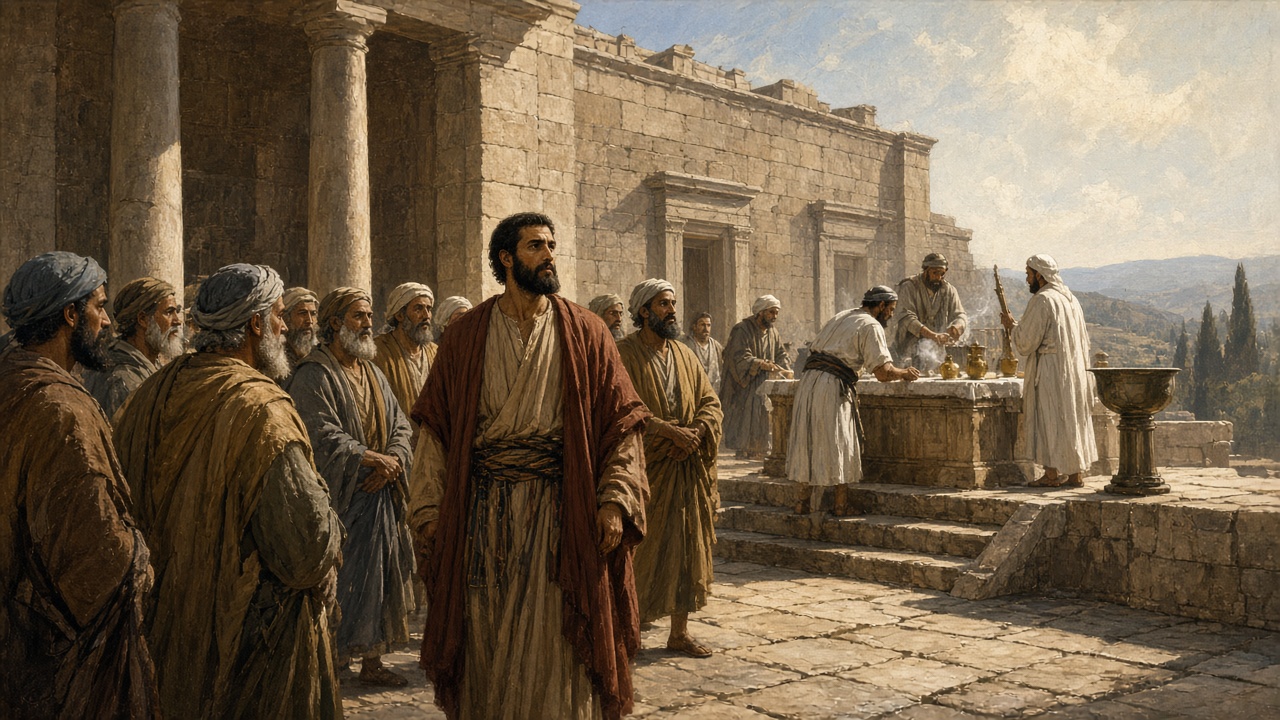
- Los sacerdotes son reprendidos por presentar sobre el altar animales ciegos, cojos y enfermos en lugar de animales sanos. Malaquías evidencia su falta de respeto preguntando si acaso un gobernador aceptaría tales ofrendas defectuosas.Fuentes: el propio texto bíblico
Notas escritas con ayuda de IA a partir de fuentes abiertas (Theographic Bible Metadata, CC BY-SA 4.0; Easton’s Bible Dictionary, dominio público) y revisadas antes de publicarse.
Lugares de este capítulo
- Edom · 30.746, 35.604 · versículo 4
Solo aparecen lugares identificados con alta confianza (90 % o más según las fuentes académicas reunidas por OpenBible). Mapa de la época: DARE (Digital Atlas of the Roman Empire), CC BY 4.0; mapa actual: © colaboradores de OpenStreetMap; lugares: OpenBible.info (CC BY 4.0).
Créditos y licencia de esta traducción
Bibeli Gusunɔn Gari
The Holy Bible in the Baatonum language of Benin, also called the Bariba language
copyright © 2013 SIM
Language: Bariba (Baatonum)
Translation by: SIM International
Bariba, Bibeli Gusunɔn Gari
This translation, published by the UEEB/SIM au Benin, was published in 1996.
If you are interested in obtaining a printed copy, please contact the SIM at SIM, BP 15, Parakou, Benin.
This translation text is made available to you under the
terms of the Creative Commons License: Attribution-Noncommercial-No Derivative Works.
( http://creativecommons.org/licenses/by-nc-nd/3.0/ )
In addition, you have permission to port the text to different file formats, as long as you
do not change any of the text or punctuation of the Bible.
You may share, copy, distribute, transmit, and extract portions
or quotations from this work, provided that you include the above copyright
information:
You must give Attribution to the work.
You do not sell this work for a profit.
You do not make any derivative works that change any of the actual words or punctuation of the Scriptures.
Permissions beyond the scope of this license may be
available if you contact
us with your request.
This translation is made available to you under the terms of the
Creative Commons Attribution-Noncommercial-No Derivatives license 4.0.
You may share and redistribute this Bible translation or extracts from it in any format, provided that:
You include the above copyright and source information.
You do not sell this work for a profit.
You do not change any of the words or punctuation of the Scriptures.
Pictures included with Scriptures and other documents on this site are licensed just for use with those Scriptures and documents.
For other uses, please contact the respective copyright owners.
2014-09-10
Fuente: http://ebible.org/bba/ · eBible.org