Lucas 11
Bibeli Gusunɔn Gari · Toca un versículo para ver sus referencias cruzadas.
Kɑnɑrun ɡɑri
1Sɔ̃ɔ teeru Yesu u kɑnɑru mɔ̀ ɡɑm ɡum. Sɑɑ ye u kpɑ win bwɑ̃ɑbun turo u nɛɛ, Yinni kpɑ ɑ sun sɔ̃ɔsi mɛ bɑ rɑ kɑnɑru ko, nɡe mɛ Yohɑnu u win bwɑ̃ɑbu sɔ̃ɔsi.
2Yesu u bu sɔ̃ɔwɑ bɑ̀ n kɑnɑru mɔ̀ bɑ n dɑ nɛɛ,
Bɑɑbɑ, ɑ de bɑ n yɛ̃ mɑ wunɑ sɑ̃ɑ Dɛɛro.
A nɑ ɑ bɑndu swĩi.
3A sun bɛsɛn dĩɑnu kɛ̃ tɔ̃ru bɑɑtere.
4A sun bɛsɛn torɑnu suuru kuo
domi bɛsɛn tii sɑ rɑ wi u sun torɑri suuru kue.
A ku kɑ sun dɑ kɔkiribun berɑ ɡiɑ.
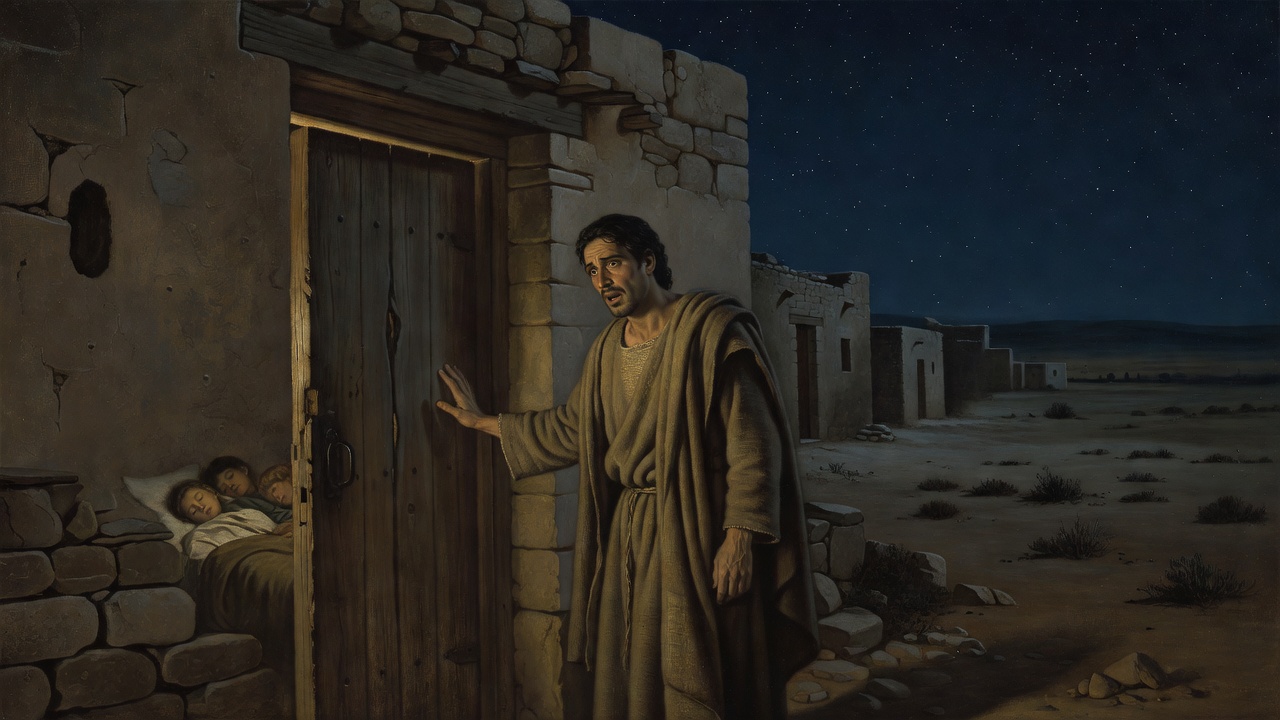
5U kpɑm bu sɔ̃ɔwɑ u nɛɛ, nɡe mɛ n tɛ̃ wɑ̃ɑ, bɛɛn turo u n bɔrɔ mɔ, kpɑ u dɑ win mi wɔ̃ku suunu sɔɔ u nɛɛ u nùn pɛ̃ɛ itɑ bɔkuro, 6domi win kpɑɑsibun turowɑ ɡɑm wee, wi kun mɑɑ ɡɑ̃ɑnu mɔ u nùn wɛ̃. 7Sɑɑ sɔɔn di kpɑ bɔrɔ wi, u nɛɛ, u ku nùn bɑɑsi, u kɔnnɔ kɛnuɑ kɔ, wi kɑ win bibu bɑ kpĩ. U ǹ mɑɑ kpɛ̃ u se u sere nùn pɛ̃ɛ wɛ̃. 8Yesu u nɛɛ, nɑ bɛɛ sɔ̃ɔmɔ, bɑɑ ù kun seewe u nùn wɛ̃ bɔrɔnun sɔ̃, u koo se u nùn wɛ̃ yèn bukɑtɑ u mɔ kpuro win bɑɑsibun sɔ̃. 9Nɑ mɑɑ bɛɛ sɔ̃ɔmɔ, i n dɑ bikie, bɑ koo bɛɛ wɛ̃. I n dɑ kɑsu, i ko wɑ. I n dɑ ɡɑmbo so, bɑ koo bɛɛ kɛniɑ. 10Domi bɑɑwure wi u bikiɑmɔ bɑ koo nùn wɛ̃. Wi u kɑsu u koo wɑ. Wi u mɑɑ ɡɑmbo soomɔ, bɑ koo yɛ̃ro kɛniɑ. 11Bɛɛ sɔɔ, [ɡoon bii ù n nùn pɛ̃ɛ bikiɑ, u koo wurɑ u nùn kperu wɛ̃?] Ǹ kun mɛ ù n swɑ̃ɑ bikiɑ, u koo nùn wɑɑ wɛ̃? 12Ǹ kun mɛ ù n sɛ̃ɛru bikiɑ, u koo nùn niɑ wɛ̃? 13Bɛɛ be i sɑ̃ɑ tɔn kɔ̃sobu, mɑ i yɛ̃ nɡe mɛ bɑ rɑ bibu kɛ̃ɛ ɡeenu wɛ̃, bɛɛn Bɑɑbɑ wɔlluɡii u ǹ koo be bɑ nùn kɑnɑmɔ Hunde Dɛɛro wɛ̃?
Yesu kɑ tii yinɑmɔ
14Yesu u wɛrɛku ɡirɑ ɡe ɡɑ tɔnu ɡoo soso kuɑ. Sɑnɑm mɛ wɛrɛku ɡe, ɡɑ doonɑ, soso wi, u ɡɑri ɡerubu wɔri, mɑ tɔn wɔru ɡɑ biti soorɑ. 15Adɑmɑ ɡɑbɑ nɛɛ, wɛrɛkunun sunɔ Beseburu, win dɑmɑ u kɑ wɛrɛkunu ɡirɑmɔ.
16Gɑbɑ kĩ bu win lɑɑkɑri mɛɛri, mɑ bɑ nùn bikiɑ u sɔm mɑɑmɑɑkiɡiru ko u kɑ sɔ̃ɔsi mɑ win yiiko yɑ weewɑ wɔllun di. 17Yesu u ben bwisikunu yɛ̃, yerɑ u nɛɛ, bɑndu bɑɑtere tèn tɔmbu bɑ tɑbu mɔ̀ ben tii tiinɛ sɔɔ, bɑn te, tɑ koo kowɑ bɑnsu kpɑ ten yɛnusu su wɔruku. 18Mɛyɑ mɑɑ Setɑm yɑ̀ n kɑ yen tii tɑbu mɔ̀, ɑmɔnɑ yen bɑndɑ koo kɑ yɔ̃rɑ. Domi i nɛɛ, Beseburun dɑmɑ nɑ kɑ wɛrɛkunu ɡirɑmɔ. 19Nɛ, nɑ̀ n wɛrɛkunu ɡirɑmɔ kɑ Beseburun dɑm, wɑrɑn dɑmɑ bɛɛn bwɑ̃ɑbu bɑ kɑ ni ɡirɑmɔ. Ben tiiwɑ bɑ koo sɔ̃ɔsi mɑ i torɑ. 20Adɑmɑ ǹ n kɑ Gusunɔn dɑm nɑ, nɑ wɛrɛkunu ɡirɑmɔ, kɑ ɡem bɑn te Gusunɔ u swĩi, tɑ bɛɛ nɑɑwɑ.
21Sɑnɑm mɛ durɔ dɑmɡii wi u tɑbu yɑ̃nu mɔ u win yɛnu kɔ̃su win dukiɑ ko n wɑ̃ɑwɑ ɑlɑfiɑ sɔɔ. 22Adɑmɑ ɡoo wi u nùn dɑm kere, ù n nɑ u nùn wɔri u kɑmiɑ, u koo win tɑbu yɑ̃nu kpuro ɡurɑ ni u nɑɑnɛ sɑ̃ɑ kpɑ u win dukiɑ ɡɑbu bɔnu kuɑ.
23Wi u kun sɑ̃ɑ nɛɡii u kɑ mɑn yibɛrɛ tɛɛru nɛniwɑ, wi u ku rɑ mɑɑ ɡɑ̃ɑnu mɛnnɛ kɑ nɛ sɑnnu, u rɑ ni yɑrinɑsiewɑ.
Wɛrɛkunun wurɑmɑru
24Yesu mɑɑ nɛɛ, wɛrɛkunu nù n doonɑ tɔnun min di, nu rɑ n bɔsuwɑ mi ɡɑ̃ɑnu ku rɑ kpi nu n wɛ̃rɑ yeru kɑsu nu n bie. Yerɑ nu rɑ nɛɛ, nu koo ɡɔsirɑ nin wɑ̃ɑ yerɔ mìn di nu rɑɑ doonɑ. 25Nu rɑ wurɑmɛ kpɑ nu deemɑ tɑ kurɑre tɑ sɔnde. 26Kpɑ nu dɑ nu ɡɑnu nɔɔbɑ yiru kɑsumɑ ni nu ni kɔ̃suru kere, kpɑ nu du yɛ̃ro sɔɔ nu n wɑ̃ɑ mi. Sɑɑ ye, yɛ̃ro win wɑ̃ɑ ɡbiikiru tɑ koo sɑ̃ɑyɑ kɑ sere dɑ̃ɑkiru.
Nuku doo ɡeebu
27Sɑnɑm mɛ Yesu u ɡɑri ɡerumɔ mɛsum, tɔn wɔrun suunu sɔɔn di kurɔ ɡoo u nɔɔɡiru suɑ u nɛɛ, doo nɔɔruɡiiwɑ wi u wunɛn ɡurɑ suɑ, mɑ ɑ win bwɑ̃ɑ nɔrɑ.
28Mɑ Yesu u nɛɛ, n sɑnɔ ɑ ɡere, doo nɔɔruɡibɑ be bɑ Gusunɔn ɡɑri swɑɑ dɑkimɔ, mɑ bɑ yi nɛnumɔ.
Tɔmbɑ yĩreru bikiɑ
29Sɑnɑm mɛ tɔn wɔru ɡɑ mɛnnɑmɔ yerɑ Yesu u nɛɛ, tɛ̃n tɔmbu tɔn kɔ̃sobɑ. Bɑ yĩreru bikiɑmɔ ɑdɑmɑ yĩreru ɡɑru mɑɑ sɑri te bɑ koo bu sɔ̃ɔsi mɑ n kun mɔ Gusunɔn sɔmɔ Yonɑsiɡiru. 30Domi nɡe mɛ Yonɑsi u kuɑ yĩreru Ninifuɡibun sɔ̃, mɛyɑ mɑɑ Tɔnun Bii, u koo ko yĩreru tɛ̃n tɔmbun sɔ̃. 31Siribun sɑnɑm sɔɔ Sebɑn tem tɔn kurɔ sunɔ u koo tɛ̃n tɔmbu seesi u bu tɑɑrɛ wɛ̃, yèn sɔ̃ u nɑ sɑɑ tem nɔrun di u kɑ Sɑlomɔɔn bwisin ɡɑri nɔ. Tɛ̃ n wee, ɡɑ̃ɑnu wɑ̃ɑ mini ni nu Sɑlomɔɔ kere. 32Siribun sɑnɑm sɔɔ Ninifuɡibu bɑ koo tɛ̃n tɔmbu seesi bu bu tɑɑrɛ wɛ̃ ye bɑ kɑ ɡɔ̃ru ɡɔsiɑ Yonɑsin wɑɑsun sɔ̃. Mɑ tɛ̃ n wee, ɡɑ̃ɑnu wɑ̃ɑ mini ni nu Yonɑsi kere.
Wɑsin fitilɑ
33Yesu mɑɑ nɛɛ, ɡoo ku rɑ fitilɑ mɛni kpɑ u ɡu bere, ǹ kun mɛ u kɑɑru wukiri, ɑdɑmɑ bɑ rɑ ɡu sɔndiwɑ dɑbu wɔllɔ, kpɑ be bɑ dumɔ bɑ n kɑ yɑm bururɑm wɑɑmɔ. 34Wunɛn nɔniyɑ yi wunɛn wɑsin fitilɑ. Wunɛn nɔni yì n ɑlɑfiɑ mɔ, wunɛn wɑsi kpurowɑ yi yɑm bururɑm mɔ. Adɑmɑ yì kun bwɑ̃ɑ do, wunɛn wɑsi yi ǹ yɑm bururɑm wɑsi. 35Yen sɔ̃, ɑ lɑɑkɑri koowo yɑm bururɑm mɛ mu wɑ̃ɑ wunɛ sɔɔ mu ku rɑɑ ko yɑm wɔ̃kuru. 36Wunɛn wɑsi kpuro yì n yɑm dɛɛrɑm mɔ, mɑ yin ɡɑm kun wɑ̃ɑ yɑm wɔ̃kuru sɔɔ, yi kpurowɑ yi ko n dɛɛre nɡe sɑnɑm mɛ fitilɑ ɡɑ nun yɑm bururɑsie ɡɑ bɑllimɔ.
Yesu u Fɑlisibɑ kɑ woodɑ yɛ̃robu
ben torɑnu sɔ̃ɔwɑ
37Sɑnɑm mɛ Yesu u ɡɑri ɡeruɑ u kpɑ, Fɑlisi ɡoo nɑ u nùn kɑnɑ u dɑ u yɑɑ dibu di win yɛnuɔ. Mɑ u dɑ mi, u sinɑ u kɑ di. 38Fɑlisi wi, u nùn mɛɛrɑ kɑ biti ye u ǹ kɑ niɛ nɡe mɛ ben komɑru u sere di. 39Adɑmɑ Yinni u nɛɛ, bɛɛ Fɑlisibɑ i rɑ nɔrɑ kɑ ɡbɛ̃ɛrun biru dɛɛrɑsie ɑdɑmɑ bɛɛn sɔɔwɔ i tɑki kɑ nuku kɔ̃suru yibɑ. 40Gɑri bɑkɑsu bɛɛ! Wi u wɑsin tɔɔ kuɑ, n ǹ wiyɑ u mɑɑ yin sɔɔ kuɑ? 41I sɑ̃ɑrobu wɛ̃ɛyɔ ye yɑ wɑ̃ɑ ɡbɛ̃ɛrun sɔɔwɔ, kpɑ ye yɑ tie yu bɛɛ dɛɛrɑ.
42Bɛɛ Fɑlisibɑ, i ko nɔni swɑ̃ɑru wɑ yèn sɔ̃ i rɑ bɛɛn kɑrɑn kpee yi bɑ rɑ soku mɑntu kɑ duu, yin wɔkuru bɑɑteren wɔllɔ tiɑ wɛ̃. Kɑ mɛ, i rɑ ɡeɑn kobu nɔni sɑrɑri, i ǹ mɑɑ Gusunɔ kĩru sɔ̃ɔsimɔ. Yeniwɑ n weenɛ i ko, kpɑ i ku ye yɑ tie deri.
43Bɛɛ Fɑlisibɑ, i ko nɔni swɑ̃ɑru wɑ yèn sɔ̃ i rɑ sin yee ɡbiikinu kɑ̃ mɛnnɔ yenɔ, kɑ tɔbirinɑɑ tɔn dɑbinun wuswɑɑɔ. 44I ko nɔni swɑ̃ɑru wɑ, bɛɛ, yèn sɔ̃ i kɑ sikinu weenɛ ni ɡoo kun wɑɑmɔ, nìn wɔllɔ bɑ rɑ sĩ bɑ kun kɑ bɑɑru.
45Woodɑ yɛ̃ro ɡoo u nɛɛ, yinni ɑ̀ n ɡerumɔ mɛ, kɑ mɑɑ bɛsɛrɑ ɑ wɔmmɔ.
46Mɑ Yesu u nùn wisɑ u nɛɛ, bɛɛ mɑɑ woodɑ yɛ̃robu i ko nɔni swɑ̃ɑru wɑ, domi i tɔmbu sɔmunu sɔbimɔ ni nu suɑbu sɛ̃, mɑ bɛɛn tii i ku rɑ ni ture bɑɑ kɑ bɛɛn niki biɑ. 47I ko nɔni swɑ̃ɑru wɑ bɛɛ, yèn sɔ̃ i Gusunɔn sɔmɔbun sikɑ bɑnimɔ, be bɛɛn bɑɑbɑbɑ bɑ ɡo. 48Nɡe mɛyɑ i sɔ̃ɔsimɔ ye bɑ kuɑ, i ǹ mɑɑ bu tɑɑrɛ wɛ̃. Domi beyɑ bɑ Gusunɔn sɔmɔbu ɡo, mɑ bɛɛ i ben sikɑ bɑnimɔ. 49Yeyɑ Gusunɔ u yɛ̃ u kɑ nɛɛ, wi, u koo bu Gusunɔn sɔmɔbu kɑ ɡɔrobu ɡɔriɑ. Bɑ koo ɡɑbu ɡo, bɑ koo mɑɑ ɡɑbu nɔni sɔ̃, 50kpɑ bu tɛ̃n tɔmbu Gusunɔn sɔmɔ be kpuron yɛm bikiɑ mɛ mu yɑri hɑnduniɑn toren di, 51sɑɑ Abɛlin yɛm di sere kɑ Sɑkɑrin yɛm wi bɑ ɡo yɑ̃ku yeru kɑ sɑ̃ɑ yerun bɑɑ sɔɔ. Kɑ ɡeemɑ nɑ bɛɛ sɔ̃ɔmɔ, bɑ koo mu tɛ̃n tɔmbu bikiɑ.
52I ko nɔni swɑ̃ɑru wɑ, bɛɛ woodɑ yɛ̃robu, yèn sɔ̃ i yɛ̃run ɡɑmbo kɛnuɑ. Bɛɛn tii i ǹ due, i mɑɑ yinɑ ɡɑbu bu du be bɑ kĩ.
53Ye u yɑrɑ min di, woodɑ yɛ̃robu kɑ Fɑlisibɑ bɑ nùn ɡɑri dɑbinu bikikiɑ kɑ yibɛrɛ tɛɛru. 54Bɑ nùn yɛ̃ri bɛriɑmmɛ ɡɑri sɔɔ, kpɑ ɡɛɛ yi kɑ nùn sɑmbɑ ko.
¿Sabías que…?
Oración, señales y ayes
- Jesús habla de la sangre de todos los profetas, desde la sangre de Abel hasta la sangre de Zacarías, muerto entre el altar y el santuario. Abel era el segundo hijo de Adán y Eva y fue muerto por su hermano Caín. El Diccionario Bíblico de Easton (1897) identifica a este Zacarías como hijo o nieto del sumo sacerdote Joiada, apedreado por orden del rey en el atrio de la casa del Señor después de condenar al rey y al pueblo, y señala que Jesús alude a ese asesinato en este capítulo.Fuentes: el propio texto bíblico · Abel · Zacharias
- Jesús dice que a esta generación no se le dará ninguna señal, excepto la señal de Jonás: así como Jonás fue una señal para los ninivitas, el Hijo del Hombre será una señal para esta generación, y los hombres de Nínive, que se arrepintieron ante su predicación, la condenarán en el juicio, porque aquí está alguien mayor que Jonás. El Diccionario Bíblico de Easton (1897) describe a Jonás, hijo de Amitai, de Gat-hefer, como profeta de Israel y misionero en Nínive, y lo llama tipo del Hijo del Hombre. Describe a Nínive como una ciudad grande y populosa, la floreciente capital del imperio asirio.Fuentes: el propio texto bíblico · Jonah · Nineveh
- Después de que Jesús expulsa un demonio que era mudo, algunos dicen que lo hace por Beelzebú, príncipe de los demonios. El Diccionario Bíblico de Easton (1897) explica el nombre Satanás como adversario o acusador, dice que el Nuevo Testamento lo usa de manera intercambiable con el diablo y enumera a Beelzebub entre sus títulos. Jesús responde que todo reino dividido contra sí mismo quedará asolado y pregunta cómo puede permanecer el reino de Satanás si Satanás está dividido contra sí mismo.Fuentes: el propio texto bíblico · Satan
Notas escritas con ayuda de IA a partir de fuentes abiertas (Theographic Bible Metadata, CC BY-SA 4.0; Easton’s Bible Dictionary, dominio público) y revisadas antes de publicarse.
Lugares de este capítulo
Solo aparecen lugares identificados con alta confianza (90 % o más según las fuentes académicas reunidas por OpenBible). Mapa de la época: DARE (Digital Atlas of the Roman Empire), CC BY 4.0; mapa actual: © colaboradores de OpenStreetMap; lugares: OpenBible.info (CC BY 4.0).
Créditos y licencia de esta traducción
Bibeli Gusunɔn Gari
The Holy Bible in the Baatonum language of Benin, also called the Bariba language
copyright © 2013 SIM
Language: Bariba (Baatonum)
Translation by: SIM International
Bariba, Bibeli Gusunɔn Gari
This translation, published by the UEEB/SIM au Benin, was published in 1996.
If you are interested in obtaining a printed copy, please contact the SIM at SIM, BP 15, Parakou, Benin.
This translation text is made available to you under the
terms of the Creative Commons License: Attribution-Noncommercial-No Derivative Works.
( http://creativecommons.org/licenses/by-nc-nd/3.0/ )
In addition, you have permission to port the text to different file formats, as long as you
do not change any of the text or punctuation of the Bible.
You may share, copy, distribute, transmit, and extract portions
or quotations from this work, provided that you include the above copyright
information:
You must give Attribution to the work.
You do not sell this work for a profit.
You do not make any derivative works that change any of the actual words or punctuation of the Scriptures.
Permissions beyond the scope of this license may be
available if you contact
us with your request.
This translation is made available to you under the terms of the
Creative Commons Attribution-Noncommercial-No Derivatives license 4.0.
You may share and redistribute this Bible translation or extracts from it in any format, provided that:
You include the above copyright and source information.
You do not sell this work for a profit.
You do not change any of the words or punctuation of the Scriptures.
Pictures included with Scriptures and other documents on this site are licensed just for use with those Scriptures and documents.
For other uses, please contact the respective copyright owners.
2014-09-10
Fuente: http://ebible.org/bba/ · eBible.org