Josué 14
Bibeli Gusunɔn Gari · Toca un versículo para ver sus referencias cruzadas.
1Yɑ̃ku kowo Eleɑsɑɑ kɑ Yosue, Nunin bii, kɑ Isirelibɑn bwese kɛrɑ bɑɑyeren ɡuro ɡurobu berɑ bɑ Isirelibɑ tem bɔnu kuɑ. Wee nɡe mɛ bɑ mu bɔnu koosinɑ. 2Bwese kɛrɑ nɔɔbɑ nnɛ kɑ Mɑnɑsen bwese kɛrɑn sukum ye yɑ tie ye yɑ ǹ dɑɑ tem wɑ, yerɑ bɑ tem mɛ bɔnu kuɑ. Tɛtɛwɑ bɑ kɑ mu bɔnu kuɑ nɡe mɛ Yinni Gusunɔ u Mɔwisi sɔ̃ɔwɑ bu ko. 3N deemɑ Mɔwisi u rɑɑ Isirelibɑn bwese kɛrɑ yiru kɑ Mɑnɑsen bwese kɛrɑn sukum tem wɛ̃ Yuudɛnin sɔ̃ɔ yɑri yeru ɡiɑ. Adɑmɑ u ǹ Lefibɑ tem ɡɑm wɛ̃, 4mɑ n kun mɔ wusu ɡɑsu kɑ sin kpɑrɑ yenu. Mɑnɑse kɑ Efɑrɑimu bɑ sɑ̃ɑwɑ Yosɛfun bibu. Berɑ bɑ kuɑ bwese kɛrɑ yiru. 5Isirelibɑ bɑ tem mɛ bɔnu kuɑwɑ nɡe mɛ Yinni Gusunɔ u Mɔwisi sɔ̃ɔwɑ.
6Sɔ̃ɔ teeru Yudɑn bibu bɑ Yosue deemɑ Giliɡɑliɔ. Mɑ Kɑlɛbu, Yɛfunɛ Kenisin bii, u Yosue sɔ̃ɔwɑ u nɛɛ, wunɛn tii ɑ yɑɑye ye Yinni Gusunɔ u win sɔm kowo Mɔwisi sɔ̃ɔwɑ nɛ kɑ wunɛn sɔ̃ Kɑdɛsi Bɑɑnɛɑɔ. 7Nɛ Kɑlɛbu, wɔ̃ɔ weeruwɑ nɑ mɔ sɑnɑm mɛ Mɔwisi Gusunɔn sɔm kowo u mɑn ɡɔrɑ Kɑdɛsi Bɑɑnɛɑn di n nɑ n tem mɛ bɔsu bɔsu n mɛn sɑriɑ mɛɛri. Nɑ nɑ nɑ bɔsu nɑ mɛɛrɑ. Mɑ nɑ wurɑ nɑ nùn sɔ̃ɔwɑ mɑm mɑm ye nɑ wɑ. 8Adɑmɑ be bɑ mɑn yɔ̃sirimɑ nɑ kɑ tem mɛ mɛɛrim nɑ mi, bɑ derɑ tɔmbɑ tem mɛ bwɛ̃rɑ yɑrɑ. Adɑmɑ nɛ, nɑ Gusunɔn ɡere mɛm nɔɔwɑwɑ mɑm mɑm. 9Yen dɔmɑ terɑ Mɔwisi u bɔ̃ruɑ u nɛɛ, berɑ mi nɛn tii nɑ mɛɛrim dɑ mi, yɑ koo ko nɛ kɑ nɛn bibun bweseruɡiɑ sere kɑ bɑɑdommɑɔ yèn sɔ̃ nɑ Gusunɔn ɡere mɛm nɔɔwɑ mɑm mɑm. 10Yen wɔ̃ɔ weeru kɑ nɔɔbuwɑ mini ye Yinni Gusunɔ u kɑ Mɔwisi ɡɑri yi sɔ̃ɔwɑ sɑɑ ye bɛsɛ Isirelibɑ sɑ wɑ̃ɑ ɡbɑburɔ. Sɑɑ mɑɑ dɔmɑ ten diyɑ Yinni Gusunɔ u mɑn kɔ̃su nɡe mɛ u nɔɔ mwɛɛru kuɑ sere nɑ kɑ ɡisɔ wɔ̃ɔ wɛnɛ kɑ nɔɔbu turɑ. 11Kɑ mɛ, nɑ dɑm mɔ sere kɑ ɡisɔ n kɑ tɑbu dɑ, ǹ kun mɛ n kɑ sɔmburu ɡɑru ko, nɡe mɛ nɑ rɑɑ mɔ sɑnɑm mɛ Mɔwisi u mɑn ɡɔrimɑ n tem mɛn sɑriɑ mɛɛri. 12Yen sɔ̃ tɛ̃, ɑ mɑn ɡuunun berɑ ɡiɑ wɛ̃ɛyɔ mi Yinni Gusunɔ u mɑn nɔɔ mwɛɛru kuɑ. Nɑ nùn sɔ̃ɔwɑ mɑ Anɑkin bweserɑ tɑ wɑ̃ɑ berɑ mi. Bɑ ben wusu ɡbɑ̃rɑnu toosiwɑ mɑm mɑm. Yen sɔ̃, Gusunɔ ù n kɑ mɑn wɑ̃ɑ, kon tem mɛ mwɑ nɡe mɛ win tii u ɡeruɑ.
13Yosue u Kɑlɛbu Yɛfunɛ Kenisin bii domɑru kuɑ. Mɑ u nùn Heboronin berɑ wɛ̃. Yerɑ yɑ kuɑ wiɡiɑ yèn sɔ̃ u Gusunɔ ben Yinnin ɡere mɛm nɔɔwɑ mɑm mɑm. 15Heboroni yerɑ bɑ rɑ rɑɑ soku Aribɑn wuu. Aribɑ wi, u yĩsiru yɑrɑ Anɑkin bweseru sɔɔ.
Yenibɑ kpuron biruwɑ Isirelibɑ bɑ wɛ̃rɑ bɑ ǹ mɑɑ tɑbu kue.
Tem mɛ bɑ Yudɑn bwese kɛrɑ
wɛ̃
¿Sabías que…?
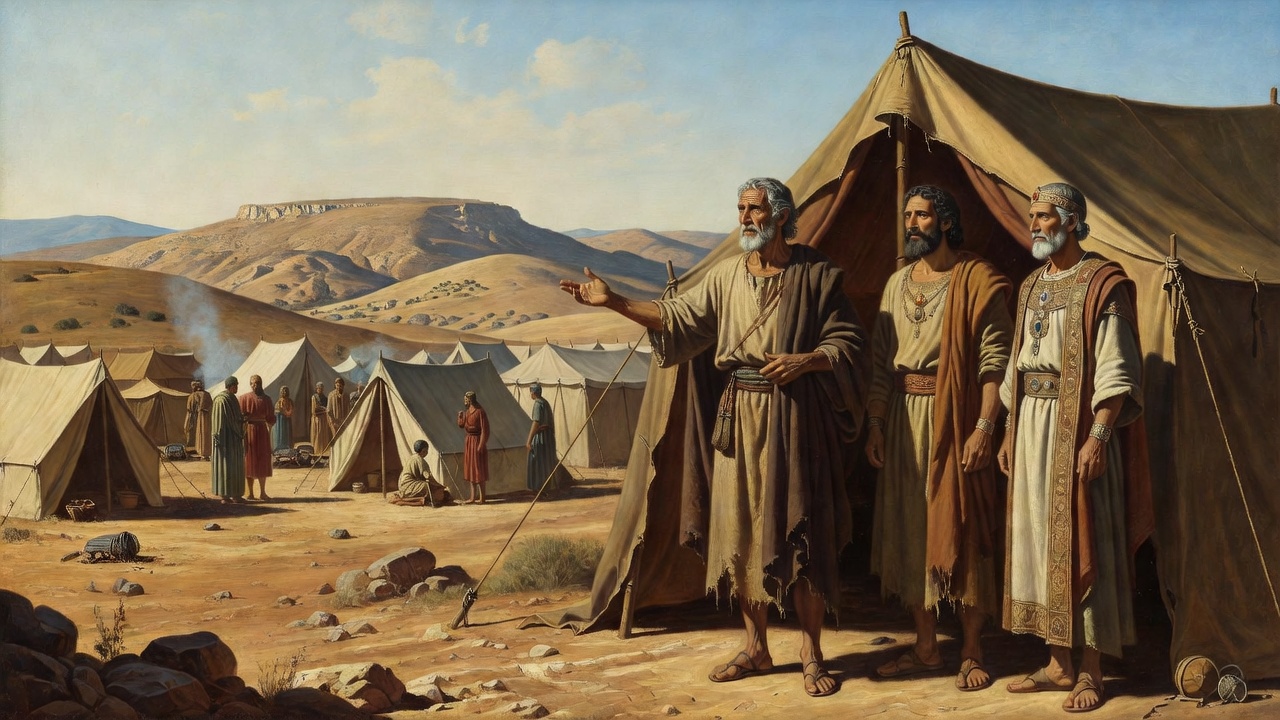
La heredad de Caleb y la repartición de Canaán
- La repartición de la tierra al oeste del Jordán fue dirigida por el sumo sacerdote Eleazar, Josué y los jefes tribales mediante suertes para nueve tribus y media. La tribu de Leví no recibió un territorio propio, sino únicamente ciudades con pastizales, mientras que los hijos de José, Efraín y Manasés, formaron dos porciones tribales separadas.Fuentes: el propio texto bíblico · Eleazar · Joseph (son of Jacob)
- A los ochenta y cinco años de edad, Caleb se presentó ante Josué en el campamento de Gilgal para solicitar la región montañosa y fortificada de Hebrón, recordando la promesa hecha cuarenta y cinco años antes por Moisés en Cades-barnea. La ciudad de Hebrón se llamaba antiguamente Quiriat-arba, en honor a Arba, el hombre más grande entre los anaceos.Fuentes: el propio texto bíblico · Caleb · Hebron · Kadesh-barnea
Notas escritas con ayuda de IA a partir de fuentes abiertas (Theographic Bible Metadata, CC BY-SA 4.0; Easton’s Bible Dictionary, dominio público) y revisadas antes de publicarse.
Lugares de este capítulo
- Canaan · 32.767, 35.333 · versículos 1, 7, 9
- Jordan · Hoy: Jordan River · 31.761, 35.558 · versículo 3
- Hebron · Hoy: Tel Rumeida · 31.525, 35.102 · versículos 13, 14, 15
Solo aparecen lugares identificados con alta confianza (90 % o más según las fuentes académicas reunidas por OpenBible). Mapa de la época: DARE (Digital Atlas of the Roman Empire), CC BY 4.0; mapa actual: © colaboradores de OpenStreetMap; lugares: OpenBible.info (CC BY 4.0).
Créditos y licencia de esta traducción
Bibeli Gusunɔn Gari
The Holy Bible in the Baatonum language of Benin, also called the Bariba language
copyright © 2013 SIM
Language: Bariba (Baatonum)
Translation by: SIM International
Bariba, Bibeli Gusunɔn Gari
This translation, published by the UEEB/SIM au Benin, was published in 1996.
If you are interested in obtaining a printed copy, please contact the SIM at SIM, BP 15, Parakou, Benin.
This translation text is made available to you under the
terms of the Creative Commons License: Attribution-Noncommercial-No Derivative Works.
( http://creativecommons.org/licenses/by-nc-nd/3.0/ )
In addition, you have permission to port the text to different file formats, as long as you
do not change any of the text or punctuation of the Bible.
You may share, copy, distribute, transmit, and extract portions
or quotations from this work, provided that you include the above copyright
information:
You must give Attribution to the work.
You do not sell this work for a profit.
You do not make any derivative works that change any of the actual words or punctuation of the Scriptures.
Permissions beyond the scope of this license may be
available if you contact
us with your request.
This translation is made available to you under the terms of the
Creative Commons Attribution-Noncommercial-No Derivatives license 4.0.
You may share and redistribute this Bible translation or extracts from it in any format, provided that:
You include the above copyright and source information.
You do not sell this work for a profit.
You do not change any of the words or punctuation of the Scriptures.
Pictures included with Scriptures and other documents on this site are licensed just for use with those Scriptures and documents.
For other uses, please contact the respective copyright owners.
2014-09-10
Fuente: http://ebible.org/bba/ · eBible.org