Jueces 18
Bibeli Gusunɔn Gari · Toca un versículo para ver sus referencias cruzadas.
1Sɑɑ ye sɔɔ, Isirelibɑ bɑǹ kpɑro mɔ. Mɛyɑ mɑɑ Dɑnubɑ bɑ kpɑnɑ bu ben tem mwɑ mɛ bɑ tubi di. Yerɑ bɑ bɔsu bɑ tem kɑsu. 2Mɑ bɑ tɑbu durɔ wɔruɡɔbɑ nɔɔbu ɡɔsɑ ben suunu sɔɔ bɑ bu ɡɔrɑ sɑɑ Soreɑn di kɑ Ɛsitɑolin di bu kɑ dɑ bu tem sɑriɑ mɛɛri. Mɑ tɔn be, bɑ seewɑ bɑ dɑ. Ye bɑ turɑ Efɑrɑimun ɡuunɔ, yerɑ bɑ duɑ Mikɑn yɛnuɔ bɑ kpunɑ. 3Sɑnɑm mɛ bɑ wɑ̃ɑ mi, yerɑ bɑ Lefi ɡoon nɔɔ nuɑ, mɑ bɑ win ɡɑri ɡerubu tubɑ. Yerɑ bɑ nùn sokɑ bɑ bikiɑ bɑ nɛɛ, mbɑ ɑ kom nɑ berɑ ɡee. Mbɑn sɔ̃nɑ ɑ wɑ̃ɑ mini.
4U bu wisɑ u nɛɛ, Mikɑwɑ u mɑn yii mini nɑ n sɑ̃ɑ win yɑ̃ku kowo, u n mɑn ɡobi kɔsiɑmɔ.
5Mɑ tɔn be, bɑ nùn sɔ̃ɔwɑ bɑ nɛɛ, ɑ Gusunɔ bikio u sun sɔ̃ɔsi bɛsɛn sɑnum mù n koo dorɑ.
6Mɑ yɑ̃ku kowo wi, u bu wisɑ u nɛɛ, i doo kɑ bɔri yɛndu. Yinni Gusunɔ u koo bɛɛ kpɑrɑ bɛɛn sɑnum sɔɔ.
7Mɑ tɔnu nɔɔbu be, bɑ doonɑ min di, bɑ dɑ Lɑisiɔ. Bɑ deemɑ berɑ min tɔmbɑ wɑ̃ɑwɑ bɔri yɛndu sɔɔ, nɑndɑbu sɑri, nɡe Sidoniɡibu. Domi tɔn tuko ɡoo kun bu bɑɑsi. Mɛyɑ bɑǹ mɑɑ wɛrɔ ɡoo mɔ turuku. Sidoniɡibu bɑ kɑ bu tomɑ. Bɑǹ mɑɑ wɑ̃ɑsinɛ kɑ bweseru ɡɑru. 8Lɑisi min di, tɔmbu nɔɔbu be, bɑ ɡɔsirɑ bɑ dɑ bɑ beɡibu deemɑ Soreɑɔ kɑ Ɛsitɑoliɔ. Mɑ beɡii be, bɑ bu bikiɑ bɑ nɛɛ, mbɑ kɑ mbɑ i wɑ mi ɡiɑ. 9Mɑ bɑ wisɑ bɑ nɛɛ, i seewo su dɑ su Lɑisiɡibu wɔri. Domi tem mi bɑ wɑ̃ɑ mi, tem ɡem tiiwɑ. I ku de sɑ n wɑ̃ɑ mini sɑ n kom yɑɑ bie. I seewo su dɑ fuuku su bu wɔri, su ben tem mɛ mwɑ. 10Tem mɛ, mu kpɑ̃, ɡɑ̃ɑnu kun mɑɑ bu kɔmiɛ. Sɑ̀ n turɑ mi, sɑ ko deemɑ wee bɑ wɑ̃ɑ bɔri yɛndu sɔɔ. Gusunɔ u koo mɑɑ sun bu nɔmu bɛriɑ.
11Yerɑ Dɑnun bwese te sɔɔ, tɔmbu nɑtɑ (600) bɑ seewɑ sɑɑ Soreɑn di kɑ Ɛsitɑolin di bɑ ben tɑbu yɑ̃nu nɛni. 12Bɑ dɑ Yɑrimun wuuɔ Yudɑn temɔ bɑ ben sɑnsɑni ɡirɑ mi. Yen sɔ̃nɑ bɑ yɑm mi sokumɔ Mɑkɑnɛ Dɑnu sere kɑ ɡisɔ. Yen tubusiɑnɑ Dɑnun sɑnsɑni. 13Sɑɑ min diyɑ bɑ mɑɑ dɑ Efɑrɑimun ɡuunɔ mɑ bɑ dɑ sere Mikɑn yɛnuɔ. 14Yerɑ tɔmbu nɔɔbu be bɑ rɑɑ tem min sɑriɑ mɛɛrim nɑ mi, bɑ beɡibu sɔ̃ɔwɑ bɑ nɛɛ, i yɛ̃ mɑ bwɑ̃ɑroku ɡe bɑ sii ɡeesu pote kɑ bwɑ̃ɑrokunu ɡɑnu nu wɑ̃ɑ diru mini? Ǹ n mɛn nɑ, i de su bwisiku ye n weenɛ su ko.
15Mɑ tɔn be, bɑ dɑ diru mi Lefi ɑluwɑɑsi wi, u wɑ̃ɑ. Mɑ bɑ nùn tɔburɑ. 16Tɔmbu nɑtɑ ye, bɑ dɑ bɑ yɔ̃ dii kɔnnɔwɔ bɑ tɑbu yɑ̃nu nɛni. 17Mɑ tɔmbu nɔɔbu be, bɑ duɑ Mikɑn dirɔ, bɑ bwɑ̃ɑroku ni yɑrɑmɑ kpuro. Sɑɑ ye sɔɔ, yɑ̃ku kowo wi, u yɔ̃ dii kɔnnɔwɔ kɑ tɔnu nɑtɑ ye. 18Ye u wɑ tɔn be, bɑ duɑ Mikɑn dirɔ bɑ bwɑ̃ɑroku ni yɑrɑmɑ, yerɑ u bu bikiɑ u nɛɛ, mbɑ i mɔ̀ mi.
19Yerɑ bɑ nùn wisɑ bɑ nɛɛ, ɑ wunɛn nɔɔ mɑrio. A ku ɡɑm ɡere. Sɑ ko nun ko bɛsɛn yɑ̃ku kowo. Yen yerɑ̀ ɑ kĩru bo, ɑ n sɑ̃ɑ tɔn turon yɑ̃ku koowo? Nɡe Isirelin bwese kɛri ɡirɑɡii.
20Mɑ ɡɑri yi, yi yɑ̃ku kowo wi dore. Yerɑ bɑ nùn bwɑ̃ɑroku ni wɛ̃ u kɑ bu swĩi.
21Mɑ Dɑnu be, bɑ ɡurenɑ bɑ doonɑ, bɑ ben bibu ɡbiisie kɑ yɑɑ sɑbenu kɑ sere ben sɔmunu. 22Ye bɑ yɑrɑ Mikɑn yɛnun di bɑ tondɑ, yerɑ be bɑ kɑ Mikɑ wɑ̃ɑ sɑnnu bɑ ɡurenɑ bɑ Dɑnu be nɑɑ ɡirɑ, 23bɑ bu sokumɔ tɑ̃ɑ tɑ̃ɑ. Yerɑ Dɑnu be, bɑ yɔ̃rɑ bɑ Mikɑ bikiɑ bɑ nɛɛ, mbɑ ɑ kĩ ɑ kɑ sun nɑɑ ɡire mɛ.
24Mɑ u bu wisɑ u nɛɛ, mbɑ n mɑɑ mɑn tie. Wee, i nɛn bũnu ɡurɑ mɑ i nɛn yɑ̃ku kowo mwɑ, mɑ i mɔ̀, mbɑ nɑ kĩ?
25Yerɑ bɑ nɛɛ, sɑǹ mɑɑ kĩ su wunɛn nɔɔ nɔ. À n mɑɑ yinɑ, bɛsɛn ɡɑbun mɔru koo se kpɑ bu nun wɔri bu ɡo tɛ̃, wunɛ kɑ wunɛn yɛnuɡibu.
26Mɑ Dɑnu be, bɑ ben swɑɑ wɔri bɑ n doonɔ. Ye Mikɑ u wɑ tɔn be, bɑ nùn dɑm kere, yerɑ u ɡɔsirɑmɑ u wumɑ win yɛnuɔ.
Dɑnubɑ bɑ Lɑisi kɑmiɑ
27Nɡe mɛyɑ Dɑnubɑ bɑ kɑ Mikɑn bwɑ̃ɑrokunu doonɑ kɑ win yɑ̃ku kowo sɑnnu. Yen biruwɑ bɑ dɑ bɑ Lɑisi wɔri, bɑ yen tɔmbu ɡo be bɑ rɑɑ wɑ̃ɑ bɔri yɛndu sɔɔ mi. Ye bɑ bu ɡo bɑ kpɑ, mɑ bɑ wuu ɡe dɔ̃ɔ mɛni. 28Goo kun kpĩɑ u Lɑisiɡii be fɑɑbɑ kue, domi Sidoniɡibu bɑ kɑ bu tomɑ. Bɑǹ mɑɑ kɑ bweseru ɡɑru wɑ̃ɑsinɛ. Bɑ wɑ̃ɑwɑ Bɛti Rehɔbun wɔwɑɔ. Yen biruwɑ Dɑnu be, bɑ wuu ɡe bɑnɑ bɑ sinɑ mi. 29Mɑ bɑ ɡu yĩsi kpɑɑru kɑ̃, Dɑnu. N deemɑ ben sikɑdon yĩsirɑ mi, wi u sɑ̃ɑ Yɑkɔbun bii. 30Yerɑ Dɑnu be, bɑ bwɑ̃ɑroku ɡe ɡirɑ bu kɑ sɑ̃. Mɑ Yonɑtɑm, Gɛɛsɔmun bii, Mɔwisin debubu, kɑ win bibu bɑ kuɑ ben yɑ̃ku kowobu sere bɑ rɑ kɑ Isirelibɑ ɡurɑ bɑ kɑ doonɑ tem tukumɔ. 31Nɡe mɛ Isireli be bɑ tie bɑ Yinni Gusunɔ sɑ̃ɑmɔ Siloɔ n kɑ tɛ, nɡe mɛyɑ Dɑnu be, bɑ mɑɑ bwɑ̃ɑroku ɡe bɑ ɡirɑ mi sɑ̃wɑ n kɑ tɛ.
Lefi ɡoo kɑ win kurɔ
¿Sabías que…?
La migración de Dan y el santuario robado
- En busca de un territorio propio, espías danitas encontraron Lais, un asentamiento tranquilo y aislado en el extremo norte, cerca de las fuentes del Jordán. Debido a que la ciudad carecía de alianzas militares y estaba lejos de la ciudad fenicia de Sidón, seiscientos guerreros danitas la capturaron e incendiaron con facilidad, reconstruyéndola con el nombre de Dan.Fuentes: el propio texto bíblico · Laish · Dan · Sidon
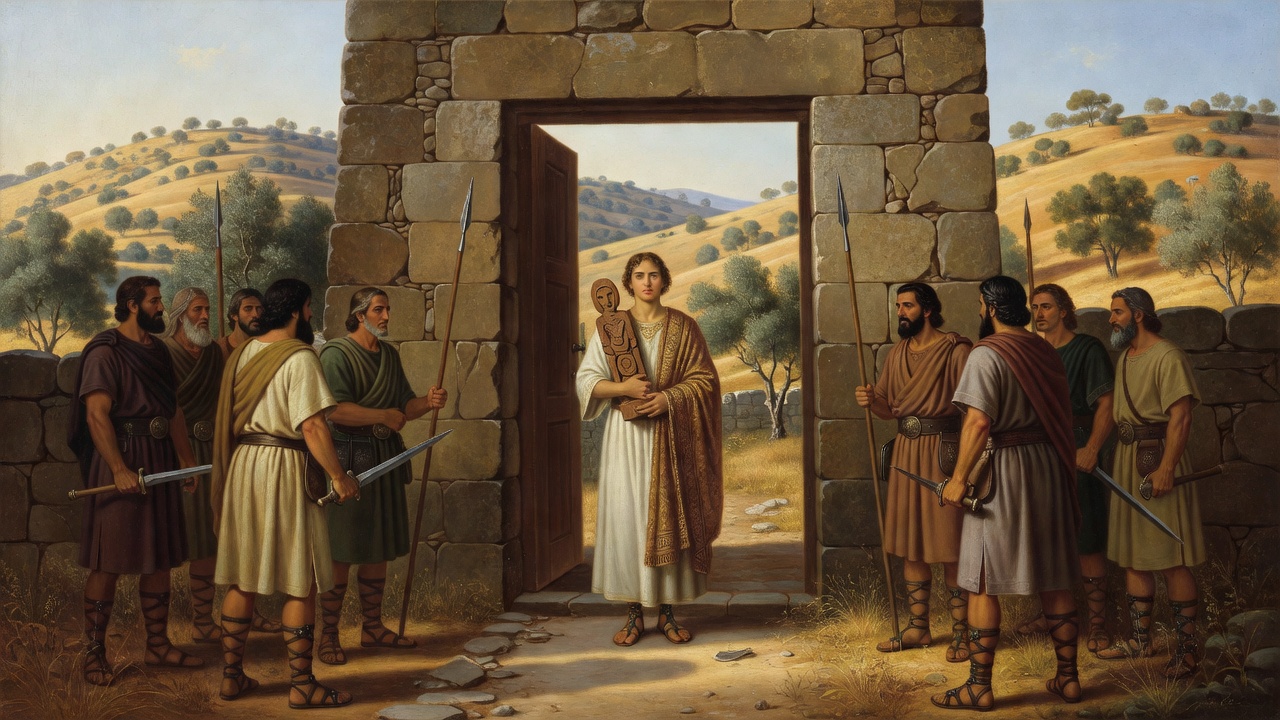
- En su marcha hacia el norte, los danitas confiscaron la imagen tallada, el efod y los ídolos domésticos de Micaías, convenciendo a su joven sacerdote levita de unirse a ellos como sacerdote tribal. Al final del relato, el sacerdote es identificado como Jonatán, hijo de Gersón, descendiente de Moisés, cuya familia mantuvo este sacerdocio en el norte durante generaciones.Fuentes: el propio texto bíblico · Jonathan · Gershom · Micah
- Los seiscientos guerreros danitas se movilizaron desde las ciudades de Zora y Estaol. Su campamento temporal al oeste de Quiriat-jearim, en el territorio de Judá, pasó a llamarse Mahaneh-dan, que significa 'Campamento de Dan'.Fuentes: el propio texto bíblico · Mahaneh-dan · Zorah · Eshtaol
Notas escritas con ayuda de IA a partir de fuentes abiertas (Theographic Bible Metadata, CC BY-SA 4.0; Easton’s Bible Dictionary, dominio público) y revisadas antes de publicarse.
Lugares de este capítulo
- Aram · 33.511, 36.306 · versículos 7, 28
- Dan · Hoy: Tel Dan · 33.249, 35.652 · versículos 7, 14, 27, 29
- Sidon · Hoy: Sandikli archaeological site in Sidon · 33.561, 35.372 · versículos 7, 28
- Kiriath-jearim · Hoy: Deir el Azar · 31.809, 35.104 · versículo 12
- Shiloh · Hoy: Khirbet Seilun · 32.056, 35.290 · versículo 31
Solo aparecen lugares identificados con alta confianza (90 % o más según las fuentes académicas reunidas por OpenBible). Mapa de la época: DARE (Digital Atlas of the Roman Empire), CC BY 4.0; mapa actual: © colaboradores de OpenStreetMap; lugares: OpenBible.info (CC BY 4.0).
Créditos y licencia de esta traducción
Bibeli Gusunɔn Gari
The Holy Bible in the Baatonum language of Benin, also called the Bariba language
copyright © 2013 SIM
Language: Bariba (Baatonum)
Translation by: SIM International
Bariba, Bibeli Gusunɔn Gari
This translation, published by the UEEB/SIM au Benin, was published in 1996.
If you are interested in obtaining a printed copy, please contact the SIM at SIM, BP 15, Parakou, Benin.
This translation text is made available to you under the
terms of the Creative Commons License: Attribution-Noncommercial-No Derivative Works.
( http://creativecommons.org/licenses/by-nc-nd/3.0/ )
In addition, you have permission to port the text to different file formats, as long as you
do not change any of the text or punctuation of the Bible.
You may share, copy, distribute, transmit, and extract portions
or quotations from this work, provided that you include the above copyright
information:
You must give Attribution to the work.
You do not sell this work for a profit.
You do not make any derivative works that change any of the actual words or punctuation of the Scriptures.
Permissions beyond the scope of this license may be
available if you contact
us with your request.
This translation is made available to you under the terms of the
Creative Commons Attribution-Noncommercial-No Derivatives license 4.0.
You may share and redistribute this Bible translation or extracts from it in any format, provided that:
You include the above copyright and source information.
You do not sell this work for a profit.
You do not change any of the words or punctuation of the Scriptures.
Pictures included with Scriptures and other documents on this site are licensed just for use with those Scriptures and documents.
For other uses, please contact the respective copyright owners.
2014-09-10
Fuente: http://ebible.org/bba/ · eBible.org