Isaías 63
Bibeli Gusunɔn Gari · Toca un versículo para ver sus referencias cruzadas.
1Wɑrɑ u wee Botisirɑn di
ye yɑ wɑ̃ɑ Edɔmun temɔ,
u yɑbe swɑ̃ɑru sebuɑ kom kom.
Mɑ u sĩimɔ kɑ win dɑm kpuro, kɑ toro sindu.
Yinni Gusunɔ u nɛɛ,
nɛnɑ nɑ wee n kɑ siri dee dee.
Nɑ dɑm mɔ n kɑ nɛn tɔmbu fɑɑbɑ ko.
2Mbɑn sɔ̃nɑ wunɛn yɑ̃nu nu sɔ̃ri
nɡe wi u resɛm ɡɑmɑmɔ.
3U wisɑ u nɛɛ,
nɛ turowɑ nɑ dɑ nɑ tɔmbu tɑɑkɑ nɡe resɛm.
Bwesenu kpuro sɔɔ, bɑɑ tɔn turo u ǹ nɛ u mɑn somi.
Nɑ bu tɑɑkɑ nɑ kɔsukɑ kɑ mɔru,
sere ben yɛm mu nɛn yɑ̃nu wisi nu disinu kuɑ.
4Domi nɑ ɡɔ̃ru doke n kɑ mɔru kɔsiɑ.
Tɔ̃rɑ mɑɑ turɑ n kɑ nɛn tɔmbu yɑkiɑ.
5Nɑ mɛɛrɑ mɛɛrɑ nɑ biti soorɑ.
Nɑ ǹ wɑ wi u koo mɑn somi.
Goo sɑri wi u koo mɑn dɑm kɛ̃.
Adɑmɑ nɛn mɔru yɑ mɑn dɑm sosiɑ nɑ kɑ nɑsɑrɑ wɑ.
6Wee, nɑ tɔmbu tɑɑkɑ kɑ mɔru.
Bɑ burisinɑ nɡe tɑm nɔrobu nɛn mɔrun sɔ̃.
Mɑ nɑ ben yɛm yɑri temɔ.
Yinni Gusunɔ
u Isirelibɑ durom kuɑ
7Kon Yinni Gusunɔn durom mɛ u sun kuɑ kpɑrɑ,
kpɑ n nùn tɔmɑ ye u sun kuɑn sɔ̃.
Kon win tɔn ɡeerun ɡɑri ɡere
te u bɛsɛ Isirelibɑ sɔ̃ɔsi
win wɔnwɔndu kɑ win kĩi bɑkɑrun sɑɑbu.
8U bwisikɑ u nɛɛ, sɑ sɑ̃ɑwɑ win tɔmbu,
sɑ ǹ nùn tɔnu kɑndu kuɑmmɛ.
Yen sɔ̃nɑ u sun fɑɑbɑ kuɑ.
9Bɛsɛn wɑhɑlɑ kpuro sɔɔ, u sun somi.
N ǹ mɔ win ɡɔrɑdo u sun fɑɑbɑ kuɑ,
win tiiwɑ u sun yɑkiɑ
win kĩru kɑ win wɔnwɔndun sɔ̃.
Mɑ u sun nɔɔri sɑɑ yellun di.
10Adɑmɑ sɑ nùn seesi sɑ win Hunde nuki sɑnkɑ.
Yen sɔ̃nɑ u kuɑ bɛsɛn yibɛrɛ
mɑ u kɑ sun tɑbu kuɑ.
11Mɑ sɑ Mɔwisin wɑɑti yɑɑyɑ sɑ nɛɛ,
mɑnɑ Yinni Gusunɔ u wɑ̃ɑ
wi u kɑ bɛsɛ kɑ bɛsɛn wiruɡibu nim wɔ̃ku tɔburɑ.
Mɑnɑ u wɑ̃ɑ,
wi u derɑ win Hunde Dɛɛro u wɑ̃ɑ bɛsɛn suunu sɔɔ.
12Mɑ u Mɔwisi kpɑrɑ kɑ win dɑm bɑkɑm.
U nim burɑnɑ bɛsɛn wuswɑɑɔ
u n kɑ yĩsi bɛɛrɛɡiru yɑrɑ
sere kɑ bɑɑdommɑɔ.
13U sun kpɑrɑ nim bweru sɔɔ.
Mɑ sɑ sĩɑ ɡbɑburɔ
nɡe dumi yi yi duki mɔ̀,
sɑ ǹ sokure.
14Win Hunde u kɑ sun dɑ sɑ wɛ̃rɑ
nɡe mɛ yɑ̃ɑ kpɑro u rɑ kɑ win yɑɑ sɑbenu de wɔwɑɔ.
Nɡe mɛyɑ u sun kpɑrɑ u kɑ yĩsi bɛɛrɛɡiru yɑrɑ.
Isirelibɑ bɑ Gusunɔ
wɔnwɔndu kɑ somiru kɑnɑmɔ
15Yinni Gusunɔ,
ɑ mɛɛrimɑ sɑɑ wɔllun di
mi wunɛn wɑ̃ɑ yee dɛɛrɑru kɑ yiikoɡirɑ wɑ̃ɑ,
kpɑ ɑ wɑ ye yɑ sun mɔ̀.
Mɑnɑ wunɛn hɑniɑ kɑ wunɛn dɑm mu wɑ̃ɑ.
Wee ɑ sun wunɛn kĩru kɑ wunɛn wɔnwɔndu wunɑri.
16Adɑmɑ wunɑ ɑ sɑ̃ɑ bɛsɛn bɑɑbɑ.
Bɛsɛn yĩiyɔbu kun mɑɑ wɑ̃ɑ bɛsɛn sikɑdobɑ sɔɔ.
Bɑɑ Aburɑhɑmu kɑ Isireli bɑ̀ kun sun wure,
Yinni Gusunɔ, wunɑ ɑ sɑ̃ɑ bɛsɛn bɑɑbɑ,
wunɛ wi ɑ sun fɑɑbɑ kuɑ sɑɑ yellun di.
17Yinni Gusunɔ,
mbɑn sɔ̃nɑ ɑ derɑ sɑ kɑ wunɛn swɛɛ tondɑ,
mɑ bɛsɛn ɡɔ̃rusu bɔbiɑ,
sɑ ǹ mɑɑ nun nɑsie.
A wurɑmɑ bɛsɛn kĩrun sɔ̃ bɛsɛ be sɑ nun sɑ̃ɑmɔ.
Sɑ sɑ̃ɑwɑ wunɛɡibu sɑɑ yellun di.
18Wee, sɑɑ fiiko tɔnɑwɑ bɛsɛ wunɛn tɔn be ɑ ɡɔsɑ,
sɑ sinɑ tem mɛ sɔɔ.
Mɑ bɛsɛn yibɛrɛbɑ bɑ wunɛn sɑ̃ɑ yeru wɔri bɑ kɔsukɑ.
19Wee yɑ tɛ, mìn di sɑ sɑ̃ɑ nɡe be ɑ ǹ kpɑre,
kɑ be bɑ ǹ wunɛn yĩsiru sɔɔwɑ.
Yinni Gusunɔ, sɑ nun mɑrɑ
ɑ wɔllu ɡĩɑ kpɑ ɑ sɑrɑmɑ.
À n tunumɑ, ɡuunu nu koo diiri bɛrum sɔ̃.
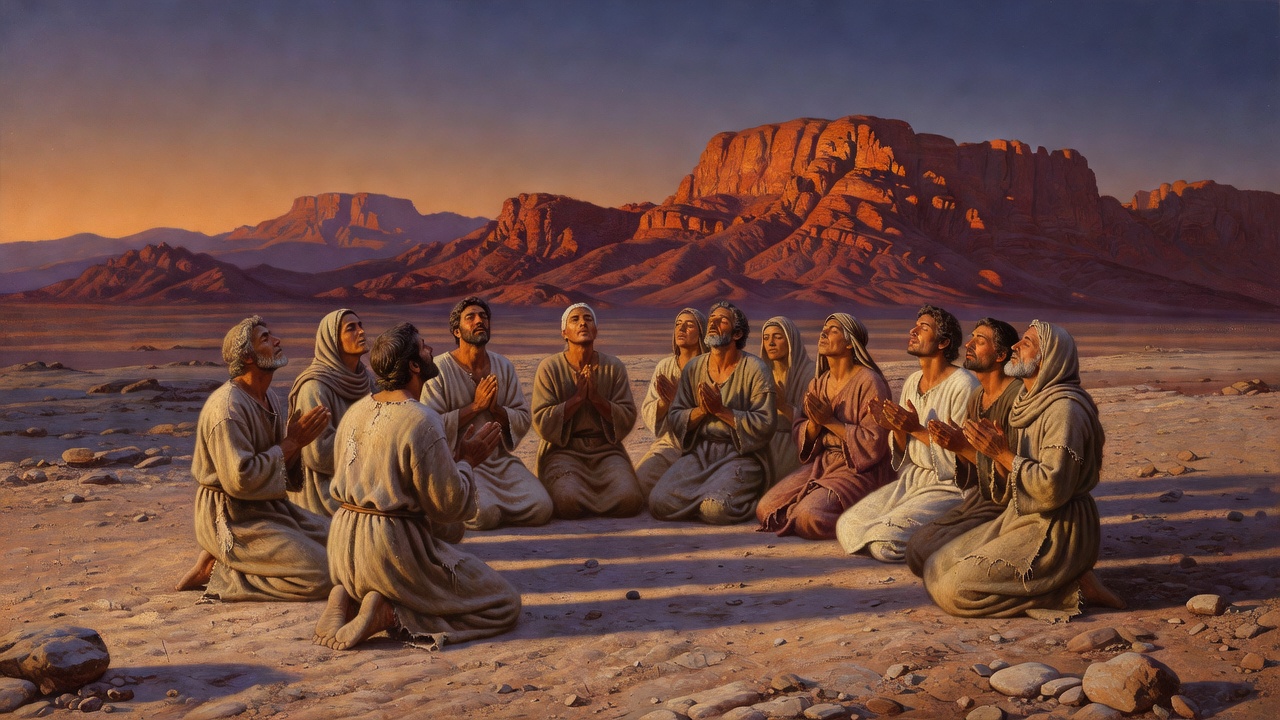
¿Sabías que…?
Juicio sobre Edom y una Oración de Recuerdo
- El capítulo comienza con la visión vívida de un conquistador que llega desde Bosra, una antigua capital de la montañosa región de Edom. Las imágenes aluden al nombre Edom, que significa rojo, describiendo a la figura con vestiduras teñidas de carmesí como las de quien pisa uvas en un lagar.Fuentes: Bozrah · Edom · Esau (Edom) · el propio texto bíblico
- La parte central del capítulo reflexiona sobre el pasado de Israel, recordando expresamente los días de Moisés, cuando Dios dividió las aguas del mar y guio a su pueblo por las profundidades mediante su Espíritu Santo.Fuentes: Moses · el propio texto bíblico
- En su sincera súplica, el pueblo se dirige a Dios como su Padre y Redentor, afirmando que, aun si patriarcas como Abraham e Israel no los reconocieran, Dios sigue siendo su protector.Fuentes: Abraham · el propio texto bíblico
Notas escritas con ayuda de IA a partir de fuentes abiertas (Theographic Bible Metadata, CC BY-SA 4.0; Easton’s Bible Dictionary, dominio público) y revisadas antes de publicarse.
Lugares de este capítulo
Solo aparecen lugares identificados con alta confianza (90 % o más según las fuentes académicas reunidas por OpenBible). Mapa de la época: DARE (Digital Atlas of the Roman Empire), CC BY 4.0; mapa actual: © colaboradores de OpenStreetMap; lugares: OpenBible.info (CC BY 4.0).
Créditos y licencia de esta traducción
Bibeli Gusunɔn Gari
The Holy Bible in the Baatonum language of Benin, also called the Bariba language
copyright © 2013 SIM
Language: Bariba (Baatonum)
Translation by: SIM International
Bariba, Bibeli Gusunɔn Gari
This translation, published by the UEEB/SIM au Benin, was published in 1996.
If you are interested in obtaining a printed copy, please contact the SIM at SIM, BP 15, Parakou, Benin.
This translation text is made available to you under the
terms of the Creative Commons License: Attribution-Noncommercial-No Derivative Works.
( http://creativecommons.org/licenses/by-nc-nd/3.0/ )
In addition, you have permission to port the text to different file formats, as long as you
do not change any of the text or punctuation of the Bible.
You may share, copy, distribute, transmit, and extract portions
or quotations from this work, provided that you include the above copyright
information:
You must give Attribution to the work.
You do not sell this work for a profit.
You do not make any derivative works that change any of the actual words or punctuation of the Scriptures.
Permissions beyond the scope of this license may be
available if you contact
us with your request.
This translation is made available to you under the terms of the
Creative Commons Attribution-Noncommercial-No Derivatives license 4.0.
You may share and redistribute this Bible translation or extracts from it in any format, provided that:
You include the above copyright and source information.
You do not sell this work for a profit.
You do not change any of the words or punctuation of the Scriptures.
Pictures included with Scriptures and other documents on this site are licensed just for use with those Scriptures and documents.
For other uses, please contact the respective copyright owners.
2014-09-10
Fuente: http://ebible.org/bba/ · eBible.org