Oseas 4
Bibeli Gusunɔn Gari · Toca un versículo para ver sus referencias cruzadas.
1Bɛɛ Isirelibɑ, i nɛ, Yinni Gusunɔ swɑɑ dɑkio.
Domi nɑ siribu mɔ kɑ bɛɛ tem mɛn tɔmbu
yèn sɔ̃ wɔnwɔnduɡii ɡoo sɑri bɛɛ sɔɔ,
ɡemɡii ɡoo mɑɑ sɑri.
Mɛyɑ bɛɛn ɡoo kun mɑɑ mɑn yɛ̃.
2I nɔɔ mwɛɛnu mɔ̀ kɑ bɔ̃ri, ɑdɑmɑ weesɑ i mɔ̀.
Mɛyɑ i mɑɑ tɔmbu ɡoomɔ, i ɡbɛnimɔ, i sɑkɑrɑru mɔ̀.
I dɑm dɔrenɑmɔ, mɑ tɔn ɡoberɑ sosimɔ tɑ dɔɔ.
3Yen sɔ̃nɑ nɛ, Yinni Gusunɔ, kon de tem mɛ, mu ɡberɑ.
Bɛɛ be i wɑ̃ɑ mi kpuro, i ko woorɑwɑ
sɑɑ ɡbeeku yɛɛn di n kɑ dɑ ɡunɔsɔ kɑ wɛɛyɔ,
ye kpurowɑ yɑ koo kɑm ko.
Yinni Gusunɔ
u yɑ̃ku kowobu tɑɑrɛ wɛ̃ɛmɔ
4Yinni Gusunɔ u nɛɛ, ɡoo u ku rɑɑ kɑ tii yinɑ
ǹ kun mɛ u ɡoo ɡerusi.
Domi wunɛ yɑ̃ku kowo tɔnwerowɑ nɑ kɑ sɑnnɑmɔ.
5Sɔ̃ɔ teeru kɑɑ wɔrumɑwɑ sɔ̃ɔ sɔɔ ɡbɑ̃ɑrɑ
kpɑ wunɛn beruse nɛn sɔmɔ u mɑɑ wɔrumɑ wɔ̃kuru.
Kon mɑɑ Isirelin bweseru ɡo te tɑ sɑ̃ɑ nɡe wunɛn mɛro.
6Wee nɛn tɔmbɑ ɡbimɔ yèn sɔ̃ bɑ ǹ mɑn yɛ̃.
Adɑmɑ wunɛn tii, ɑ yinɑ ɑ mɑn wurɑ.
Yen sɔ̃, kon nun yinɑ kpɑ ɑ kun mɑɑ sɑ̃ɑ nɛn yɑ̃ku kowo tɔnwero.
Nɡe mɛ ɑ nɛ, Yinni Gusunɔn woodɑbɑ duɑri,
nɡe mɛyɑ kon mɑɑ wunɛn bibu duɑri.
7Nɡe mɛ bɑ dɑbiɑmɔ, nɡe mɛyɑ bɑ mɑn torɑrimɔ bɑ dɔɔ.
Kon ben bɛɛrɛ kpeesiɑ kpɑ bu sekuru wɑ.
8Wee bɑ kuurɑmɔ nɛn tɔmbun torɑnun sɔ̃.
Mɑ bɑ bu bɔriemɔ bɑ n kɑ torɑmɔ bɑ n dɔɔ.
9Yen sɔ̃, sɛɛyɑsiɑ tee biyɑ kon nɛn tɔmbu kɑ ben yɑ̃ku kowobu ko.
Kon bu sɛɛyɑsiɑwɑ nɡe mɛ ben dɑɑ yɑ nɛ.
Kon bu kɔsiɑwɑ nɡe mɛ ben kookoosu nɛ.
10Bɑ koo di, ɑdɑmɑ bɑ ǹ debumɔ.
Bɑ koo sɑkɑrɑru ko bũu nuurɔ bu kɑ bibu wɑn sɔ̃.
Adɑmɑ bɑ ǹ mɑrumɔ yèn sɔ̃ bɑ nɛ, Yinni Gusunɔ biru kisi
bɑ ǹ nɛn woodɑbɑ swĩi.
11Yinni Gusunɔ u nɛɛ, sɑkɑrɑru kɑ tɑmɑ mu nɛn tɔmbun wiru ɡɔsiɑ.
12Dɑ̃ɑ kukun miyɑ bɑ rɑ bikiɑru de ɡu kɑ bu ɡɑri sɔ̃.
Bũu ɡɑsiribu derɑ bɑ kɔ̃ɔrɑ mɑ bɑ kɑ mɑn tondɑ.
13Bɑ rɑ de bɑ n yɑ̃kunu mɔ̀ ɡuunu wɔllɔ,
kpɑ bɑ n turɑre dɔ̃ɔ dokemɔ ɡunɡunu wɔllɔ
kɑ dɑ̃ɑ bɑkɑ bwese bwesekɑn nuurɔ nìn sɑɑrɑ bu wɛ̃re.
Yen sɔ̃nɑ ben bii wɔndiɑbɑ bɑ sekuru sɑriru mɔ̀.
Mɑ ben biiɡii kurɔbu bɑ sɑkɑrɑru mɔ̀.
14Nɑ ǹ ben bii wɔndiɑ be, kɑ ben biiɡii kurɔ be sɛɛyɑsiɑmɔ
ben sekuru sɑri te, kɑ ben sɑkɑrɑ te bɑ mɔ̀n sɔ̃.
Domi ben mɔwɔbun tii bɑ sɑkɑrɑru mɔ̀ kɑ kurɔ be bɑ wɑ̃ɑ bũu sɑ̃ɑrun sɔ̃.
Mɑ bɑ mɑɑ yɑ̃kunu mɔ̀ sɑnnu kɑ be.
Adɑmɑ bɑ n yɛ̃ nɡe mɛ mɔndu ɡɑrɑ ɡeruɑ tɑ nɛɛ,
tɔn be bɑ ǹ lɑɑkɑri mɔ, bɑ kɑm kobu dɔɔwɑ.
15Isirelibɑ bɑ bũnu ɡɑsirimɔ,
ɑdɑmɑ Yudɑbɑ bu ku rɑɑ bu swĩi.
Bu ku dɑ Giliɡɑliɔ ǹ kun mɛ Betɛli Afɛniɔ bu kɑ yɑ̃kunu ko
kpɑ bɑ n bɔ̃rumɔ bɑ n mɔ̀,
sere kɑ Yinni Gusunɔn wɑ̃ɑru.
16Isirelibɑ bɑ sɑ̃ɑwɑ nɡe nɑɑ ɡbiibɑ ye bɑ kpɑnɑ bu kpɑrɑ. Adɑmɑ tɛ̃, Yinni Gusunɔ u koo bu yɔ̃su bɑtumɑ sɔɔ nɡe yɑ̃ɑnu. 17Isirelibɑ bɑ bũnu sɑ̃ɑmɔ. A bu derio mi. 18Bɑ̀ n tɑm nɔrɑ bɑ kpɑ, bɑ rɑ n yɑnde dɔɔwɑ bu sɑkɑrɑru ko. Wee ben wiruɡibu bɑ rɑ n kĩwɑ bɑ n wɑ̃ɑ sekuru sɑri kom sɔɔ. 19Sɔ̃ɔ teeru woo ɡɑ koo nɑ ɡu bu suɑ ɡu kɑ doonɑ kpɑ bu sekuru wɑ ben yɑ̃ku nin sɔ̃.
Keu koosio kɔ̃sobu
¿Sabías que…?
La acusación de Dios contra Israel
- Oseas se refiere al santuario del norte en Betel como Bet-avén, que significa casa de nada o casa de ídolos. Este juego de palabras despectivo contrastaba con el significado original de Betel, casa de Dios, señalando la transformación del lugar en un centro de culto a becerros.Fuentes: Beth-aven · el propio texto bíblico
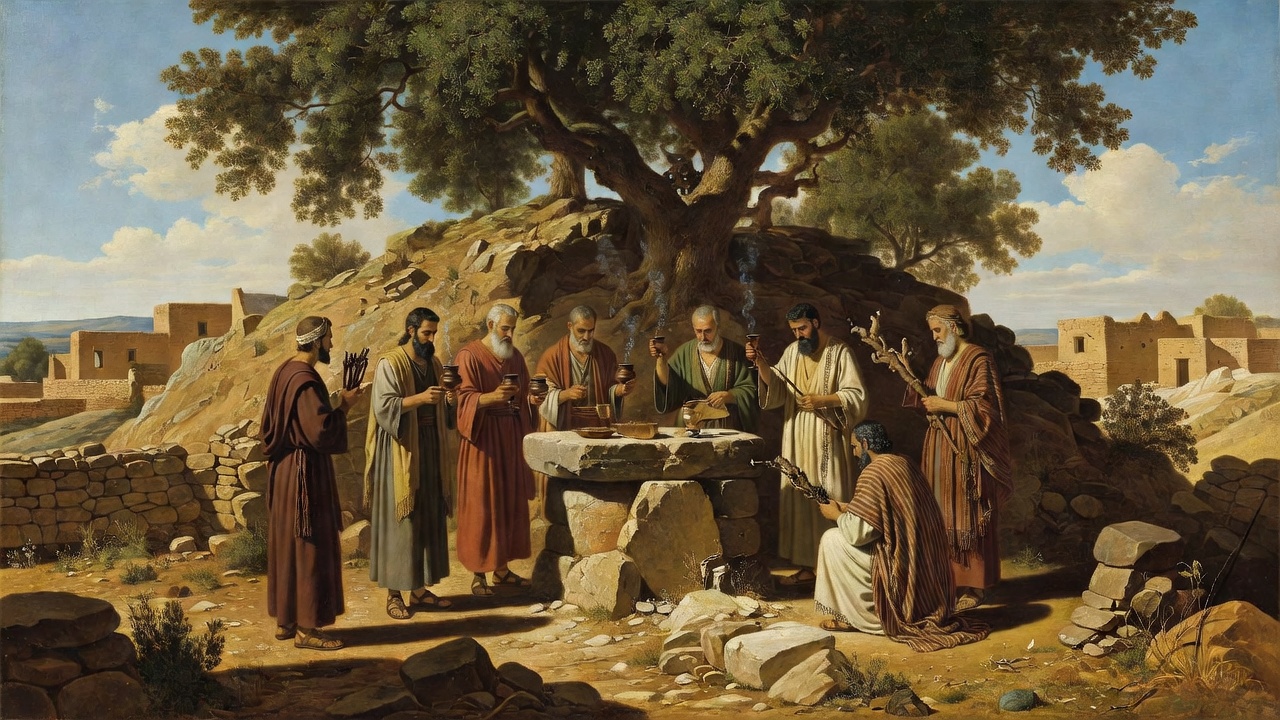
- El capítulo resalta cómo las prácticas religiosas tenían lugar en las cumbres de los montes y bajo la sombra agradable de robles, álamos y terebintos. La gente combinaba estos sacrificios al aire libre con adivinación mediante ídolos de madera y varas.Fuentes: el propio texto bíblico
Notas escritas con ayuda de IA a partir de fuentes abiertas (Theographic Bible Metadata, CC BY-SA 4.0; Easton’s Bible Dictionary, dominio público) y revisadas antes de publicarse.
Lugares de este capítulo
- Beth-aven · Hoy: Beitin · 31.923, 35.241 · versículo 15
Solo aparecen lugares identificados con alta confianza (90 % o más según las fuentes académicas reunidas por OpenBible). Mapa de la época: DARE (Digital Atlas of the Roman Empire), CC BY 4.0; mapa actual: © colaboradores de OpenStreetMap; lugares: OpenBible.info (CC BY 4.0).
Créditos y licencia de esta traducción
Bibeli Gusunɔn Gari
The Holy Bible in the Baatonum language of Benin, also called the Bariba language
copyright © 2013 SIM
Language: Bariba (Baatonum)
Translation by: SIM International
Bariba, Bibeli Gusunɔn Gari
This translation, published by the UEEB/SIM au Benin, was published in 1996.
If you are interested in obtaining a printed copy, please contact the SIM at SIM, BP 15, Parakou, Benin.
This translation text is made available to you under the
terms of the Creative Commons License: Attribution-Noncommercial-No Derivative Works.
( http://creativecommons.org/licenses/by-nc-nd/3.0/ )
In addition, you have permission to port the text to different file formats, as long as you
do not change any of the text or punctuation of the Bible.
You may share, copy, distribute, transmit, and extract portions
or quotations from this work, provided that you include the above copyright
information:
You must give Attribution to the work.
You do not sell this work for a profit.
You do not make any derivative works that change any of the actual words or punctuation of the Scriptures.
Permissions beyond the scope of this license may be
available if you contact
us with your request.
This translation is made available to you under the terms of the
Creative Commons Attribution-Noncommercial-No Derivatives license 4.0.
You may share and redistribute this Bible translation or extracts from it in any format, provided that:
You include the above copyright and source information.
You do not sell this work for a profit.
You do not change any of the words or punctuation of the Scriptures.
Pictures included with Scriptures and other documents on this site are licensed just for use with those Scriptures and documents.
For other uses, please contact the respective copyright owners.
2014-09-10
Fuente: http://ebible.org/bba/ · eBible.org