Ezequiel 44
Bibeli Gusunɔn Gari · Toca un versículo para ver sus referencias cruzadas.
1Durɔ wi, u mɑɑ kɑ Esekiɛli dɑ tɔɔwɔ kɔnnɔ ɡe ɡɑ wɑ̃ɑ sɔ̃ɔ yɑri yeru ɡiɑ. N deemɑ kɔnnɔ ɡe, ɡɑ kɛnuɑwɑ. 2Yerɑ Yinni Gusunɔ u nùn sɔ̃ɔwɑ u nɛɛ, kɔnnɔ ɡe, ɡɑ ko n kɛnuɑwɑ bɑ ǹ ɡu kɛniɑmɔ. Goo kun mɑɑ sɑrɔ mi, domi nɛ, Gusunɔ Isirelibɑn Yinniwɑ nɑ duɑ min di. Yen sɔ̃, ɡɑ ko n kɛnuɑwɑ. 3Adɑmɑ bɛɛn kpɑro u koo kpĩ u sinɑ mi, u kɑ di nɛ Yinni Gusunɔn wuswɑɑɔ. Wiyɑ u koo mɑɑ kpĩ u du kɔnnɔ ɡen ɑdɛrɔn di kpɑ u yɑri min di.
Bɑnɡo sɑribɑ bɑ ǹ duɔ
Yinni Gusunɔn sɑ̃ɑ yerɔ
4Mɑ durɔ wi, u kɑ Esekiɛli dɑ kɔnnɔwɔ ɡe ɡɑ wɑ̃ɑ sɔ̃ɔ yɛ̃sɑn nɔm ɡeu ɡiɑ sɑ̃ɑ yee ten dee deeru. Ye Esekiɛli u mɛɛrɑ yerɑ u wɑ wee Yinni Gusunɔn yiikon ɡirimɑ yɑ win sɑ̃ɑ yee te yibɑ. Mɑ u yiirɑ u wiru ten ɡirɑri. 5Yerɑ Yinni Gusunɔ u nɛɛ, tɔnun bii, ɑ wunɛn lɑɑkɑri dokeo kpɑ ɑ mɛɛri sɑ̃ɑ sɑ̃ɑ kɑ wunɛn tiin nɔni kpɑ ɑ swɑɑ dɑki ɑ nɔ ye kon nun sɔ̃ sɑ̃ɑ yee ten woodɑbɑn sɔ̃. A yen dubu kɑ yen yɑribun woodɑ nɔni dokeo.
6A Isirelibɑ sɔ̃ɔwɔ be, be bɑ sɑ̃ɑ mɛm nɔɔ sɑribɑ ɑ nɛɛ, ben dɑɑ kɔ̃sɑ ye, yɑ den mɑn nuɑ. 7Wee bɑ derɑ tɔn tuko bɑnɡo sɑribɑ be bɑ ǹ mɑn sɑ̃ɑmɔ bɑ duɑ nɛn sɑ̃ɑ yerɔ bɑ tu disi doke. Sɑnɑm mɛ be, Isirelibɑ bɑ mɑn yɑ̃kuru kuɑmmɛ kɑ pɛ̃ɛ kɑ yɑɑ ɡum kɑ yɑɑ yɛm, bɑ ku rɑ nɛn ɑrukɑwɑni mɛm nɔɔwɛ ben dɑɑ kɔ̃sɑn sɔ̃. 8Ben tii bɑ ǹ nɛn sɑ̃ɑ yerun sɔmburu nɔni doke. Adɑmɑ sɔbɑ bɑ tu nɔmu sɔndiɑ. 9Nɛ, Yinni Gusunɔ nɑ nɛɛ, tɛ̃, sɔɔ ɡoo ù n wɑ̃ɑ ben suunu sɔɔ, mɑ u ǹ mɑn sɑ̃ɑmɔ, mɑ u ǹ mɑɑ bɑnɡo kue, u ǹ duɔ nɛn sɑ̃ɑ yeru mi.
Woodɑ Lefibɑn sɔ̃
10Yenibɑn biru, Yinni Gusunɔ u mɑɑ nɛɛ, Lefi be bɑ rɑɑ kɑ mɑn tondɑ sɑnɑm mɛ Isirelibɑ bɑ mɑn deri mɑ bɑ dɑ bɑ bũnu swĩi, bɑ koo ben torɑnun ɑre mwɑ. 11Bɑ ko n sɑ̃ɑwɑ nɛn sɑ̃ɑ yerun sɔm kowobu. Berɑ bɑ ko n dɑ n sɑ̃ɑ yee ten kɔnnɔsu mɑrɑ. Kpɑ bɑ n ten sɔmɑ mɔ̀. Beyɑ bɑ ko n dɑ Isirelibɑn yɑ̃ku dɔ̃ɔ mwɑɑruɡirun yɑɑ sɑke kpɑ bɑ n wɑ̃ɑ nɛ Yinni Gusunɔn sɔ̃. 12Wee tɛ̃, bɑ sɑ̃ɑ Isirelibɑn yɑ̃ku kowobu bũnun nuurɔ, mɑ bɑ derɑ Isirelibɑ bɑ torɑ. Yen sɔ̃, kon nɔmɑ suɑ n bu so kpɑ bu ben torɑnun ɑre mwɑ. 13Nɑ ǹ mɑɑ wurɑmɔ bu mɑn susi bu Isirelibɑ yɑ̃kuru kuɑ. Bɑ ǹ mɑɑ duɔ nɛn sɑ̃ɑ yerun dii dɛɛrɑrɔ kɑ dii te tɑ dɛɛre ɡem ɡem mi. Bɑ koo sekuru wɑ kpɑ bu ben dɑɑ kɔ̃sɑn ɑre mwɑ. 14Sɑ̃ɑ yerun nɛnubun sɔmɑ kon bu wɛ̃ bu ko.
Woodɑ
yɑ̃ku kowo tɔnwerobun sɔ̃
15Adɑmɑ yɑ̃ku kowobu Lefibɑ Sɑdɔkun bweseru sɔɔ, be bɑ sɔmburu kuɑ nɛn sɑ̃ɑ yerɔ sɑnɑm mɛ Isirelibɑ bɑ torɑ bɑ mɑn deri, beyɑ bɑ ko n dɑ mɑn susi bu yɑ̃kuru ko kɑ pɛ̃ɛ kɑ yɑɑ ɡum kɑ yɑɑ yɛm. Nɛ, Yinni Gusunɔwɑ nɑ yeni ɡeruɑ. 16Beyɑ bɑ ko n dɑ du nɛn sɑ̃ɑ yerɔ kpɑ bu susi nɛn tɑbuluɔ bu mɑn sɑ̃. Kpɑ bu nɛn sɑ̃ɑ yee ten sɔmburu nɔni doke. 17Bɑ̀ n duɔ sɑ̃ɑ yee ten yɑɑrɑ sɔɔkɑɑɔ, kon de bɑ n sɑ̃ɑ yɑ̃nu dokewɑ ni bɑ kuɑ kɑ wɛ̃ɛ dɑmɡii. Bɑ̀ n sɔmburu mɔ̀ sɑ̃ɑ yee ten yɑɑrɑ mi kɑ sere ten tiin sɔɔwɔ bɑ ǹ yɑ̃nu dokemɔ ni bɑ kuɑ kɑ yɑ̃ɑ sɑnsu. 18Bɑ ko n dɑwɑni bɔkuɑwɑ kpɑ bɑ n sokoto kpirinu deewɑ, ye kpuro yɑ n sɑ̃ɑ ye bɑ wesɑ kɑ wɛ̃ɛ dɑmɡii. Kpɑ bu ku rɑɑ kpɑkɑ sɛ̃ke bu ku kɑ wɛnyɑn sɔ̃. 19Bu sere yɑri bu dɑ yɑɑrɑ mi Isirelibɑ bɑ mɛnnɛ, bɑ koo ɡinɑ ben yɑ̃ku yɑ̃ɑ ni potiriwɑ bu yi sɑ̃ɑ yeru mi. Kpɑ bu ku rɑɑ kɑ nu tɔmbu bɑbɑn sɔ̃ nu disi duurɑ. Sɑɑ ye, kpɑ bu ɡɑnu doke bu kɑ yɑrimɑ.
20Yɑ̃ku kowobu bɑ ǹ wii pɔɔru potɑmɔ. Bɑ ǹ mɑɑ derimɔ ben seri yi dɛnyɑ. 21Yɑ̃ku kowo ɡoo u ku rɑɑ tɑm nɔ u sere dɑ nɛn sɑ̃ɑ yerun yɑɑrɑ sɔɔkɑɑɔ. 22Ben ɡoo u ku rɑɑ mɑɑ ɡɔmini ǹ kun mɛ kurɔ wi bɑ yinɑ suɑ kurɔ. Isirelibɑ sɔɔrɑ u koo wɔndiɑ wi u kun durɔ yɛ̃ suɑ. Adɑmɑ u koo kpĩ u yɑ̃ku kowo ɡoon ɡɔmini suɑ.
23Bɑ koo nɛn tɔmbu sɔ̃ɔsiwɑ ye yɑ sɑ̃ɑ nɛ Gusunɔɡiɑ kɑ ye yɑ ǹ sɑ̃ɑ nɛɡiɑ. Yeyɑ, ye yɑ dɛɛre kɑ ye yɑ ǹ dɛɛre. 24Berɑ bɑ koo nɛn tɔmbu siriɑ nɡe mɛ nɛn woodɑbɑ bɑ ɡeruɑ. Kpɑ bu nɛn woodɑbɑ mɛm nɔɔwɑ kɑ nɛn tɔ̃ɔ bɑkɑ ni nɑ bu wɛ̃, kpɑ bu nɛn tɔ̃ɔ wɛ̃rɑruɡiru bɛɛrɛ wɛ̃.
25Yɑ̃ku kowo u ku ɡoon ɡoru bɑbɑ kpɑ u ku rɑɑ tii disi doke. Adɑmɑ u koo kpĩ u win tiin tundon ɡoru bɑbɑ kɑ win mɛroɡiru kɑ win bibuɡinu kɑ win mɔɔɡiru kɑ win wɔnɔɡiru kɑ win sesu wi u kun durɔ yɛ̃ɡiru. 26Ù n tii dɛɛrɑsiɑ ɡoo ten sɔ̃, sɔ̃ɔ nɔɔbɑ yiruwɑ u koo ko u sere win sɔmburu tore. 27Dɔmɑ te u koo du dii te tɑ dɛɛre mi, u koo ɡinɑ win tiin torɑnun yɑ̃kuru ko. Nɛ, Yinni Gusunɔwɑ nɑ yeni ɡeruɑ. 28Wee ye yɑ ko n sɑ̃ɑ ben tubi. Nɛnɑ bɑ koo sɔmburu kuɑ. Bɑ ǹ bu tem ɡɑm wɛ̃ɛmɔ bɑ n mɔ Isireliɔ. Nɛnɑ ko nɑ n sɑ̃ɑ nɡe ben tem kɔsire. 29Ye bɑ kɑ torɑrun yɑ̃kunu kɑ yɑ̃ku ni bɑ rɑ kɑ torɑnu sɔmɛ kuɑ kɑ kɛ̃ɛ ni bɑ kɑ nɑɑmɔ kɑ sere ye bɑ yi nɛ, Yinni Gusunɔn sɔ̃, ye kpuro yɑ ko n sɑ̃ɑwɑ ben dĩɑnu. 30Dĩɑ ɡbiikii ni bɑ koo kɑ nɛ, Yinni Gusunɔ nɑɑwɑ, nu koo kowɑ yɑ̃ku kowobuɡinu. Isirelibɑ bɑ ko n dɑ ben dĩɑ bimin som ɡem yɑ̃ku kowobu wɛ̃wɑ kpɑ n bu domɑru kuɑ. 31Adɑmɑ yɑ̃ku kowobu bɑ ǹ yɑɑ ɡoru ǹ kun mɛ ɡunɔ ɡoru dimɔ ǹ kun mɛ ye ɡɑ̃ɑnu kɑsukɑ nu ɡo.
Tem mɛ bɑ koo wunɑ nɛnɛm
¿Sabías que…?
Ordenanzas del santuario y el sacerdocio
- El profeta distingue entre los levitas en general y los sacerdotes descendientes de Sadoc. Como el linaje de Sadoc se mantuvo fiel cuando Israel se descarrió, solo a ellos se les concedió el privilegio de entrar al santuario interior y ministrar ante el altar.Fuentes: Zadok · el propio texto bíblico
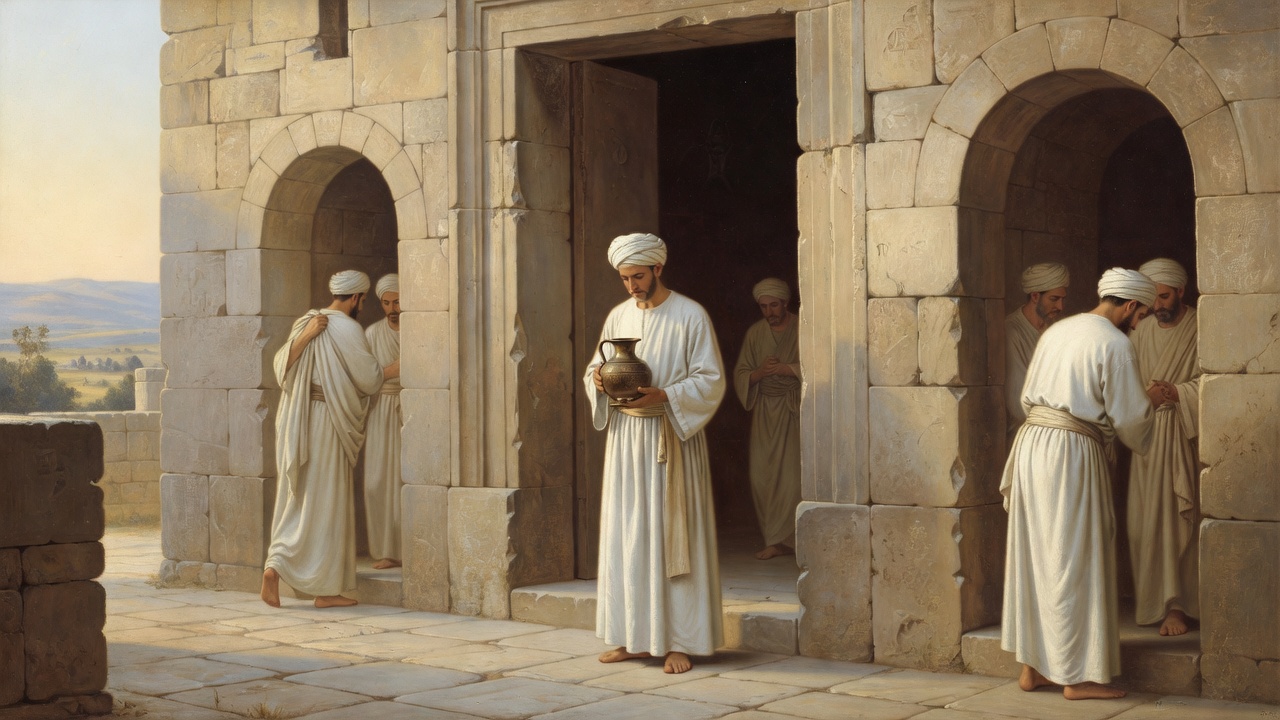
- Los sacerdotes que entraban al atrio interior debían vestir ropas y turbantes de lino puro en lugar de lana para no sudar. Antes de regresar al atrio exterior entre el pueblo, debían cambiarse de ropa en las cámaras sagradas para no transmitir santidad al pueblo a través de sus vestiduras consagradas.Fuentes: el propio texto bíblico
- La puerta exterior oriental del templo debía permanecer cerrada porque la gloria del Dios de Israel había entrado por ella. Solo al príncipe se le permitía sentarse en su pórtico para participar de comidas delante del Señor.Fuentes: el propio texto bíblico
Notas escritas con ayuda de IA a partir de fuentes abiertas (Theographic Bible Metadata, CC BY-SA 4.0; Easton’s Bible Dictionary, dominio público) y revisadas antes de publicarse.
Lugares de este capítulo
- Most Holy Place · Hoy: on Mount Moriah · 31.778, 35.236 · versículo 13
- Holy Place · Hoy: on Mount Moriah · 31.778, 35.236 · versículo 27
Solo aparecen lugares identificados con alta confianza (90 % o más según las fuentes académicas reunidas por OpenBible). Mapa de la época: DARE (Digital Atlas of the Roman Empire), CC BY 4.0; mapa actual: © colaboradores de OpenStreetMap; lugares: OpenBible.info (CC BY 4.0).
Créditos y licencia de esta traducción
Bibeli Gusunɔn Gari
The Holy Bible in the Baatonum language of Benin, also called the Bariba language
copyright © 2013 SIM
Language: Bariba (Baatonum)
Translation by: SIM International
Bariba, Bibeli Gusunɔn Gari
This translation, published by the UEEB/SIM au Benin, was published in 1996.
If you are interested in obtaining a printed copy, please contact the SIM at SIM, BP 15, Parakou, Benin.
This translation text is made available to you under the
terms of the Creative Commons License: Attribution-Noncommercial-No Derivative Works.
( http://creativecommons.org/licenses/by-nc-nd/3.0/ )
In addition, you have permission to port the text to different file formats, as long as you
do not change any of the text or punctuation of the Bible.
You may share, copy, distribute, transmit, and extract portions
or quotations from this work, provided that you include the above copyright
information:
You must give Attribution to the work.
You do not sell this work for a profit.
You do not make any derivative works that change any of the actual words or punctuation of the Scriptures.
Permissions beyond the scope of this license may be
available if you contact
us with your request.
This translation is made available to you under the terms of the
Creative Commons Attribution-Noncommercial-No Derivatives license 4.0.
You may share and redistribute this Bible translation or extracts from it in any format, provided that:
You include the above copyright and source information.
You do not sell this work for a profit.
You do not change any of the words or punctuation of the Scriptures.
Pictures included with Scriptures and other documents on this site are licensed just for use with those Scriptures and documents.
For other uses, please contact the respective copyright owners.
2014-09-10
Fuente: http://ebible.org/bba/ · eBible.org