Eclesiastés 7
Bibeli Gusunɔn Gari · Toca un versículo para ver sus referencias cruzadas.
1Yĩsi ɡeeru tɑ turɑre nubu duroruɡiɑ kere. Tɔnun ɡɔɔn tɔ̃ru tɑ win mɑrubuɡiru kere. 2N burɑm bo ɑ dɑ yɛnu mi bɑ ɡɔɔ sɔ̃ ye kɑɑ kɑ dɑ yɛnu mi bɑ tɔ̃ɔ bɑkɑru mɔ̀. Domi ɡɔɔwɑ u sɑ̃ɑ tɔnun wɑ̃ɑrun nɔru. Mɛyɑ wi u wɑsi, u koo yɑɑyɑ mɑ ɡɔɔ wee. 3Nuku sɑnkirɑnu nu yɛ̃ɛsu kere. Domi bɑɑ tɔnun wuswɑɑ yɑ̀ n burisinɛ, kɑ mɛ, u koo kpĩ u n bɔri yɛndu mɔ ɡɔ̃ruɔ. 4Bwisiɡiin ɡɔ̃ru ɡɑ rɑ n woowɑ yɛnu mi bɑ ɡɔɔ sɔ̃. Adɑmɑ ɡɑri bɔkɔn ɡɔ̃ru ɡɑ rɑ n woowɑ yɛnu mi bɑ nuku dobu mɔ̀. 5N burɑm bo ɑ bwisiɡiin ɡerusibu swɑɑ dɑki ye kɑɑ kɑ ɡɑri bɔkɔn womusu swɑɑ dɑki. 6Domi ɡɑri bɔkɔn yɛ̃ɛsu sɑ̃ɑwɑ nɡe ɡɑ̃ɑ ni nu kurɑmɔ dɔ̃ɔ sɔɔ. Yɑ mɑɑ sɑ̃ɑ kɑm dirum.
7Dɑm dɔrebu bu rɑ bwisiɡii ɡɔsiewɑ ɡɑri bɔkɔ. Kɛ̃ru tɑ rɑ mɑɑ tɔnun ɡɔ̃ru sĩiyɛwɑ. 8Gɑ̃ɑnun kpeeru tɑ burɑm bo n kere nin torubu. Suuruɡii u mɑɑ tii suo kere. 9A ku de wunɛn mɔru yɑ n dɑ fuuku se. Domi ɡɑri bɔkɔn miyɑ mɔru yɑ rɑ n wɑ̃ɑ. 10A ku ɡere ɑ nɛɛ, mbɑn sɔ̃nɑ yellu tɑ tɛ̃ dobu kere. Yeni yɑ ǹ sɑ̃ɑ bwisiɡiin bikiɑbu. 11Bwisi yi sɑ̃ɑwɑ tubi ɡeɑ, yi mɑm tubi kere tɔmbu kpuron mi. 12Yi rɑ tɔnu kɔ̃suwɑ nɡe mɛ ɡobi yi rɑ tɔnu kɔ̃su. Adɑmɑ yi ɑrufɑɑni mɔ n kere ɡobi. Yi rɑ de wi u yi mɔ u n wɑ̃ɑ wɑ̃ɑru sɔɔ.
13A Gusunɔn nɔmɑn sɔmɑ mɛɛrio. Ye u derɑ yɑ sikire, wɑrɑ u koo kpĩ u ye dɛmiɑ. 14Doo nɔɔrun sɑɑ sɔɔ, ɑ nuku dobu koowo. Wɑhɑlɑn sɑɑ sɔɔ, kpɑ ɑ bwisiku mɑ Gusunɔwɑ u tɔ̃ɔ ni kpuro kuɑ, kpɑ tɔnu u ku kɑ ɡiɑ ye yɑ koo koorɑ win ɡɔɔn biru. 15Ye nɑ wɑ nɛn wɑ̃ɑrun tɔ̃ru sɔɔ n tubum sɛ̃, yerɑ ɡemɡii u rɑ ɡbi win ɡem sɔɔ kpɑ tɔn kɔ̃son wɑ̃ɑru tu dɛnyɑ win nuku kɔ̃suru sɔɔ. 16Ǹ n mɛn nɑ, ɑ ku tii ɡɑrisi ɡemɡii. A ku mɑɑ sɔ̃ɔsi mɑ wunɑ ɑ bwisi bo. Mbɑn sɔ̃nɑ kɑɑ tii kɑm ko sɛkum. 17A ku tii sure kɔ̃sɑ sɔɔ, ɑ ku mɑɑ wɔri ɡɑri bɑkɑ kookoosu sɔɔ. Mbɑn sɔ̃nɑ kɑɑ de ɑ ɡbi tumɑru. 18Ye n weenɛ ɑ n yɑɑye kpɑ ɑ ku ye ɑtɑfiiru ko, yerɑ wi u Gusunɔ nɑsie, u rɑ yɑriwɑ kɑri bɑɑyeren di. 19Bwisi yi rɑ bwisiɡii dɑm wɛ̃wɑ n kere kpɑrobu wɔkuru be bɑ wɑ̃ɑ wuu teu sɔɔ. 20Geemɑ, hɑnduniɑ ye sɔɔ, ɡoo sɑri wi u ɡeɑ mɔ̀ kpɑ u kun torɑmɔ. 21A ku ɡɑri kpuro dɑsɑbu doke yi tɔmbɑ ɡerumɔ kpɑ ɑ ku kɑ nɔ wunɛn sɔm kowo u wunɛn kɔ̃sɑ ɡeruɑ. 22Domi wunɛn ɡɔ̃ru ɡɑ koo nun sɔ̃ mɑ wunɛn tii ɑ ɡɑbu bɔ̃rusire.
23Nɑ ye kpuro wɛ̃ɛrɑ kɑ bwisi mɑ nɑ nɛɛ, kon ko bwisiɡii. Adɑmɑ nɑ ǹ bwisi yi wɑ. Yi kɑ mɑn tondɑwɑ. 24Ye n tomɑ kɑ ye yɑ duku, wɑrɑ u koo ye nɑɑ turi. 25Nɑ kookɑri kuɑ nɑ tii doke n kɑ bwisi kɑ yɛ̃ru kɑ nuku kɔ̃surun kookoosu kɑ ɡɑri bɑkɑrun kookoosun sɑriɑ ɡiɑ. 26Tɔn kurɔ wìn ɡɔ̃ru ɡɑ sɑ̃ɑ nɡe yinɑ, mɑ win nɔmɑ yɑ sɑ̃ɑ nɡe tɑɑ u ɡɔɔ sɛ̃sɔ kere. Adɑmɑ tɔn durɔ wìn dɑɑ yɑ Gusunɔ wɛ̃re, u rɑ kurɔ wi kisirɑriwɑ. Durumɡiiwɑ u rɑ wɔri kurɔ win nɔmɑɔ. 27Ye nɛ wɑɑsu kowo nɑ wɑ ye nɑ ɡɑ̃ɑnu kpuro wɛ̃ɛrɑ tiɑ tiɑ n kɑ nin sɑriɑ ɡiɑ, yerɑ, 28nɑ tɔn durɔbu nɔrɔbu (1.000) sɔɔ turo wɑ wi bɑ koo bɛɛrɛ wɛ̃. Adɑmɑ tɔn kurɔbu kpuro sɔɔ, bɑɑ turo nɑ ǹ wɑ. N deemɑ nɑ kɑsu n tɛ, ɑdɑmɑ nɑ ǹ wɑ. 29Ye nɑ tubɑ mi sɔɔ, yerɑ Gusunɔ u tɔmbu kuɑwɑ bɑ sɑ̃ɑ dee dee. Adɑmɑ ben tiiwɑ bɑ ben wɑ̃ɑru sɛ̃siɑsiɑ.
¿Sabías que…?
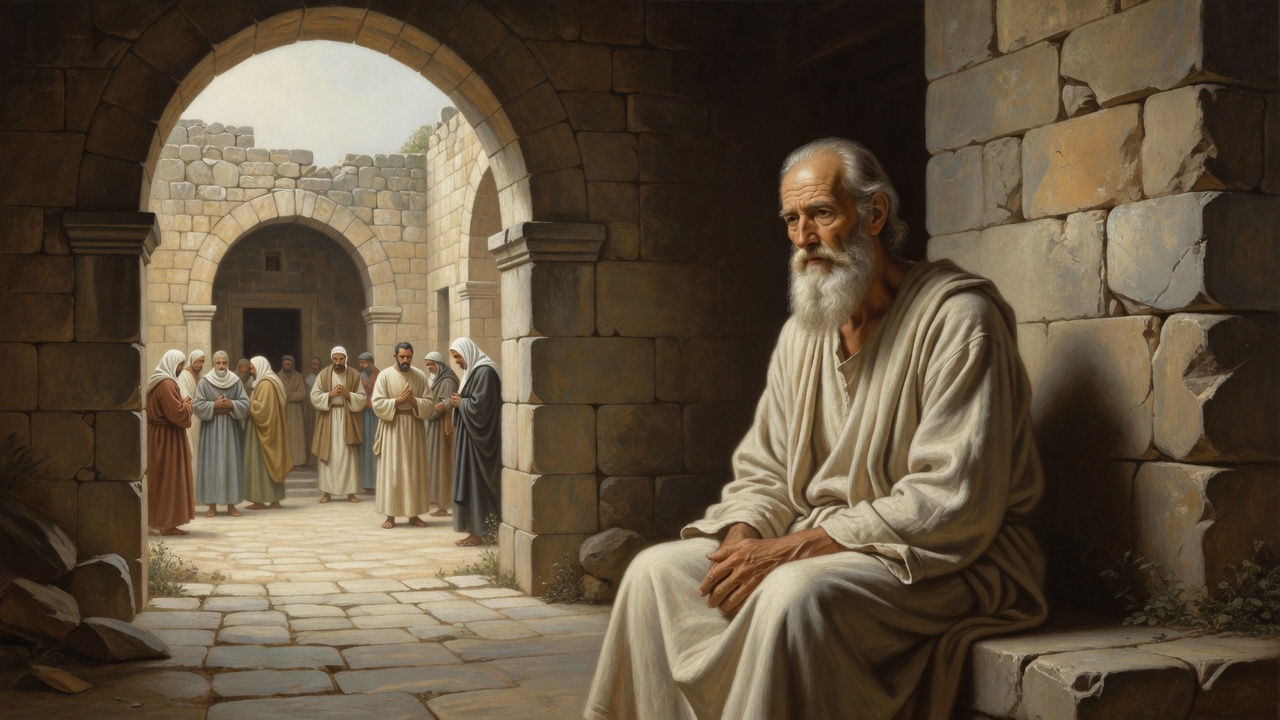
Sabiduría, mortalidad y los límites del entendimiento
- Eclesiastés 7 comienza con una serie de proverbios comparativos que sostienen que los momentos de reflexión sobria, como acudir a una casa de duelo o afrontar la tristeza, brindan una comprensión más profunda de la vida que la risa superficial y las fiestas.Fuentes: el propio texto bíblico
- El Maestro reflexiona sobre la realidad de la experiencia humana, señalando que Dios dispuso tanto los días prósperos como los adversos para que nadie pueda prever su futuro, y que a veces el justo perece mientras que el malvado prolonga sus días.Fuentes: el propio texto bíblico
- El capítulo resalta el límite universal de la bondad humana al observar que no hay nadie en la tierra que haga el bien y nunca peque, y concluye que, aunque Dios hizo íntegro al ser humano, las personas han buscado muchas maquinaciones.Fuentes: el propio texto bíblico
Notas escritas con ayuda de IA a partir de fuentes abiertas (Theographic Bible Metadata, CC BY-SA 4.0; Easton’s Bible Dictionary, dominio público) y revisadas antes de publicarse.
Créditos y licencia de esta traducción
Bibeli Gusunɔn Gari
The Holy Bible in the Baatonum language of Benin, also called the Bariba language
copyright © 2013 SIM
Language: Bariba (Baatonum)
Translation by: SIM International
Bariba, Bibeli Gusunɔn Gari
This translation, published by the UEEB/SIM au Benin, was published in 1996.
If you are interested in obtaining a printed copy, please contact the SIM at SIM, BP 15, Parakou, Benin.
This translation text is made available to you under the
terms of the Creative Commons License: Attribution-Noncommercial-No Derivative Works.
( http://creativecommons.org/licenses/by-nc-nd/3.0/ )
In addition, you have permission to port the text to different file formats, as long as you
do not change any of the text or punctuation of the Bible.
You may share, copy, distribute, transmit, and extract portions
or quotations from this work, provided that you include the above copyright
information:
You must give Attribution to the work.
You do not sell this work for a profit.
You do not make any derivative works that change any of the actual words or punctuation of the Scriptures.
Permissions beyond the scope of this license may be
available if you contact
us with your request.
This translation is made available to you under the terms of the
Creative Commons Attribution-Noncommercial-No Derivatives license 4.0.
You may share and redistribute this Bible translation or extracts from it in any format, provided that:
You include the above copyright and source information.
You do not sell this work for a profit.
You do not change any of the words or punctuation of the Scriptures.
Pictures included with Scriptures and other documents on this site are licensed just for use with those Scriptures and documents.
For other uses, please contact the respective copyright owners.
2014-09-10
Fuente: http://ebible.org/bba/ · eBible.org