Deuteronomio 33
Bibeli Gusunɔn Gari · Toca un versículo para ver sus referencias cruzadas.
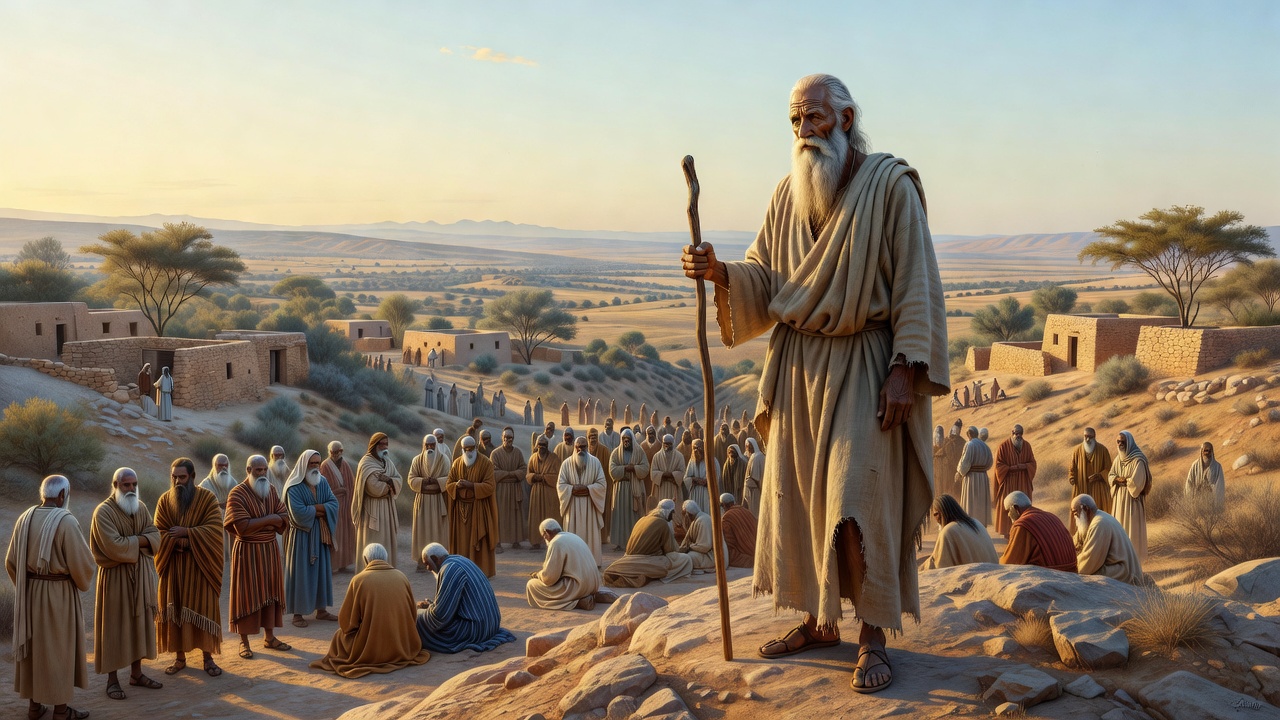
1Mɔwisi Gusunɔn tɔnu u sere ɡbi, u Isirelibɑ domɑru kuɑ, u nɛɛ,
2Yinni Gusunɔ u nɑ Sinɑin ɡuurun di
nɡe dɔ̃ɔ wi u Seirin ɡuuru wukiri,
mɑ u win tɔmbu yɑm bururɑsiɑ sɑɑ Pɑrɑnin ɡuurun di.
Gusunɔn ɡɔrɑdobɑ dɑbi dɑbirɑ tɑ nùn yɔ̃sirimɑ.
Mɑ u woodɑ nɛni win nɔm ɡeuɔ nɡe dɔ̃ɔ.
3Yinni Gusunɔ u Isirelibɑ kĩ.
U rɑ tɔmbu kpuro kɔ̃su be bɑ sɑ̃ɑ wiɡibu,
bɑ rɑ yiire win nuurɔ bu kɑ win sɔ̃ɔsiru wɑ.
4Nɛ, Mɔwisi, nɑ bɛɛ woodɑ wɛ̃
ye yɑ sɑ̃ɑ bɛɛ Yɑkɔbun bibun bweserun tubi
ye yɑ kpuro kere.
5Yinni Gusunɔ u kuɑ sinɑ boko Isireliɔ
sɑnɑm mɛ ben ɡuro ɡurobu kɑ ben kpɑrobu bɑ mɛnnɑ
kɑ sere mɑɑ ben bwese kɛri.
6Mɔwisi u den domɑru toruɑ u nɛɛ,
Rubɛnin bwese kɛrɑ yu dɑkɑɑ dɑ,
yu ku rɑɑ ɡbi.
Gusunɔ u de yen tɔmbu bu dɑbiɑ.
7U mɑɑ ɡeruɑ Yudɑn bwese kɛrɑn sɔ̃ u nɛɛ,
Yinni Gusunɔ, ɑ swɑɑ dɑkio
ɑ Yudɑn bwese kɛrɑn sokuru nɔ.
A de bɑ n nɔɔ tiɑ sɑ̃ɑ kɑ Isirelin bwese kɛri yi yi tie.
A ye somiɔ yen yibɛrɛbɑ bɑ̀ n ye wɔrim wee.
8Lefin bwese kɛrɑn sɔ̃ u nɛɛ,
Yinni Gusunɔ, wunɑ ɑ wunɛn sɔm kowobu Lefibɑ urimu kɑ tumimu nɔmu bɛriɑ.
A ben lɑɑkɑri mɛɛrɑ Mɑsɑɔ,
mɑ ɑ bu siri Mɛribɑn bwiɑn ɡɑri sɔɔ.
9Bɑ nun nɑɑnɛ kuɑ n kere ben mɛro kɑ ben tundo
kɑ ben wɔnɔbu kɑ sere ben bibu.
Bɑ wunɛn woodɑbɑ mɛm nɔɔwɑ.
Mɑ bɑ wunɛn ɑrukɑwɑni ye yibiɑ.
10Bɑ wunɛn tɔmbu wunɛn woodɑ sɔ̃ɔsi bu kɑ nun mɛm nɔɔwɑ.
Bɑ rɑ yɑ̃ku dɔ̃ɔ mwɑɑrɑruɡinu ko
kpɑ bu turɑre dɔ̃ɔ doke wunɛn yɑ̃ku yerɔ.
11Yinni Gusunɔ, ɑ ben bwese kɛrɑ somiɔ bu kɑ dɑm ko.
A ben ye bɑ mɔ̀ kpuro domɑru kuo.
A ben yibɛrɛbɑn dɑm buo.
A ku mɑɑ de bu se sere kɑ bɑɑdommɑɔ.
12Bɛnyɑmɛɛn bwese kɛrɑn sɔ̃ u nɛɛ,
Bɛnyɑmɛɛn bwese kɛrɑ yɑ sɑ̃ɑwɑ ye Yinni Gusunɔ u kĩ.
Mɑɑ yɑ wɑ̃ɑ bɔri yɛndu sɔɔ win bɔkuɔ.
U bu kɔ̃su bɑɑdommɑ.
U mɑɑ wɑ̃ɑ ben suunu sɔɔ.
13Yosɛfun bwese kɛrɑn sɔ̃ u nɛɛ,
Yinni Gusunɔ, ɑ ben tem domɑru kuo,
kpɑ mu ɡurɑn nim wɑ,
kɑ mɑɑ nim mɛ mu koo yɑri tem sɔɔn di.
14A ben tem mɛ domɑru kuo,
kpɑ dĩɑnu nu se,
kpɑ suru bɑɑwure bɑ n dɑ n ɡɛ̃ɛru mɔ̀.
15A de dĩɑ ɡeenu nu koorɑ ben ɡuunu kpuron wɔllɔ.
16A de tem mɛ, mu dukiɑ yibu.
Kpɑ wunɛ wi ɑ ɡɑri ɡeruɑ sɑɑ kiki bekusun din domɑru tu du Yosɛfun bwese kɛrɑ sɔɔ.
Domi yen tɔmbu bɑ kuɑ beɡibun wiruɡibu.
17Yosɛfun bwese kɛrɑ ye, yɑ bɛɛrɛ mɔ.
Yɑ dɑm mɔ nɡe kɛtɛ kinɛru.
Yen dɑm mu sɑ̃ɑwɑ nɡe ɡbeeku kɛtɛn kɔbin dɑm.
Dɑm mɛyɑ yɑ rɑ kɑ bwese tukunu so,
kpɑ yu nu ɡirɑ.
Efɑrɑimun tɔn dɑbirɑ tɑ sɑ̃ɑ nɡe kɔbi yin tiɑ,
mɑ Mɑnɑsen tɔn dɑbirɑ mɑɑ sɑ̃ɑ nɡe kɔbi yin yiruse.
18Sɑbuloni kɑ Isɑkɑrin bwese kɛrin sɔ̃ u nɛɛ,
Gusunɔ, ɑ Sɑbulonin bwese kɛrɑ kuurɑsio
yen tenkurun sɔ̃ te yɑ mɔ̀ nim ɡoorɔ.
Kpɑ ɑ de Isɑkɑrin bwese kɛrɑ yɑ n wɑ̃ɑ bɔri yɛndu sɔɔ yen kunɔ.
19Bɑ koo tɔmbu soku ben ɡuunɔ
kpɑ bu yɑ̃kunu ko sɑnnu
nɡe mɛ woodɑ yɑ ɡeruɑ.
Ben dukiɑ yɑ koo nɑwɑ nim wɔ̃kun tenkurun di
kɑ sere mɑɑ yɑni sɛɛrin di.
20Gɑdin bwese kɛrɑn sɔ̃ u nɛɛ,
bu Gusunɔ siɑro
wi u Gɑdin bwese kɛrɑ bɑtumɑ bɑkɑ wɛ̃.
Yɑ yen yibɛrɛbɑ mɑrɑ
nɡe ɡbee sunɔ ɡe ɡɑ ɡen yɑɑ mɑrɑ ɡu kɑsuku
sɑɑ wirun di sere kɑ nɑɑsɔ.
21Yɑ tii tem mɛ mu ɡeɑ bo ɡɔsiɑ.
Ye wiruɡii u rɑ sue yerɑ yɑ suɑ.
Yɑ ɡbiɑ Isirelibɑ kpuron wuswɑɑɔ tɑbu sɔɔ.
Yɑ Yinni Gusunɔn woodɑ kɑ win ɡere mɛm nɔɔwɑ.
22Dɑnun bwese kɛrɑn sɔ̃ u nɛɛ,
Dɑnun bwese kɛrɑ yɑ sɑ̃ɑwɑ nɡe ɡbee sunɔ kpɛmbu
ɡe ɡɑ yɔ̃ɔmɑ Bɑsɑnin di.
23Nɛfitɑlin bwese kɛrɑn sɔ̃ u nɛɛ,
Nɛfitɑlin bwese kɛrɑ yɑ Yinni Gusunɔn domɑru yibɑ
mɑ yɑ win durom wɑ.
Yen tem mu ko n wɑ̃ɑwɑ sɑɑ sɔ̃ɔ duu yerun di
n kɑ dɑ sɔ̃ɔ yɛ̃sɑn nɔm dwɑrɔ.
24Asɛɛn bwese kɛrɑn sɔ̃ u nɛɛ,
Asɛɛn bwese kɛrɑ yu domɑru wɑ
n kere bwese kɛri yi yi tie.
Gusunɔ u de yen mɑɑbu bu ye kĩru sɔ̃ɔsi,
kpɑ yen tem mu n olifin ɡum yibɑ too,
25kpɑ yen wusun ɡbɑ̃rɑnun kɔnnɔsu su n sɑ̃ɑ sisuɡisu kɑ sii ɡɑnduɡisu,
kpɑ yɑ n dɑm mɔ yen wɑ̃ɑrun tɔ̃ru kpuro sɔɔ.
26Yerɑ Mɔwisi u kpɑm ɡeruɑ u nɛɛ,
bɛɛ Isirelibɑ, i n yɛ̃ mɑ Yinni ɡoo sɑri nɡe Gusunɔ.
Wee u wɔllu sɔni u kɑ sisi bɛɛn mi kɑ win yiiko bɑkɑ.
Guru wirɑ u duɑ u kɑ wee u bɛɛ somi.
27Wiyɑ u sɑ̃ɑ bɛɛn kuku yeru sere kɑ bɑɑdommɑɔ.
Sɑɑ yee yellun diyɑ win nɔm dɑmɡuu ɡɑ bɛɛ kɔ̃su.
Mɑ u bɛɛ yibɛrɛbɑ ɡirɑ u nɛɛ, i bu kɑm koosio.
28Yen sɔ̃nɑ bɛɛ Isirelibɑ, Yɑkɔbun bweseru, i sɔ̃ bɔri yɛndu sɔɔ.
I sɔ̃wɑ mi dĩɑ binnu kɑ resɛm yɑ rɑ koore too.
Mɛyɑ ɡurɑ yɑ rɑ mɑɑ nɛ mi.
29Bɛɛ Isirelibɑ, i sɑ̃ɑwɑ doo nɔɔruɡibu.
I ǹ kɑ bweseru ɡɑru weenɛ.
Domi i sɑ̃ɑwɑ bwese te Yinni Gusunɔ u fɑɑbɑ kuɑ.
U sɑ̃ɑwɑ nɡe bɛɛn tɛrɛru
te tɑ bɛɛ kɔ̃su.
U sɑ̃ɑwɑ nɡe bɛɛn tɑkobi
ye yɑ bɛɛ nɑsɑrɑ wɛ̃ɛmɔ.
Bɛɛn yibɛrɛbɑ bɑ koo nɑ bu bɛɛ suuru kɑnɑ
kpɑ i ben tii suɑbu kpeerɑsiɑ.
Mɔwisin ɡɔɔ
¿Sabías que…?
La Bendición Final de Moisés sobre las Tribus
- El poema comienza con una vívida descripción de Dios manifestándose desde el desierto meridional, mencionando expresamente el Sinaí, Seir y el monte Parán para representar al Señor amaneciendo como el sol sobre su pueblo congregado.Fuentes: el propio texto bíblico · Sinai · Seir · Mount Paran
- La bendición para la tribu de Leví resalta sus deberes sagrados: consultar el Urim y el Tumim, ofrecer incienso y holocaustos en el altar, y enseñar las ordenanzas y la ley de Dios a la asamblea de Israel.Fuentes: el propio texto bíblico · Massah · Meribah (of Horeb)
- La bendición de José anticipa gran fertilidad y poderío militar, mencionando específicamente tanto a Efraín como a Manasés, los dos linajes tribales descendientes de los hijos de José nacidos en Egipto.Fuentes: el propio texto bíblico · Joseph (son of Jacob) · Ephraim · Manasseh (son of Joseph)
Notas escritas con ayuda de IA a partir de fuentes abiertas (Theographic Bible Metadata, CC BY-SA 4.0; Easton’s Bible Dictionary, dominio público) y revisadas antes de publicarse.
Lugares de este capítulo
- Meribah · Hoy: Ain el Qudeirat · 30.648, 34.422 · versículo 2
- Meribah · Hoy: within 500 m of Wadi Rufaiyil · 28.623, 33.880 · versículo 8
- Bashan · 32.781, 35.935 · versículo 22
Solo aparecen lugares identificados con alta confianza (90 % o más según las fuentes académicas reunidas por OpenBible). Mapa de la época: DARE (Digital Atlas of the Roman Empire), CC BY 4.0; mapa actual: © colaboradores de OpenStreetMap; lugares: OpenBible.info (CC BY 4.0).
Créditos y licencia de esta traducción
Bibeli Gusunɔn Gari
The Holy Bible in the Baatonum language of Benin, also called the Bariba language
copyright © 2013 SIM
Language: Bariba (Baatonum)
Translation by: SIM International
Bariba, Bibeli Gusunɔn Gari
This translation, published by the UEEB/SIM au Benin, was published in 1996.
If you are interested in obtaining a printed copy, please contact the SIM at SIM, BP 15, Parakou, Benin.
This translation text is made available to you under the
terms of the Creative Commons License: Attribution-Noncommercial-No Derivative Works.
( http://creativecommons.org/licenses/by-nc-nd/3.0/ )
In addition, you have permission to port the text to different file formats, as long as you
do not change any of the text or punctuation of the Bible.
You may share, copy, distribute, transmit, and extract portions
or quotations from this work, provided that you include the above copyright
information:
You must give Attribution to the work.
You do not sell this work for a profit.
You do not make any derivative works that change any of the actual words or punctuation of the Scriptures.
Permissions beyond the scope of this license may be
available if you contact
us with your request.
This translation is made available to you under the terms of the
Creative Commons Attribution-Noncommercial-No Derivatives license 4.0.
You may share and redistribute this Bible translation or extracts from it in any format, provided that:
You include the above copyright and source information.
You do not sell this work for a profit.
You do not change any of the words or punctuation of the Scriptures.
Pictures included with Scriptures and other documents on this site are licensed just for use with those Scriptures and documents.
For other uses, please contact the respective copyright owners.
2014-09-10
Fuente: http://ebible.org/bba/ · eBible.org