Hechos 24
Bibeli Gusunɔn Gari · Toca un versículo para ver sus referencias cruzadas.
Yuubɑ bɑ Pɔlu ɡɑri mɑni
1Sɔ̃ɔ nɔɔbun biru, Anɑniɑ yɑ̃ku kowo tɔnwero u dɑ Sesɑreɔ wi kɑ ɡuro ɡurobu ɡɑbu sɑnnu kɑ sere woodɑ yɛ̃ro ɡoo wi bɑ mɔ̀ Terituru. Bɑ dɑ tem yɛ̃ron mi, mɑ bɑ Pɔlun tɑɑrɛ ɡerumɔ. 2Bɑ Pɔlu sokɑ, mɑ Terituru u nùn ɡɑri mɑnibu wɔri u nɛɛ, Felisi bɛɛrɛɡii, sɑ ɑlɑfiɑ mɔ ɡem ɡem kɑ wunɛn bɑrukɑ. Wunɛn yɑm wɑɑ ɡeebu bu derɑ ɑ woodɑ dɑbiru kɔsɑ bɛsɛn tem ɑrufɑɑnin sɔ̃. 3Sɑ ye kpuro wurɑ bɑɑmɑ kpuro sɑɑ bɑɑyere sɔɔ, kɑ siɑrɑbu. 4Adɑmɑ nɑ ǹ kĩ n wunɛn sɑɑ kpuro di. Yen sɔ̃, nɑ nun kɑnɑmɔ ɑ kɑ sun tɛmɑnɔ ɡɑri piiko ye sɑ mɔ sɔɔ. 5Sɑ wɑ mɑ durɔ wini nɑɑnɑɑnuɡiiwɑ, u rɑ sɑnnɔsu seeyewɑ Yuubɑn suunu sɔɔ hɑnduniɑ kpuro sɔɔ. U mɑɑ sɑ̃ɑ wuuru ɡɑrun wiruɡibun turo te bɑ rɑ soku Nɑsɑrenɛɡibu . 6U mɑm swɑɑ kɑsu u kɑ sɑ̃ɑ yeru disi doke. Sɑnɑm mɛyɑ sɑ wi mwɑ. [Sɑ rɑɑ kĩ su nùn siri kɑ bɛsɛn woodɑ, 7ɑdɑmɑ tɑbu sunɔ Lisiɑsi u nɑ, u sun nùn wɔrɑri kɑ dɑm. 8Mɑ u woodɑ wɛ̃ win tɑɑrɛ wɛ̃ɔbu bu nɑ wunɛn wuswɑɑɔ.] Wunɛn tii ɑ̀ n nùn ɡɑri bikiɑ, kɑɑ kpĩ ɑ ɡɑ̃ɑ ni kpuron ɡem wɑ nì sɔɔ sɑ nùn tɑɑrɛ wɛ̃ɛmɔ.
9Mɑ Yuubɑ bɑ ɡɑri yi kpuro wurɑ bɑ nɛɛ, ɡeemɑ.
Pɔlu u win ɡɑri tubusiɑ Felisin wuswɑɑɔ
10Yerɑ tem yɛ̃ro u Pɔlu ɡɑri wɛ̃ kɑ yĩreru, mɑ Pɔlu seewɑ u nɛɛ, nɑ yɛ̃ mɑ ɑ sɑ̃ɑ siri kowo tem mɛ sɔɔ sɑɑ wɔ̃ɔ dɑbirun di. Yen sɔ̃, kon ɡɑri ɡere n kɑ tii yinɑ kɑ toro sindu. 11À n bikiɑ bɑ koo nun sɔ̃, n ǹ mɔ n sɔ̃ɔ wɔkurɑ yiru kere ye nɑ kɑ Yerusɑlɛmu dɑ n sɑ̃ɑru ko mi. 12Bɑ ǹ mɑn wɑ nɑ kɑ ɡoo sikirinɑmɔ ǹ kun mɛ nɑ tɔmbu sɑnnɔ nɔɔ kuurimɔ sɑ̃ɑ yerɔ ǹ kun mɛ ben mɛnnɔ yeru sɔɔ, ǹ kun mɛ wuu suunu sɔɔ. 13Gɑri yi bɑ mɑn mɑnimɔ tɛ̃, bɑ ǹ mɑɑ yin seedɑ ɡɑɑ mɔ. 14Adɑmɑ ɡɑ̃ɑ teenɑ nɑ wurɑ wunɛn wuswɑɑɔ, nɑ Gusunɔ bɛsɛn sikɑdobɑn Yinni sɑ̃ɑmɔ kɑ swɑɑ ye beni bɑ sokumɔ weesuɡiɑ. Nɑ mɑɑ Mɔwisin woodɑ kpuro nɑɑnɛ doke kɑ mɑɑ Gusunɔn sɔmɔbun tirenu. 15Nɑ yĩiyɔ bini mɔ Gusunɔ sɔɔ bi durɔ beni bɑ mɑɑ mɔ mɑ tɔmbu kpuro, tɔn ɡeeɡibu kɑ tɔn kɔ̃sobu, bɑ koo se ɡɔrin di. 16Yen sɔ̃nɑ nɑ hɑniɑ mɔ̀ bɑɑdommɑ, kpɑ nɛn ɡɔ̃ru ɡu ku mɑn tɑɑrɛ wɛ̃ Gusunɔn wuswɑɑɔ kɑ mɑɑ tɔmbun wuswɑɑɔ.
17Wɔ̃ɔ dɑbirun biru nɑ tɛ̃ wurɑ Yerusɑlɛmuɔ n kɑ nɛn tɔmbu somiru nɑɑwɑ kpɑ n mɑɑ Gusunɔ kɛ̃nu kɛ̃. 18Mi sɔɔrɑ bɑ mɑn deemɑ sɑ̃ɑ yerɔ, nɑ tii dɛɛrɑsiɑ. Tɔn wɔru sɑri mi, sɑnnɔ nɔɔ kuribu mɑɑ sɑri mi. 19Adɑmɑ Asin Yuu ɡɑbɑ wɑ̃ɑ mi. N weenɛ ben tii bu nɑ wunɛn wuswɑɑɔ bu seedɑ di bɑ̀ n ɡɑ̃ɑnu wɑ nɛ sɔɔ, 20ǹ kun mɛ, ɑ de durɔ beni bu ɡere tɑɑrɛ ye bɑ wɑ nɛ sɔɔ dɔmɑ te nɑ yɔ̃rɑ ɡuro ɡurobun mɛnnɔn wuswɑɑɔ. 21Mɑ n kun mɔ ɡɑ̃ɑ tee nì sɔɔ nɑ ɡbɑ̃rɑ ye nɑ yɔ̃ ben suunu sɔɔ nɑ nɛɛ, bɛɛ i mɑn sirimɔwɑ ɡisɔ yèn sɔ̃ nɑ nɑɑnɛ doke mɑ ɡɔribɑ koo se.
22N deemɑ Felisi u nɑɑnɛ dokebun swɑɑ yɛ̃, yerɑ u Yuu be sɔ̃ɔwɑ bu de tɑbu sunɔ Lisiɑsi ù n tunumɑ. Dɔmɑ teyɑ u koo ben ɡɑri yi wɛ̃ɛri.
23U mɑɑ tɑbu kowobun tɔnwero woodɑ wɛ̃ u n ɡinɑ Pɔlu doke pirisɔm sɔɔ, ɑdɑmɑ u de u n tii mɔ mi, u mɑɑ de win kpɑɑsibu bu nùn berɑm nɑ bu kɑ nùn nɔɔri.
Pɔlu u dɑ Felisi kɑ Durusilɑn wuswɑɑɔ
24Sɔ̃ɔ mɛɛrun biru Felisi u nɑ kɑ win kurɔ Durusilɑ, wi u sɑ̃ɑ Yuu. Mɑ u Pɔlu sokusiɑ. Ye u tunumɑ mɑ bɑ nùn swɑɑ dɑki sɑnɑm mɛ u nɑɑnɛ dokebu Kirisi Yesu sɔɔn ɡɑri mɔ̀. 25Adɑmɑ sɑnɑm mɛ Pɔlu u bu ɡem kobu kɑ ɡɑyɑ kɑ mɑɑ siri bi bu ween ɡɑri tubusiɑmɔ, Felisi u nɑndɑ, mɑ u nɛɛ, ɑ doonɔ ɡinɑ. Kon kpɑm nun soku nɑ̀ n fɛɛ wɑ.
26U rɑɑ mɑɑ yĩiyɔ u koo ɡobi wɑwɑ Pɔlun min di. Yenin sɑɑbuwɑ u rɑ nùn sokusie kiri kiri u kɑ nùn ɡɑri ko.
27Wɔ̃ɔ yirun biru Pɔɔsiyu Fesitu u kuɑ Felisin kɔsire. N deemɑ Felisi u Pɔlu deri pirisɔm sɔɔ yèn sɔ̃ u kĩ u n bɛɛrɛ mɔ Yuubɑn mi.
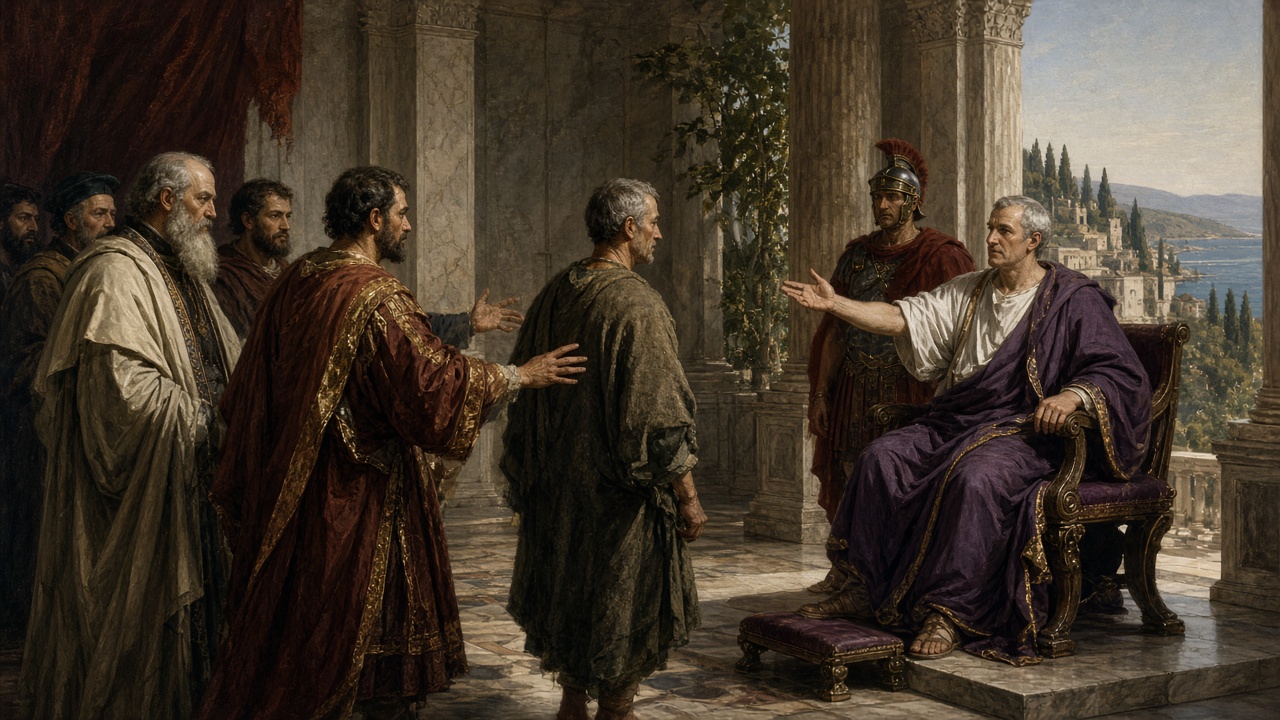
¿Sabías que…?
Pablo ante Félix
- El sumo sacerdote Ananías bajó con algunos ancianos y un abogado llamado Tértulo, a quien el Diccionario Bíblico de Easton describe como un abogado romano empleado por los judíos para exponer su causa contra Pablo ante Félix. Tértulo elogió al gobernador y luego dijo que Pablo era una peste que provocaba disensión entre los judíos por todo el mundo, cabecilla de la secta de los nazarenos y un hombre que había intentado profanar el templo. El diccionario relaciona ese elogio inicial con la limpieza que Félix hizo del país, al expulsar a bandidos e impostores.Fuentes: el propio texto bíblico · Tertullus · Felix
- Félix, que estaba bien informado acerca del Camino, aplazó la audiencia y mantuvo a Pablo bajo guarda, aunque le permitió cierta libertad y dejó que sus amigos atendieran sus necesidades. El relato dice que esperaba que Pablo le ofreciera un soborno y por eso lo mandaba llamar con frecuencia; el Diccionario Bíblico de Easton también afirma que al parecer esperaba un soborno y, por ello, tuvo varias entrevistas con él. Después de dos años lo sucedió Porcio Festo —el Diccionario Bíblico de Easton (1897) fecha ese nombramiento en el año 60 d. C.— y, queriendo hacer un favor a los judíos, Félix dejó a Pablo en prisión.Fuentes: el propio texto bíblico · Felix · Portius Festus
- Unos días después, Félix regresó con su esposa Drusila, que era judía, y escuchó a Pablo hablar de la fe en Cristo Jesús y de la justicia, el dominio propio y el juicio venidero; Félix se asustó y lo despidió. El Diccionario Bíblico de Easton (1897) identifica a Drusila como la tercera y la más joven hija de Herodes Agripa I y dice que Félix la indujo a dejar a su esposo, Azizus, rey de Emesa. La misma entrada dice que ella y su hijo perecieron en la erupción del monte Vesubio en el año 79 d. C.Fuentes: el propio texto bíblico · Drusilla
Notas escritas con ayuda de IA a partir de fuentes abiertas (Theographic Bible Metadata, CC BY-SA 4.0; Easton’s Bible Dictionary, dominio público) y revisadas antes de publicarse.
Lugares de este capítulo
- Caesarea · Hoy: Caesarea Maritima · 32.500, 34.892 · versículo 1
- Jerusalem · 31.777, 35.234 · versículos 11, 17
- Asia · 38.400, 28.300 · versículo 18
Solo aparecen lugares identificados con alta confianza (90 % o más según las fuentes académicas reunidas por OpenBible). Mapa de la época: DARE (Digital Atlas of the Roman Empire), CC BY 4.0; mapa actual: © colaboradores de OpenStreetMap; lugares: OpenBible.info (CC BY 4.0).
Créditos y licencia de esta traducción
Bibeli Gusunɔn Gari
The Holy Bible in the Baatonum language of Benin, also called the Bariba language
copyright © 2013 SIM
Language: Bariba (Baatonum)
Translation by: SIM International
Bariba, Bibeli Gusunɔn Gari
This translation, published by the UEEB/SIM au Benin, was published in 1996.
If you are interested in obtaining a printed copy, please contact the SIM at SIM, BP 15, Parakou, Benin.
This translation text is made available to you under the
terms of the Creative Commons License: Attribution-Noncommercial-No Derivative Works.
( http://creativecommons.org/licenses/by-nc-nd/3.0/ )
In addition, you have permission to port the text to different file formats, as long as you
do not change any of the text or punctuation of the Bible.
You may share, copy, distribute, transmit, and extract portions
or quotations from this work, provided that you include the above copyright
information:
You must give Attribution to the work.
You do not sell this work for a profit.
You do not make any derivative works that change any of the actual words or punctuation of the Scriptures.
Permissions beyond the scope of this license may be
available if you contact
us with your request.
This translation is made available to you under the terms of the
Creative Commons Attribution-Noncommercial-No Derivatives license 4.0.
You may share and redistribute this Bible translation or extracts from it in any format, provided that:
You include the above copyright and source information.
You do not sell this work for a profit.
You do not change any of the words or punctuation of the Scriptures.
Pictures included with Scriptures and other documents on this site are licensed just for use with those Scriptures and documents.
For other uses, please contact the respective copyright owners.
2014-09-10
Fuente: http://ebible.org/bba/ · eBible.org