2 Timoteo 3
Bibeli Gusunɔn Gari · Toca un versículo para ver sus referencias cruzadas.
Sɑnɑm dɑ̃ɑkim
1A n yɛ̃ mɑ sɑnɑm dɑ̃ɑkim sɔɔ wɑ̃ɑrɑ koo sɛ̃siɑ. 2Tɔmbu bɑ ko n ben tii tɔnɑn ɑrufɑɑni kɑsu, ɡobin kĩrɑ ko n bu nɛni, bɑ ko n sɑ̃ɑ woo kɑnɔbu kɑ tii suobu kpɑ bɑ n Gusunɔ ɡɑri kɑm ɡerusimɔ. Bibu bɑ ǹ koo ben mɔwɔbu mɛm nɔɔwɑ, tɔmbɑ ko n sɑ̃ɑ ɡuturubɑ kɑ Gusunɔn bɛɛrɛ yɛ̃ru sɑriruɡibu. 3Bɑ ko n sɑ̃ɑ kĩru kɑ wɑnum sɑriruɡibu. Bɑ koo tɔmbu mɛm mɑni kpɑ bɑ n sɑ̃ɑ mɔru kɑnkɑmɡibu be bɑ nɔni tɑu. Bɑ ko bɑ n ɡeɑn kowobu tusɑ. 4Bɑ ko n sɑ̃ɑ kɔrumɔtɔnuɡibu kɑ lɑsɑbu sɑriruɡibu kɑ be bɑ tii sue bɑ ɡɑ̃ɑmɔ. Bɑ ko n hɑnduniɑn dobun kĩru mɔ n kere Gusunɔn kĩru. 5Bɑ ko n sɑ̃ɑ bèn Gusunɔ sɑ̃ɑrɑ sɑkuɑ, bɑ ǹ koo ten dɑm wurɑ. A tɔn ben bweseru suurio. 6Ben ɡɑbɑ ko n yɛnusu duurimɔ kpɑ bu kɑ ben ɡɑri tɔn kurɔ dɑm sɑriruɡibu kɑmiɑ, bèn durum yɑ derɑ bɑ kom yɑɑ bie mɑ bɑ kĩru bɑɑtere diiriɑmmɛ. 7Bɑɑdommɑ kurɔ be, bɑ kɑsu bu ɡɑ̃ɑnu ɡiɑ ɑdɑmɑ bɑ ǹ kpɛ̃ bu ɡem ɡiɑ. 8Nɡe mɛ Yɑnɛsi kɑ Yɑmbɛsi bɑ kɑ Mɔwisi kinɛnu kuɑ, nɡe mɛyɑ tɔn be, bɑ mɑɑ kɑ ɡem kinɛnu mɔ̀, bɑ ǹ mɑɑ biti mɔ kɔ̃sɑn bwisikunun sɔ̃. Bɑ ǹ ɡɑru koorɔ nɑɑnɛ dokebu sɔɔ. 9Adɑmɑ ben hɑniɑ kun kɑ bu ɡɑm dɔɔ, domi bɑɑwure u koo ben wiirɑru wɑ nɡe mɛ n Yɑnɛsi kɑ Yɑmbɛsi deemɑ.
Yiire dɑ̃ɑkibu
10Adɑmɑ wunɛ Timɔte, ɑ nɛn sɔ̃ɔsiru kɑ nɛn kookoosu wɑ, kɑ nɛn himbɑ hɑnduniɑn wɑ̃ɑru sɔɔ kɑ nɛn nɑɑnɛ dokebu kɑ nɛn suuru kɑ nɛn kĩru kɑ mɑɑ nɛn tɛmɑnɑbu, 11kɑ bɔnɛ ye bɑ mɑn dɔre kɑ nɛn nɔni swɑ̃ɑ te tɑ mɑn deemɑ Antiɔsiɔ kɑ Ikonimuɔ kɑ Lisitiɔ. Bɔnɛ ɡɑɑ sɑri ye nɑ kun wɑ mi. Adɑmɑ Yinni u mɑn yɑkiɑ sɑɑ ye kpuron di. 12Kɑ ɡem, bɑɑwure wi u kĩ u Gusunɔ bɛɛrɛ wɛ̃ wi kɑ Yesu Kirisin wɑ̃ɑsinɑɑ sɔɔ, u ǹ koo ko u kun nɔni swɑ̃ɑru wɑ. 13Adɑmɑ tɔn kɔ̃sobu kɑ wee kowobu ben kɔ̃suru tɑ ko tɑ n sosimɔwɑ. Nɡe mɛ bɑ ɡɑbu nɔni wɔ̃kumɔ, mɛyɑ bɑ mɑɑ tii nɔni wɔ̃kumɔ. 14Adɑmɑ wunɛ, ɑ n ɡɑ̃ɑ ni nɛni ni bɑ nun sɔ̃ɔsi ni ɑ nɑɑnɛ doke. A yɑɑyo tɔn bèn min di wunɛn yɛ̃ru tɑ wee. 15Sɑɑ wunɛn birun diyɑ ɑ Gusunɔn ɡɑri yɛ̃ yi yi koo kpĩ yi nun bwisi kɛ̃ ɑ kɑ Yesu Kirisi nɑɑnɛ doke kpɑ ɑ fɑɑbɑ wɑ. 16Gusunɔn ɡɑri kpuro yi weewɑ sɑɑ Gusunɔn min di. Yi mɑɑ ɑrufɑɑni mɔ yi kɑ ɡem sɔ̃ɔsi, kpɑ yi kɑ tɔnu win torɑnu sɔ̃ɔsi, kpɑ yi kɑ nùn sɛɛyɑsiɑ, kpɑ yi mɑɑ nùn sɔ̃ɔsi nɡe mɛ u ko n kɑ wɑ̃ɑ ɡem sɔɔ. 17Kpɑ Gusunɔɡii u kɑ ko tɔn ɡiro wi u sɔɔru sɑ̃ɑ u kɑ sɔm ɡeeru bɑɑtere ko.
¿Sabías que…?
Tiempos difíciles y la oposición a la verdad
- Este capítulo compara a las personas que se oponen a la verdad con Janes y Jambres. Un diccionario bíblico identifica a Janes como uno de los egipcios que resistieron a Moisés, y a Jambres como uno de los que se opusieron a Moisés en Egipto. La carta dice que, como ellos, esos opositores tienen la mente depravada y están descalificados en cuanto a la fe, y que su insensatez quedará evidente para todos.Fuentes: Jannes · Jambres · el propio texto bíblico
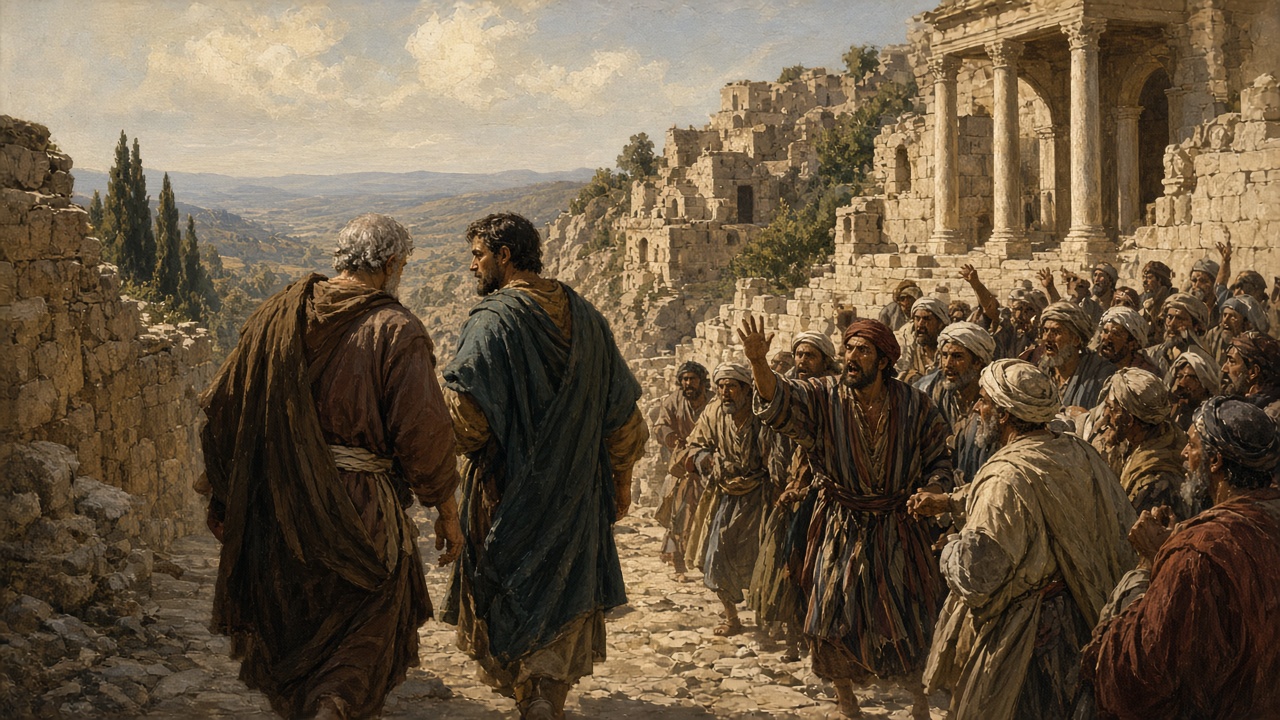
- Pablo recuerda las persecuciones y los sufrimientos que le sobrevinieron en Antioquía, Iconio y Listra, y dice que el Señor lo libró de todas esas persecuciones. En el primer viaje misionero con Bernabé, los judíos en Antioquía, en el extremo norte de Pisidia, provocaron una oposición violenta, y los dos tuvieron que irse; en Iconio fueron perseguidos por los judíos y huyeron a Listra. Iconio era la capital de la antigua Licaonia; Listra era una ciudad de Licaonia, en Asia Menor, en una región agreste.Fuentes: Antioch (Pisidia) · Iconium · Lystra · el propio texto bíblico
Notas escritas con ayuda de IA a partir de fuentes abiertas (Theographic Bible Metadata, CC BY-SA 4.0; Easton’s Bible Dictionary, dominio público) y revisadas antes de publicarse.
Lugares de este capítulo
- Antioch · Hoy: Antioch in Pisidia · 38.306, 31.189 · versículo 11
- Iconium · Hoy: Konya · 37.872, 32.492 · versículo 11
- Lystra · Hoy: Tel Lystra · 37.602, 32.338 · versículo 11
Solo aparecen lugares identificados con alta confianza (90 % o más según las fuentes académicas reunidas por OpenBible). Mapa de la época: DARE (Digital Atlas of the Roman Empire), CC BY 4.0; mapa actual: © colaboradores de OpenStreetMap; lugares: OpenBible.info (CC BY 4.0).
Créditos y licencia de esta traducción
Bibeli Gusunɔn Gari
The Holy Bible in the Baatonum language of Benin, also called the Bariba language
copyright © 2013 SIM
Language: Bariba (Baatonum)
Translation by: SIM International
Bariba, Bibeli Gusunɔn Gari
This translation, published by the UEEB/SIM au Benin, was published in 1996.
If you are interested in obtaining a printed copy, please contact the SIM at SIM, BP 15, Parakou, Benin.
This translation text is made available to you under the
terms of the Creative Commons License: Attribution-Noncommercial-No Derivative Works.
( http://creativecommons.org/licenses/by-nc-nd/3.0/ )
In addition, you have permission to port the text to different file formats, as long as you
do not change any of the text or punctuation of the Bible.
You may share, copy, distribute, transmit, and extract portions
or quotations from this work, provided that you include the above copyright
information:
You must give Attribution to the work.
You do not sell this work for a profit.
You do not make any derivative works that change any of the actual words or punctuation of the Scriptures.
Permissions beyond the scope of this license may be
available if you contact
us with your request.
This translation is made available to you under the terms of the
Creative Commons Attribution-Noncommercial-No Derivatives license 4.0.
You may share and redistribute this Bible translation or extracts from it in any format, provided that:
You include the above copyright and source information.
You do not sell this work for a profit.
You do not change any of the words or punctuation of the Scriptures.
Pictures included with Scriptures and other documents on this site are licensed just for use with those Scriptures and documents.
For other uses, please contact the respective copyright owners.
2014-09-10
Fuente: http://ebible.org/bba/ · eBible.org