2 Corintios 10
Bibeli Gusunɔn Gari · Toca un versículo para ver sus referencias cruzadas.
1Nɛ Pɔlu nɛn tiiwɑ nɑ kɑ bɛɛ yɑ̃, nɛ wi bɑ nɛɛ nɑ rɑ tii kɑwe nɑ̀ n wɑ̃ɑ bɛɛn mi, kpɑ nɑ n kɑ bɛɛ wɔruɡɔ ɡɑri mɔ̀ nɑ̀ n kɑ bɛɛ tomɑ. Nɑ bɛɛ kɑnɑmɔ kɑ Kirisin dɑɑ lɑɑkɑri tɛɛruɡiɑ kɑ win tɔn ɡeeru, 2i ku de n kɑ bɛɛ wɔruɡɔ ɡɑri ko sɑnɑm mɛ ko nɑ n wɑ̃ɑ bɛɛn mi. Domi nɑ yɛ̃ mɑ kon kpĩ n bu wɔruɡɔru sɔ̃ɔsi be bɑ ɡerumɔ sɑ sĩimɔwɑ kɑ wɑsin bɑɑ. 3Geemɑ sɑ wɑ̃ɑ wɑsi sɔɔ, ɑdɑmɑ sɑ ǹ tɑbu mɔ̀ kɑ wɑsin tɑbu yɑ̃nu. 4Domi tɑbu yɑ̃ɑ ni sɑ kɑ tɑbu mɔ̀, nu ǹ sɑ̃ɑ hɑnduniɑɡinu, nu sɑ̃ɑwɑ Gusunɔn tɑbu yɑ̃ɑ dɑmɡinu ni nu rɑ ɡbɑ̃rɑnu suriri. Sɑ tɔnun bwisiku torɑruɡinu kpeerɑsiɑmɔ, 5kɑ tii suɑbu kpuro bi tɔmbɑ mɔ̀ bu ku kɑ Gusunɔ ɡiɑ. Sɑ tɔmbun bwisikunu kpuro dɔɔrɛ mɔ̀ nu kɑ wɑ nu Kirisi mɛm nɔɔwɑ. 6Sɑ mɑɑ sɔɔru sɑ̃ɑ su kɑ mɛm nɔɔ sɑriruɡii bɑɑwure sɛɛyɑsiɑ sɑnɑm mɛ bɛɛ kpuro i mɛm nuɑ.
7I ku yɑm mɛɛri wɔru wɔrukum. Goo ù n tii ɡɑrisi Kirisiɡii, u mɑɑ yeni bwisikuo win tii sɔɔ. Nɡe mɛ wi, u sɑ̃ɑ Kirisiɡii, mɛyɑ bɛsɛn tii sɑ mɑɑ sɑ̃ɑ Kirisiɡibu. 8Domi nɑ ǹ sekuru wɑsi, bɑɑ nɛn woo kɑnɑbu bù n kpɛ̃ɑ fiiko woodɑn sɔ̃ ye Yinni u sun wɛ̃ su kɑ bɛɛ tɑ̃sisiɑ, n ǹ mɔ su kɑ bɛɛ surɑ. 9Nɑ ǹ kĩ n sɑ̃ɑre nɡe nɑ bɛɛ nɑrumɔ kɑ nɛn tirenu. 10Domi bɑ nɛɛ, nɛn tirenu bɔɔbu, nu mɑɑ sɛ̃, ɑdɑmɑ nɑ̀ n wɑ̃ɑ bɛɛn suunu sɔɔ nɑ ǹ dɑm mɔ, nɛn ɡɑri ɡeru ɡerusu kun mɑɑ bɛɛrɛ mɔ. 11Wi u yeni ɡerumɔ u n yɛ̃ mɑ ye sɑ yorumɔ tirenu sɔɔ sɑnɑm mɛ sɑ tomɑ, tiɑ yerɑ mi kɑ ye sɑ ko ko sɑnɑm mɛ sɑ wɑ̃ɑ mi.
12Geemɑ, sɑ ǹ kɑ̃kɔ su kɑ bu tii yĩisinɑ, ǹ kun mɛ su kɑ bu tii weesinɑ be bɑ ben tiin ɡeɑ ɡerumɔ. Bɑ ǹ bwisi mɔ domi bɑ ben tiin yĩirutiɑ kuɑ bu kɑ tii yĩire, bɑ mɑɑ ben tii tiinɛ weesinɑmɔ. 13Sɑ ǹ woo kɑnɑmɔ ɡɑ̃ɑnun sɔ̃ ni nu kun wɑ̃ɑ bɛsɛn sɔmburun ɑyerɔ, ɑdɑmɑ sɑ ko kpĩ su woo kɑnɑ bɛsɛn sɔmburun swɑɑ sɔɔ ye Gusunɔ u sun sure ye yɑ kɑ sun dɑ sere bɛɛn mi. 14Sɑ ǹ bɛsɛn sɔmburun swɑɑ sɑre, yèn sɔ̃ sɑ turɑ sere bɛɛn mi. Domi kɑ ɡem sɑ turɑ bɛɛn mi sɑ kɑ bɛɛ Kirisin Lɑbɑɑri ɡeɑ nɑɑwɑ. 15Nɡe mɛyɑ sɑ ǹ bɛsɛn sɔmburun swɑɑ sɑrɑmɔ, sɑ ǹ mɑɑ woo kɑnɑmɔ ɡɑbun sɔmburun sɔ̃. Adɑmɑ sɑ yĩiyɔ mɑ bɛɛn nɑɑnɛ dokebu koo sosi kpɑ su kpĩ su sɔmburu ko te tɑ teni dɑm kere bɛɛn suunu sɔɔ sɑ kun swɑɑ sɑre ye Gusunɔ u sun sure. 16Yen biru sɑ ko kpĩ su kɑ Lɑbɑɑri ɡeɑ sɑrɑ bɛɛn wuswɑɑɔ kpɑ sɑ kun woo kɑnɑmɔ ɡɑbun sɔmburun sɔ̃ te sibɑ kuɑ ben tiin ɑyerɔ.
17Nɡe mɛ Gusunɔn ɡɑri ɡerumɔ, “Wi u woo kɑnɑmɔ u woo kɑnɔ Yinnin sɔ̃.” 18Domi n ǹ mɔ wi u win tiin ɡeɑ ɡerumɔwɑ, bɑ koo siɑrɑ sere wìn ɡeɑ Yinni u ɡerumɔ.
Pɔlu kɑ ɡɔro weesuɡibu
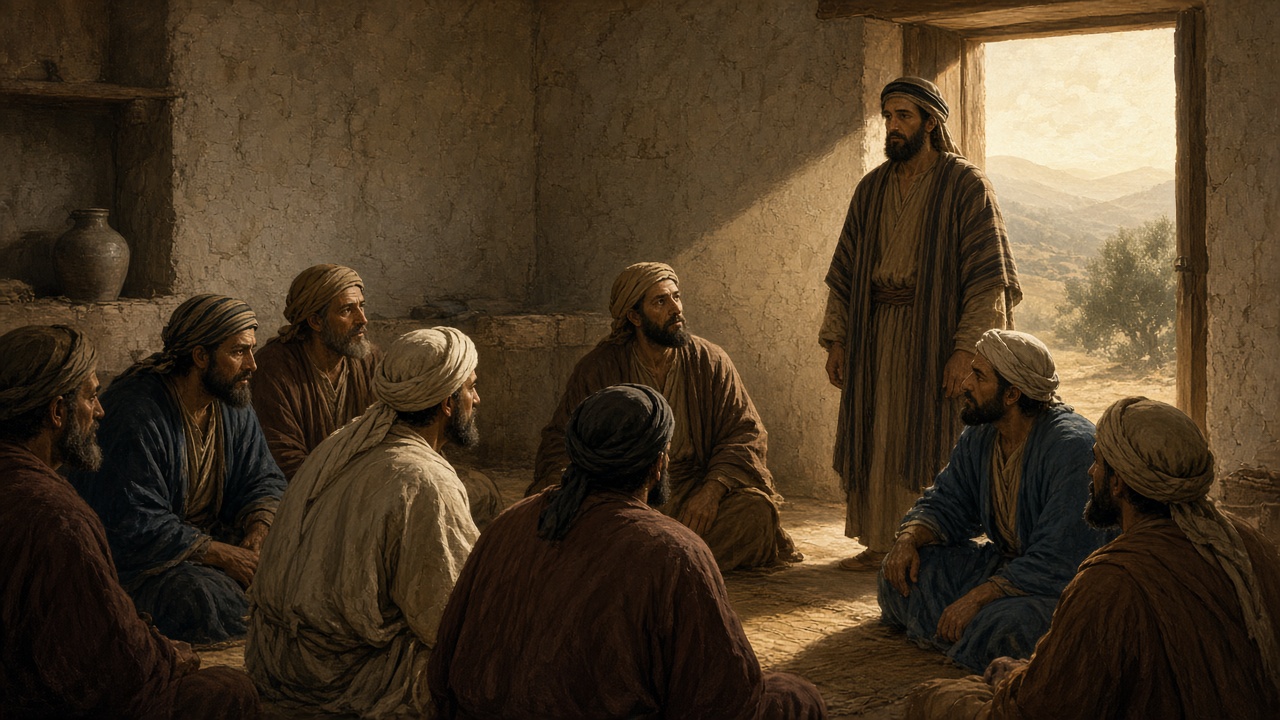
¿Sabías que…?
Cartas, presencia y una guerra que no es de este mundo
- Algunas personas juzgaban a Pablo por la apariencia y por su manera de hablar. Admitían que sus cartas eran pesadas y enérgicas, pero decían que su presencia física no impresionaba y que su hablar no tenía valor. Él responde que lo que es en las cartas cuando está ausente, lo será también en sus acciones cuando esté presente.Fuentes: el propio texto bíblico
- Describe el conflicto en términos militares, pero no como una lucha ordinaria. Vivir en la carne, dice, no significa hacer la guerra según la carne. Las armas de las que habla no son las del mundo; tienen poder divino para derribar fortalezas, deshacer argumentos y toda pretensión levantada contra el conocimiento de Dios, y llevar todo pensamiento a la obediencia a Cristo.Fuentes: el propio texto bíblico
- Pablo no quiere gloriarse más allá del campo de influencia que Dios le ha asignado, un campo que ya incluye a sus lectores, pues fue el primero en llegar a ellos con el evangelio de Cristo. Quien se gloríe, dice, debe gloriarse en el Señor; la aprobación no es de quien se recomienda a sí mismo, sino de aquel a quien el Señor recomienda.Fuentes: el propio texto bíblico
Notas escritas con ayuda de IA a partir de fuentes abiertas (Theographic Bible Metadata, CC BY-SA 4.0; Easton’s Bible Dictionary, dominio público) y revisadas antes de publicarse.
Lugares de este capítulo
- Corinth · 37.906, 22.879 · versículo 14
Solo aparecen lugares identificados con alta confianza (90 % o más según las fuentes académicas reunidas por OpenBible). Mapa de la época: DARE (Digital Atlas of the Roman Empire), CC BY 4.0; mapa actual: © colaboradores de OpenStreetMap; lugares: OpenBible.info (CC BY 4.0).
Créditos y licencia de esta traducción
Bibeli Gusunɔn Gari
The Holy Bible in the Baatonum language of Benin, also called the Bariba language
copyright © 2013 SIM
Language: Bariba (Baatonum)
Translation by: SIM International
Bariba, Bibeli Gusunɔn Gari
This translation, published by the UEEB/SIM au Benin, was published in 1996.
If you are interested in obtaining a printed copy, please contact the SIM at SIM, BP 15, Parakou, Benin.
This translation text is made available to you under the
terms of the Creative Commons License: Attribution-Noncommercial-No Derivative Works.
( http://creativecommons.org/licenses/by-nc-nd/3.0/ )
In addition, you have permission to port the text to different file formats, as long as you
do not change any of the text or punctuation of the Bible.
You may share, copy, distribute, transmit, and extract portions
or quotations from this work, provided that you include the above copyright
information:
You must give Attribution to the work.
You do not sell this work for a profit.
You do not make any derivative works that change any of the actual words or punctuation of the Scriptures.
Permissions beyond the scope of this license may be
available if you contact
us with your request.
This translation is made available to you under the terms of the
Creative Commons Attribution-Noncommercial-No Derivatives license 4.0.
You may share and redistribute this Bible translation or extracts from it in any format, provided that:
You include the above copyright and source information.
You do not sell this work for a profit.
You do not change any of the words or punctuation of the Scriptures.
Pictures included with Scriptures and other documents on this site are licensed just for use with those Scriptures and documents.
For other uses, please contact the respective copyright owners.
2014-09-10
Fuente: http://ebible.org/bba/ · eBible.org