1 Samuel 30
Bibeli Gusunɔn Gari · Toca un versículo para ver sus referencias cruzadas.
1Ye n kuɑ sɔ̃ɔ itɑ Dɑfidi kɑ win tɔmbu bɑ Sikilɑɡi turɑ. N deemɑ Amɑlɛkibɑ bɑ rɑɑ tem mɛn sɔ̃ɔ yɛ̃sɑn nɔm dwɑru ɡiɑ wɔrɑɑ dɑ. Sɑɑ ye sɔɔrɑ bɑ mɑɑ nɑ bɑ Sikilɑɡi wɔri, bɑ ye kɔsukɑ bɑ dɔ̃ɔ mɛni. 2Bɑ yen tɔmbu mwɛɛrɑ tɔn kurɔbu kɑ tɔn durɔbu, sɑɑ bukurobun di sere kɑ bibɔ. Adɑmɑ bɑ ǹ ben ɡoo ɡo. Bɑ bu ɡurɑ bɑ kɑ doonɑwɑ. 3Ye Dɑfidi kɑ win tɔmbu bɑ turɑ mi, bɑ deemɑ wee, bɑ wuu ɡe dɔ̃ɔ mɛni mɑ bɑ ben kurɔbu kɑ bibu ɡurɑ bɑ kɑ doonɑ. 4Bɑ kɑ Dɑfidin tiin kurɔbu yiru ye doonɑ, Akinɔɑmu Yisirɛɛliɡii, kɑ Abiɡɑli, wi u rɑɑ sɑ̃ɑ Nɑbɑlin kurɔ Kɑɑmɛliɔ. Yerɑ Dɑfidi kɑ win tɔmbu bɑ wuri kuɑ sere bɑ ǹ mɑɑ dɑm tie.
6Mɑ Dɑfidin nuki sɑnkirɑ too domi win tɔmbu bɑ ɡerunɑmɔ bɑ mɔ̀ bu nùn kpenu kɑsuku bu ɡo, yèn sɔ̃ bɑ ben kurɔbu kɑ bibu biɑ. Yerɑ n derɑ bɑ nuki sɑnkire. Adɑmɑ Dɑfidi u tii deri Yinni Gusunɔn nɔmuɔ. Mɑ u nùn dɑm kɑ̃.
7Yerɑ Dɑfidi u yɑ̃ku kowo Abiɑtɑɑ, Akimɛlɛkin bii sɔ̃ɔwɑ u nɛɛ, ɑ kɑ mɑn yɑbe tɑrɑkpe ye nɑɑwɑ ye bɑ rɑ kɑ bikiɑru ko Yinni Gusunɔn mi.
Mɑ Abiɑtɑɑ u kɑ ye nɑ. 8Mɑ Dɑfidi u bikiɑru kuɑ Yinni Gusunɔn mi, u nɛɛ, Yinni, nɑ̀ n Amɑlɛkibɑn tɑbu kowo be nɑɑ ɡirɑ, kon bu nɑɑmwɛ?
Yerɑ Yinni Gusunɔ u nùn wisɑ u nɛɛ, mɛyɑ, kɑɑ bu nɑɑmwɛ, kpɑ ɑ wunɛn tɔmbu yɑkiɑmɑ.
9Mɑ Dɑfidi u seewɑ kɑ tɑbu kowobu nɑtɑ (600) ye. Ye bɑ turɑ Besorin dɑɑrɔ miyɑ ben ɡoobu (200) be bɑ wɑ̃ɑ biruɔ bɑ yɔ̃rɑ domi bɑ wɑsire too. Mɑ wi kɑ tɔmbu nɛɛru (400) te tɑ tie bɑ tɔburɑ bɑ Amɑlɛki be nɑɑ swĩi. 11Yerɑ bɑ Eɡibitiɡii ɡoo wɑ ɡbɑbu te sɔɔ, mɑ bɑ kɑ nùn dɑ Dɑfidin mi, bɑ nùn pɛ̃ɛ wɛ̃ u di. Mɑ u nim nɔrɑ. 12Yerɑ bɑ mɑɑ nùn dɑ̃ɑ mɑrum mɛ bɑ rɑ soku fiɡien ɡbebi kɑ mɑɑ resɛm ɡbebin kurenu yiru wɛ̃. Ye u yebɑ kpuro di u kpɑ, mɑ win hunde yɑ wurɑmɑ. Domi u rɑɑ kuɑwɑ sɔ̃ɔ sɔɔ itɑ kɑ wɔ̃kunu itɑ u ǹ di u ǹ nɔrɑ. 13Dɑfidi u nùn bikiɑ u nɛɛ, wɑrɑ u sɑ̃ɑ wunɛn yinni. Bwese terɑ̀ wunɛn tii ɑ sɑ̃ɑ.
Yerɑ u Dɑfidi wisɑ u nɛɛ, nɑ sɑ̃ɑwɑ Eɡibitiɡii, nɑ kɑ sere sɑ̃ɑ Amɑlɛki ɡoon yoo. Yen sɔ̃ɔ itɑwɑ mini ye nɛn yinni u kɑ mɑn deri yèn sɔ̃ nɑ bɑrɔ. 14Sɑ wɔrɑɑ dɑwɑ Keretibɑ kɑ Yudɑbɑ kɑ Kɑlɛbubɑn tem sɔ̃ɔ yɛ̃sɑn nɔm dwɑru ɡiɑ. Mɛyɑ sɑ mɑɑ dɑ Sikilɑɡiɔ sɑ ye dɔ̃ɔ mɛni.
15Mɑ Dɑfidi u nùn bikiɑ u nɛɛ, ɑ kĩ ɑ kɑ mɑn dɑ tɔn ben mi?
Yerɑ durɔ wi, u Dɑfidi sɔ̃ɔwɑ u nɛɛ, ɑ bɔ̃ruo kɑ Gusunɔn yĩsiru mɑ ɑ ǹ mɑn ɡoomɔ, ɑ ǹ mɑɑ mɑn nɛn yinni nɔmu sɔndiɑmmɛ, nɑ̀ n kɑ nun dɑ mi.
Dɑfidi u Amɑlɛkibɑ kɑmiɑ
16Mɑ bɑ nɔɔsinɑ nɡe mɛ. Mɑ u kɑ Dɑfidi dɑ. Ye bɑ turɑ mi, yerɑ bɑ wɑ wee, Amɑlɛkibɑ bɑ tɛrie bɑɑmɑ bɑ tɔ̃ɔ bɑkɑnu mɔ̀ bɑ dimɔ bɑ nɔrumɔ dukiɑ ye bɑ ɡurɑ Filisitibɑ kɑ Yudɑbɑn min din sɔ̃. 17Yerɑ Dɑfidi u bu wɔri u ɡoomɔ sɑɑ bururun di n kɑ kuɑ sisirun yokɑ. Bɑɑ ben ɡoo kun kisire mɑ n kun mɔ ɑluwɑɑsi tɔnu nɛɛru (400) be bɑ yooyoosu sɔni. Berɑ bɑ duki. 18Dɑfidi u ye kpuro yɑkiɑ ye Amɑlɛki be, bɑ rɑɑ mwɛɛrɑ kɑ sere mɑɑ win kurɔbu yiru ye. 19Mɑ Yudɑ ben bɑɑwure u win tɔmbu wɑ, bukurobu kɑ bibu. Ye yibɛrɛbɑ bɑ rɑɑ ɡesi mwɑ mi kpuro, yen ɡɑɑ kun kɑm kue. Bɑ ye kpuro mwɛɛrimɑwɑ bɑ kɑ wɔmɑ yɛnuɔ. 20U mɑɑ yɑɑ sɑbenu kpuro mwɛɛrɑ, mɑ win tɔn be bɑ nu kpɑre bɑ ɡerumɔ bɑ mɔ̀, wee, ye Dɑfidi u tɑbu diimɑ.
21Ye u ɡɔsirɑmɑ u wee, u turɑ Besorin dɑɑrɔ, mi u rɑɑ win tɔmbu ɡoobu (200) deri be bɑ wɑsirɑ, yerɑ bɑ seewɑ bɑ nùn sennɔ nɑ. Mɑ u susi u bu tɔburɑ. 22Yerɑ tɔn kɔ̃so be bɑ kɑ nùn tɑɑ bi dɑ, bɑ seewɑ bɑ wɔki bɑ nɛɛ, sɑ ǹ kɑ tɔn be bɑ wɑsirɑ mi dukiɑ ye sɑ wɑɑmɑ bɔnu mɔ̀. Adɑmɑ sɑ ko bu ben kurɔbu kɑ ben bibu wesiɑ. Domi bɑ ǹ kɑ sun tɑɑ bi de.
23Yerɑ Dɑfidi u bu sɔ̃ɔwɑ u nɛɛ, nɛɡibu i ku ko mɛ ye Yinni Gusunɔ u sun kɑ̃ sɔɔ. Wee, u sun kɔ̃su bɛsɛn yibɛrɛbɑn suunu sɔɔ, mɑ u sun bu nɔmu bɛriɑ. 24Ye i mɑn bikiɑmɔ mini, ɡoo kun ye wurɑmɔ.
Be bɑ tɑɑ bi dɑ
kɑ be bɑ sinɑ bɑ bɛsɛn yɑ̃nu kɔ̃su,
be kpuron bɔnu yɑ ko n nɛwɑ.
25Nɡe mɛyɑ bɑ kuɑ dɔmɑ te, mɑ yɑ kuɑ woodɑ Isireliɔ sere kɑ ɡisɔ.
26Ye Dɑfidi u tunumɑ Sikilɑɡiɔ, yerɑ u dukiɑ yen sukum Yudɑbɑn ɡuro ɡurobu kɑ win bɔrɔbɑ mɔrisiɑ, u nɛɛ, dukiɑ ye sɑ mwɛɛrimɑ Gusunɔn yibɛrɛbɑn min di, ye sɔɔ, ye sɑ bɛɛ kɑ̃wɑ mi. 27Mɑ u Betɛliɡibu beɡiɑ mɔrisiɑ kɑ Rɑmɔtiɡibu be bɑ sɔ̃ sɔ̃ɔ yɛ̃sɑn nɔm dwɑru ɡiɑ, kɑ Yɑtiriɡibu, 28kɑ Aroɛɛɡibu kɑ Sifumɔtuɡibu, kɑ Ɛsitemɔɑɡibu, 29kɑ Rɑkɑliɡibu kɑ Yerɑmɛɛlibɑ kɑ sere be bɑ wɑ̃ɑ Kenibɑn wusɔ, 30kɑ Hɔɔmɑɡibu kɑ Korɑsɑniɡibu kɑ Atɑkiɡibu 31kɑ Heboroniɡibu kɑ sere mɑɑ bèn mi wi Dɑfidi kɑ win tɔmbu bɑ rɑɑ dɑ dɑ.
Sɔɔlu kɑ win bibun ɡɔɔ
¿Sabías que…?
El rescate de Siclag y el estatuto de David
- Al regresar y hallar Siclag quemada por saqueadores amalecitas y a sus esposas Ahinoam y Abigaíl cautivas, David consultó a Dios mediante el efod que custodiaba el sacerdote Abiatar, el único sobreviviente de la masacre de Nob.Fuentes: Abiathar · Ahinoam · Abigail
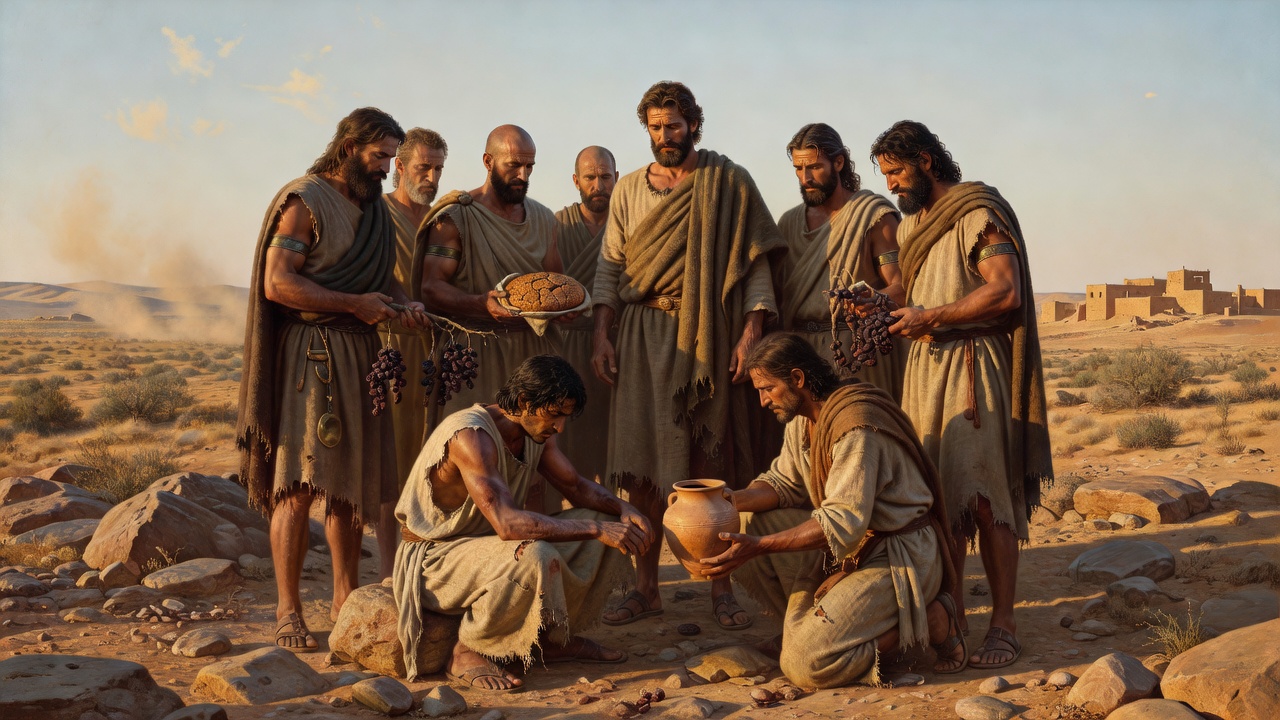
- La persecución de David tuvo éxito gracias a un siervo egipcio abandonado que hallaron debilitado en el árido Neguev, a quien reanimaron con agua, torta de higos y pasas a cambio de guiarlos hacia el campamento amalecita.Fuentes: Negeb · el propio texto bíblico
- En el torrente de Besor, doscientos hombres de David quedaron demasiado exhaustos para continuar; tras la victoria, David estableció una ley duradera de que quienes custodiaran el equipaje recibirían la misma porción del botín que aquellos que entraron en batalla.Fuentes: Besor · el propio texto bíblico
Notas escritas con ayuda de IA a partir de fuentes abiertas (Theographic Bible Metadata, CC BY-SA 4.0; Easton’s Bible Dictionary, dominio público) y revisadas antes de publicarse.
Lugares de este capítulo
- Negeb · 31.245, 34.841 · versículos 1, 14, 27
- Egypt · 30.129, 31.308 · versículo 13
- Jattir · Hoy: Khirbet Attir · 31.352, 35.016 · versículo 27
- Ramoth · Hoy: Horbat Uza · 31.209, 35.166 · versículo 27
- Siphmoth · Hoy: within 30 km of As Samu · 31.401, 35.067 · versículo 28
- Bor-ashan · Hoy: Khirbet Asan · 31.281, 34.797 · versículo 30
- Hebron · Hoy: Tel Rumeida · 31.525, 35.102 · versículo 31
Solo aparecen lugares identificados con alta confianza (90 % o más según las fuentes académicas reunidas por OpenBible). Mapa de la época: DARE (Digital Atlas of the Roman Empire), CC BY 4.0; mapa actual: © colaboradores de OpenStreetMap; lugares: OpenBible.info (CC BY 4.0).
Créditos y licencia de esta traducción
Bibeli Gusunɔn Gari
The Holy Bible in the Baatonum language of Benin, also called the Bariba language
copyright © 2013 SIM
Language: Bariba (Baatonum)
Translation by: SIM International
Bariba, Bibeli Gusunɔn Gari
This translation, published by the UEEB/SIM au Benin, was published in 1996.
If you are interested in obtaining a printed copy, please contact the SIM at SIM, BP 15, Parakou, Benin.
This translation text is made available to you under the
terms of the Creative Commons License: Attribution-Noncommercial-No Derivative Works.
( http://creativecommons.org/licenses/by-nc-nd/3.0/ )
In addition, you have permission to port the text to different file formats, as long as you
do not change any of the text or punctuation of the Bible.
You may share, copy, distribute, transmit, and extract portions
or quotations from this work, provided that you include the above copyright
information:
You must give Attribution to the work.
You do not sell this work for a profit.
You do not make any derivative works that change any of the actual words or punctuation of the Scriptures.
Permissions beyond the scope of this license may be
available if you contact
us with your request.
This translation is made available to you under the terms of the
Creative Commons Attribution-Noncommercial-No Derivatives license 4.0.
You may share and redistribute this Bible translation or extracts from it in any format, provided that:
You include the above copyright and source information.
You do not sell this work for a profit.
You do not change any of the words or punctuation of the Scriptures.
Pictures included with Scriptures and other documents on this site are licensed just for use with those Scriptures and documents.
For other uses, please contact the respective copyright owners.
2014-09-10
Fuente: http://ebible.org/bba/ · eBible.org