1 Corintios 15
Bibeli Gusunɔn Gari · Toca un versículo para ver sus referencias cruzadas.
Kirisin seebu ɡɔrin di
1Nɛɡibu nɑ bɛɛ Lɑbɑɑri ɡeɑ ye yɑɑyɑsiɑmɔ ye nɑ rɑɑ bɛɛ nɔɔsiɑ mɑ i ye mwɑ, i mɑɑ yɔ̃ ye sɔɔ. 2Yen min diyɑ i fɑɑbɑ wɑɑmɔ i n ɡɑri yi nɛni dim dim yi nɑ bɛɛ wɑɑsu kuɑ. Mɑ n kun mɛ, kɑmɑ i nɑɑnɛ doke.
3Domi ɡɑri yi yi kpuro kere yiyɑ nɑ bɛɛ nɔmu sɔndiɑ yi nɛn tii nɑ mwɑ. Yiyɑ mini. Kirisi u ɡu bɛsɛn torɑnun sɔ̃ nɡe mɛ Gusunɔn ɡɑri ɡerumɔ. 4Bɑ nùn sikɑ mɑ u seewɑ ɡɔrin di sɔ̃ɔ itɑse nɡe mɛ Gusunɔn ɡɑri ɡerumɔ. 5U win tii Sefɑ sɔ̃ɔsi, yen biru wɔkurɑ yiru ye. 6Yen biru u kurɑ mi win bwɑ̃ɑbɑ mɛnnɛ bèn ɡeerɑ nɛɛrɑ wunɔbu (100) kere. Ben dɑbirɑ wɑsi kɑ tɛ̃, ɑdɑmɑ ɡɑbɑ ɡu. 7Mɑ u mɑɑ win tii Yɑkɔbu sɔ̃ɔsi, yen biru ɡɔrobu kpuro.
8Dɑ̃kuru u mɑɑ mɑn kure, nɛ wi nɑ sɑ̃ɑ nɡe wi bɑ mɑrɑ suru kun yibɑ. 9Domi nɛnɑ nɑ piiburu bo ɡɔrobu sɔɔ. Nɑ ǹ weenɛ bu mɑn soku ɡɔro, domi nɑ Gusunɔn yiɡbɛru nɔni sɔ̃ɔwɑ. 10Adɑmɑ kɑ Gusunɔn duromɑ nɑ kɑ sɑ̃ɑ mɛ nɑ sɑ̃ɑ tɛ̃, mɑ durom mɛ u mɑn kuɑ mu ǹ kue kɑm. Nɑ kookɑri kuɑ n ɡɔro be kpuro kere, ɑdɑmɑ n ǹ mɔ nɛn tiiwɑ nɑ kuɑ mɑ n kun mɔ Gusunɔn durom mɛ mu kɑ mɑn wɑ̃ɑ. 11Ǹ n mɛn nɑ, ɡɑri tee yiyɑ sɑ wɑɑsu mɔ̀ nɛ kɑ be, tee yiyɑ i mɑɑ nɑɑnɛ doke.
Bɛsɛn seebu ɡɔrin di
12Tɛ̃, bɑ̀ n Kirisin ɡɑri wɑɑsu kuɑ mɑ u seewɑ ɡɔrin di, ɑmɔnɑ bɛɛn ɡɑbɑ kɑ mɔ̀ ɡɔribɑ kun seemɔ. 13Gɔribu bɑ̀ kun seemɔ, Kirisi kun mɑɑ seewe. 14Kirisi ù kun seewen nɑ, bɛsɛn wɑɑsu kɑmɑ, bɛɛn nɑɑnɛ dokebu mɑɑ kɑmɑ. 15Sɑ mɑɑ Gusunɔ seedɑ weesuɡiɑ diiyɑ sɑnɑm mɛ sɑ ɡeruɑ mɑ u Kirisi seeyɑ ɡɔrin di, domi ǹ n sɑ̃ɑ ɡem mɑ ɡɔribɑ kun seemɔ, ǹ n mɛn nɑ, Gusunɔ kun mɑɑ Kirisi seeye. 16Domi ɡɔribu bɑ̀ kun seemɔ Kirisi kun mɑɑ seewe. 17Bɑ̀ kun mɑɑ Kirisi seeye bɛɛn nɑɑnɛ dokebu kɑmɑ, i mɑɑ wɑ̃ɑ bɛɛn torɑnu sɔɔ ɡinɑ. 18Be bɑ mɑɑ Kirisi nɑɑnɛ doke bɑ kɑ ɡu bɑ kɑm kuɑwɑ. 19Ǹ n wɑ̃ɑ teni tɔnɑn sɔ̃n nɑ sɑ Kirisi yĩiyɔ, sɑ sɑ̃ɑwɑ wɔnwɔndobu n tɔmbu kpuro kere.
20Adɑmɑ tɛ̃, Kirisi u seewɑ ɡɔrin di u kuɑ ɡbiikoo be bɑ koo sen suunu sɔɔ. 21Domi nɡe mɛ ɡɔɔ nɑ sɑɑ tɔnun min di, nɡe mɛyɑ ɡɔribun seebu mɑɑ nɑɑmɔ sɑɑ tɔnun min di. 22Nɡe mɛ tɔmbu kpuro bɑ ɡbimɔ yèn sɔ̃ bɑ ɡbinnɛ kɑ Adɑmu, nɡe mɛyɑ bɑ koo kpuro seeyɑ yèn sɔ̃ bɑ ɡbinnɑ kɑ Kirisi. 23Adɑmɑ bɑɑwure kɑ win wuurɑ. Gbiikɑɑ Kirisi, yen biru be bɑ sɑ̃ɑ wiɡibu win nɑɑrun sɑnɑm. 24Yen biruwɑ hɑnduniɑn kpeerɑ koo nɑ. Sɑnɑm mɛyɑ Kirisi u koo wiruɡiru kɑ yiiko kɑ dɑm kpuro kɑm koosiɑ kpɑ u Gusunɔ Bɑɑbɑ bɑndu nɔmu sɔndiɑ. 25Domi Kirisi u ǹ koo ko u kun bɑndu di sere Gusunɔ u kɑ nùn win yibɛrɛbɑ kpuro tɑɑreɑ. 26Gɔɔwɑ sɑ̃ɑ wɛrɔ dɑ̃ɑko wi bɑ koo kɑm koosiɑ. 27Domi bɑ yoruɑ bɑ nɛɛ, “Bɑ derɑ u kuɑ ɡɑ̃ɑnu kpuron wiruɡii.” Adɑmɑ sɑnɑm mɛ u ɡeruɑ bɑ derɑ u kuɑ ɡɑ̃ɑnu kpuron wiruɡii, n sun yeeri mɑ wi u derɑ u kuɑ yen wiruɡii, u ǹ wɑ̃ɑsi sɔɔ. 28Adɑmɑ bɑ̀ n ɡɑ̃ɑnu kpuro Kirisi nɔmu sɔndiɑ, yerɑ wi, Bii, u koo mɑɑ tii Gusunɔ nɔmu sɔndiɑ, kpɑ Gusunɔ wi u nùn ɡɑ̃ɑnu kpuro nɔmu sɔndiɑ, u bɑndu di kpuron wɔllɔ mɑm mɑm.
29Be bɑ bɑtɛmu mɔ̀ ɡɔribun sɔ̃ mɑɑ ni. Arufɑɑni yerɑ̀ yɑ wɑ̃ɑ mi. Ǹ n sɑ̃ɑ ɡem mɑ ɡɔribɑ kun seemɔ, mbɑn sɔ̃nɑ bɑ bu bɑtɛmu mɔ̀ ɡɔribun sɔ̃. 30Bɛsɛn tii mɑɑ, mbɑn sɔ̃nɑ sɑ rɑ n yɔ̃ kɑri sɔɔ sɑɑ bɑɑyere. 31Nɛɡibu, bɑɑdommɑwɑ nɑ rɑ n wɑ̃ɑ ɡɔɔn yirɑ sɔɔ. Nɑ yeni ɡerumɔ yèn sɔ̃ nɑ woo kɑnɑmɔ bɛɛn sɑɑbu bɛsɛn Yinni Yesu Kirisi sɔɔ. 32Nɑ̀ n sɑnnɑ kɑ ɡberun yɛɛ Efesu mini nɛn tɔndun yiikon sɔ̃, ɑrufɑɑni yerɑ̀ nɑ mɔ. Gɔribu bɑ̀ kun seemɔ, ǹ n mɛn nɑ, su di kpɑ su nɔ domi siɑ sɑ ko ɡbi.
33I ku de bu bɛɛ nɔni wɔ̃ke. Kpɑɑsi kɔ̃sobɑ bɑ rɑ dɑɑ ɡeɑ sɑnku. 34I de bɛɛn lɑɑkɑri ɡeɑ yu wurɑmɑ nɡe mɛ n weenɛ, kpɑ i kookoo kɔ̃susu deri. Bɛɛn ɡɑbu bɑ ǹ Gusunɔ yɛ̃. Nɑ yeni ɡerumɔ mɑ bɛɛn sekurɑ.
Seebun wɑsi kpɛɛ
35Goo koo bikiɑ u nɛɛ, ɑmɔnɑ bɑ koo kɑ ɡɔribu seeyɑ. Wɑsi yiren bweserɑ bɑ ko n mɔ. 36Bwisi sɑriruɡii! À n ɡɑ̃ɑnun biɑ duurɑ temɔ yɑ ǹ kpiimɔ mɑ n kun mɔ yɑ ɡu. 37Ye ɑ duurumɔ temɔ, biɑ tɔnɑwɑ, nɡe ɑlikɑmɑ bimɑ, ǹ kun mɛ ɡɑ̃ɑnu ɡɑnun bimɑ, n ǹ mɔ kpii pɔturɑ. 38Gusunɔ u biɑ ye kpii pɔturɑ wɛ̃ɛmɔ nɡe mɛ u kĩ. Biɑ bɑɑyere yɑ yen kpii pɔturɑ mɔ. 39Gɑ̃ɑ wɑsinu kpuron yɑɑ kun mɑɑ tiɑ. Tɔmbuɡiɑ nɛnɛm, yɛɛɡiɑ nɛnɛm, ɡunɔsuɡiɑ nɛnɛm, swɛ̃ɛɡiɑ mɑɑ nɛnɛm.
40Wɔllun wɑsi yi wɑ̃ɑ, hɑnduniɑɡii mɑɑ wɑ̃ɑ. Wɔllun wɑsi yi yin burɑm mɔ, hɑnduniɑɡii mɑɑ yin burɑm mɔ. 41Sɔ̃ɔ u win burɑm bɑɑ mɔ, suru mɑɑ wiɡim mɔ kɑ mɑɑ kperi. Kperin tiin burɑm wunɑnɛ.
42Mɛyɑ n ko n sɑ̃ɑ sɑnɑm mɛ bɑ koo ɡɔribu seeyɑ. Bɑ̀ n wɑsi sikɑ ɡɔɔɡiiyɑ mi, ɑdɑmɑ bɑ̀ n yi seeyɑ yi ǹ mɑɑ ɡbimɔ. 43Bɑ̀ n yi sikɑ yi ku rɑ n bɛɛrɛ mɔ, ɑdɑmɑ bɑ̀ n yi seeyɑ ɡirimɑ bɑkɑɡiiyɑ. Bɑ̀ n yi sikɑ, dɑm sɑriruɡiiyɑ, ɑdɑmɑ bɑ̀ n yi seeyɑ yi dɑm mɔ. 44Bɑ̀ n yi sikɑ wɑsi bentekerɑ, ɑdɑmɑ bɑ̀ n yi seeyɑ yi sɑ̃ɑwɑ hundeɡii. Domi wɑsi bentekeru tɑ̀ n wɑ̃ɑ, wɑsi hundeɡii mɑɑ wɑ̃ɑ. 45Nɡe mɛyɑ mɑɑ bɑ yoruɑ bɑ nɛɛ, tɔn ɡbiikoo Adɑmu, u kuɑ wɑso, ɑdɑmɑ Adɑmu dɑ̃ɑko u sɑ̃ɑwɑ hunde wi u wɑ̃ɑru wɛ̃ɛmɔ. 46N ǹ mɔ hundeɡiiyɑ yi ɡbiɑ yi nɑ. Wɑsi bentekerɑ tɑ ɡbiɑ tɑ nɑ, yen biru hundeɡii. 47Bɑ tɔn ɡbiikoo mɔmɑ kɑ tem, mɑ u kuɑ temɡii. Tɔnu yiruse u nɑwɑ wɔllun di. 48Nɡe mɛ temɡii ɡbiikoo u sɑ̃ɑ, mɛyɑ mɑɑ temɡibu kpuro bɑ sɑ̃ɑ. Nɡe mɛ wɔlluɡii u mɑɑ sɑ̃ɑ mɛyɑ mɑɑ wɔlluɡibu kpuro bɑ sɑ̃ɑ. 49Nɡe mɛ sɑ kɑ temɡii weenɛ, nɡe mɛyɑ sɑ ko mɑɑ kɑ wɔlluɡii weenɑ.
50Nɛɡibu yeniwɑ nɑ ɡerumɔ, mɑ ye yɑ yɑɑ kɑ yɛm mɔ, yɑ ǹ kpɛ̃ yu bɔnu wɑ mi Gusunɔ u bɑndu swĩi. Ye yɑ mɑɑ sɑ̃ɑ ɡɔɔɡiɑ yɑ ǹ kpɛ̃ yɑ n wɑ̃ɑru te tɑ ku rɑ kpe mɔ.
51Asirin ɡɑri wee, nɑ bɛɛ sɔ̃ɔmɔ. N ǹ mɔ bɛsɛ kpurowɑ sɑ ko ɡbi, ɑdɑmɑ bɑ koo bɛsɛ kpuro kɔsi 52yɑnde, nɔni kpɑki teeru sɔɔ sɑnɑm mɛ kɔbi dɑ̃ɑkɑ yɑ koo swĩ. Domi yɑ koo swĩ kpɑ bu ɡɔribu seeyɑ bu ku mɑɑ kɑ ɡbi, kpɑ bɛsɛ su mɑɑ kɔsi. 53Domi wɑsi yi yi rɑ sɑnkire, yi ǹ koo ko yi kun kɔsɑ yi yi ku rɑ sɑnkire. Yi yi mɑɑ sɑ̃ɑ ɡɔɔɡii, yi ǹ koo ko yi kun kɔsɑ yi yi ku rɑ ɡbi. 54Tɛ̃ yi yi rɑ sɑnkire yì n kɔsɑ yi yi ku rɑ sɑnkire, ɡɔɔɡii yì n mɑɑ kɔsɑ yi yi ku rɑ ɡbi, yerɑ ye bɑ yoruɑ yɑ koo koorɑ ye bɑ nɛɛ, “U derɑ ɡɔɔ kpɑ, mɑ nɑsɑrɑ sinɑ.”
55“Gɔɔ, mɑnɑ wunɛn nɑsɑrɑ wɑ̃ɑ.
Gɔɔ, mɑnɑ wunɛn sɔsɔ dɛ̃ɛɡirɑ wɑ̃ɑ.”
56Gɔɔn sɔsɔ dɛ̃ɛɡirɑ torɑru, torɑrun dɑm mɑɑ sɑ̃ɑwɑ woodɑ. 57Yen sɔ̃, su Gusunɔ siɑrɑ wi u sun nɑsɑrɑ wɛ̃ɛmɔ sɑɑ Yesu Kirisi bɛsɛn Yinnin min di.
58Ǹ n mɛn nɑ kĩnɑsibu, i yɔ̃ro dim dim kɑ tɛmɑnɑbu, i n hɑniɑ mɔ̀ Yinnin sɔmburu sɔɔ bɑɑdommɑ kpɑ i n yɛ̃ mɑ sɔmbu te i Yinni kuɑmmɛ tɑ ǹ kɑm mɔ̀.
¿Sabías que…?
La resurrección de los muertos
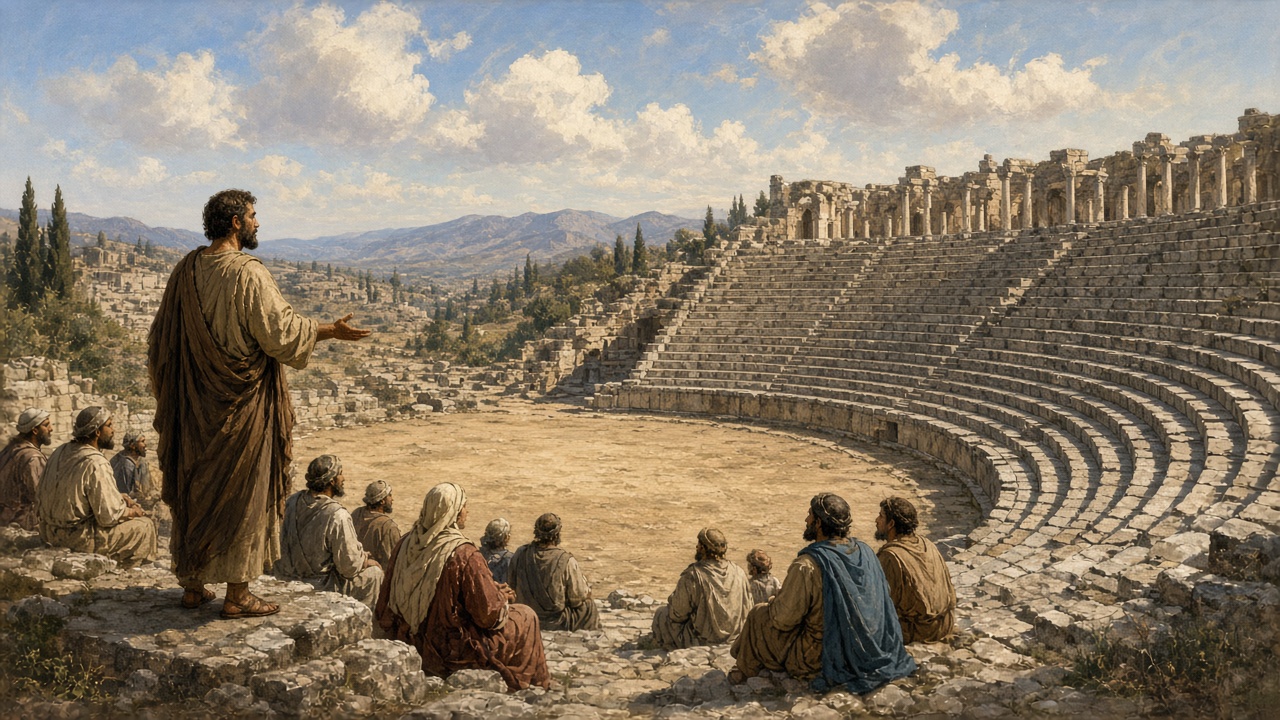
- Cuando este capítulo pregunta qué se ganó al luchar con fieras en Éfeso, nombra una ciudad que el Easton's Bible Dictionary llama capital del Asia proconsular, conocida por un teatro a cielo abierto —el más grande del mundo, capaz de albergar a 50.000 espectadores— donde se presentaban luchas de fieras y de hombres contra fieras.Fuentes: Ephesus · el propio texto bíblico
- El Easton's Bible Dictionary explica que Adán, palabra babilónica que significa rojo y el nombre común de hombre en hebreo y en asirio, fue el primer hombre, formado del polvo de la tierra, y por eso recibió ese nombre. Este capítulo retoma esa imagen: la muerte vino por medio de un hombre, el primer hombre era del polvo, y el último Adán es espíritu vivificante.Fuentes: Adam · el propio texto bíblico
- El Easton's Bible Dictionary (1897) identifica al Jacobo a quien Cristo se apareció después de la resurrección, como registra este capítulo, como hermano o pariente cercano de Jesús, también llamado Jacobo el Menor, y dice que después encabezó la iglesia en Jerusalén.Fuentes: James (Brother of Jesus) · el propio texto bíblico
Notas escritas con ayuda de IA a partir de fuentes abiertas (Theographic Bible Metadata, CC BY-SA 4.0; Easton’s Bible Dictionary, dominio público) y revisadas antes de publicarse.
Lugares de este capítulo
- Ephesus · 37.939, 27.341 · versículo 32
Solo aparecen lugares identificados con alta confianza (90 % o más según las fuentes académicas reunidas por OpenBible). Mapa de la época: DARE (Digital Atlas of the Roman Empire), CC BY 4.0; mapa actual: © colaboradores de OpenStreetMap; lugares: OpenBible.info (CC BY 4.0).
Créditos y licencia de esta traducción
Bibeli Gusunɔn Gari
The Holy Bible in the Baatonum language of Benin, also called the Bariba language
copyright © 2013 SIM
Language: Bariba (Baatonum)
Translation by: SIM International
Bariba, Bibeli Gusunɔn Gari
This translation, published by the UEEB/SIM au Benin, was published in 1996.
If you are interested in obtaining a printed copy, please contact the SIM at SIM, BP 15, Parakou, Benin.
This translation text is made available to you under the
terms of the Creative Commons License: Attribution-Noncommercial-No Derivative Works.
( http://creativecommons.org/licenses/by-nc-nd/3.0/ )
In addition, you have permission to port the text to different file formats, as long as you
do not change any of the text or punctuation of the Bible.
You may share, copy, distribute, transmit, and extract portions
or quotations from this work, provided that you include the above copyright
information:
You must give Attribution to the work.
You do not sell this work for a profit.
You do not make any derivative works that change any of the actual words or punctuation of the Scriptures.
Permissions beyond the scope of this license may be
available if you contact
us with your request.
This translation is made available to you under the terms of the
Creative Commons Attribution-Noncommercial-No Derivatives license 4.0.
You may share and redistribute this Bible translation or extracts from it in any format, provided that:
You include the above copyright and source information.
You do not sell this work for a profit.
You do not change any of the words or punctuation of the Scriptures.
Pictures included with Scriptures and other documents on this site are licensed just for use with those Scriptures and documents.
For other uses, please contact the respective copyright owners.
2014-09-10
Fuente: http://ebible.org/bba/ · eBible.org