Hechos 6
Azərbaycan dilində Müqəddəs Kitab · Toca un versículo para ver sus referencias cruzadas.
Yeddi köməkçi
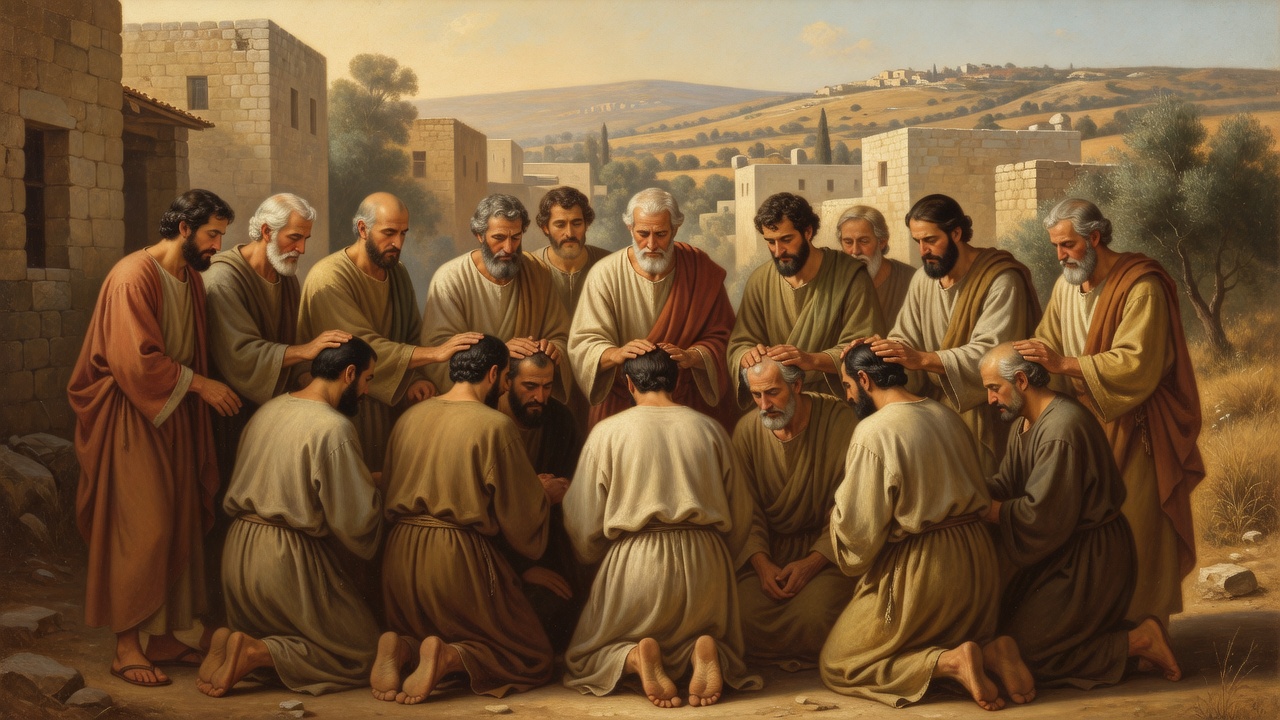
1O günlərdə – şagirdlərin çoxaldığı vaxtda yunanca danışan Yəhudilər ibranicə danışan Yəhudilərdən şikayət etməyə başladılar. Çünki gündəlik yardım paylananda onların dul qadınlarını nəzərə almamışdılar. 2Ona görə On İki həvari bütün şagirdləri bir yerə yığıb belə dedi: «Allahın kəlamını vəz etmək işini atıb maddi işlərlə məşğul olmağımız düzgün deyil. 3Ey qardaşlar, aranızda etibar qazanmış, Ruh və hikmətlə dolu olan yeddi kişi seçin ki, onları bu işə təyin edək. 4Biz isə özümüzü duaya və Allahın kəlamını yaymağa həsr edək». 5Bu sözlər bütün toplantının xoşuna gəldi. Stefanı, Filipi, Proxoru, Nikanoru, Timonu, Parmenanı və Yəhudi dinini qəbul edən Antakyalı Nikolanı seçdilər. Stefan iman və Müqəddəs Ruhla dolu bir kişi idi. 6Bunları həvarilərin qarşısına çıxardılar. Həvarilər də dua edib onların üzərinə əl qoydular.
7Allahın kəlamı yayılır, Yerusəlimdə şagirdlərin sayı xeyli artır və bir çox kahinlər də bu imana tabe olurdu.
Stefanın tutulması
8Lütf və qüdrətlə dolu olan Stefan xalq arasında böyük xariqə və əlamətlər göstərirdi. 9Belə olanda Azadlar Sinaqoqu adlanan sinaqoqun bəzi üzvləri, Kirenalılardan, İsgəndəriyyəlilərdən, Kilikiyadan və Asiya vilayətindən bəzi insanlar Stefana qarşı çıxıb onunla mübahisəyə başladılar. 10Amma Stefanın sözündəki hikmətin və Ruhun qarşısında dayana bilmədilər. 11Onda bir neçə nəfəri şirnikləndirdilər ki, belə desinlər: «Bu adamın həm Musaya, həm də Allaha qarşı küfr dolu sözlər dediyini eşitmişik». 12Beləliklə, xalqı, ağsaqqalları və ilahiyyatçıları da təşvişə saldılar. Stefanın üstünə gəlib onu tutdular və Ali Şuranın qarşısına gətirdilər. 13Gətirdikləri yalançı şahidlər onun üzünə durub dedilər: «Bu adam dayanmadan bu Müqəddəs məkana və Qanuna qarşı danışır. 14“Nazaretli İsa bu məkanı darmadağın edəcək və Musadan bizə əmanət qalan adətləri dəyişəcək” dediyini özümüz eşitmişik». 15Ali Şurada oturanların hamısı Stefana diqqətlə baxanda gördü ki, onun üzü bir mələyin üzünə bənzəyir.
¿Sabías que…?
La Elección de los Siete y el Juicio de Esteban
- Surgieron tensiones entre los judíos de habla griega y los hebraicos por la distribución diaria de alimentos a las viudas, lo que llevó a los apóstoles a designar a siete hombres respetados para esta tarea. Notablemente, los siete nombrados—incluyendo a Nicolás, un prosélito de Antioquía—llevaban nombres griegos.Fuentes: el propio texto bíblico · Nicolas
- Judíos de distintas regiones del mundo romano contaban con sus propias sinagogas en Jerusalén, como la Sinagoga de los Libertos y reuniones para personas de Cirene, Alejandría, Cilicia y la provincia de Asia. Miembros de estos grupos regionales fueron los primeros en debatir formalmente con Esteban sobre sus enseñanzas.Fuentes: el propio texto bíblico · Cilicia · Asia
- Cuando los opositores no pudieron refutar los argumentos de Esteban, lo llevaron ante el Sanedrín acusándolo de hablar contra el templo y la ley de Moisés. Mientras los miembros del concilio lo observaban durante estas acusaciones, vieron que su rostro parecía el de un ángel.Fuentes: el propio texto bíblico · Stephen
Notas escritas con ayuda de IA a partir de fuentes abiertas (Theographic Bible Metadata, CC BY-SA 4.0; Easton’s Bible Dictionary, dominio público) y revisadas antes de publicarse.
Lugares de este capítulo
- Antioch · Hoy: Antioch on the Orontes · 36.227, 36.172 · versículo 5
- Jerusalem · 31.777, 35.234 · versículo 7
- Alexandria · 31.183, 29.896 · versículo 9
- Asia · 38.400, 28.300 · versículo 9
- Cilicia · 36.913, 34.892 · versículo 9
- Cyrene · 32.821, 21.851 · versículo 9
- Nazareth · 32.702, 35.298 · versículo 14
Solo aparecen lugares identificados con alta confianza (90 % o más según las fuentes académicas reunidas por OpenBible). Mapa de la época: DARE (Digital Atlas of the Roman Empire), CC BY 4.0; mapa actual: © colaboradores de OpenStreetMap; lugares: OpenBible.info (CC BY 4.0).
Créditos y licencia de esta traducción
Azərbaycan dilində Müqəddəs Kitab
The Holy Bible in the Azerbaijani language, also known as the Azeri language, of Azerbaijan, Iran, Iraq, Syria, and Turkey
Copyright © 2008 Müqəddəs Kitab Sirkəti
Language: Azeri (Azerbaijani, South)
Translation by: Institute for Bible Translation
Contributor: Bible Society of Azerbaijan
This translation text is made available to you under the
terms of the Creative Commons License: Attribution-Noncommercial-No Derivative Works.
( http://creativecommons.org/licenses/by-nc-nd/3.0/ )
In addition, you have permission to port the text to different file formats, as long as you
do not change any of the text or punctuation of the Bible.
You may share, copy, distribute, transmit, and extract portions
or quotations from this work, provided that you include the above copyright
information:
You must give Attribution to the work.
You do not sell this work for a profit.
You do not make any derivative works that change any of the actual words or punctuation of the Scriptures.
Permissions beyond the scope of this license may be
available if you contact
us with your request.
This translation is made available to you under the terms of the
Creative Commons Attribution-Noncommercial-No Derivatives license 4.0.
You may share and redistribute this Bible translation or extracts from it in any format, provided that:
You include the above copyright and source information.
You do not sell this work for a profit.
You do not change any of the words or punctuation of the Scriptures.
Pictures included with Scriptures and other documents on this site are licensed just for use with those Scriptures and documents.
For other uses, please contact the respective copyright owners.
2018-11-09
Fuente: http://ebible.org/azb/ · eBible.org