Romanos 16
Manikáne O Ehwehne · Toca un versículo para ver sus referencias cruzadas.
Poraga áhnte keyábé iroro ú ehwehne.
1Íné nuwahbehme Sísa tagaríéh íní wenáwíq Píbi séhréh atáhro. We Sénkáría suwahpeqte íní ména mibeqté Sísa tagaríáh ké séhréh arítéhre. 2Áhnte ke séhréh aritena íné moq séhréh aintáráire. Minayabe wega iteba kínaraq mehweh ateq we tabonah ína naneq séhréh atáhro. Ite moke Manikáne animárínká itene Wahnahnsabé iwíáhéq mó ke séhréh aritonanserah mi iní séhréh atáhro.
3Sísa Karáhéne arambehriurautaq Ákúírareq Párísírareq mi akéqká moq moráráq arambehriuraune. Sensabé iraotao arítáhro. 4Sega íné séhréh aintáróyame pukorahuroye. Íre ínébataq moke Sísa tagaríáh náhnsó kégá moq mi anítéyábé iwíáh íwíáh arítáhwe. 5Mi akéqseq sene nahtapeq momiwío ke Sísa tagaríáh kéreqsabé iroro arítáhro.
Esia marákórápéq Sísa Karáhé éhweh teríátáutaq mi ehwéhnsábé Épáínétúsaga téh aiq pútare atena sehgiraire. We niruní ání míre. Iraúno atáhro.
6Máhríaga ite séhréh aitanieéna anotah arámbéhríuraire. Wensabé iraúno atáhro.
7Nánuwahrah Asíú áníté Ántáróníkureq Súníásareq míéhye. Íné karábúsiipéq míarautaq sega moq mitaq míaroye. Íné Sísa Karáhé íre tagariarautaq sega we tagariaroyara eqmaro kega sensabé iwíáh íwíáh arítárówe. Sensabé iraotao arítáhro.
8Itene Wahnahne sánsá kawerue sehgí ání wenáwíq Ámbíátu míéhre. We niruní ání míre. Wensabé iraúno atáhro.
9Sísa Karáhéne arambehri miraurautaq Úrábánureq moq moráráq arambehriurauye. Wensabé iraúno atáhro. Mó niruní ání Sítákísansabé iraúno atáhro.
10Sísa Karáhéne sansá tábúsoqme sehgí ání wenáwíq Ápérie. Wensabé iraúno atáhro. Árítóbúru karírónánínseqsabé iroro arítáhro.
11Nánuwahrah Asíú ání Éróríónansabé iraúno atáhro. Náhsísune nahtapeq kaegaeo Sísa tagaríáh kéyábé iroro arítáhro.
12Itene Wahnahne arambehri kawerue miraóya aníté sensíwíq Tárípínareq Tárípósareqsabé iraotao arítáhro. Itene Wahnahne arambehri áhnte miraurai inímé Pérísie. We niruní íní míre. We néne iyahnabo iní míre. Iraúno atáhro.
13Itene Wahnahne sánsá tábúsoqme sehgí ání wenáwíq Árúpansabé iraúno atáhro. Wenanowé náino tahnsa ání úkurainsabé mi inínsábé moq iraúno atáhro.
14Mó kewé Ásínkárítureq Pégónireq Érémísireq Pátóbareq Érémásareq sereq moráráq Sísa tagaríáh kéreqsabé iroro arítáhro.
15Mó kewé Pírórógureq Súríahreq Néréúsareq wene anahnowáreq Órímbareq sereq míáh Sísa tagaríáh kéreqsabé iroro arítáhro.
16Iteite we mehweh atéhoro. Moke mahtaqté Sísa tagaríáh kégá itensabé iroro ewe.
Ahbabáq aitahráho keyábé éhwéhne.
17Néne iyahnabo anímáríno, ehgarogaro anímárínseq ahbabáq aitahráho anímárínseq tagaríáhro. Íwáhnoruro ehwéhnsábé ahqáho aitáh ké tagaríáhro. Sega míéhrarabeq míehboq peh móbeq míáhro. 18Mina tahnsa kégá itene Wahnah Sísa Karáhéne arambehri íre miraéra peh seyene sirupipeqté íwíáh mira aruqarurowe. Sega áhnte ehwéhnéra ehnenehne arítéhrataq íre ahtebah kegá mi ehwéh irera kaweq ehwéhne íwíáhowe.
19Itega Sísane ehweh kawerue sehgíónsábé ómiga íráhwe. Minayabe iwíáh íwíáhéna nirupipeq eyoyóire. Ahbabáq sansa ahtebehboq pehragéq peh kaweq sansá ahtebahro.
20Maniká iru ukiq itéh ánínká owainawa saiqnarianaire. Itene igaranka noginairabeq saiqnarianaire.
Itene Wahnah Sísa Karáhéga séhréh aitéhre.
Porareq míó kega Aroma keyábé iroro u ehwehne.
21Tímóti ínéreq arambehrii anínká itensabé iroro ire. Nánuwahrah Asíú kéwé Árúsíareq Sésónireq Sósípátereqka itensabé moq iroro ewe.
22Mah ehwéh páhsiipéq sehiranu aní néníwíq Tétíae. Poraga tenínserahnue pépahqtaq sehiranuge. Íné moq Sísane aninéna itensabé iroro uge.
23Mahtaqté Sísa tagaríáh kégá Káíúsine nahtapeq momiwíowana wega íné Pora kirabo aintéhre. Wega itensabé iroro ire.
Mah ke suwahpeqte táhkísi moné wahnahni aní wenáwíq Érásátie. Wereq itene iyahnabo aní wenáwíq Kúátúsareqka itensabé iroro éye.
Manikánsabe iwíáh íwíáh atanéhe i ehwéhne.
25Manikánsabe iwíáh íwíáh atone. Ínéwé kaweq ehwéh Sísa Karáhé éhweh teri terinuge. Itega mi ehwéh ireq sehgigeheéna Manikánka págege aitéhre. Naho mi ehwéh íre ábóraragia peh kopípéq kowe.
26Kopípéq kowana Manikáne ehweh iraru kegá aiq sehiranuro puana amahnágawe ábóraq kéhre. Mah kehiná kéhínánká mi ehwéhnsábé aiq pútare atera sehgigeheéna Manikánka koreríéro aitáráire.
27Manikánka webataq mía míaéna aiq moke ahtebehre. Sísa Karáhéga miraúnsabe itega Maniká Iteribonsabé ahriahri iwíáh íwíáh atanéhe. Aiq míre.
¿Sabías que…?
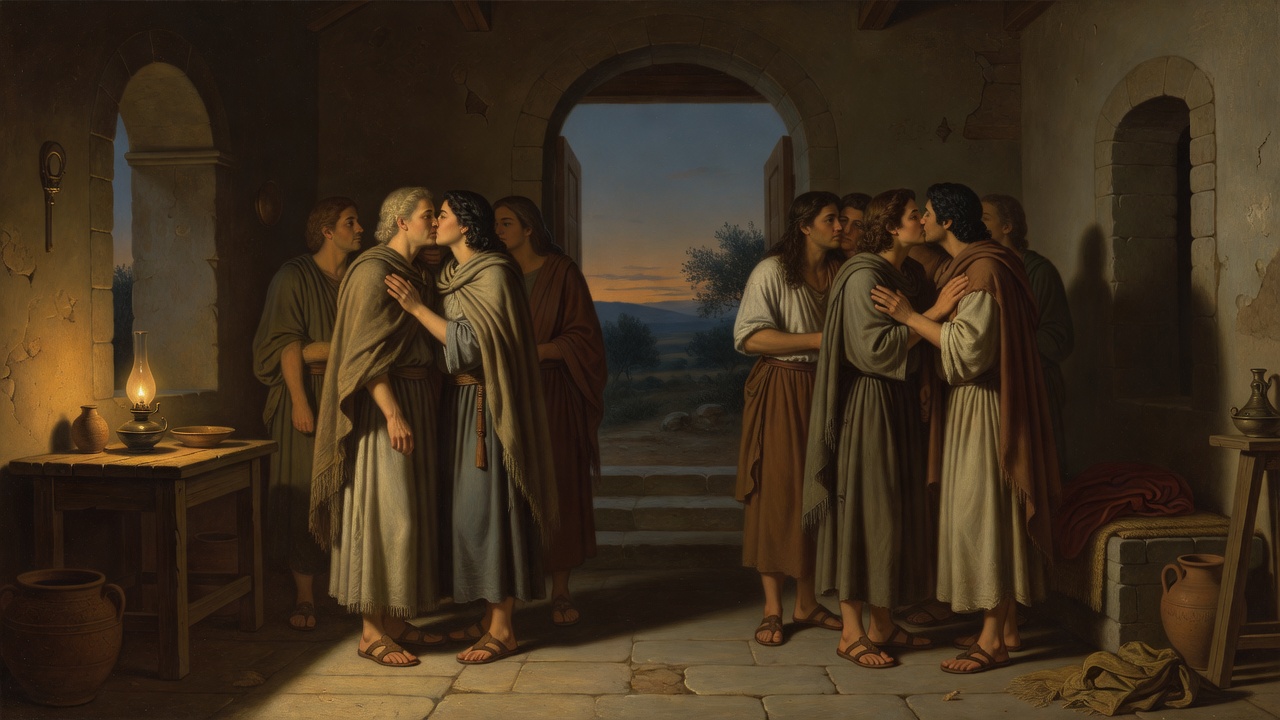
Saludos a la iglesia en Roma
- Pablo recomienda a Febe, sierva de la iglesia en Cencrea, y pide a los destinatarios en Roma que la reciban bien y la ayuden en lo que necesite, porque ha sido de gran ayuda para mucha gente, incluido él. Cencrea era el puerto oriental de Corinto, a unas nueve millas al este de la ciudad y la salida de su comercio con las costas asiáticas del Mediterráneo; el Easton's Bible Dictionary (1897) dice que ella probablemente fue quien llevó esta carta.Fuentes: el propio texto bíblico · Phebe · Cenchreae
- Pablo saluda a Prisca y a Aquila, sus colaboradores en Cristo Jesús, que arriesgaron la vida por él, y también a la iglesia que se reúne en su casa; dice que no solo él, sino todas las iglesias de los gentiles les están agradecidas. El Easton's Bible Dictionary (1897) la llama Priscila y describe a Aquila como fabricante de tiendas, natural del Ponto, que con su esposa dejó Roma a causa de un decreto de Claudio, en el año 50 d. C., que ordenaba a todos los judíos salir de la ciudad; el nombre de ella a veces aparece antes que el de él, como aquí.Fuentes: el propio texto bíblico · Priscilla · Aquila
- Cerca del final, Tercio, quien puso la carta por escrito, añade su propio saludo. Gayo, que ha hospedado a Pablo y a toda la iglesia, también envía saludos, al igual que Erasto, el tesorero de la ciudad, y Cuarto.Fuentes: el propio texto bíblico
Notas escritas con ayuda de IA a partir de fuentes abiertas (Theographic Bible Metadata, CC BY-SA 4.0; Easton’s Bible Dictionary, dominio público) y revisadas antes de publicarse.
Lugares de este capítulo
Solo aparecen lugares identificados con alta confianza (90 % o más según las fuentes académicas reunidas por OpenBible). Mapa de la época: DARE (Digital Atlas of the Roman Empire), CC BY 4.0; mapa actual: © colaboradores de OpenStreetMap; lugares: OpenBible.info (CC BY 4.0).
Créditos y licencia de esta traducción
Manikáne O Ehwehne
God's New Talk: The New Testament in the Awa Language of Papua New Guinea
Nupela Testamen long tokples Awa long Niugini
copyright © 1974, 1997 Wycliffe Bible Translators, Inc.
℗ Faith Comes by Hearing
Language: Awa
Translation by: Wycliffe Bible Translators
This translation is made available to you under the terms of the
Creative Commons Attribution-Noncommercial-No Derivatives license 4.0.
You may share and redistribute this Bible translation or extracts from it in any format, provided that:
You include the above copyright and source information.
You do not sell this work for a profit.
You do not change any of the words or punctuation of the Scriptures.
Pictures included with Scriptures and other documents on this site are licensed just for use with those Scriptures and documents.
For other uses, please contact the respective copyright owners.
2013-12-11
Fuente: http://png.bible/awb/ · eBible.org