Efesios 6
Manikáne O Ehwehne · Toca un versículo para ver sus referencias cruzadas.
Iteinoibone ehweh íráhro i ehwéhne.
1Animáríno, iteinoibone ehweh íráhro. Itene Wahnahnka sene ehweh íráhro aitéhnsábé mina aiq kaweq sansáne. 2Manikánka sehgíóro ú ehwehnká mahraréna,
Iteinoibonsabé iwíáh íwíáhoro. Mirairataq kaweqtaq méq mah marákóráq ore orení uragéhe ire. (Lo 5.16)
Wega sehgíóro ú ehweh irarútaq wega mah omásá éhwéh téh irarúwe.
Itene animárí tábúsoqme síwáhnororo i ehwéhne.
4Sibowárého, itene animárínsábé áhnte ehwéh aruqaruronka siwahsoreqsirara sega itensabé abiahnsa aitagéhe. Minayabe mi sansá sueq itene animárínká itene Wahnahne sánsá kawerue ahtebagehboq tábúsoqme síwáhnororo.
Itene Wahnahne ehweh kawerue sehgíóro i ehwéhne.
5Mó kené arambehriraq saiqnaríáh kéo, itene marakóipeqté wáhnáhmárínsábé áhtenéq sene ehweh kawerue sehgíóro. Sene arambehriraq taoraho iyehboq Sísa Karáhéne arambehri kawerue miraonserah sene arambehri moq miraoro. 6Íre peh morá sega tagehrataq kawerue arambehrioro. Írakaumo. Sega íre míéhrataqkakáq kawerue arambehrioro. Ite Sísa Karáhéne arambehrio ke púaq moke mirao arámbéhrí kawerue arambehrioro. Minawé Maniká Iteribo awahbeh sansáne.
7Itene marakóipeqté wáhnáhné arambehri miraotaq íre peh morá sene arambehri miraowe. Mi arámbéhríwé Sísa itene Wahnahne arambehri úkire. 8Minayabe mi arámbéhríirataq iru eyoyóue kawerue arambehrioro. Sísa itene Wahnahnka moke kaweq arámbéhrío ke ápeq náinkéhe. Arambehri saiqnaríáh kéreq sene arambehriyabé móne méyáh kéreq peh morá íwíáhéna mókake ápeq náinkéhe.
9Arambehriraq wahnahno keo, iteba arambehrio keyábé peh kaweq sansánoro. Anotah ehwéh arítéhboq itene ehweh kawerue sehgírataq itega se pehwehrue arítáhro. Itereq sereqne íópeqté Wáhnáhnká íre mó iwíáh mó iwíáhire. Wega moke wehukeyabé peh morá íwíáhi puaq minayabe ahreraq matawéq kawerurero.
Sísa tagaríáh kégá owainawamarínseq ebehúne i ehwéhne.
10Ínéga parabaruanau ehwéh íráhro. Itene Wahnahme ayahnsa kira anínéna págegeue mía míaire. Ite moq mina tahnsa míaneheéq wega séhréh aitéhnsábé weba wahtotaq mía míaéq págegeue mía míaoro. 11Owainawanka ahbabáq aitehnehboq itega kaweqtaq míaneheéq Manikánka náí íq, póríáh, téhnké sokahue míáhro.
12Íre wehukereq ebehúne. Írakaumo. Owainawamarínseq sene wahnahmarínseq sunkíkírirabeqte wahnáhnseq áhnte íópeqté áhbábáq kéreq ebehúne. 13Minayabe Manikánka náí íq, póríáh, téhnké sokahue míáhro. Mirairataq owainawamarínká iteba siraq ebehirataq sega ite íre iuboráhowaq peh págegeue méq ebehorahowe. Ebeh parabarueq págegeue míahrahowe.
Owainawanseq ebehúna naneqsabé pabeqme ehwéhne.
14Owainawanseq kawerue ebehoneheéq teiú náneqmarí sokah sokahue míáhro. Aiq pútaq ehwéh irareme itene áréti tahnsáne. Kaweqtaq mía míaéwé káhpahraté miraia síótí tahnsane. 15Manikáne kaweq ehwéh insahwé aite ehwéh teríémé itene igárápíté súú tahnsáne.
16Sísansabé aiq pútare atewé itene tehnke tahnsane. Mi tehnké mararaq pentabehrataq owainawane poriahga íre séuqmianae. 17Manikánka aiq kaweraitéhmé itene págege ayáhúq tahnsane. Manikáne púkuipéqté éhwéhmé itene poka tahnsane. Mi ehwéh irarirataq Manikáne Awanka séhréh aitanae. 18Manikáne Awanka iwíáh aitahna naneqsabé ahriahri púreroro. Mó naneq mó naneqsabé iwíáhue púreroro. Kawerue púreroneheéq túbáh agiyehboq áwéh panantágínaq tagéq moke Maniká tagaríáh kéyábé púreroro.
19Ínénsabe moq púreraintáhro. Íné íre áhreia Manikáne kaweq ehwéh peh kawerue pahsuaníboq Manikánsabe, Íné págege ate séhréh ato ue teawéro. 20Íné Manikáne ehweh koreri terinu aní múge. Teri terinunsabé mó kegá karábúsiipéq móíntáhwe. Kaweq ehwéh págegeue teri teriné sansamé kaweq sansáne. Ínéga íre áhreia peh tábúsoqme mirainiboq púreraintáhro.
Poraga Manikánsabe mi ke moke kawerarito ú ehwehne.
21Itene iruí íyáhnábó aní wenáwíq Tíkíkúsie. Wega itene Wahnahne arambehri kawerue mira aruqarurire. Wega íné éhweh teinkeheéna iteba eqmaróge. 22Ínéwé árahue míéhre íwíáhoo? Íné aneq arámbéhríre íwíáhoo? Íné éhweh Tíkíkásaga moke teiena itene irupipeq eyoyó aitankéhe.
23Maniká Iteriboreq itene Wahnah Sísa Karáhéreqka itene iru ukiq itehye. Itega kawerue aiq pútare ariteq mó keyábé irutaboirigeheéta séhréh aitehye. 24Itene Wahnah Sísa Karáhénsabe anotahtaq irutaboiro kewé Manikánka séhréh aitéhre.
¿Sabías que…?
Deberes del hogar, la armadura de Dios y Tíquico
- Este capítulo presenta el mandato de honrar al padre y a la madre como el primer mandamiento que trae una promesa: que a uno le vaya bien y que tenga larga vida sobre la tierra. También pide a los padres que no provoquen a ira a sus hijos, sino que los críen en la disciplina y la instrucción del Señor.Fuentes: el propio texto bíblico
- El capítulo dice que la lucha no es contra sangre y carne, sino contra gobernantes, autoridades, los poderes de las tinieblas de este mundo y las fuerzas espirituales del mal en las regiones celestiales. Se invita a los lectores a tomar toda la armadura de Dios —cinturón de la verdad, coraza de la justicia, pies calzados con la prontitud del evangelio de la paz, escudo de la fe, casco de la salvación y espada del Espíritu, que es la palabra de Dios— para mantenerse firmes cuando llegue el día del mal.Fuentes: el propio texto bíblico
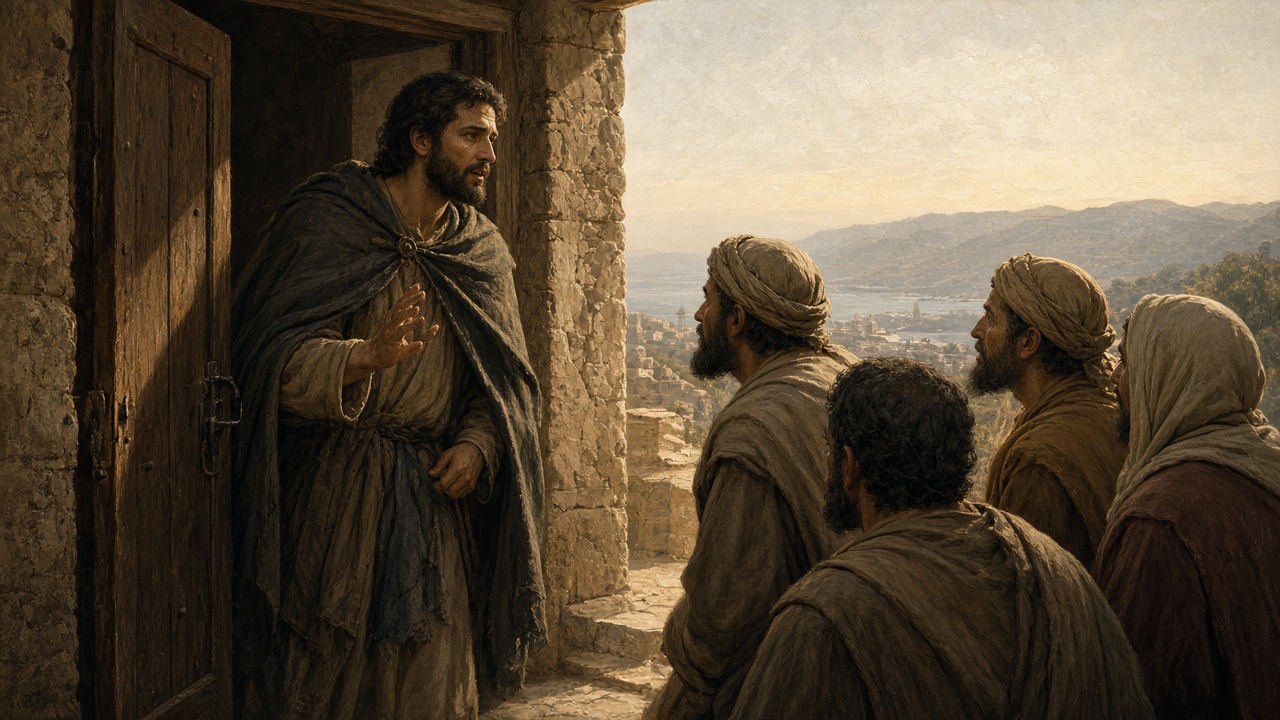
- Quien escribe pide oración para anunciar el evangelio sin miedo, como embajador en cadenas, y envía a Tíquico, el hermano amado y siervo fiel en el Señor, para contar a los lectores cómo está y animarlos. A Tíquico se lo describe como un cristiano de Asia que, con Trófimo, acompañó a Pablo en parte del viaje de Macedonia a Jerusalén y estuvo con Pablo en Roma, desde donde fue enviado a Éfeso, probablemente para edificar y animar a la iglesia.Fuentes: el propio texto bíblico · Tychicus
Notas escritas con ayuda de IA a partir de fuentes abiertas (Theographic Bible Metadata, CC BY-SA 4.0; Easton’s Bible Dictionary, dominio público) y revisadas antes de publicarse.
Créditos y licencia de esta traducción
Manikáne O Ehwehne
God's New Talk: The New Testament in the Awa Language of Papua New Guinea
Nupela Testamen long tokples Awa long Niugini
copyright © 1974, 1997 Wycliffe Bible Translators, Inc.
℗ Faith Comes by Hearing
Language: Awa
Translation by: Wycliffe Bible Translators
This translation is made available to you under the terms of the
Creative Commons Attribution-Noncommercial-No Derivatives license 4.0.
You may share and redistribute this Bible translation or extracts from it in any format, provided that:
You include the above copyright and source information.
You do not sell this work for a profit.
You do not change any of the words or punctuation of the Scriptures.
Pictures included with Scriptures and other documents on this site are licensed just for use with those Scriptures and documents.
For other uses, please contact the respective copyright owners.
2013-12-11
Fuente: http://png.bible/awb/ · eBible.org