Hechos 9
Manikáne O Ehwehne · Toca un versículo para ver sus referencias cruzadas.
Soraga Sísa kéro ehwehne.
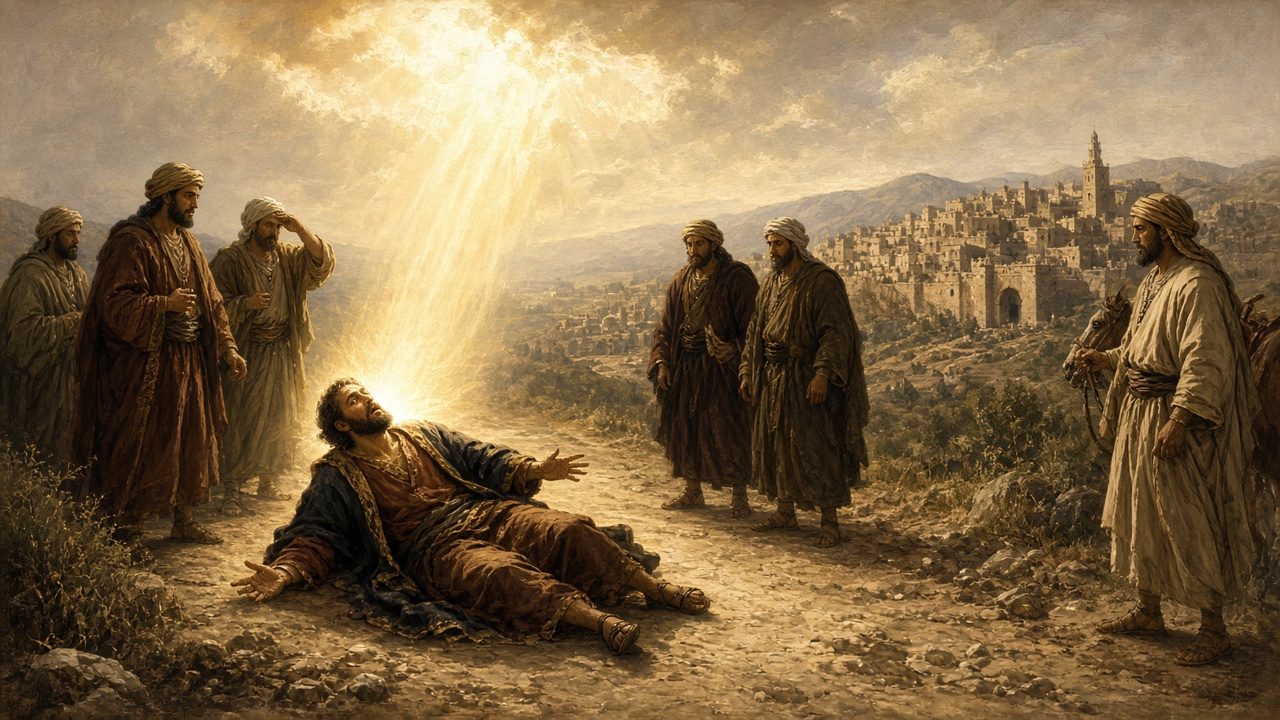
1Soraga Sísa tagaríáh kéyábé anotah ehwéh aritena, Mi ke síwíoqnéna subiq suaníe íwíáhéna Manikáne ehweh mibeq mahbeq arítáh kéné wahnahpa pokúwe. 2Pokéna wensabé, Sísa tagaríáh ké weh ahre tagéna táhtoqme koweriqmena Sarúsarama suwahpeq méritaníboq páhsiwarí nánio. Támákása suwahpeqte Asiu kené momiwí nahmárítápéqté ké sokigi ariniboq páhsiwarí nánio úwe.
3Úwana mi anínká páhsiwarí sehiranue awuwana Soraga mewena Támákása suwahpeq pokue wahtotaq kútaq apubúue íópeqté Manikáne téhrehnka anotahtaq téhrówe. 4Téhrówana wega marakóipeq múrunsurahúwana íópeqté éhwéhnká iraréna, Sorao, Sorao, aneqsabé níwíoqnahno úwe. 5Úwana Soraga iraréna, Anotah aníno, are insebo úwana, Íné Sísa uge. Íné arega níwíoqnáhna aní múge. 6Irigue mi ke suwahpeq pokúno. Mitaq arega mirainieóna arámbéhrí éhwéh peh morá ánínká teawinkéhe úwe.
7Úwara Sorareq nogú kega mi ehwéh irera wehuke íre tago puara peh ehiyansá síwéh panantágúwara míówe. 8Soraga irigue aura pankeqme ebiena tagótaq íre tagahrahúwe. Íre tagahrahúnsabe wereq nogú kega wene ayahtaq panantáwera Támákása suwahpeq móátówe. 9Móátówana apahtáróráq wene aura íre tagahrahéna wánínkakaq táhutahuqkakáq awehriúwe.
10Awehriúwana Támákása suwahpeqte ání Sísa tagaríéh ánínéna wenáwíq Ánáníásie. Ánáníásine awanka tagówana Manikánka áhrabéna, Ánáníásio úwe. Ánáníásio úwana, Mahna míóge úwana 11Manikánka wensabé, Wehukení wenáwíq Súrásae. Irigue wene nahtápéqté áh áwíq Obarisa áhtápéq pokúno. Wene nahtapeq Tahsa suwahpeqte ání wenáwíq Sora ména amahnága púrerire. 12Métáq wenawanka tagéwéhtáq wene aura ebieyabe arega weba sure táhtorahnana wene auranka tagehre. Weba koragáhno úwe.
13Úwana Ánáníásiga mahraréna, Áhnte kegá arega iraréna aníné ahbabáqsabe teníátówe. Sarúsarama suwahpeqte Sísa tagaríáh ké wega íre kawerarítáráire. 14Moke arenáwírue áhrabo ke karábúsiipéq móritanieéna sire. Manikáne ehweh mibeq mahbeq arítáh kéné wahnahmarínká páhsi awera pokue komiraúno átárówe úwe.
15Úwana Manikánka wensabé, Pokurio. Néne arambehri mirainkeheéna omaq atáráuge. Wega Ísara kereq wáhnaupéqté kéreq sene wahnahmarínseq néne ehweh korerinkéhe. 16Néne arambehri miraínayabé mó kegá we anotahtaq áwíoqnagehe. Minayabe sokigi awinauge úwe.
17Úwana Ánáníásiga pokue Sora mío nahupéq kibekéna wene ayahtate táhtorena wensabé, Sorao, are náníbáq móne. Arega ahtapeq séwaronaraq itene Wahnah areba séwíarai ani wenáwíq Sísaga eqmaq núwéhre. Arega mó tagehnana Manikáne Awanka arene arupipeq sewíankeheéna eqmaq núwéhre úwe. 18Úwana Sorane aura ahra tahnsá akariatio naneq apubúue megúwana tagéna irigúwana wání meawuwe. 19Wání meawuwana táhutahuq nówana wene anonka págege agúwe.
Soraga Sísa éhweh pahsuo ehwehne.
Táhmaro wehekáh Soraga Sísa tagaríáh kébá Támákása suwahpeq ména 20apubúue Asiu kené momiwí nahtápéq kiwéna Sísa éhweh teriena, Sísawe Manikáne ahninkáwáe úwe. 21Úwara wene ehweh író kega moke áhtenéra mahraréra, Irari anínká Sarúsarama suwahpeq ména Sísa áhrabo ke síwíoqnéna karábúsiipéq sitárái mino. Mahtaqkákáq mirainieéna surai mino. Wega Sísa áhrabo ke táhtoqme táhruue Manikáne ehweh mibeq mahbeq arítáh kéné wahnahpa móritanieéna surai mino uwe.
22Uwana Soraga págege ehwéh irarú ani úkue kaweq tábúsoqme ehweh teriena, Mah marákó márákóípéq sína aní, Manikánka omaq ato anímé Sísa wire ue tábúsoqme síwáhnorúwe. Tábúsoqme síwáhnorú púara Támákása suwahpeqte Asiu kegá mó íre irarerahowe.
Áhnte Asiu kegá Sora subiq suonehera unsabe pokú ehwehne.
23Áhnte wehekáh sótaikúwara Asiu kegá momiwíue sío síoéra, Sora subiq suanéhe íwíáhuwe. 24Subiq suanéhe íwíáhéra moráénuwana mó anínká sene ehweh irena Sora koreawuwe. Koreawuwara sega suboneheéra Támákása suwahpeqte áhnánsáhrápéqté áhtápéq wéhékáhnkakaq inokáhpeqkakáq wahnah wahnahnuwe. 25Wahnahnuwara inokáhpeq Soraga anotah pahsíkétíípéq tútuue míowara we kéró kega méatera náhníáqtate páhsíkétiraq iwe panantáwe tunse ebah kuri pera máhpeq márunátówe.
Soraga Sarúsarama suwahpeq síwáhnorú ehwehne.
26Soraga Sarúsarama suwahpeq pokéna, Sísa tagaríáh kébá kowíanauge íwíáhúwara sega wensabé áhreéra, We íre aiq pútaq Sísa tagaríéh ání míre íwíáhuwe. 27Iwíáhuwana Páhnábásaga Sora meqmena eqmaro keba móatowe. Móatena sensabé, Mah anínká ahtapeq itene Wahnah tagarairana wega ehweh teawátáire. Teawátáirana wega Támákása suwahpeq Sísa éhweh págegeue síwáhnoruraire úwe.
28Úwana Soraga Sísa tagaríáh kébá mía míaéna Sarúsarama suwahpeq íre áhreia peh mó minatáq mó mahnatárue Sísa éhweh págegeue síwáhnorúwe. 29Síwáhnorúnsabe wereq Káríki ehwéh iraru Asíú kéreqka ehwehuwe. Mi kegá, Sora subiq suaneheqmúne íwíáhuwara 30Sísa tagaríáh kégá mina irera Sora meqmera Sésáría suwahpeq márunatera mibeqté Tahsa suwahpeq eqmarówe.
31Eqmarówara mi tanáhráq mó kegá Súría marákóákáq Kehrari marákóákáq Sámáría marákóákáq Sísa tagaríáh ké íre síwíoqnia peh míówe. Peh míówara sirupipeq Sísane sánsá ahtebéra kawerue mirauwe. Manikáne Awanka págege aritena sirupipeq kaweq iwíáh aritowara íregáritaq mó wehekéqká Sísansabé aiq pútare atera kawerue kérówe.
Pítaga Áínía kawerato ehwehne.
32Pítaga Sísa tagaríáh ké míó nahmárítápéq poku pokuúwe. Pokéna Áríra suwahpeqte Sísa tagaríáh kéreqpa tuwe. 33Mi ke suwahpeq mío aní wenáwíq Áíníae. Wega abapete apahtáró ópéq wene máhriqtaq ména ah íre nogoráhúwe.
34Ah íre nogoráhúwana Pítaga we tagéna wensabé, Áíníao, Sísa Karáhéga amahnága kaweratéhre. Irigue arene máhriq sabaráwe sokah sokahúno úwana wega apubúue irigúwe. 35We kaweragúnsabe moke Áríra suwahpeqte kéreq Sáróna suwahpeqte kéreqka tagéra Sísansabé aiq pútare atera, Wene sánsá sehgionéhe íwíáhuwe.
Tókási pukú ehwehne.
36Sópa suwahpeq mío iní wenáwíq Tábítae. We Sísa tagaríéh ání míowara Káríki ehwéh iraru kegá Tókásie ue áwíratowe. We kaweq arámbéhrí íní ména íre arambehrioraho ke séhréh aruqarurúwe. 37Píta Áríra suwahpeq míotaq mi iní anotahtaq awahreue pukúwe. Pukúwara wene anonka pabeq paberue abobóráhpeqte náhtápéq átówe. 38Sópa suwahpeq Áríra suwahpeq wahtotaq kowara Sísa tagaríáh kégá Pítawe Áríra suwahpeq míéhre u írówe. Irera téhraníté Pítaba eqmaq suera, Pehbeheráh súno koreawétao éra eqmaq súówe.
Tókási oga úkú ehwehne.
39Eqmaq súówara pokue koreawúye. Koreawúyana Pítaga se kérirowe. Eqmaq súó keba suwara sega meqmera abobóráhpeqte nahtapéq móátówara mibeqté kéwéínínsónká Pítaba iriwe méra ibisowe. Ibiséra Tókási oga míotaq miraro korósí Píta sokigiue teawúwe.
40Pítaga se moke máhpeq kaqsuena arehunseraráq ména púrerúwe. Púreréna pabeqme putio anínsábé, Tábítao, irigúno úwe. Irigúno úwana wene auranka tagéna Píta tagótaq máhriqtaq kirútuue míowe. 41Míowana Pítaga wene ayahnkara táhtoqme pankeq auwowe. Pankeq auwena kéweinínsónseq mó Sísa tagaríáh kéreqsabé síáhrabéna sensabé, Seragahro. Oga úki aní tagahro éna sokigi ariuwe.
42Moke Sópa suwahpeqte kégá oga úkú ehweh irera áhnte kégá Sísansabé aiq pútare atówe. 43Pítaga áhnte wehekáh Sópa suwahpeq ména ménkámehnkáne áú kaweraqari aní wenáwíq Sáímónine nahtapeq kaegaeúwe.
¿Sabías que…?
La conversión de Saulo y el ministerio de Pedro
- Al perseguidor de este capítulo se le llama Saulo, un hombre de Tarso. Saulo era el nombre que recibió en la circuncisión, su nombre hebreo en casa; el nombre Pablo probablemente también se le dio en la infancia, para usarlo en el mundo gentil. Tarso, capital de Cilicia, provincia romana en el sureste de Asia Menor, estaba a orillas del río Cidno, navegable hasta allí, se distinguía por la riqueza de su comercio con las tierras del Mediterráneo y con el centro de Asia Menor, y era sede de una famosa universidad, cuyas escuelas se describen como rivales de las de Atenas y Alejandría.Fuentes: Paul · Tarsus · el propio texto bíblico
- Damasco, la ciudad a la que Saulo se acercaba con cartas del sumo sacerdote para llevar a Jerusalén, como prisioneros, a hombres y mujeres del Camino, se describe como la más antigua de las ciudades de Oriente y la capital de Siria, a unas 133 millas al norte de Jerusalén. Ananías fue enviado a la casa de Judas, un judío de Damasco, en la calle llamada Derecha, una calle larga y ancha que corría de este a oeste por cerca de una milla y formaba la vía principal de la ciudad, distinta de las calles estrechas e irregulares habituales en las ciudades de Oriente. Esa calle se identifica con la calle de los bazares, donde se ha señalado una llamada casa de Judas.Fuentes: Damascus · Straight Gate · Judas (Jew of Damascus) · el propio texto bíblico
- Lida, donde Pedro encontró a Eneas, paralítico y encamado desde hacía ocho años, estaba a unas nueve millas al este de Jope, en el camino de ese puerto a Jerusalén. Jope estaba sobre un promontorio arenoso, a unas treinta millas al noroeste de Jerusalén, y era el principal puerto marítimo de Judea. Allí la discípula Tabita también se llama Dorcas, nombre griego que significa gacela; era conocida por obras de bondad y caridad, y las viudas le mostraron a Pedro las túnicas y las demás ropas que ella había hecho.Fuentes: Lydda · Joppa · Dorcas · el propio texto bíblico
Notas escritas con ayuda de IA a partir de fuentes abiertas (Theographic Bible Metadata, CC BY-SA 4.0; Easton’s Bible Dictionary, dominio público) y revisadas antes de publicarse.
Lugares de este capítulo
- Damascus · 33.511, 36.306 · versículos 2, 3, 8, 10, 19, 22, 27
- Jerusalem · 31.777, 35.234 · versículos 2, 13, 21, 26, 28
- Straight Street · 33.509, 36.311 · versículo 11
- Tarsus · 36.913, 34.892 · versículos 11, 30
- Caesarea · Hoy: Caesarea Maritima · 32.500, 34.892 · versículo 30
- Galilee · 32.760, 35.527 · versículo 31
- Judea · Hoy: Judea 1 · 31.777, 35.234 · versículo 31
- Samaria · Hoy: Samaria 2 · 32.276, 35.195 · versículo 31
- Lod · 31.950, 34.900 · versículos 32, 35, 38
- Sharon · Hoy: Sharon Plain · 32.400, 34.883 · versículo 35
- Joppa · Hoy: Jaffa · 32.054, 34.753 · versículos 36, 38, 42, 43
Solo aparecen lugares identificados con alta confianza (90 % o más según las fuentes académicas reunidas por OpenBible). Mapa de la época: DARE (Digital Atlas of the Roman Empire), CC BY 4.0; mapa actual: © colaboradores de OpenStreetMap; lugares: OpenBible.info (CC BY 4.0).
Créditos y licencia de esta traducción
Manikáne O Ehwehne
God's New Talk: The New Testament in the Awa Language of Papua New Guinea
Nupela Testamen long tokples Awa long Niugini
copyright © 1974, 1997 Wycliffe Bible Translators, Inc.
℗ Faith Comes by Hearing
Language: Awa
Translation by: Wycliffe Bible Translators
This translation is made available to you under the terms of the
Creative Commons Attribution-Noncommercial-No Derivatives license 4.0.
You may share and redistribute this Bible translation or extracts from it in any format, provided that:
You include the above copyright and source information.
You do not sell this work for a profit.
You do not change any of the words or punctuation of the Scriptures.
Pictures included with Scriptures and other documents on this site are licensed just for use with those Scriptures and documents.
For other uses, please contact the respective copyright owners.
2013-12-11
Fuente: http://png.bible/awb/ · eBible.org