Hechos 6
Manikáne O Ehwehne · Toca un versículo para ver sus referencias cruzadas.
Sítíbénireh omaq sitó ehwehne.
1Mi tanáhráq Sísansabé aiq pútare ató ke áhnte úkuwe. Káríki ehwéh iraru Asiu kegá peh morá Asiu kené ehweh író keyabé abiahnsanuwe. Abiahnsanéra ehmuniq éhmúníréra, Wahnah kegá táhutahuq mó wehekáh mó wehekáhnue saraqmaráhtáq peh morá Asiu kené ehweh író kene kéweinínsó áhnte náriera itene kéweinínsó pehgáriq nári nárinowe uwe.
2Úwara mi airápété téhraníté eqmaro kega mó Sísa tagaríáh kéyábé momiwíoneheqmúne ue síáhrabuwara suwe. Suwara sensabé, Táhutahuq kawerue sararaneheéq ite Manikáne ehweh síwáhnoré arámbéhrí suewé anotah íre kawerire. 3Minayabe íráhro. Iteruwahraho, mi arámbéhrí miraigehboq itega ite míonarabeqte abapete téhraníté omaq sítáhro. Mó kegá, Kaweqtaq mía míowe e ke omaq sítáhro. Manikáne Awanka sereq mía míai ke méra kaweq iwíáho ke omaq sítáhro. 4Ite eqmaq íúwátái kegá peh púrerue Manikáne ehweh íwáhnoroneheqmúne uwe.
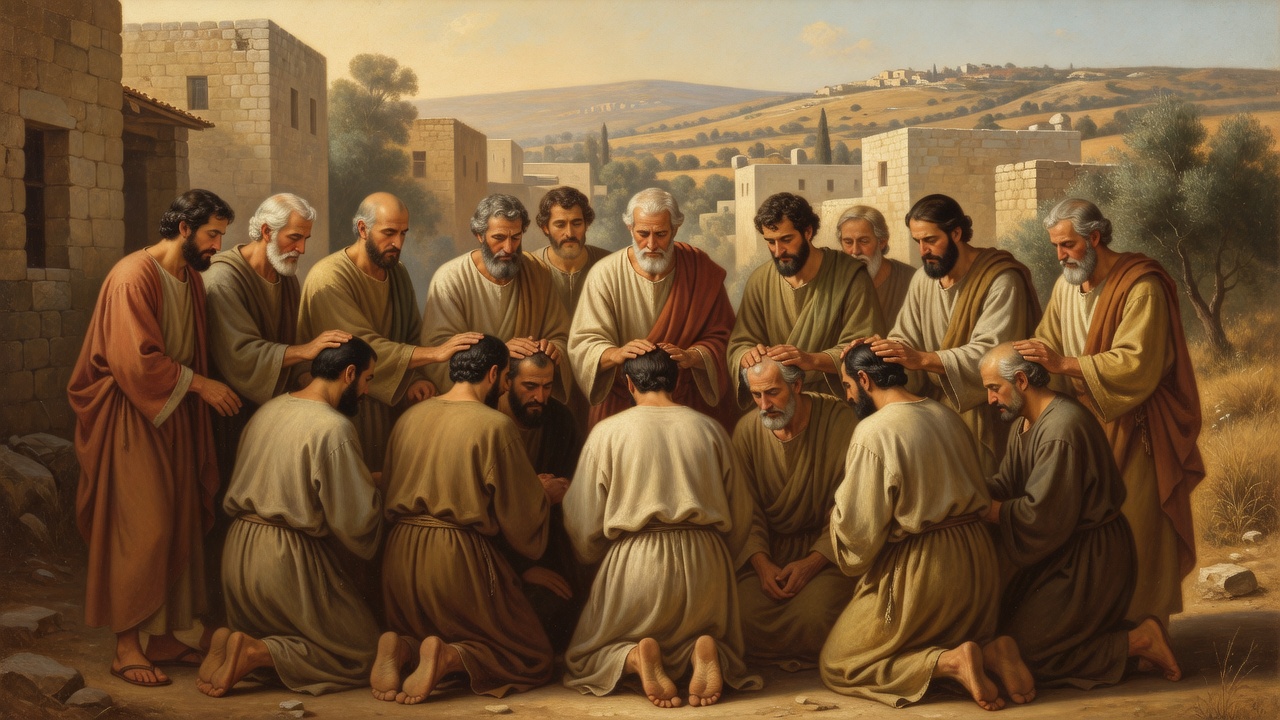
5Uwara moke író kega, Mi ehwéhmé kaweq ehwéhne íwíáhéra wehukení wenáwíq Sítíbéni omaq atówe. Sítíbéniga Sísansabé kawerue aiq pútare ato aní míowana Manikáne Awanka wene arupipeq mía míaéna séhréh atowe. Mó ke sensíwíq Pírípi, Pókóra, Níkánóri, Tímóni, Páménása, Níkóra miraue omaq sitowe. Níkórawe we Ántíóka suwahpeqte áníne. Téhwe we wáhnaupéqté ání ména anehemé we Asiu kené sánsá miraúwe. 6Mi ke omaq sitera eqmaro kene siuranabiahtapeq mórítówe. Mórítówara táhutahuq saraqme arámbéhrí miraigeheéra eqmaro kega siyahnkaratáté táhtoqme púrerarítówe.
7Manikáne ehweh áhnte síwáhnoru puara Sarúsarama suwahpeq íregáritaq kegá irera Sísansabé aiq pútare atówe. Áhnte Manikáne ehweh mibeq mahbeq arítáh kéreqka mi ehwéh irera Sísansabé aiq pútare atówana Manikáne ehwehnka abae agúwe.
Sítíbéninsabé ehweh ató ehwehne.
8Manikánka Sítíbéni séhréh atena págege ato púana wehuke míórabeq anotah otáq sánsámárí miraúwe. 9Miraúwara Sáíríni suwahpeqte Asiu kereq Árékásántáría suwahpeqte Asiu kereqka Sarúsarama suwahpeq momiwíuwe. Sene momiwí nahtápéqsábé Pugeq Súó Kene Nahne ue áwíratówe. Mi kereq Sírísía marákórápéqté kéreq Esia marákórápéqté kéreqka Sítíbéniba pokue ehwehuwe.
10Ehwehuwana Manikáne Awanka Sítíbéni págege ato púana wega ahtebia éhwéh irarúnsabe mi kegá íre ehweh atahráhuwe. 11Íre ehweh atahráhunsabé sega mó keyábé epéráhpéréra, Sítíbéni péhe éhwéh átéhrataq móne náienéhe. Péhe éhwéh mahrarero. Sítíbéniga Mósísireq Manikánseqsabé síéhruru arítáráiraq írátáune ero uwara sega móne mewera mi pehe éhwéh teriúwe. 12Mi pehe éhwéh teriúnsabe író kereq Asiu kené aboawah wehreq Asiu kené sánsá síwáhnoru kereqne sirupipeq págegeue abiahnsanuwe. Sega Sítíbéniba pokue táhtoqme kaunsíri kebá móátówe.
13Móatera péhe kégá mahraréra, Mi anínká Manikánsabe iwíáh íwíáh atáh náhtápéqkákáq Mósísine sánsánkákáqsábé abehq éhwéhne arítáráire. 14Sísa Néhsara suwahpeqte ánínká Manikánsabe iwíáh íwíáh atáh náh sokoruankéhe uraire. Mósísiga teiu sansamé Sísaga sabi iuaníe urairaq írátáune uwe. 15Uwara moke kaunsíri ke tútuue méra Sítíbéni tagowana wene aru ukiqme míonsabe wene auranabiah íópeqté áníné auranabiah tahnsa ágúwe.
¿Sabías que…?
La Elección de los Siete y el Juicio de Esteban
- Surgieron tensiones entre los judíos de habla griega y los hebraicos por la distribución diaria de alimentos a las viudas, lo que llevó a los apóstoles a designar a siete hombres respetados para esta tarea. Notablemente, los siete nombrados—incluyendo a Nicolás, un prosélito de Antioquía—llevaban nombres griegos.Fuentes: el propio texto bíblico · Nicolas
- Judíos de distintas regiones del mundo romano contaban con sus propias sinagogas en Jerusalén, como la Sinagoga de los Libertos y reuniones para personas de Cirene, Alejandría, Cilicia y la provincia de Asia. Miembros de estos grupos regionales fueron los primeros en debatir formalmente con Esteban sobre sus enseñanzas.Fuentes: el propio texto bíblico · Cilicia · Asia
- Cuando los opositores no pudieron refutar los argumentos de Esteban, lo llevaron ante el Sanedrín acusándolo de hablar contra el templo y la ley de Moisés. Mientras los miembros del concilio lo observaban durante estas acusaciones, vieron que su rostro parecía el de un ángel.Fuentes: el propio texto bíblico · Stephen
Notas escritas con ayuda de IA a partir de fuentes abiertas (Theographic Bible Metadata, CC BY-SA 4.0; Easton’s Bible Dictionary, dominio público) y revisadas antes de publicarse.
Lugares de este capítulo
- Antioch · Hoy: Antioch on the Orontes · 36.227, 36.172 · versículo 5
- Jerusalem · 31.777, 35.234 · versículo 7
- Alexandria · 31.183, 29.896 · versículo 9
- Asia · 38.400, 28.300 · versículo 9
- Cilicia · 36.913, 34.892 · versículo 9
- Cyrene · 32.821, 21.851 · versículo 9
- Nazareth · 32.702, 35.298 · versículo 14
Solo aparecen lugares identificados con alta confianza (90 % o más según las fuentes académicas reunidas por OpenBible). Mapa de la época: DARE (Digital Atlas of the Roman Empire), CC BY 4.0; mapa actual: © colaboradores de OpenStreetMap; lugares: OpenBible.info (CC BY 4.0).
Créditos y licencia de esta traducción
Manikáne O Ehwehne
God's New Talk: The New Testament in the Awa Language of Papua New Guinea
Nupela Testamen long tokples Awa long Niugini
copyright © 1974, 1997 Wycliffe Bible Translators, Inc.
℗ Faith Comes by Hearing
Language: Awa
Translation by: Wycliffe Bible Translators
This translation is made available to you under the terms of the
Creative Commons Attribution-Noncommercial-No Derivatives license 4.0.
You may share and redistribute this Bible translation or extracts from it in any format, provided that:
You include the above copyright and source information.
You do not sell this work for a profit.
You do not change any of the words or punctuation of the Scriptures.
Pictures included with Scriptures and other documents on this site are licensed just for use with those Scriptures and documents.
For other uses, please contact the respective copyright owners.
2013-12-11
Fuente: http://png.bible/awb/ · eBible.org