Hechos 17
Manikáne O Ehwehne · Toca un versículo para ver sus referencias cruzadas.
Tésárónáíka kega, Porararé subonéhe u ehwéhne.
1Porarehga pokue Ámbípóri suwahpeq sótaikéra Ápórónía suwahpeq sótaikéra Tésárónáíka suwahpeq kéra mitaq Asiu kené momiwí nahtápéq kuwe. 2Ahrena ahrena wehekáh Poraga wene sánsánéna mi nahpípéq kibekue síwáhnorúwe. Asiu kené ahrené wehekáh apahtáró áhréná áhréná wéhékáh kibekue Manikáne púkuipéqté séhírá síwáhnorúwe. 3Síwáhnoréna, Mó kegá Manikánka omaq ato aní áwíoqnéra subiq sutowana pukéna mó oga úkuraire. Manikáne ehwehnka minayabe aiq irarire. Manikánka omaq ato anímé íné teiú ání wenáwíq Sísa wire úwe.
4Úwara táhmaro Asiu kegá mi ehwéhnsábé aiq pútare atera Porareq Sáírásareq kobaritawe míówe. Manikánsabe áhteno Káríkí kéreq áhnte aboawah inínsónseqka moq kobaritawe míówe.
5Minayabe íre aiq pútare ató Asiu kegá abiahnsanuwe. Abiahnsanéra ahbabáq ke pehipi máhkétirapéq nogó ké meriqmera momiwíue anotahtaq ehwehuwe. Porararé wehuke momiwíurabeq móritankeheéra wehukení wenáwíq Sésónine nahtapeq pehbeheráhnue pokuwe. Pokue wene nahtapeqté ónsá subiqme sueruera Porararéyábé sinebahruwara íre míóye. 6Íre míóyansabé sega Sésónireq mó Sísa tagaríáh kéreq abariuera mi ke suwahpeqte wáhnáh kébá mórítówe. Móritera ehwehéra, Moke mah nahnsó ke ahbabárarítóya anítégá suroyataq 7Sésóniga wene nahtapeq mehweh aritowe. Mi anítégá itene anotah wahnáh ání Sísáhrine sánsá íre mirauroye. Íre miraia peh iraréra, Mó Wahnáh ání Sísae iraruye uwe.
8Uwara mi ke suwahpeqte kéreq sene wahnah kereqka mi ehwéh írótaq kurináhnéra abiahnsanuwe. 9Sega Sésónirehyabe, Kotiyabé ite móne paiqmáráhro éra sene móne mewera kaqsúówe.
Porareq Sáírásareqka Péría suwahpeq arambehriuya ehwéhne.
10Íó penkúwara mibeqté Sísa tagaríáh kégá Porareq Sáírásareq Péría suwahpeq eqmaq súówe. Eqmaq súówara Péría suwahpeq suyataq Asiu kené momiwí nahtápéq kibekéra síwáhnoruye. 11Síwáhnoruyara mibeqté Asiu kegá irera Manikáne ehwehnsabé kawerue iwíáhue tagowe. Sene iwíáhgá Tésárónáíka suwahpeqte kéné iwíáh kiotaikúwe. Sega Porane ehweh írótaq sirupipeq eyoyóue Manikáne sehira mó wehekáh mó wehekáhnue sáhnsahwe iwíáhue tagéra, Porane ehweh aiq pútaqpomo éra iwíáhue tagowe. 12Minayabe áhnte Asiu kegá aiq pútare atówe. Sereq mó áhnte ke, Káríki anotah weh áhrégá moq aiq pútare atówe.
13Poraga Manikáne ehweh Péría suwahpeqkakáq teríre uwara Tésárónáíka suwahpeqte Asiu kegá írówe. Irera Péría suwahpeq séra mibeqté kéyábé, Porane ehwehnsabé aiq pútare atehboq íre íráhro ue pagu pagunuwe. 14Pagu pagunuwara mibeqté Sísa tagaríáh kégá Pora apubúue sóreq waní ayehrápéq eqmaq áúwówe. Eqmaq áúwówara Sáírásareq Tímótireqka peh mitaq míóye. 15Míóyara ah tagaríáh kégá Pora meqmera Áténi suwahpeq márunátówe. Márunátówana wega sensabé, Sáírásareq Tímótireqsabé, Peheráh setao teríéro úwara pokuwe.
Poraga Áténi suwahpeqte ké teriu ehwehne.
16Poraga Áténi suwahpeq síwénunútaq mibeqté kégá áhnte péhepehe maníkáne atah naneq kowana tagéna wene arupipeq págege agúwe. 17Minayabe Poraga Asiu kené momiwí nahtápéqté kéreq Manikánsabe iwíáh íwíáh ató kereqsabé ehwehnuwe. Máhkétirapéq mó wehekáh mó wehekáhnue su kereq moq ehwehnuwe.
18Táhmaro mibeqté síwáhnoru kegá Porareq piehgiera áhnte ehwéh kíkírue ehwehnuwe. Mibeqté su kegá táhmaro Épíkúríane sánsá ahtebowara mó tahmáró kégá Sítóíkine sánsá ahtebowe. Táhmaro kegá seye náhenéra, Áhnte ehwéhnkákáq ání aneq ehwéhnkákáq ánípo uwe. Poraga Sísa oga úkú ehweh teriunsabe mó kegá, We wáhnaupéqté máníkámárí éhweh tei teinire uwe.
19Sega Pora meqmera Áréópágúsa sawéhráq ahtebia kégá momiwíurabeq móátówe. Móatera wensabé, Arega síwáhnoróna ehwéh peh o ehwéh míre. Mi ehwéh teio. 20Arega iraréna ehwéh áwánáh éhwéh míre. Mi ehwéhmé áwahe ahtebanehboq kawerue teio uwe. 21Áténi suwahpeqte kéreq mibeq wáhnaupéqté sewíó kereqka ahriahri o ehwéh irera mi ehwéhnsábé irare irareuwe. Seyene sánsáne.
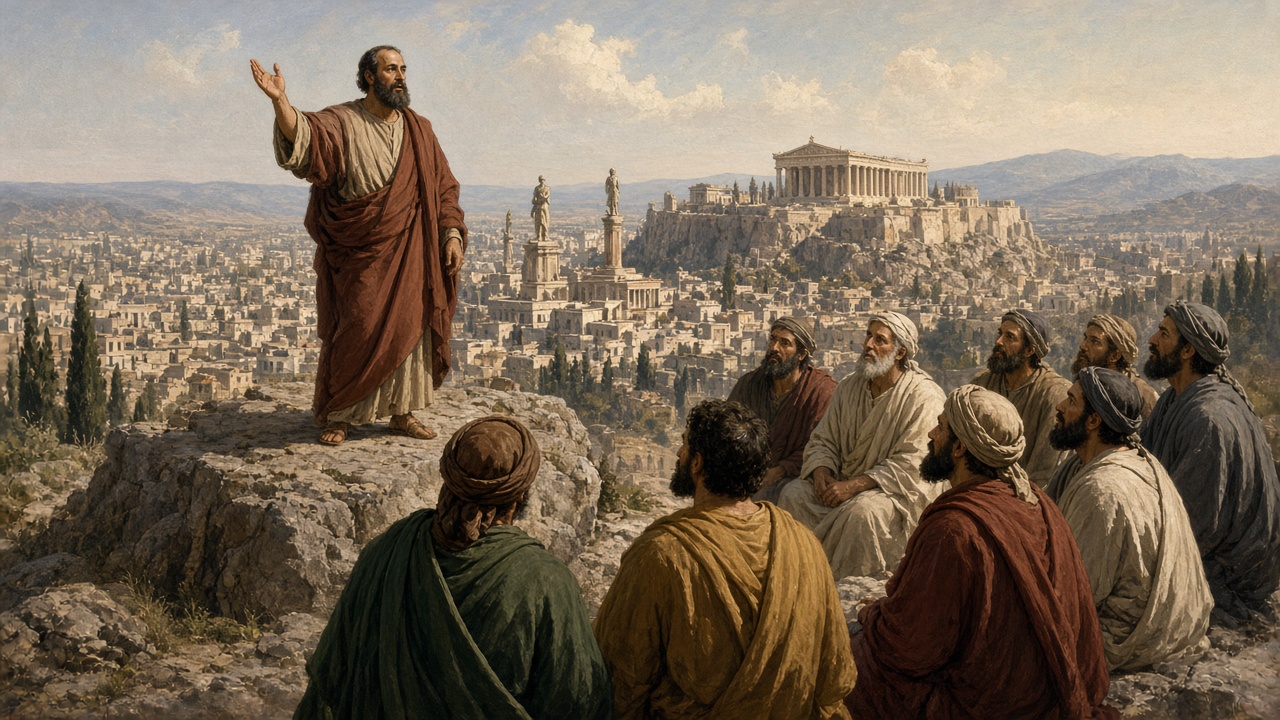
22Poraga Áréópágúsa sawéhráq ahtebia kégá momiwíurabeq iriwe ména mahraréna, Áténi suwahpeqte wého, ínéga iwíáhume itene manikámarinsabé áhnte iwíáh íwíáho ke wóe. 23Iteruwahpeq nogewótáq itega iwíáh íwíáhorabeq tagéwómé peh morá táhbérápéq kéh séhírámé sáhnsahwe tagéwóge. Mi sehiránká mahraréna, Mah tahbé íre tagariona manikáné tahbe wire ire. Itega íre tagarawéq pehipi iwíáh íwíáh atáhnsábé minawé teiúge.
24Teiúge éna mó mahraréna, Manikánka moke mah marákó márákóípéq kéh náneqkakáq mah marákó márákóákáq mirarowe. We mah marákó márákóákáq íópeqkákáq wahnahnatíéh ání míre. Minayabe wega wehukega pearáh náhúpéq íre kaegaei aní míre. 25We íre akahrákáhri aní míre. Wewega moke wehukene irupipeqté éúqkákáq moke kéh náneqkakáq nái náinire. Minayabe wehukega we íre séhréh atáhráhowe.
26Mah kehiná kéhínáné igaqna peh morá áníne. Manikánka mi aní téh mirarena itene ogamé tanahráq iwíáh aitéhre. Mah marákó márákórápéq mó kehiná mó kehinánsábé, Míáhro aitéhre. 27Itega Manikánsabe kabarigeheéna mira íwíáh aitéhre. We tagarianeheéq kabarúne. Ite ómi kehiná míonarabeq we wahtotaq míéhre. 28Maniká ména mira aruqaruri puaq itega oga míahrahúne. Iteba sehira tagaríéh ánínká aiq mahraréna, Ite moke wene animáríne ire. 29Ite Manikáne animárí míona puaq we peh wehukega iwíáhue mirao naneq mire íwíáhiyeho. We íre ebahtaté miraia aníne. We íre móneraté miraia áníne.
30Naho wehukega Maniká íre tagaríówe. We íre tagariarera, We peh wehukega iwíáhue mirao naneq mire íwíáhuwe. Mi tanáhráq Manikánka mi kewé peh áwé tagówe. Amahnága wega mah kehiná kéhínánsábé, Itene ahbabáq sansa súáhro ire. 31Manikánka peh morá ání omaq atena wega iwíáhína tanáhráq mi anínká mah kehiná kéhíná tábúsoqme ehweh aritankéhe. Minayabe mah kehiná kéhínánká tagariageheéna Manikánka mi aní iriatena oganúq atáráire úwe.
32Míó kega oganúq atárái ehwéh írówe. Táhmaro kegá awiréh atówara mó kegá Poransabé, Arene ehweh mókake mónkakáq iranéhe uwe. 33Uwana Poraga mitaq suena pokúwe. 34Pokúwara táhmaro wehwárínká we kerera wene ehwehnsabé aiq pútare atówe. Peh morá ání aiq pútare ato aní wenáwíq Tíónísíae. Wereq mó ahtebia kéreq Áréópágúsa sawéhráq momiwíue aruqaruruwe. Peh morá íní wenáwíq Támárísae. Wereq mó kereqka Pora kerera wene ehwehnsabé aiq pútare atówe.
¿Sabías que…?
De la sinagoga al Areópago
- Tesalónica era una ciudad grande y populosa a orillas del golfo Termaico, capital de uno de los cuatro distritos romanos de Macedonia, gobernada por un pretor. Jasón hospedó allí a Pablo y a Silas; una multitud allanó su casa y, al no hallar a los dos, arrastraron a Jasón y a otros hermanos ante las autoridades de la ciudad. Los acusaron de acoger a hombres que desafiaban los decretos del César y hablaban de otro rey, Jesús, y las autoridades solo los soltaron después de tomar fianza.Fuentes: Thessalonica · Jason · el propio texto bíblico
- Atenas, capital del Ática, era celebrada como sede de la literatura y el arte griegos, y sus habitantes eran aficionados a la novedad y notables por su celo en el culto a los dioses. Un satírico romano decía que era más fácil encontrar un dios en Atenas que un hombre. El Areópago, una colina rocosa al noroeste de la Acrópolis, era el lugar donde funcionaban el tribunal supremo ateniense y el tribunal de las costumbres, y Pablo pronunció el discurso de este capítulo desde algún punto de esa colina.Fuentes: Athens · Areopagus · el propio texto bíblico
- Pablo y Silas llegaron a Tesalónica solo después de pasar por Anfípolis, ciudad macedonia y gran estación militar romana, a treinta y tres millas romanas de Filipos, y por Apolonia, a unas treinta y seis millas de Tesalónica. Cuando los disturbios los siguieron hasta Berea, otra ciudad de Macedonia, los hermanos enviaron a Pablo a la costa, y quienes lo escoltaron lo llevaron hasta Atenas. Silas y Timoteo se quedaron en Berea, con la instrucción de reunirse con Pablo tan pronto como pudieran.Fuentes: Amphipolis · Apollonia · Berea · el propio texto bíblico
Notas escritas con ayuda de IA a partir de fuentes abiertas (Theographic Bible Metadata, CC BY-SA 4.0; Easton’s Bible Dictionary, dominio público) y revisadas antes de publicarse.
Lugares de este capítulo
- Amphipolis · 40.820, 23.847 · versículo 1
- Apollonia · 40.624, 23.470 · versículo 1
- Thessalonica · Hoy: Thessaloniki · 40.638, 22.946 · versículos 1, 11, 13
- Berea · Hoy: Veria · 40.518, 22.200 · versículos 10, 11, 13, 14, 15
- Athens · 37.972, 23.727 · versículos 15, 16, 21, 22
- Areopagus · 37.972, 23.724 · versículos 19, 22, 33
Solo aparecen lugares identificados con alta confianza (90 % o más según las fuentes académicas reunidas por OpenBible). Mapa de la época: DARE (Digital Atlas of the Roman Empire), CC BY 4.0; mapa actual: © colaboradores de OpenStreetMap; lugares: OpenBible.info (CC BY 4.0).
Créditos y licencia de esta traducción
Manikáne O Ehwehne
God's New Talk: The New Testament in the Awa Language of Papua New Guinea
Nupela Testamen long tokples Awa long Niugini
copyright © 1974, 1997 Wycliffe Bible Translators, Inc.
℗ Faith Comes by Hearing
Language: Awa
Translation by: Wycliffe Bible Translators
This translation is made available to you under the terms of the
Creative Commons Attribution-Noncommercial-No Derivatives license 4.0.
You may share and redistribute this Bible translation or extracts from it in any format, provided that:
You include the above copyright and source information.
You do not sell this work for a profit.
You do not change any of the words or punctuation of the Scriptures.
Pictures included with Scriptures and other documents on this site are licensed just for use with those Scriptures and documents.
For other uses, please contact the respective copyright owners.
2013-12-11
Fuente: http://png.bible/awb/ · eBible.org