1 Timoteo 4
Manikáne O Ehwehne · Toca un versículo para ver sus referencias cruzadas.
Péhe éhwéhnká wehukene iwíáh íre kawerarítéhre i ehwéhne.
1Anehe tanáhráqmé táhmaro kegá wahnsane péhe éhwéh irera sehgigéhe. Mó kegá owainawamaríné ehweh síwáhnorirara irera Sísane sánsá suagéhe. Minayabe Manikáne Awanka aiq pahsuqme iraruraire. 2Péhe éhwéh irera sirupipeq múguwahgu agéra ahbabáq sansansábé íre siyehitáhnara peh péhe éhwéh síwáhnorigehe.
3Péhe éhwéh síwáhnoréra, Mahbiga ahre mewe weh úkiyehboq peh ítaq mahbígáú mía míaoro éra mó naneq tahutáhúq órira míre ahriahri awehrioro éra síwáhnorigehe.
Moke táhutahuqme Manikánka aiq mirarowe. Minayabe wensabé aiq pútare atera aiq pútaq ehwéh írátíáh kégá wensabé kaweróne atera mi tahutáhúq pehipi nahwe.
4Moke Manikánka miraro naneqme aiq kaweq nanere. Minayabe itega íre awehria peh wensabé kaweróne ateq pehipi nanehe. 5Manikánka moke táhutahuq nah naneq mire insabé itega wensabé kaweróne atona puaq íre awehria pehipi nóne.
Poraga Tímótinsabé Sísane kaweq arámbéhrí ání míahno ato ehwéhne.
6Arega mah ehwéh Sísa tagaríáh ké síwáhnorinaraq Sísa Karáhéne kaweq arámbéhrí ání míankehe. Aiq pútare atahna ehwéhnká are págege atáráirah kaweq sansá ambubu atiarone. 7Ahbabáq áwahe ehwehmé, múguwahgu ehwéhmé pehragáhno. Peh Manikáne kaweq sansá miraúno.
8Wehukene ayahnsa págege arite sansamé ákáhtaq kaweq sansáne. Manikáne kaweqtaq mé sansámé anotah kawéq sánsáne. Wene sánsá sehgíó kégá amahnága oga míáh tánáhráqkákáq mókakeakáq oga mía míaoneherawoe. 9Mah ehwéhmé aiq pútaq ehwéh míre. Ómiga irera aiq pútare atéhrataqmé aiq kawerinae.
10Maniká oga mía mía anínéna moke mah kehiná kéhíná merirena kaweraritahráhire. Wensabé aiq pútare atáh ké aiq kawerarítéhre. Minayabe aiq pútare ateq págegeue arambehriúne.
11Mah ehwéhmé síwáhnoré, Kawerue sehgíóro terio. 12Are íre anonani míahnayabé mó kegá awiréh atéhrataq ahqáho arito. Peh kaweq ehwéh iraré kaweqtaq mía míaé mó keyábé arutaboirúno. Aiq pútare atahna sansá ambubu atawé peh kaweq sansá miraúno. Sísa tagaríáh kégá are tagéra arene sánsá miraigehboq teawú éhwéh sehgio.
13Areba íre apubúue konaraq wehuke míáhtáq Manikáne ehweh sáhnsahwe pahsuqme kawerue síwáhnorúno. 14Aboawah wehgá siyahnkaratáté arenaneq táhtoréra Manikáne Awanka iwíáh arítárái ehwéh irarurotaq Manikánka págege atáráire. Sega iraruro ehwéhmé kawerue ahreraq matawé sehgio.
15Arene arambehri kawerue miraúno. Ómiga tagéra kaweq sansáne íwíáhigehboq teawú éhwéh ambubu atawé sehgio. 16Arerensabéákáq arega síwáhnoróna ehwéhnkákáq auráq matiahno. Teawú ehweh ambubu atawé sehgio. Mirainaraqmé íre arebataq áhnte arene ehweh íráh kéreq moq oga mérapeq awaq miagéhe.
¿Sabías que…?
Falsa enseñanza y entrenamiento en la piedad
- El capítulo dice que el Espíritu declara expresamente que, en tiempos posteriores, algunos abandonarán la fe para seguir espíritus engañosos y enseñanzas de demonios. Estarán influidos por la hipocresía de mentirosos, cuya conciencia ha sido cauterizada con un hierro candente, y prohibirán el matrimonio y exigirán abstenerse de ciertos alimentos.Fuentes: el propio texto bíblico
- La carta responde a esas exigencias diciendo que Dios creó esos alimentos para que los reciban con acción de gracias quienes creen y conocen la verdad. Toda creación de Dios es buena, y nada de lo que se recibe con acción de gracias debe rechazarse, porque es santificado por la palabra de Dios y la oración.Fuentes: el propio texto bíblico
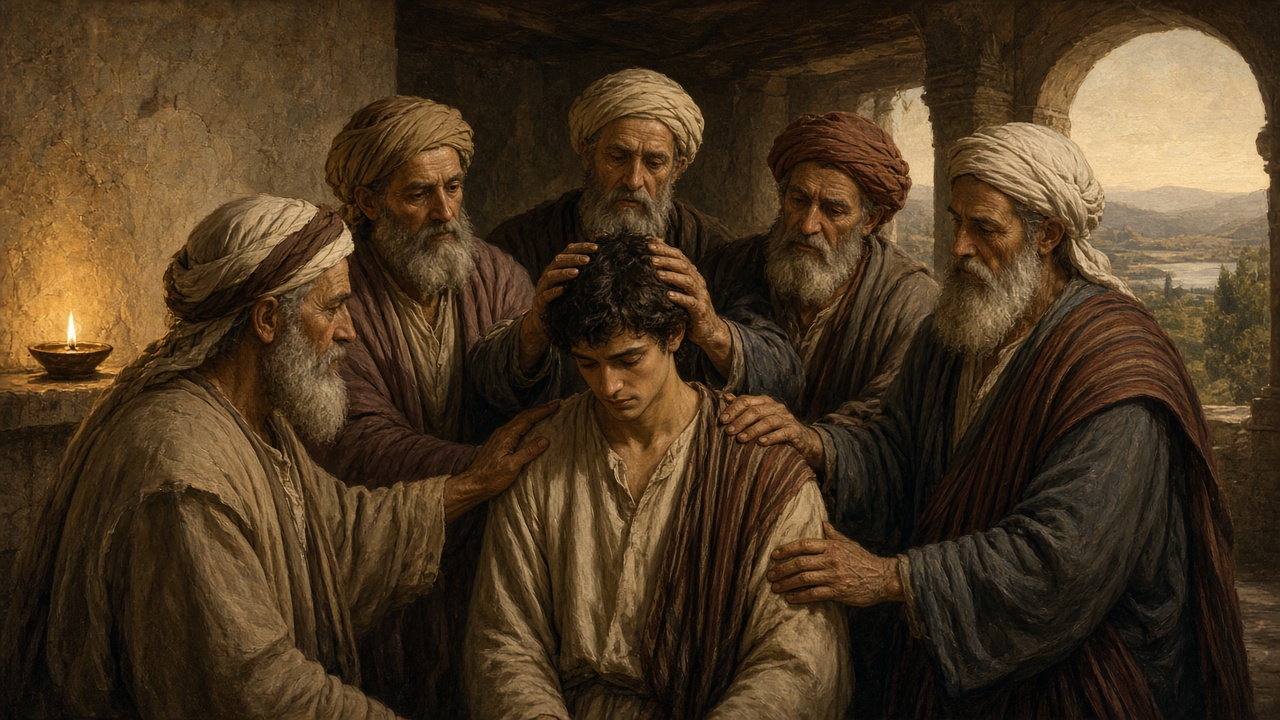
- El autor exhorta al joven a quien se dirige a no dejar que nadie menosprecie su juventud, sino a ser ejemplo en el habla, en la conducta, en el amor, en la fe y en la pureza. Hasta que el autor llegue, debe dedicarse a la lectura pública de las Escrituras, a la exhortación y a la enseñanza, y no descuidar el don que le fue dado mediante profecía, cuando los ancianos le impusieron las manos. El ejercicio físico, añade la carta, tiene un valor limitado, mientras que la piedad es valiosa en todo sentido y encierra promesa para la vida presente y para la venidera, un dicho que la carta llama digno de confianza y de plena aceptación.Fuentes: el propio texto bíblico
Notas escritas con ayuda de IA a partir de fuentes abiertas (Theographic Bible Metadata, CC BY-SA 4.0; Easton’s Bible Dictionary, dominio público) y revisadas antes de publicarse.
Créditos y licencia de esta traducción
Manikáne O Ehwehne
God's New Talk: The New Testament in the Awa Language of Papua New Guinea
Nupela Testamen long tokples Awa long Niugini
copyright © 1974, 1997 Wycliffe Bible Translators, Inc.
℗ Faith Comes by Hearing
Language: Awa
Translation by: Wycliffe Bible Translators
This translation is made available to you under the terms of the
Creative Commons Attribution-Noncommercial-No Derivatives license 4.0.
You may share and redistribute this Bible translation or extracts from it in any format, provided that:
You include the above copyright and source information.
You do not sell this work for a profit.
You do not change any of the words or punctuation of the Scriptures.
Pictures included with Scriptures and other documents on this site are licensed just for use with those Scriptures and documents.
For other uses, please contact the respective copyright owners.
2013-12-11
Fuente: http://png.bible/awb/ · eBible.org