Hechos 6
Yù bilin ni Namarò nga meyannung kâ Apu Kesu Kiristu: Yù bagu nga tarátu ni Namarò sù ira nga mangikatalà kâ Apu Kesu Kiristu · Toca un versículo para ver sus referencias cruzadas.
Panullà da ta Pitu nga Lálláki nga Mangabbák
1Á ta kággággaw, nalannapán yù ira manguruk kâ Apu Kesu. Á yù ira Kudio nga naggapu ta arayyu, nga Gareko yù ággubobuk da, netádday ira sù ira Kudio nga taga Jerusalem, nga magubobuk ta Kebru. Á ta pangisinek nayù ira minángngilayalayâ ta máwák nayù ira tatolay, naddagaragim yù ira Kudio nga Gareko yù ággubobuk da, gapu ta nakúráng yù neyawâ sù ira kábulud da nga bábbay nga bálu.
2Á pakarámak nayù ira mapulu duá nga minángngilayalayâ, pinaggagammung da yù ira manguruk, á kinagi ra nira, “Arám mi nakuan iginnà yù pangilayalayâ mi ta bilin ni Namarò, tapè matángngák mi lâ yù pangisinek mi ta pakkatole naw. 3Wáwwagi, mappíli kayu laguk ta pitu nikayu nga lálláki nga pangikatalakán, nga tumulù sù Mangilin nga Ikararuá ánna napiá yù nonò da, tapè aggira yù mangisinek ta máwák na tolay. 4Ngam sikami, tángngagam mi galâ yù ipakimállà mi kâ Apu ánna yù pangilayalayâ mi sù bilin ni Namarò,” kud da.
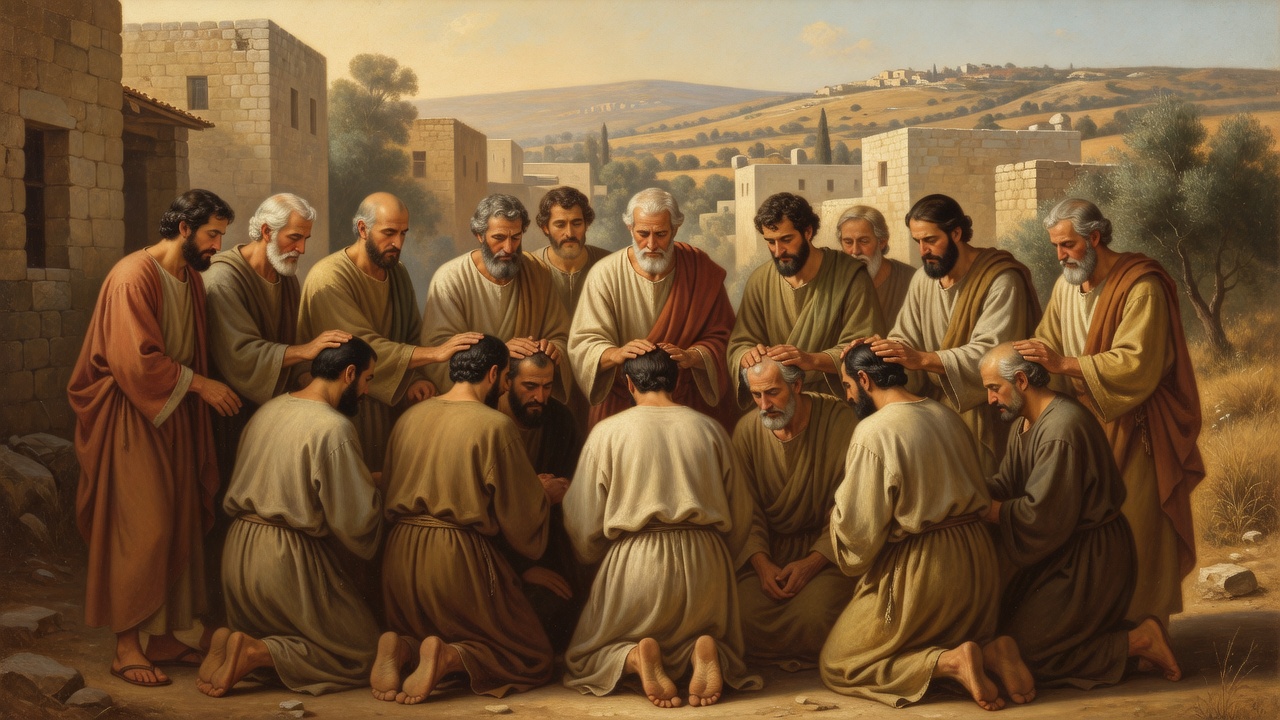
5Á nagayáyâ yù ira magaru nga manguruk megapu sù kinagi ra. Á danniaw ira yù piníli ra: si Esteban, nga mapasigaggà yù ángnguruk na kâ Apu Kesu ánna tumulù sù Mangilin nga Ikararuá. Á si Pilippi, si Porokoro, si Nikanor, si Timon, si Parmenas, á si Nikolas nga taga Antokia nga nakKudiongin. 6Á iniyarubáng da ira sù ira mapulu duá nga minángngilayalayâ, tapè ipakimállà da ira kâ Namarò. Á ta pakimállà nayù ira minángngilayalayâ, inipotud da yù limá ra ta ulu nayù ira katággitádday nga napíli, nga panákkilalán ta aggira yù ira natullà nga manaron ánna mangisinek ta máwák na tolay.
7Á yáyù nga nassamâ yù bilin ni Namarò. Á nalannapán ta aru yù ira manguruk ta ili na Jerusalem. Á nanguruk gapay kâ Apu Kesu yù aru nga pári ira nga Kudio.
Yù Paggápù da kâ Esteban
8Á si Esteban, aru yù ira pinagaddátu na nga makapállâ ta arubáng nayù ira tatolay ta Jerusalem megapu sù allà ni Namarò kuna, ta iniyawâ ni Namarò kuna yù ámmagaddátu na. 9Ngam ajjan gapay ta Jerusalem yù ira Kudio nga makkakábulun ta ággagammungán nga mangngágan ta Kapilliá nayù ira Napalubbáng, nga taga Sirene ánna taga Alekandria. Á ajjan gapay yù ira nga taga Silisia ánna taga Asia. Á nattatádday ira nga minay nakikontará kâ Esteban, ánna naríri ira ta ubobuk na. 10Ngam arád da náppù, gapu ta napiá yù itabbák ni Esteban megapu sù pangabbák nayù Mangilin nga Ikararuá kuna. 11Á yáyù nga inagálád da yù ira lálláki nga sináddanád da ta kuártu, tapè massiri ira ta meyannung kâ Esteban. Á kinagi nayù ira massiri, “Naginná mi yù pakkagi ni Esteban ta narákè nga meyannung ta yù ngaw Moyses ánna si Namarò,” kud da.
12Á yù ira massirisiri, pinappatapátu ra yù ira káruán nga tatolay, ánna yù ira giriámán na Kudio, ánna yù ira mesturu nga mangituddu ta tunung ni Moyses. Á inikáddagâ da lâ ginápù si Esteban, á iniyánge ra sù ira minámmanunnù. 13Á minay yù ira nga sináddanád da ta kuártu, á nanáddak ira ta arubáng nayù ira minámmanunnù, tapè massistígu ira. Ngam massiri ira, á kinagi ra, “Yawe tolay, arán na tukkatan yù narákè nga kagian na nga meyannung sawe mangilin nga kapilliá ánna yù tunung ni Moyses. 14Naginná mi yù kinagi na, nga umay sangaw si Kesu nga taga Nasaret, á darálan na yawe kapilliá, á patalián na yù kustombare tam nga inituddu ni Moyses sù ira naggaká nittam,” kud da. 15Á yù ira minámmaguray nga nagitubang ta ámmanunnután, pakaginná ra sù kinagi nayù ira massiri, inimámmatád da si Esteban, á nasingad da yù mammang na nga maddalingáráng ta kun na mammang nayù daroban ni Namarò nga naggapu ta lángì.
¿Sabías que…?
La Elección de los Siete y el Juicio de Esteban
- Surgieron tensiones entre los judíos de habla griega y los hebraicos por la distribución diaria de alimentos a las viudas, lo que llevó a los apóstoles a designar a siete hombres respetados para esta tarea. Notablemente, los siete nombrados—incluyendo a Nicolás, un prosélito de Antioquía—llevaban nombres griegos.Fuentes: el propio texto bíblico · Nicolas
- Judíos de distintas regiones del mundo romano contaban con sus propias sinagogas en Jerusalén, como la Sinagoga de los Libertos y reuniones para personas de Cirene, Alejandría, Cilicia y la provincia de Asia. Miembros de estos grupos regionales fueron los primeros en debatir formalmente con Esteban sobre sus enseñanzas.Fuentes: el propio texto bíblico · Cilicia · Asia
- Cuando los opositores no pudieron refutar los argumentos de Esteban, lo llevaron ante el Sanedrín acusándolo de hablar contra el templo y la ley de Moisés. Mientras los miembros del concilio lo observaban durante estas acusaciones, vieron que su rostro parecía el de un ángel.Fuentes: el propio texto bíblico · Stephen
Notas escritas con ayuda de IA a partir de fuentes abiertas (Theographic Bible Metadata, CC BY-SA 4.0; Easton’s Bible Dictionary, dominio público) y revisadas antes de publicarse.
Lugares de este capítulo
- Antioch · Hoy: Antioch on the Orontes · 36.227, 36.172 · versículo 5
- Jerusalem · 31.777, 35.234 · versículo 7
- Alexandria · 31.183, 29.896 · versículo 9
- Asia · 38.400, 28.300 · versículo 9
- Cilicia · 36.913, 34.892 · versículo 9
- Cyrene · 32.821, 21.851 · versículo 9
- Nazareth · 32.702, 35.298 · versículo 14
Solo aparecen lugares identificados con alta confianza (90 % o más según las fuentes académicas reunidas por OpenBible). Mapa de la época: DARE (Digital Atlas of the Roman Empire), CC BY 4.0; mapa actual: © colaboradores de OpenStreetMap; lugares: OpenBible.info (CC BY 4.0).
Créditos y licencia de esta traducción
Yù bilin ni Namarò nga meyannung kâ Apu Kesu Kiristu: Yù bagu nga tarátu ni Namarò sù ira nga mangikatalà kâ Apu Kesu Kiristu
New Testament in Atta, Pamplona
copyright © 1996 Wycliffe Bible Translators, Inc.
Language: Pamplona Atta (Atta, Pamplona)
Translation by: Wycliffe Bible Translators, Inc.
Copyright Information
© 1996, Wycliffe Bible Translators, Inc. All rights reserved.
This translation text is made available to you under the
terms of the Creative Commons License: Attribution-Noncommercial-No Derivative Works.
( http://creativecommons.org/licenses/by-nc-nd/3.0/ )
In addition, you have permission to port the text to different file formats, as long as you
do not change any of the text or punctuation of the Bible.
You may share, copy, distribute, transmit, and extract portions
or quotations from this work, provided that you include the above copyright
information:
You must give Attribution to the work.
You do not sell this work for a profit.
You do not make any derivative works that change any of the actual words or punctuation of the Scriptures.
Permissions beyond the scope of this license may be
available if you contact
us with your request.
The New Testament
in Atta, Pamplona
© 1996, Wycliffe Bible Translators, Inc. All rights reserved.
This translation is made available to you under the terms of the
Creative Commons Attribution-Noncommercial-No Derivatives license 4.0.
You may share and redistribute this Bible translation or extracts from it in any format, provided that:
You include the above copyright and source information.
You do not sell this work for a profit.
You do not change any of the words or punctuation of the Scriptures.
Pictures included with Scriptures and other documents on this site are licensed just for use with those Scriptures and documents.
For other uses, please contact the respective copyright owners.
2014-08-06
Fuente: http://ebible.org/att/ · eBible.org