Mateo 13
Ebe-No-Pfuasẹ Ishobọ Onogbọ · Toca un versículo para ver sus referencias cruzadas.
Okhẹ irọkhọkhọ oyi ọghiale ni ọ kọ ikpamhemhi
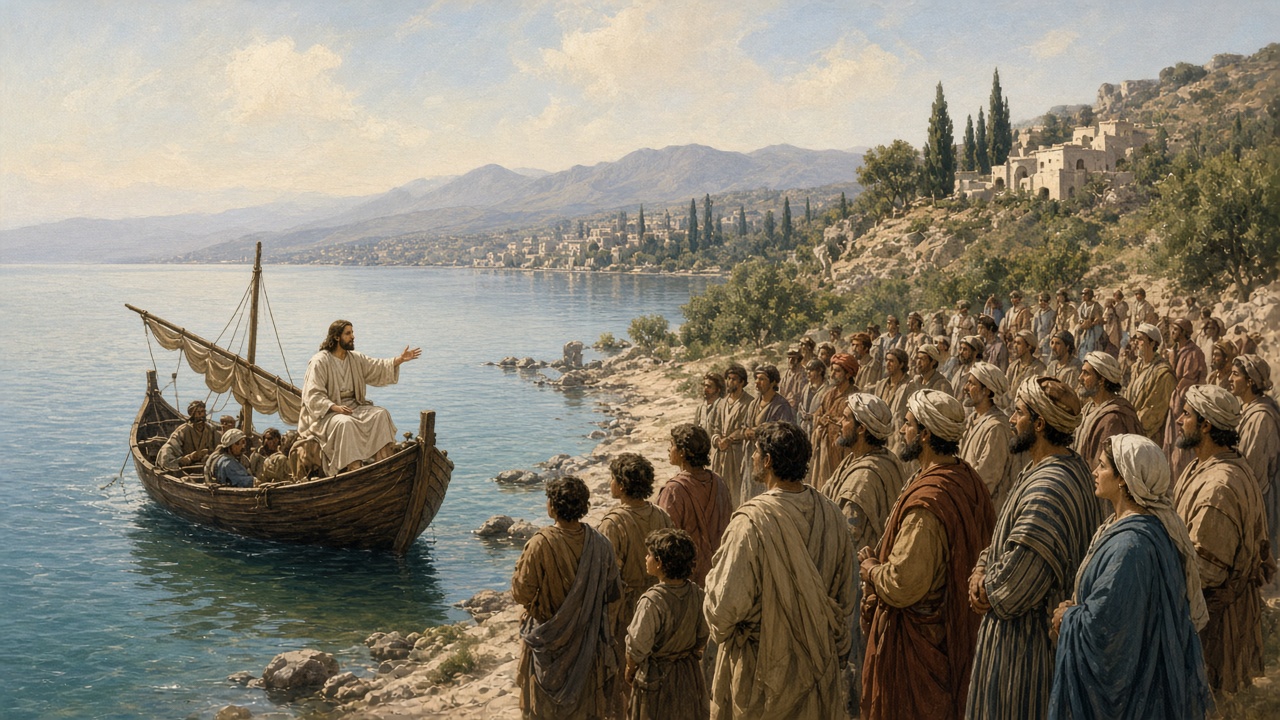
1Ẹlẹ ni a ngme ena, iJesu ọ fiẹ owa ya lase, ọ shitọ epfẹ okẹ oniẹmhi. 2Ebubu ẹgbọ e le gasẹ ọli ramhi ni ọ rọ vu ya lo ọkọ-okẹ oniẹmhi shitọ, eni ẹgbọ nya e migha egele oni okẹ oniẹmhi. 3Ọ ri okhẹ irọkhọkhọ gue emhi ebubu u yẹ wẹ, ọọ wẹ, “A ghe i! Ọghiale ọghuo ọ je ishemhi ya ku ikpamhi emhi. 4Abi ọ li i ku eni ikpamhi emhi eghọ, eghuo ọ e de kua epfẹ odẹ. Ipfeli e bhale ya sanọ wẹ le. 5Eghuo ọ, e de nga ukhomhi ọkpegbhẹ, ni ọa mhuẹ ekẹ ni e bu. E nyanya zẹ. Ama itobọ khi oni ekẹ ọa mhuẹ ẹlamhi ni e pfi imhili lo, 6ovọ o gbolo wẹ-a. E khakha-a, irari khi ẹa mẹ asha pfi imhili lo ekẹ egbegbọ. 7Ikpamhi eghuo ọ, e de kulo ashini igba e la. Eni igba e zẹ, e tono wẹ gbolo-a. 8Ama ikpamhi eghuo, e de shi egbegbi ekẹ, e fu, e nyẹsẹ ekhẹ. Eghuo e ri imọmhi asha egbhuẹshe lasele, elese e ri asha egbhuẹsẹ lasele, enekpọle, asha uye ali igbe. Ẹghẹghẹ aghọ e ke ya bu dọsẹ emini a kpẹ rọ kọ. 9A zẹ esọ, a suọ emini mhia gueyẹ ẹ, ni a rọli gbe akanya.”
Emini oni okhẹ irọkhọkhọ o migha shi
10Eniyẹ odukhokho eyọli e bhale deba li, e mhila li, “Elọ o zẹ ni u rọ ri okhẹ irọkhọkhọ ọ sẹsẹ eni ẹgbọ?”
11IJesu ọọ wẹ, a she mhọli ilẹsẹ oyi osheli abi Ẹshinẹgba ọ she mhọli omhẹsẹ shi ẹ egbe, ama a rọli sheli wẹ. 12Ọnini ọ da kpẹ mhọli, a ya rọ ma ọ na li, ọ mhọli gbeku ọ. Ama ọni ọa mhuẹ, a ya mie ọli oni ọ kpẹ mhuẹ. 13Emini o zẹ ni mhi rọ ri okhẹ irọkhọkhọ nu wẹ ngme khi.
Ini e riẹ bino,
ẹa ya mẹ ekẹ,
ini e riẹ ri esọ shi ekẹ,
ọa ya lo wẹ esọ.
14Lọli o zẹ khi ungmemhi
ni ọmekẹguele Azaya
ọ ngme o tsẹ shi wẹ egbe
ni ọ la liẹ.
“A ya ri esọ shi ekẹ khue,
ama ọa ya tigbe lo ẹ esọ,
a fẹli ofẹli khue,
aa mẹ emhikhọghuo.
15Udu oyẹwẹ o bi obili-a.
Itobọ khi eri
esọ eyẹwẹ e zuse,
e gbo guese alo.
Ini ọa khi ighọ,
e kha ri alo eyẹwẹ
ke mẹ ekẹ,
esọ eyẹwẹ e kha suọ,
udu oyẹwẹ o kha
mhọli ilẹsingme,
ee kha mu pfi
bhale deba mhẹ,
mhi rẹwẹ ze.”
“Eni ẹgbọ e ya ri esọ
shi ekẹ khue,
ama ọa ya tigbe lo wẹ esọ,
e fẹli ofẹli khue,
ama ẹa mẹ emhikhọghuo.”
16Ama oyẹẹ ọa khi ighọ. Á mẹ afa gba. A ri alo eyẹ ẹ mẹ ekẹ, a ri esọ eyẹ ẹ suọ. 17Abi o li mhi li gue ọli yẹ ẹ khi, emekẹguele ebubu ali ẹgbọ eyi Ẹshinẹgba ebubu, e li dua ini wẹwẹ e mẹ emini a mẹ ali ini wẹwẹ e suọ emini a suọ, ama ẹa dobẹ.
Emini okhẹ irọkhọkhọ oyi ọghiale o ngme
18IJesu ọọ. “A ri esọ shi ekẹ, ni e suọ emini oni okhẹ irọkhọkhọ o ngme. 19Ọgbọ ni suọ ungmemhi omhẹsẹ ni Ẹshinẹgba ọ mhọli shi agbọ oyi ẹgbọ, ni ọa lo ọli esọ ne, lọli ọ li abi ikpamhi emini e de kua epfẹ odẹ. Eri ọkphaghiẹ ọ́ọ́ bhale ya sanọ li wẹwẹ udu kua. 20Eni e zẹ nga ukhomhi ọkpegbhẹ, eri e li abi ọgbọ ni ọ kha suọ ungmemhi, ọ ga ri oghẹlẹ mie ọli. 21Ama ọa tiemhi ọli udu, itobọ ighọ, ọa migha tẹsẹ. Irarighọ, ini ọmunu o bhale ali ni a rọ mu okhọli vule shi ọli ọ shi itobọ oni ungmemhi, ọ de odẹ a aghọaghọ. 22Ikpamhi ni e zẹ shi ifu igba, wẹwẹ e li abi ọgbọ ni ọ kha suọ ungmemhi oyi Ẹshinẹgba, inasẹ-udu shi ingme agbọ ali ọghuẹmhẹ oyi ẹpfue, e tono oni ungmemhi abi igba, ọa dobẹ mọ umọmhi. 23Ikpamhi ni e zẹ shi egbegbi ekẹ, e li abi ọgbọ ni ọ kha suọ ungmemhi oyi Ẹshinẹgba o lo ọli esọ. O mọ umọmhi. Eghuo e kha mọ imọmhi egbhuẹshe, elese mọ egbhuẹsẹ, eghuo ọ uye ali igbe.”
Okhẹ irọkhọkhọ oyi ebuli ọfaghue ali ado
24IJesu ọ gbo zẹ okhẹ irọkhọkhọ olese khasẹ wẹ, ọọ wẹ, “Eri omhẹsẹ oyi Eghiele oyi Ẹshinẹgba o li abi ọmọse ọghuo ni ọ kọ ado enete shi ishemhi oyọli.” 25Ẹliyọsẹ, khi ẹgbọkpa e ya lesẹ-a, ọbe ọli ọ bhale ya kọ ebuli ọfaghue sọlọ shi ọli ọ, ọ vu. 26Eni ado e zẹ khi e fu khi e ri itsagha lasele, eni ebuli ọfaghue e li zẹ lasele.
27“Ighọ eni ẹẹ ga eyi ọni ọmọse e bhale ya gueyẹ ọli, ẹẹ ọli, ‘Ọga egbegbi ado ni u kọ shi ishemhi oyẹ, ebuli ọfaghue e nu wẹ zẹ lasele kia sọlọ shi wẹ?’
28“Ọbe mhẹ ọ riẹlẹ ona.
“Eni ẹẹ ga e mhila li, ‘Wa a nono ni anye vuolo eni ebuli ọ kua?’ 29Ọọ wẹ, Iiye! Irari khi ini a vuolo eni ebuli-a, a ya dọ obọ vuolo eni ado ma eni ebuli. 30A zẹ ni e ga fu kugbe ya ramhi ẹghẹghẹ ikhiẹsẹ. Ẹghẹghẹ aghọ, mhi ya gueyẹ eni ẹẹ khiẹsẹ, e kpẹ vuolo eni ebuli-a, e gẹ wẹ ikhuli, e tosẹ wẹ-a, e tigbe khiẹsẹ eni egbegbi ado shi aka na mhẹ.”
Okhẹ irọkhọkhọ oyi ukpamhi ọara imọsitadi
31IJesu ọ zẹ okhẹ irọkhọkhọ olese khasẹ wẹ. Ọọ wẹ, “Eri omhẹsẹ ni Ẹshinẹgba ọ mhọli shi agbọ oyi ẹgbọ o li abi ukpamhi ọara ni a lu imọsitadi ni ọmọse ọghuo ọ rọ ya kọ ishemhi oyọli. 32Ukpamhi ọli, o khi oghuo ikpamhi ẹẹra ni e shẹ nẹ nya, ama ini o fu vule, lọli o ke fu dọsẹ emini a kọ shi oni ishemhi nya. O mele ọara oni ofunẹ a. Ipfeli e bhale ya ku eko shi iguabọ eyọli.”
Okhẹ irọkhọkhọ oyi ifuma
33IJesu ọ gbo zẹ okhẹ irọkhọkhọ olese khasẹ wẹ, ọọ wẹ, “Eri omhẹsẹ ni Ẹshinẹgba ọ mhọli shi agbọ oyi ẹgbọ o li abi ifuma ni ọkpotso ọ rọ ma ifulawa ni o bu wushe, ni o rọli fuma shi ọ.”
34Okhẹ irọkhọkhọ iJesu ọ rọ gue ingme ena yẹwẹ. Ọa tigbe gue ingme okhọghuo yẹwẹ ni ọa khi okhẹ irọkhọkhọ. 35Eri ona o ya tse shi ungmemhi ni ọmekẹguele ọ ngme. Ni ọọ,
“Okhẹ irọkhọkhọ
mhi rọ ya nu wẹ ngme.
Mhi ya gue ingme
ni a rọte igbaekẹle
oyi agbọ rọ sheli yẹ wẹ.”
36Abi iJesu ọ rọ zẹ eni ebubu ẹgbọ obọ, ni ọ rọ ya lo elemhi owa, eniyẹ odukhokho eyọli e bhale deba li. Ẹẹ ọli, “Gueyẹ anye emini okhẹ irọkhọkhọ oyi ebuli ọfaghue oghọ o ngme.”
37IJesu ọọ, “Ọgbọ ni ọ ri eni egbegbi ikpamhi emhi ẹkọmhi kọ, ọ khi Omi Ọgbọ. 38Oni ishemhi o khi oni agbọ ona, eni ikpamhi ado enete eghọ e khi ẹgbọ ni e ya ri egbewẹ na Eghiele oyi Ẹshinẹgba. Eni ebuli ọfaghue e khi ẹgbọ eyi Ọkphaghiẹ. 39Ọkphaghiẹ ọ khi Ọbe ni ọ ri eni ebuli kọ ifu ishemhi. Oni ẹghẹghẹ ikhiẹsẹ o khi ikpukhokho agbọ, eni eni ẹẹ ga eghọ e khi igẹni eyi Ẹshinẹgba.
40“Ẹzẹzẹ abi a li ti eni ebuli gbili tosẹ-a eghọ, ighọ ikpukhokho agbọ o ya li. 41Omi Ọgbọ ọ ya ghie igẹni eyọli ya wolọ ẹgbọ ni e yẹsẹ ẹgbọ pfidọ ali eni e li ọkhọlọ elemhi eghiele oyọli lasele. 42A ya pfi wẹ kulo elemhi avuerẹ, aghọ ẹgbọ e la ya ke viẹ ẹ le akọ akọ. 43Ẹghẹghẹ aghọ ẹgbọ eyi Ẹshinẹgba e ya ke gẹ abi ovọ elemhi agbọ onogbọ oyi Ẹshinẹgba. A mhọli esọ, a suọ emini mhia gueyẹ ẹ ni a rọli gbe akanya.”
Okhẹ irọkhọkhọ oyi ẹpfue ni a rọ sheli
44“Eri omhẹsẹ ni Ẹshinẹgba ọ mhọli shi agbọ oyi ẹgbọ o li abi ẹpfue ni a rọ sheli ifui ishemhi, ni ọmọse ọ tọnọ ekẹ mẹ rue, ni ọ nyanya gbo rọli sheli. Egbe e mu ọli, ọ ya ri emini ọ mhọli nya dẹ, ọ ya dẹ oni ishemhi oghọ.
45“Eri omhẹsẹ ni Ẹshinẹgba ọ mhọli shi agbọ oyi ẹgbọ o li abi ọmọse ni ọ́ nònò ugbhẹ-ema. 46Ini ọ mẹ oni o lo mu ẹloe, ọ je apfẹ ya ri emini ọ mhọli nya dẹ, ọ dẹ ọli.
Okhẹ irọkhọkhọ oyi aga
47“Eri omhẹsẹ ni Ẹshinẹgba mhọli shi agbọ oyi ẹgbọ o gbo li abi aga ni egbifẹlẹ e pfi lo okẹ oniẹmhi ni o khishi, e muno ifẹlẹ ọdọda. 48Abi oni aga o rọ vọ, e ti ọli ngale egele. Ighọ, e shitọ e sanọ ifẹlẹ eni e khi egbegbewẹ ọ kulo ughughu, e tsua eni ẹa ti kua. 49Ighọ o ya li ogbẹlẹ ni o kpe ukhokho. Igẹni eyi Ẹshinẹgba e ya sanọ ẹgbọ ọkhọlọ ifuabọ ẹgbọ eni e pfuasẹ lasele. 50E pfi ẹgbọ ọkhọlọ eghọ kulo owa erẹ, ni e la ke viẹ, ẹẹ le akọ akọ.
51“Eni ingmemhi ena nya e she lo ẹ esọ?” Ẹ ọli, “Ii.” 52Ọọ wẹ, “Irarighọ, eri ọsẹsẹ ushi nya ni ọ mele ọmọ odukhokho-a, ni ọ da mie Eghiele oyi Ẹshinẹgba shi udu, ọ li abi ọgbọ ni ọ mhọli owa, ni ọ rọte elemhi owa ni ọ ri itsua shi ẹ rue ẹpfue onogbọ ali onodiọ lasele.”
Ẹdẹli eyi iJesu e kie ọli
53Abi iJesu ọ rọ zẹ eni okhẹ irọkhọkhọ ena se, Ọ lase aghọ le. 54Ọ nyenẹ egbe je ẹoli oyọli. Ọ la owa ugamhi sẹsẹ, ẹgbọ ni e suọ ọli, abọ e sha wẹ. E mhila, e liẹ, “Obo ọ te mhuẹ ilẹsingme enana, obo ọ te mẹ ikanya ọshabọ ena a gbe?” 55“Ọa she khi omi ikapita na? Ọa khi iMeli ọ khi inyọli, iJemhisi ali iJosẹfu ali iSamọ ali iJudasi ẹa she khi inyọghuo ọli? 56Ena ẹa khi inyọghuo ọli eni ikpotso ni e ga nu awa la ana ena? Mhiẹ, Obo ọ te mẹ enana nya?” 57Irarighọ, ọ ri elemhi bi wẹ.
Ighọ iJesu ọọ wẹ, “Aa mẹ ashini aa la mu ekpẹ na ọmekẹguele, sẹ ni apfẹ oyọli ali unuẹkpẹ oyọli tsẹ aa la mu ekpẹ na li.”
58Itobọ khi ẹa mhuẹ irudunga, ọa la aghọ gbe ikanya ọnyaloa ni e bu.
¿Sabías que…?
Parábolas del Reino de los Cielos
- El día que describe este capítulo, Jesús salió de la casa y se sentó junto al mar. La multitud creció tanto que subió a una barca y enseñó desde allí, mientras la gente permanecía de pie en la orilla, y no les habló nada sino en parábolas. Una cronología fecha estas parábolas junto al mar en el año 28 d.C.Fuentes: el propio texto bíblico · Seaside Parables and Miracle
- Cuando los discípulos preguntaron por qué hablaba al pueblo en parábolas, Jesús respondió que el conocimiento de los misterios del reino de los cielos se les había dado a ellos, pero no a las multitudes. Dijo que la profecía de Isaías se cumplía en las multitudes: seguirían oyendo y viendo, pero jamás entenderían ni percibirían, porque su corazón se había endurecido. El Easton’s Bible Dictionary (1897) describe a Isaías como hijo de Amoz, que profetizó durante los reinados de Uzías, Jotam, Acaz y Ezequías.Fuentes: el propio texto bíblico · Isaiah
- Más tarde, Jesús llegó a su ciudad natal, enseñó en la sinagoga, y la gente se ofendió por causa de él. Preguntaron si era el hijo del carpintero, nombraron a su madre María y a sus hermanos Jacobo, José, Simón y Judas, y señalaron que sus hermanas vivían entre ellos; a causa de la incredulidad de ellos, no hizo muchos milagros allí. María es identificada como esposa de José y madre de Jesús, Simón como uno de los hermanos del Señor, y una cronología fecha este segundo rechazo en Nazaret en el año 29 d.C.Fuentes: el propio texto bíblico · Mary (Mother of Jesus) · Simon · 2nd Rejection at Nazareth
Notas escritas con ayuda de IA a partir de fuentes abiertas (Theographic Bible Metadata, CC BY-SA 4.0; Easton’s Bible Dictionary, dominio público) y revisadas antes de publicarse.
Lugares de este capítulo
- Nazareth · 32.702, 35.298 · versículo 54
Solo aparecen lugares identificados con alta confianza (90 % o más según las fuentes académicas reunidas por OpenBible). Mapa de la época: DARE (Digital Atlas of the Roman Empire), CC BY 4.0; mapa actual: © colaboradores de OpenStreetMap; lugares: OpenBible.info (CC BY 4.0).
Créditos y licencia de esta traducción
Ebe-No-Pfuasẹ Ishobọ Onogbọ
New Testament in Ivbie North-Okpela-Arhe (NI:atg:Ivbie North-Okpela-Arhe)
copyright © 2012 Wycliffe Bible Translators, Inc.
Language: Ivbie North-Okpela-Arhe
Translation by: Wycliffe Bible Translators, Inc.
Copyright Information
© 2012, Wycliffe Bible Translators, Inc. All rights reserved.
This translation text is made available to you under the
terms of the Creative Commons License: Attribution-Noncommercial-No Derivative Works.
( http://creativecommons.org/licenses/by-nc-nd/3.0/ )
In addition, you have permission to port the text to different file formats, as long as you
do not change any of the text or punctuation of the Bible.
You may share, copy, distribute, transmit, and extract portions
or quotations from this work, provided that you include the above copyright
information:
You must give Attribution to the work.
You do not sell this work for a profit.
You do not make any derivative works that change any of the actual words or punctuation of the Scriptures.
Permissions beyond the scope of this license may be
available if you contact
us with your request.
Printed book ISBN 9789789194797
The New Testament
in Ivbie North-Okpela-Arhe
© 2012, Wycliffe Bible Translators, Inc. All rights reserved.
This translation is made available to you under the terms of the
Creative Commons Attribution-Noncommercial-No Derivatives license 4.0.
You may share and redistribute this Bible translation or extracts from it in any format, provided that:
You include the above copyright and source information.
You do not sell this work for a profit.
You do not change any of the words or punctuation of the Scriptures.
Pictures included with Scriptures and other documents on this site are licensed just for use with those Scriptures and documents.
For other uses, please contact the respective copyright owners.
2019-08-09
Fuente: http://ebible.org/atgNT/ · eBible.org