Lucas 7
Ebe-No-Pfuasẹ Ishobọ Onogbọ · Toca un versículo para ver sus referencias cruzadas.
Irudunga oyi ọkhọli-okhuẹ ọyi iRomu
1Abi iJesu ọ rọ ngme enana nya shi esọ eyi eni ẹgbọ se, ọ lo elemhi ẹoli iKapanọmu. 2Oobọ a mẹ ọmọse ni ọọ ga ọkhọli-okhuẹ ọniẹmhi, ni ingme oyọli o lolo mu ọga ọyọli egbe. Ọni ọmọse ọọ ghu ughuamhi ni o rọli ramhi eghuli. 3Abi ọni ọkhọli-okhuẹ ọnọfunẹ ọ rọ suọ eko iJesu, ọ ghie egbhali eyi ẹgbọ iJu ghi ọli, ọ bhale ya ri ọni ọọ ga ọyẹluẹ ze. 4Abi e rọ bhale deba iJesu, e lema li egbegbọ, ẹẹ iJesu, “Ọni ọmọse ọna, ọ khi ọni u kha kpaghiẹ obọ. 5Irari khi ọ ma nono ingme oyi ẹgbọ eyi anye gba, ọ gbo tọ owa ugamhi na anye.” 6Ighọ iJesu ọ deba wẹ vu. Ọ she kia a ramhi owa oyi ọni ọkhọli-okhuẹ ni ọ rọ ghie emọle ọli e liẹ iJesu, “Khi ke nasẹ egbe ẹ, mhia somhi ramhi ni u wa lo owa oyẹmhẹ le. 7Lọli o zẹ ni mhi rọ bino khi mhiaa ti ramhi ni mhi a bhale deba ẹ. Lẹsẹ ngme oni ungmemhi khi ọni ọọ ga mhẹ ọ ya ze. 8Irari khi mhẹmhẹ oyẹmhẹ, ọna omhẹsẹ mhi li khi, ni ekhọli-okhuẹ e li kpọkẹ na. Mhia mhẹsẹ na ọna, ‘Vu,’ ọ vu. Mhi mhẹsẹ na ọghọ, ‘Bhale,’ ọ bhale. Mhi gueyẹ oghumha ọyẹmhẹ, ‘Riẹlẹ ona,’ ọ riẹlẹ ọli.”
9Abi iJesu ọ rọ suọ oni ungmemhi ona, abọ e sha li. Ọ nyenẹ alo ukhokho bino ebubu ẹgbọ ni e deba li, ọọ wẹ, “Mhi gueyẹ ẹ khi mhia kie kpẹ mẹ irudunga ni o na fu ghue, mhia kpe mẹ ọli ekẹ iZirẹni ne.” 10Ighọ eni a kpẹ ghie, e nyenẹ egbe je apfẹ oyi ọni ọkhọli-okhuẹ nọ funẹ, e bhale ya ẹ khi ọni ọọ ga li ọ she ze.
IJesu ọ rọte eghuli guise omi Ọsamhi-olimhi le
11Oo li dẹnẹ, iJesu ọ te aghọ vu, ọ je ẹoli ni a lu iNei, eniyẹ odukhokho eyọli ali ebubu ẹgbọ elese e deba li. 12Abi ọ li ti ramhi odẹ unuẹkpẹ ni a te ẹ lo oni ẹoli le, ọ mẹ khi a tsua ọgbọ ni ọ ghu-a a lasele. Lọlighuo kpe inyọli ọ mẹ bia. Ọni ọkpotso ọ gbo khi ọsamhi-olimhi. Ebubu ẹgbọ e rọte oni ẹoli vẹ deba li. 13Abi Ọnọmhuẹ ọ rọ mẹ ọni ọkpotso, ọ mhuẹ ilẹlemhi na li. Elemhi ọ e ala li, ọọ li, “Khi ke viẹ.” 14Ighọ ọ vu ya ri obọ ti oni akpati olimhi, ẹgbọ ni e tsua li e mu migha, iJesu ọ, “Ọni ọzẹo mhiẹ yẹ vule.” 15Ighọ ọni ọmọse ni ọ ghu-a eghọ ọ vule shitọ, ọọ ngme. IJesu ọ mu ọli obọ na inyọli. 16Ulishi o mu eni ẹgbọ nya, e kuẹghiẹ Ẹshinẹgba, e liẹ, “Ọmekẹguele ọniẹmhi ọ she bhale iteva oyi awa. Ẹshinẹgba ọ she bhale ya kpaghiẹ ẹgbọ eyọli obọ.” 17Ingme oyi iJesu o gbhiaku ekẹ iJudia nya ali ẹoli ni e la gasẹ ọli.
IJọni Ọni ọọ batazi ọ ghie usomhi ghi iJesu
18Abi eniyẹ odukhokho eyi iJọni e rọ gue eni ingme enana nya yẹ iJọni, ọ lu aava elemhi wẹ. 19Ọ ghie wẹ e ka mhila iJesu, “Yẹyẹ u khi ọni ọ ya bhale abi anye ri ẹloe shi ekẹ ke khẹ ọlese?” 20Abi e rọ bhale deba iJesu, ẹ ọli, “IJọni Ọni ọọ batazi ẹgbọ ọ ghie anye ghi ẹ, anye ka mhila ẹ, ‘Yẹyẹ u khi ọni ọ ya bhale abi anye ri ẹloe shi ekẹ ke khẹ ọgbọẹse?’ ” 21Ẹghẹghẹ aghọ te iJesu ọ ri ebubu ẹgbọ ni e mhuẹ ighuamhi ali iyẹmhẹ ọkphaghiẹ ze. Ọ khueghie ebubu ezalo alo-a. 22Ọ rọ gueyẹ eniyẹ odukhokho eyi iJọni, “A nyenẹ egbe ukhokho ya gueyẹ iJọni emini a mẹ, ni a gbo ri esọ suọ. Ezalo ẹẹ mẹ ekẹ, eni e guọghọ awẹ-a, ẹẹ kia, eni efafe e mu e ze, elesọ e suọ esọ. Eni e ghu-a e guale. A kiele ẹ tse abọ usomhi onete oyi iloghie yẹ ẹgbọ ni ẹa mhuẹ. 23Oghẹlẹ o khi ni ọgbọ ni ọa da de odẹ-a itobọ khi ọa mhuẹ akhọkhọmhẹ shi mhẹ ọ.” 24Abi eniyẹ odukhokho eyi iJọni e rọ vu se, iJesu ọ́ gue ingme oyi iJọni yẹ eni ẹgbọ, ọọ wẹ, “Abi a rọ fẹ fiẹ je ọdagbe ifufu ya bino ọli, ọgbọ ọnabi ọnọghuo a dabi khi a ya mẹ? Ọgbọ ọyẹghẹ ni ọ li abi ebuli ifulọ ni akpekpeli o kha pfi je ana, o pfi ọli ẹ je oobọ a dabi khi a ya mẹ oobọ? 25Ini ọa khi ọgbọ ọghọghọ a dabi khi a ya mẹ oobọ, ọnabi isẹ a ke nono je oobọ shọ? Ọmọse ni ọ sọ itsua ni e somhi otse? Ẹgbọ ni ẹ sọ itsua ni e somhi otse, apfẹ oyi oghie ẹ la. 26Ọgbọ nabisẹ a dabi khi a je oobọ ya mẹ? Ọmekẹguele? Abi o li mhi li gue ọli ẹ yẹ ẹ khi ọni ọ dọsẹ ọmekẹguele lọ. 27Ọnana a kẹkẹ ingme oyọli kpẹ shi ekẹ, ni ẹẹ,
“ ‘Ghe khẹ, mhi ya ghie
aghiusomhi ọyẹmhẹ ralo nẹ,
ni ọ ya khueghie odẹ-a
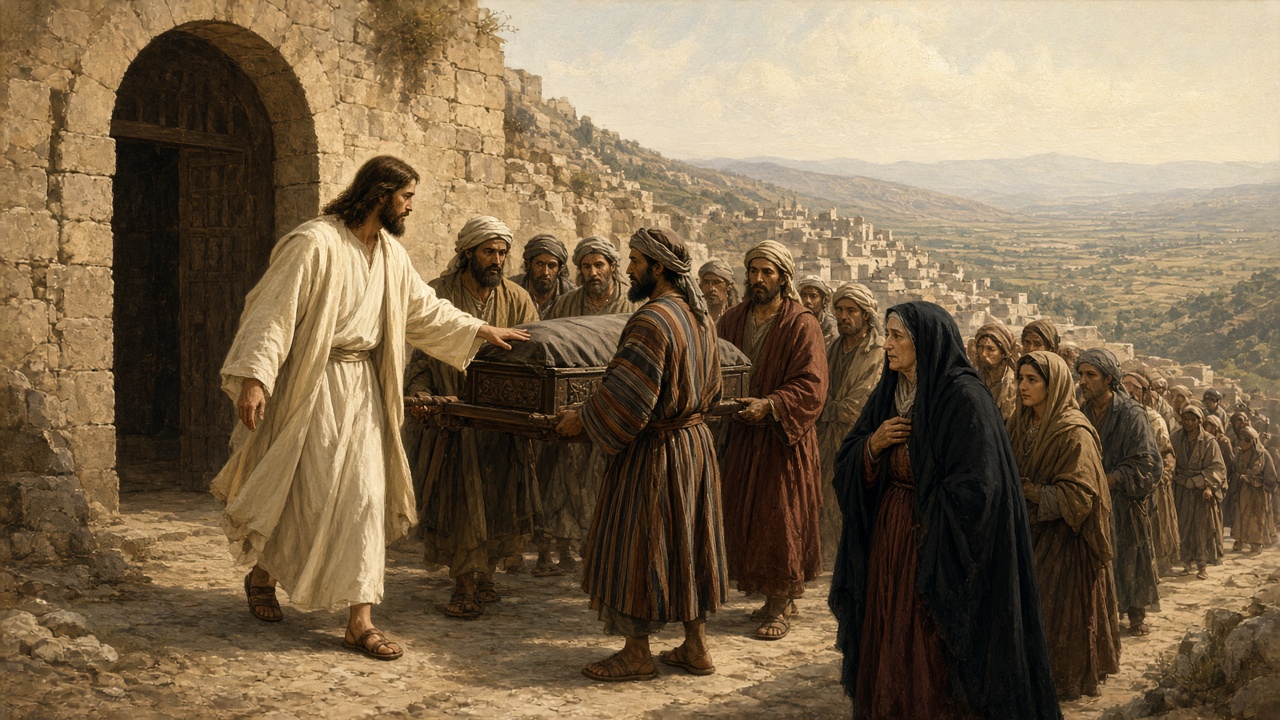
shi ekẹ khẹ.’
28“Mhi gueyẹ ẹ khi aa mẹ ọgbọ ni a bia bhale ekẹ agbọ ona ni ọ fu dọsẹ iJọni, eri-tsẹ khi ọni ọ ga shẹ nẹ nya shi Eghiele oyi Ẹshinẹgba ọ fu dọsẹ ọli.”
29Ẹgbọ nya, li shi emionoga, abi e rọ suọ ingmemhi eyi iJesu, e mie shi ọ khi odẹ oyi Ẹshinẹgba o gbe akanya, irari khi iJọni ọ she batazi wẹ. 30Ẹgbọ iFarisi ali eni e lẹsẹ emhi ingme ushi e kie ugbamhi ni Ẹshinẹgba ọ gba na wẹ, irari khi ẹa lama ni iJọni ọ batazi wẹ. 31Aghọ iJesu ọ rẹ, elọ mhi fẹ ri ẹgbọ ena agbhotu ona ya khọkhọ, sẹ e fẹ ga li ena? 32Eri e li abi eniyẹ ni e shitọ oki ni e nu egbe ẹ ngme ni e liẹ,
“ ‘Anye pfi ofele na ẹ,
ama aa lama gbe ishimhi,
anye viẹ eviẹ olimhi khasẹ ẹ,
ama aa lama nu anye viẹ.’
33Itobọ khi abi iJọni Ọni ọọ batazi ẹgbọ ọ rọ bhale, ọa li le emhi wẹkhi eri ọ da onyọ, eri ẹ khi, ‘Ayẹmhẹ ọkphaghiẹ ọ mhuẹ.’ 34Omi ọgbọ ọ bhale, ọọ le, ọọ da, a kẹ liẹ khi, ‘Ọgbọ unu-emhi ali ọgbọ ọdonyọ ọ khi, ali khi ọni ọ nu emionoga ali ẹgbọ ena olamhẹ ẹ mu ọmọle ọ khi.’ 35Eri ẹgbhali oyi Ẹshinẹgba o rọte obọ oyi ẹgbọ ni e miesuọ ri egbọli khasẹ.”
Ọkpotso ọna olamhẹ ọ ku ituale ni ọọ pfie shi iJesu awẹ
36Ọgbọ iFarisi ọghuo ọọ iJesu ọ bhale ka kọ fẹli luẹ ni ọ nu luẹ le eminale. Ighọ ọ je owa oyi ọni iFarisi, ọ shitọ, ọ le emhi. 37Ighọ ọkpotso ọghuo, ọngi oni ẹoli ni ọ la agbọ olamhẹ, ọ suọ khi iJesu ọ la oni owa oyi ọgbọ iFarisi ọghọ. Ọ dẹ akanama ituale ni o ghalẹ. 38Ọ bhale, ọ de ya wugha iJesu idi awẹ. Ọọ viẹ ku ameviẹ shi ọli awẹ. Ọ ri itsu ni e la li ukhomhi shishi ọli wẹwẹ-a, ọ pfipfi ọli awẹ. Ọ gbo ku ituale ni ọọ pfie shi ọli awẹ. 39Abi ọni iFarisi ni ọ lu iJesu bhale apfẹ oyọli ya mu oli epfẹse, ọ rọ mẹ onana, ọ la ekẹ elemhi udu liẹ, ini ọmekẹguele ọyi Ẹshinẹgba ọmọse ọna ọ kha khi lọ, ọ kha lẹsẹ uwali ọkpotso ni ọna ọ khi ni ọ ri egbe a ti ọli ena, khi ọna olamhẹ ọ khi. 40IJesu ọọ, “ISamọ mhi mhuẹ emini mhi ya gue yẹ.”
ISamọ ọọ li, “Gueyẹ mhẹ, Ọsẹsẹ.” 41IJesu ọọ li, “Ọmọse ọghuo ọ la ni ẹgbọ aava e lo ọli ota, ọghuo ọ, ọ lo ọli ẹkpa eva ali ukhukhui, ọni ọ kpọle ọ lo ọli ipọmhi uye ali ishe. 42Abi ẹa ke rọ dobẹ fali ọli ẹwẹ, ọ gbe eni ota kua na wẹ. Mena gueyẹ mhẹ ọni ọ ya nono ingme oyi ọli nẹ elemhi wẹwẹ ava-ava?” 43ISamọ ọọ li, khi ọni ọ lo ikpaghọ eni e bu nẹ lọ. IJesu ọọ li, “U guẹ sọ.” 44IJesu ọ nyenẹ alo ghue ọni ọkpotso, ọọ iSamọ “Wa mẹ ọni ọkpotso ọna, abi mhi rọ bhale owa oyẹ wa diẹ amẹ na mhẹ rọ kpe awẹ-a, eri ọni ọkpotso ọnana ọ ri ameviẹ eyọli kpe mhẹ awẹ-a, ọ ri itsu ni e la li ukhomhi shishi wẹ-a. 45Waa pfipfi mhẹ unu egbe, rọte ẹghẹghẹ ni mhi te lo ana le, ọni ọkpotso ọna ọ te pfipfi mhẹ unu awẹ ramhi memena. 46Waa ku oili shi mhẹ ukhomhi, ọni ọkpotso ọna, ọ she ku ituale ni ọ pfie shi mhẹ awẹ. 47Itobọ ighọ mhi gue ẹ yẹ ẹ khi a she gbe olamhẹ eyọli ni e bububu kua na li, irari khi ọni ọ nono emini e bu ọ khi. Ọni a gbe ukukuọ kua na, ukukuọ ọ nono.” 48Ọ gueyẹ ọni ọkpotso, “A she gbe olamhẹ eyẹ kua nẹ.” 49Ẹgbọ ni e nu ọli shitọ e mhila egbewẹ “Ọghuo ọnana ọọ dabi khi lọli khi ni ọọ gbe olamhẹ kua na ọgbọ.”
50IJesu ọ gueyẹ ọni ọkpotso “Irudunga oyẹ o she mie ẹ pfuese, ri opfọmhẹ ke je.”
¿Sabías que…?
Fe, compasión y la pregunta de un profeta
- El Easton's Bible Dictionary (1897) describe Capernaúm como una ciudad de Galilea que no se menciona en el Antiguo Testamento y que llegó a ser la ciudad que Jesús trataba como suya después de ser expulsado de Nazaret, escenario de muchos episodios de su vida. En este capítulo llega allí y encuentra al siervo muy estimado de un centurión a punto de morir; unos ancianos judíos ruegan, diciendo que el oficial ama a su nación y ha construido su sinagoga.Fuentes: Capernaum · el propio texto bíblico
- El Easton's Bible Dictionary (1897) relaciona el nombre Naín con una palabra hebrea que significa pastos verdes o hermoso, e identifica el pueblo con la aldea de Nein, en la ladera noroeste del Jebel ed-Duhy, llamado también la colina de Moré o el Pequeño Hermón, a unas cuatro millas de Tabor y veinticinco millas al suroeste de Capernaúm, sobre la llanura de Esdraelón. A la puerta del pueblo, Jesús se encontró con el funeral del hijo único de una viuda, y el asombro se extendió por la multitud.Fuentes: Nain · el propio texto bíblico
- Juan el Bautista es presentado como el precursor del Señor y como hombre de linaje sacerdotal: su padre, Zacarías, era sacerdote del turno de Abías, y su madre, Elisabet, era una de las hijas de Aarón. Su misión se describe como objeto de profecía, y en este capítulo Jesús dice a las multitudes que Juan es más que un profeta, el mensajero enviado por delante para preparar el camino, mientras los discípulos de Juan preguntan si Jesús es el que había de venir.Fuentes: John the Baptist · el propio texto bíblico
Notas escritas con ayuda de IA a partir de fuentes abiertas (Theographic Bible Metadata, CC BY-SA 4.0; Easton’s Bible Dictionary, dominio público) y revisadas antes de publicarse.
Lugares de este capítulo
- Nain · Hoy: Nein · 32.631, 35.350 · versículo 11
- Judea · Hoy: Judea 1 · 31.777, 35.234 · versículo 17
Solo aparecen lugares identificados con alta confianza (90 % o más según las fuentes académicas reunidas por OpenBible). Mapa de la época: DARE (Digital Atlas of the Roman Empire), CC BY 4.0; mapa actual: © colaboradores de OpenStreetMap; lugares: OpenBible.info (CC BY 4.0).
Créditos y licencia de esta traducción
Ebe-No-Pfuasẹ Ishobọ Onogbọ
New Testament in Ivbie North-Okpela-Arhe (NI:atg:Ivbie North-Okpela-Arhe)
copyright © 2012 Wycliffe Bible Translators, Inc.
Language: Ivbie North-Okpela-Arhe
Translation by: Wycliffe Bible Translators, Inc.
Copyright Information
© 2012, Wycliffe Bible Translators, Inc. All rights reserved.
This translation text is made available to you under the
terms of the Creative Commons License: Attribution-Noncommercial-No Derivative Works.
( http://creativecommons.org/licenses/by-nc-nd/3.0/ )
In addition, you have permission to port the text to different file formats, as long as you
do not change any of the text or punctuation of the Bible.
You may share, copy, distribute, transmit, and extract portions
or quotations from this work, provided that you include the above copyright
information:
You must give Attribution to the work.
You do not sell this work for a profit.
You do not make any derivative works that change any of the actual words or punctuation of the Scriptures.
Permissions beyond the scope of this license may be
available if you contact
us with your request.
Printed book ISBN 9789789194797
The New Testament
in Ivbie North-Okpela-Arhe
© 2012, Wycliffe Bible Translators, Inc. All rights reserved.
This translation is made available to you under the terms of the
Creative Commons Attribution-Noncommercial-No Derivatives license 4.0.
You may share and redistribute this Bible translation or extracts from it in any format, provided that:
You include the above copyright and source information.
You do not sell this work for a profit.
You do not change any of the words or punctuation of the Scriptures.
Pictures included with Scriptures and other documents on this site are licensed just for use with those Scriptures and documents.
For other uses, please contact the respective copyright owners.
2019-08-09
Fuente: http://ebible.org/atgNT/ · eBible.org