Hebreos 3
Ebe-No-Pfuasẹ Ishobọ Onogbọ · Toca un versículo para ver sus referencias cruzadas.
IJesu ọ fu dọsẹ iMosisi
1Irarighọ, inyọghuo-mhẹ ni Ẹshinẹgba ọ zẹ ni e khi ẹgbọ ni e pfuasẹ eyọli, a sa ingme oyi iJesu ni awa lui aghiusomhi na kẹẹ, ali Ọga ọyi ekpodalo ugamhi nya. 2Eri ọ ri igẹsikia deba Ẹshinẹgba, ni ọ zẹ ọli ọ ke gbe akanya eyọli, ẹzẹzẹ abi iMosisi ọni ọọ ga ọ li ri igẹsikia gbe akanya elemhi Owa oyi Ẹshinẹgba. 3A she mẹ khi iJesu ọ mhuẹ imuẹloe ni o fu dọsẹ oyi iMosisi, ẹzẹzẹ abi atsọna ọ liẹ mhọli imuẹloe ni o fu dọsẹ owa ni ọ tọ. 4A kie kpẹ lẹsẹ khi ọgbọ ọọ tọ owa kpa, Ẹshinẹgba ọ ma emhikpa. 5IMosisi ọ khi ọgbọ igẹsikia elemhi Owa oyi Ẹshinẹgba abi ọni ọọ ga. Akanya ni ọ gbe o khi ọtsẹlẹ oyi igẹsikia oyi emini a ya ngme ogbe na akọ. 6Ama iKirisiti ọ khi Omi Ẹshinẹgba ni ọ mhẹsẹ ẹ shi Owa ugamhi oyọli. Owa oyọli awa khi ini awa da kie mu igbedu ali irudushi oyawa ni awa regbenga mhuẹ ne.
Iyẹmhẹa ni a rọ na Ẹgbọ eyi Ẹshinẹgba
7Irarighọ, abi Ayẹmhẹ-nọ-pfuasẹ ọ ngme, ni ọọ,
“A kha suọ uruli
oyi Ẹshinẹgba amo,
8a khi zese udu-a,
abi eni e bia ẹ e li
ẹghẹghẹ ni e rọ ọ riẹlẹ
umha-suesọ deba Ẹshinẹgba.
Ẹghẹghẹ ni a rọ la
ọdagbe ifufu mu wẹ fẹ,
9ikhi obini ita ẹ e la
mu mhẹ fẹ, mhẹsẹ mhẹ bino,
e mẹ emini mhi riẹlẹ
elemhi ikpe egbhuẹva
10Lọli o zẹ ni elemhi e rọ bi mhẹ
deba oni agbhotu oghọ,
ni mhi rọ liẹ, ‘Ẹghẹghẹ kpa
udu oyẹwẹ o rọ rẹwẹ lo ebuli,
ẹa lẹsẹ odẹ eyẹmhẹ.’
11Irarighọ, mhi rọ ri
elemhi-ibibi shi-ẹmuẹ liẹ,
‘Ẹa ya tigbe lo
iyẹmhẹa oyẹmhẹ.’ ”
12Inyọghuo, a mu egbe ẹ ini ọngẹ ẹ ọ khi mhọli udu umha-miesuọ, ni ọ ya lase odẹ oyi Ẹshinẹgba ni ọ la ọ le. 13Ochoghọ a ke ye egbe ẹ ude, itobọ khi, “Amo.” Oni ẹghẹghẹ o kie la ọ, ni a rọ ọ mu pfi, ini udimhi ni olamhẹ ọọ di ọgbọ o khi ri ọngẹ ẹ zese udu-a. 14Eni e kuma iKirisiti ọ awa khi ini awa lolo mu igbedu ni awa rọte ekẹ mhọli mhuẹ ya ramhi ukpẹsẹ. 15Abi Ebe-no-pfuasẹ o ngme.
“Ini u suọ uruli
oyi Ẹshinẹgba amo,
a khi zese udu-a,
abi eni e bia ẹ e li
ẹghẹghẹ ni e rọ ọ riẹlẹ
umha-suesọ deba Ẹshinẹgba.”
16Eghuo e khi eni ẹgbọ ni e suọ uruli oyi Ẹshinẹgba ni e riẹlẹ umha suọ esọ deba li? Ọa khi eni iMosisi ọ rọte ekẹ iJipiti rue lasele? 17Eghuo ọ biselemhi deba ikpe egbhuẹva? Ọa khi eni e lamhẹ, ni e ghuloa shi ọdagbe ifufu? 18Eghuo Ẹshinẹgba ọ shi ẹmuẹ deba khi ẹa ya tigbe lo iyẹmhẹa, ọa khi eni ẹa suọ esọ na li? 19Irarighọ, awa mẹ khi itobọ umha-miesuọ oyẹwẹ ẹa rọ dobẹ lo.
¿Sabías que…?
Mayor gloria que Moisés
- Hebreos pide a sus lectores que fijen la atención en Jesús, el apóstol y sumo sacerdote que confiesan. Fue fiel a quien lo designó, así como Moisés fue fiel en toda la casa de Dios, pero Jesús es considerado digno de mayor gloria que Moisés, como el constructor de una casa tiene más honra que la casa misma. Moisés fue fiel como siervo; Cristo es fiel como Hijo sobre la casa de Dios.Fuentes: el propio texto bíblico
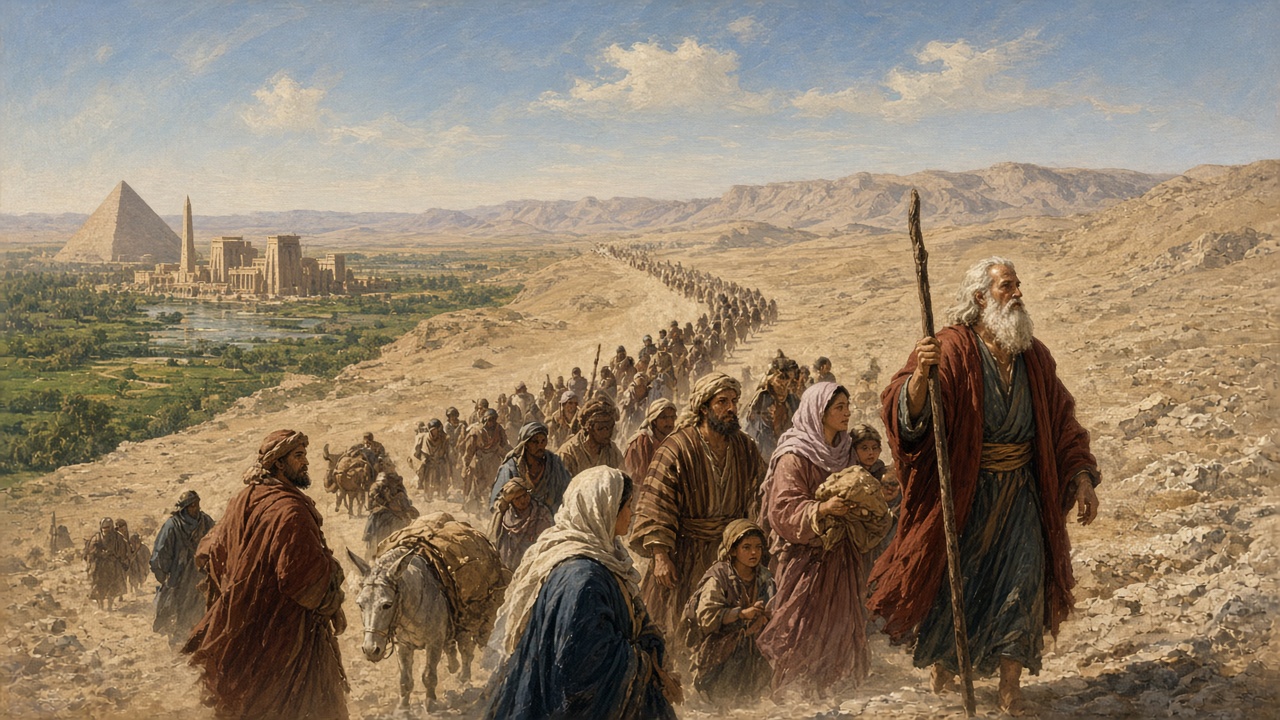
- La advertencia se vuelve hacia el pueblo que Moisés sacó de Egipto. Durante cuarenta años en el desierto pusieron a Dios a prueba; Dios estuvo enojado con aquella generación y juró que nunca entrarían en su descanso, y sus cuerpos cayeron en el desierto. El capítulo dice que la incredulidad les impidió entrar.Fuentes: el propio texto bíblico
- Egipto, la tierra que dejaron con Moisés, es la tierra del Nilo y de las pirámides. El diccionario bíblico de Easton (1897) explica el nombre Moisés como sacado, o lo vincula con la palabra egipcia mesu, que significa hijo.Fuentes: el propio texto bíblico · Egypt · Moses
Notas escritas con ayuda de IA a partir de fuentes abiertas (Theographic Bible Metadata, CC BY-SA 4.0; Easton’s Bible Dictionary, dominio público) y revisadas antes de publicarse.
Lugares de este capítulo
- Egypt · 30.129, 31.308 · versículo 16
Solo aparecen lugares identificados con alta confianza (90 % o más según las fuentes académicas reunidas por OpenBible). Mapa de la época: DARE (Digital Atlas of the Roman Empire), CC BY 4.0; mapa actual: © colaboradores de OpenStreetMap; lugares: OpenBible.info (CC BY 4.0).
Créditos y licencia de esta traducción
Ebe-No-Pfuasẹ Ishobọ Onogbọ
New Testament in Ivbie North-Okpela-Arhe (NI:atg:Ivbie North-Okpela-Arhe)
copyright © 2012 Wycliffe Bible Translators, Inc.
Language: Ivbie North-Okpela-Arhe
Translation by: Wycliffe Bible Translators, Inc.
Copyright Information
© 2012, Wycliffe Bible Translators, Inc. All rights reserved.
This translation text is made available to you under the
terms of the Creative Commons License: Attribution-Noncommercial-No Derivative Works.
( http://creativecommons.org/licenses/by-nc-nd/3.0/ )
In addition, you have permission to port the text to different file formats, as long as you
do not change any of the text or punctuation of the Bible.
You may share, copy, distribute, transmit, and extract portions
or quotations from this work, provided that you include the above copyright
information:
You must give Attribution to the work.
You do not sell this work for a profit.
You do not make any derivative works that change any of the actual words or punctuation of the Scriptures.
Permissions beyond the scope of this license may be
available if you contact
us with your request.
Printed book ISBN 9789789194797
The New Testament
in Ivbie North-Okpela-Arhe
© 2012, Wycliffe Bible Translators, Inc. All rights reserved.
This translation is made available to you under the terms of the
Creative Commons Attribution-Noncommercial-No Derivatives license 4.0.
You may share and redistribute this Bible translation or extracts from it in any format, provided that:
You include the above copyright and source information.
You do not sell this work for a profit.
You do not change any of the words or punctuation of the Scriptures.
Pictures included with Scriptures and other documents on this site are licensed just for use with those Scriptures and documents.
For other uses, please contact the respective copyright owners.
2019-08-09
Fuente: http://ebible.org/atgNT/ · eBible.org