Efesios 6
Ebe-No-Pfuasẹ Ishobọ Onogbọ · Toca un versículo para ver sus referencias cruzadas.
IPọlu ọ ye eniyẹ ali eni e bia wẹ ude
1Eniyẹ, a ri ungmemhi oyi eni e bia ẹ ke gbe akanya, itobọ khi lọli o ti ni eni e mie Ọnọmhuẹ suọ e ke riẹlẹ. 2“Mu ekpẹ na ita ẹ ali inyẹ ẹ.” Ona o khi ushi oni ododẹ ni Ẹshinẹgba ọ shi ni ọ ri ishiobọ ma. 3“Ini u mu ekpẹ na eni e bia ẹ, agbọ oyẹ o ya ke je odalo egbegbọ, u ya gbo li agbọ tẹsẹ agbọ ona.” 4Ẹẹ ita eniyẹ, a khi riẹlẹ emini o ri elemhi ẹ ke bi imiẹ, a ri ochoghọ ke ri ukpẹloe khu wẹ, a ke sẹsẹ wẹ odẹ oni o ghọle Ọnọmhuẹ.
IPọlu ọ ye ighumha ali eni e mhọli wẹ ude
5Ẹẹ ighumha, a ri ungmemhi oyi ọni ọ mhọli ẹ ni ọ la agbọ ona ke gbe akanya. A rọte ekelemhi udu ke mu ekpẹ na wẹ. A ri ukpẹloe oni o fu ke bino wẹ abi a kha li ri ungmemhi oyi iKirisiti gbe akanya. 6A ke ri ingme oyi ẹwẹ gbe akanya ẹghẹghẹ kpa, ọa khi ini ẹ bino ẹ tsẹ a rọ ri ingme oyẹwẹ ke gbe akanya ini e ba ke kuẹghiẹ ẹ. Ama a ke li abi ighumha eyi iKirisiti e li mu ekpẹ ẹ na li, ikhi eni e rọte ekelemhi-udu oyẹwẹ ẹ riẹlẹ emini Ẹshinẹgba ọọ a ke riẹlẹ. 7Rọte elemhi udu oyẹ ke gbe akanya abinẹ khi Ọnọmhuẹ wa ga, itobọ ọ́ a khi ẹgbọ tsẹ awa ga. 8Rọli shi udu khi Ọnọmhuẹ ọ̀ ya somhi ọgbọgbọ opfa shi ikanya enete ni ọ gbe, shi oghumha o, shi ọni ọ́ a khi oghumha. 9Ẹẹ eni e mhọli ighumha, a li guẹ ke ngeli deba ighumha eyi ẹẹ, A khi sọ wẹ ulishi khi a ya nasẹ wẹ. A lẹsẹ khi ọni ọ mhọli ẹ, mhọli ighumha eyi ẹẹ, ọ la iloghie. Lọli ọ khi ọni ọa mhuẹ khi ọna ọ kpe mhẹ dọsẹ ọghọ.
Abi eni e miesuọ e li nu ọkphaghiẹ ẹ khọli
10Ni mhi rọ gbe oni ungmemhi oyẹmhẹ ukhomhi, a rọte obọ oyi Ọnọmhuẹ mie itoto eniẹmhi. Rọte ekpabọ eniẹmhi eyọli mie itoto. 11Rue itsua okhọli nya ni Ẹshinẹgba ọ rọ nẹ sọ, ni u dobẹ nu (ekpabọ ali odẹ ebubu ni ọkphaghiẹ ọ rọte ẹ lasele shi ọgbọ ọ) khẹ abọ pfuse a. 12Itobọ khi ọa khi ẹgbọ nabi awa, awa nu ẹ khọli, ama itoto ali ekpabọ ali ighie eyẹwẹ ni ẹ mhẹsẹ agbọ ona alo ebili, ali ayẹmhẹ ebe eyi ọkphaghiẹ ena irarogbe ni awa a ya mẹ. 13Itobọ ighọ ri itsua okhọli eni Ẹshinẹgba ọ rọ nẹ nya sọ, ini u dobẹ khọli ẹlẹ ni ekpabọ ebe e mu okhọli ẹ vule shi ẹ ọ. Ini u khọli se nya, gbe lighi. Itsua Okhọli|src="hk00194c.tif" size="col" loc="EPH 6.13" copy="TIF" ref="6.13"
14Mu egbe ni u rọ khọli okhọli elemhi ayẹmhẹ. Ẹghẹghẹ kpa, mie emini e khi igẹsikia suọ. Eri ona o li abi ọgbẹnẹ ni ọkhọli-okhuẹ ọ rọ mu oku. Ke ngeli ingeli eni e migha shi ipfuasẹ odalo oyi Ẹshinẹgba. Ona o migha shi awulu akhuli ni a rọ mu aye ini a ya khọli. 15Ke mu egbe ẹghẹghẹ kpa ni u rọ gue usomhi onete oyi Ẹshinẹgba oyi opfọmhẹ le, onana o li abi ẹkuẹ ni ọkhọli-okhuẹ ọọ sọ shi awẹ. 16Ke regbenga Ẹshinẹgba, ona o ya khukhu ẹ obọ oyi ikuatse ni ọkphaghiẹ ọọ nono ni lọli kuali ẹ, eri ona o li abi ofiasẹ ni ọkhọli-okhuẹ ọ rọ mhọli obọ rọ ke fiase ote-osuẹ erali kua. 17Yelele khi Ẹshinẹgba ọ mie ẹ pfuese. Onana o li abi arula akhuli ni ọkhọli-okhuẹ ọ rọ rughu ẹ ye okhọli. Rue ungmemhi oyi Ẹshinẹgba ni Ayẹmhẹ-nọ-pfuasẹ ọ rọ nẹ mhuẹ obọ ke khọli, eri o li abi ọgbhọrọ ni a rọ khọli okhọli. 18Rọ te elemhi Ayẹmhẹ no pfuasẹ ke lema ẹghẹghẹ kpa. U kha lema, ke sọ iromhi ọdọda. Ke liẹ Ẹshinẹgba ọ kpaghiẹ ẹ obọ. Abi u liẹ lema, ke tọkpẹ. Ke lema na ẹgbọ eyi Ẹshinẹgba ẹghẹghẹ kpa. 19A gbo li ke lema na mhẹ ni Ẹshinẹgba ọ ri ungmemhi shi mhẹ unu ẹghẹghẹ kpa ini mhi ya khueghie unu a ngme, ni mhi dobẹ khueghie osheli ni o la usomhi onete oyi Ẹshinẹgba-a khasẹ ẹgbọ, ini mhi khaa ngme, ni ulishi o khi mu mhẹ. 20Ọni ọ to-ẹoli iKirisiti ẹ tse abọ usomhi onete oyi Ẹshinẹgba ona mhi khi. Ona o zẹ ni mhi rọ la owa ighumha. Itobọ ighọ, a ke lema na mhẹ ni Ẹshinẹgba ọ ri udu na mhẹ ke tse abọ usomhi onete oyọli abi mhi kha li tse ọli.
IPọlu ọ lema Ẹshinẹgba ọ khivọsẹ na eni e miesuọ
21Inyọghuo awa ni awa nono ingme oyọli, ni ọ gbe akanya oyi Ọnọmhuẹ te odẹ igẹsikia, iTakikọsi ọ khi. Ọ ya gue ingme eyẹmhẹ nya yẹ ẹ, ni a rọ gbo lẹsẹ abi o li mhẹ egbe ali emini mhia riẹlẹ. 22Itobọ ighọ mhi rọ ghie ọli ghi ẹ, ni a rọ lẹsẹ abi anye li la ọ shi, ni ọ gbo ri udu shi ẹ ọ. 23Ẹshinẹgba ita awa ali iJesu iKirisiti Ọnọmhuẹ, e ri opfọmhẹ na ẹ ni a miesuọ. E ka rẹ ẹ nono ingme egbe ẹ, ali ni a kie ke mie iJesu suọ 24Ẹshinẹgba ọ ka li okhale na ẹgbọ nya ni e nono ingme oyi iJesu iKirisiti Ọnọmhuẹ ọyi awa, ikhi inono ni ọa ya pfo ghue.
¿Sabías que…?
Deberes del hogar, la armadura de Dios y Tíquico
- Este capítulo presenta el mandato de honrar al padre y a la madre como el primer mandamiento que trae una promesa: que a uno le vaya bien y que tenga larga vida sobre la tierra. También pide a los padres que no provoquen a ira a sus hijos, sino que los críen en la disciplina y la instrucción del Señor.Fuentes: el propio texto bíblico
- El capítulo dice que la lucha no es contra sangre y carne, sino contra gobernantes, autoridades, los poderes de las tinieblas de este mundo y las fuerzas espirituales del mal en las regiones celestiales. Se invita a los lectores a tomar toda la armadura de Dios —cinturón de la verdad, coraza de la justicia, pies calzados con la prontitud del evangelio de la paz, escudo de la fe, casco de la salvación y espada del Espíritu, que es la palabra de Dios— para mantenerse firmes cuando llegue el día del mal.Fuentes: el propio texto bíblico
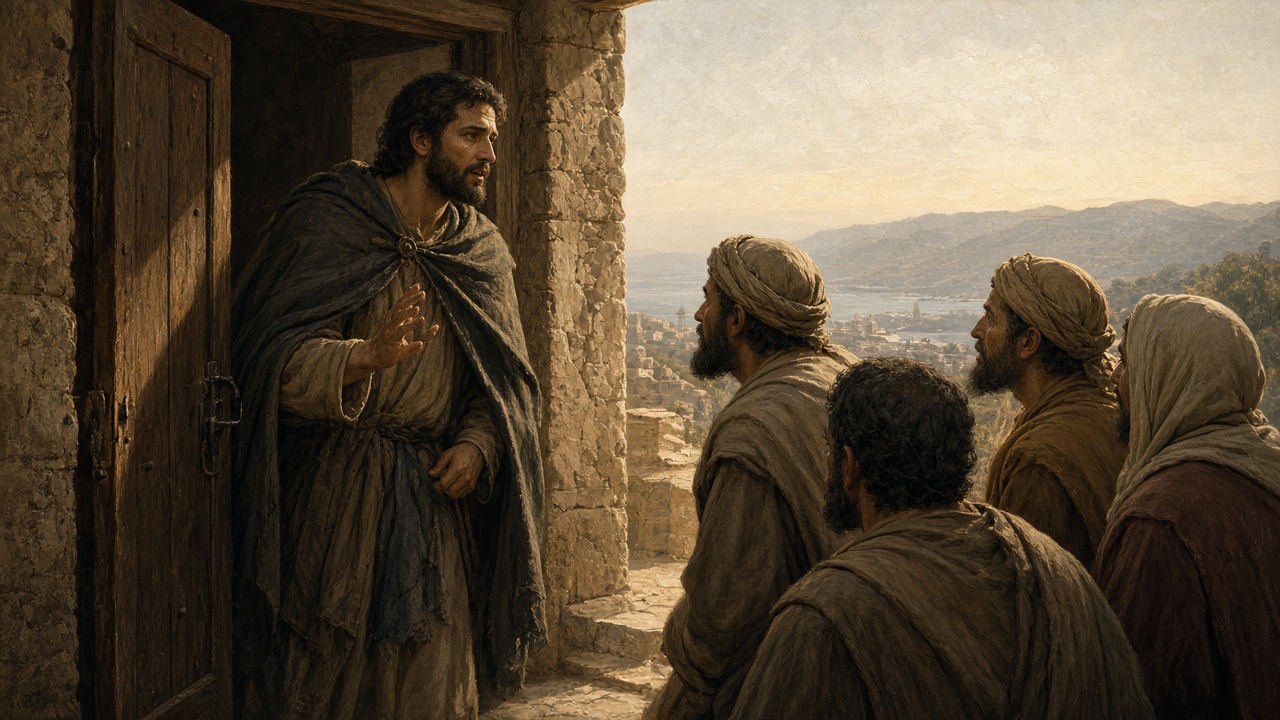
- Quien escribe pide oración para anunciar el evangelio sin miedo, como embajador en cadenas, y envía a Tíquico, el hermano amado y siervo fiel en el Señor, para contar a los lectores cómo está y animarlos. A Tíquico se lo describe como un cristiano de Asia que, con Trófimo, acompañó a Pablo en parte del viaje de Macedonia a Jerusalén y estuvo con Pablo en Roma, desde donde fue enviado a Éfeso, probablemente para edificar y animar a la iglesia.Fuentes: el propio texto bíblico · Tychicus
Notas escritas con ayuda de IA a partir de fuentes abiertas (Theographic Bible Metadata, CC BY-SA 4.0; Easton’s Bible Dictionary, dominio público) y revisadas antes de publicarse.
Créditos y licencia de esta traducción
Ebe-No-Pfuasẹ Ishobọ Onogbọ
New Testament in Ivbie North-Okpela-Arhe (NI:atg:Ivbie North-Okpela-Arhe)
copyright © 2012 Wycliffe Bible Translators, Inc.
Language: Ivbie North-Okpela-Arhe
Translation by: Wycliffe Bible Translators, Inc.
Copyright Information
© 2012, Wycliffe Bible Translators, Inc. All rights reserved.
This translation text is made available to you under the
terms of the Creative Commons License: Attribution-Noncommercial-No Derivative Works.
( http://creativecommons.org/licenses/by-nc-nd/3.0/ )
In addition, you have permission to port the text to different file formats, as long as you
do not change any of the text or punctuation of the Bible.
You may share, copy, distribute, transmit, and extract portions
or quotations from this work, provided that you include the above copyright
information:
You must give Attribution to the work.
You do not sell this work for a profit.
You do not make any derivative works that change any of the actual words or punctuation of the Scriptures.
Permissions beyond the scope of this license may be
available if you contact
us with your request.
Printed book ISBN 9789789194797
The New Testament
in Ivbie North-Okpela-Arhe
© 2012, Wycliffe Bible Translators, Inc. All rights reserved.
This translation is made available to you under the terms of the
Creative Commons Attribution-Noncommercial-No Derivatives license 4.0.
You may share and redistribute this Bible translation or extracts from it in any format, provided that:
You include the above copyright and source information.
You do not sell this work for a profit.
You do not change any of the words or punctuation of the Scriptures.
Pictures included with Scriptures and other documents on this site are licensed just for use with those Scriptures and documents.
For other uses, please contact the respective copyright owners.
2019-08-09
Fuente: http://ebible.org/atgNT/ · eBible.org