Hechos 5
Ebe-No-Pfuasẹ Ishobọ Onogbọ · Toca un versículo para ver sus referencias cruzadas.
Ananayasi ali iSafira
1Ọmọse ọghuo ọ la ọ ni a lu Ananayasi ali ughuẹ ọli iSafira, e ku abọ gbe ri ekẹ oyẹwẹ dẹ. 2Ọ te eni ikpaghọ ni ọ ri oni ekẹ dẹ rue sheli na egbọli, ughuẹ ọ lama shi ọli ọ. Ọ tsua ikhukhui eni ikpaghọ ghi ighiusomhi na kẹẹ.
3Ighọ iPita ọọ, “Ananayasi, elọ o zẹ ni u rọ zẹ ni ọkphaghiẹ ọ lo ẹ udu, ni u rọ lo ẹgbhọli khasẹ Ayẹmhẹ-nọ-pfuasẹ, ni u rọ rọte eni ikpaghọ ni u ri oni ekẹ dẹ rue shi na egbe ẹ? 4Ọ́á khi oyẹ oni ekẹ o khi neni u rọli dẹ? Abi u rọ rọli dẹ se, eni ikpaghọ ẹa kie khili eyẹ? Elọ o rẹẹ sa usamhi onana? Ọa khi ọgbọ u lo ẹgbhọli khasẹ ama Ẹshinẹgba!”
5Abi Ananayasi ọ rọ suọ ungmemhi ona se, ọ de ekẹ, ọ ghua. Ulishi oniẹmhi o ku rughu ẹgbọ kpa ni e suọ emini a mẹ. 6Ighọ izẹo e rọte iteva oyẹwẹ fiẹ lasele ya ri ide khuli olimhi oyọli, e tsua li fiẹ je olase ya rọ tọ.
7Iwakati esẹ e lẹsẹ na dọsẹ te, ughuẹ ọli ọ lole, ọa lẹsẹ emini a mẹ. 8IPita ọ mhila li, ọọ, “Gueyẹ mhẹ ghue, ingme ni yẹyẹ ali Ananayasi ọdọẹ a ri oni ekẹ dẹ na?”
Ọọ li, “Ii.” “Ighọ anye ri oni ekẹ dẹ.”
9IPita ọọ, “Sẹ ẹẹ ava-ava a li yemhẹ shi oghuo ni a mhẹsẹ Ayẹmhẹ-nọ-pfuasẹ bino? Emọse ni e tsua ọdọẹ ya tọ lẹna e la odẹ kia bhale. Wẹwẹ e gbo li tsuẹ ya tọ!”
10Utoghuokpe ọ de ekẹ, ọ ghua. Eni emọse e bhale, e ya ẹ khi ọ she ghua, ighọ e tsua li ya tọ mama ọdọli. 11Ulishi oniẹmhi o mu igbaa oyi eni e mie iJesu iKirisiti suọ nya ni e suọ emini a mẹ.
Eni Ighiusomhi na kẹ e ri eni ee ghua ebubu ze
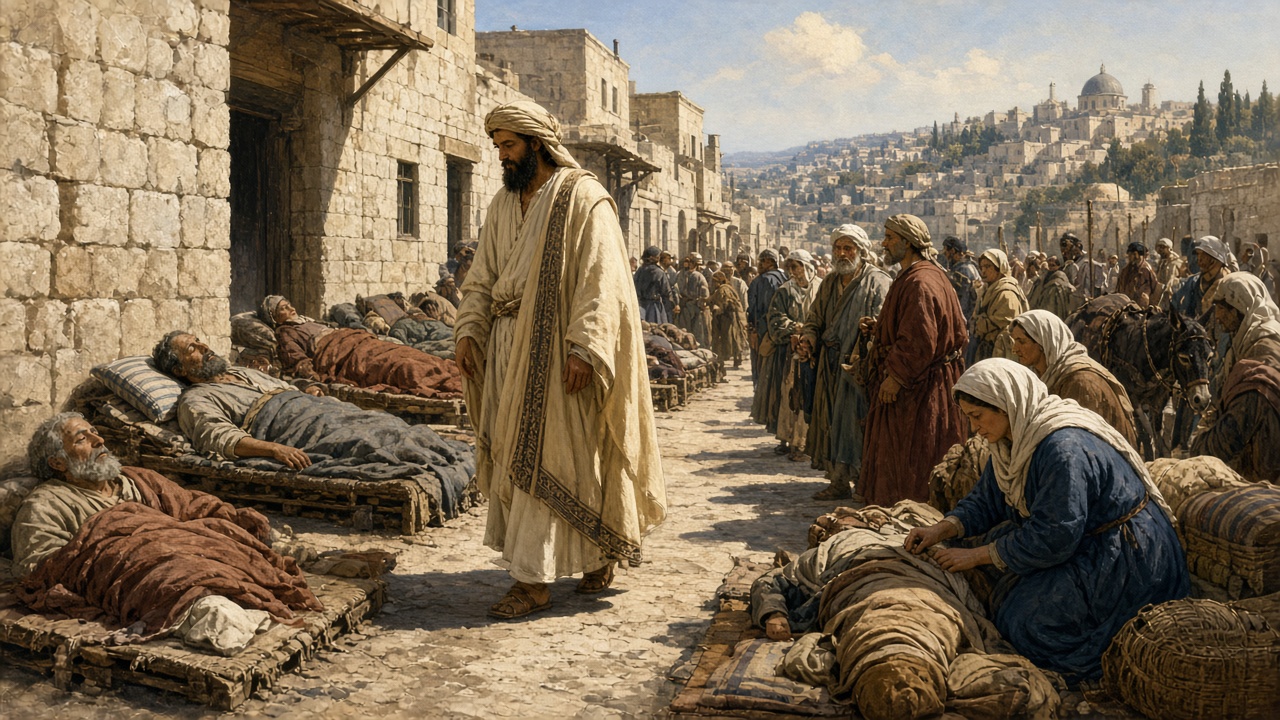
12Eni ighiusomhi na kẹẹ e gbe ebubu ọlẹlẹ ọnyaloa ali ọshabọ ọdọda iteva oyi eni ẹgbọ. Igbaa oyi eni e mie iJesu iKirisiti suọ e lona Arakpha oyi iSolomoni na elemhi Owa Oyi Ẹshinẹgba elemhi ikudugbe. 13Ọgbọkhọghuo ọa gbudu kugbe wẹ ọ aboriẹkhia khi ẹgbọ nya e ri ekpẹ na wẹ. 14Abi o riẹ khi ighọ, eri ebubu emọse ali ikpotso elese e mie Ọnọmhuẹ suọ, a ku wẹ ma igbaa oyi eni e mie iJesu iKirisiti suọ. 15Irari ikanya ọnyaloa ni ighiusomhi na kẹẹ e gbe, ẹgbọ e tsua ẹgbọ ni ẹa ze bhale odẹ ifu apfẹ rẹwẹ yẹshi ukpho ali iya, ini akphakpha oyi iPita oo nga wẹ egbe ini ọọ dọsẹ. 16Olele ẹgbọ e rọte ẹoli ni e la gasẹ iJerusalẹmu bhale. E tsua ẹgbọ ni ẹa ze ali eni e mhọli ayẹmhẹ ọkphaghiẹ bhale, ighọ a ri wẹwẹ nya ze.
A mu okhọli vule shi Ighiusomhi na kẹ ọ
17Ọga ọyi ekpodalo ugamhi ali apfọli ni e ga rọ la otu oghuo ni a lu otu iSadusisi, e kpe ofuma a deba ighiusomhi na kẹẹ. 18E muno eni ighiusomhi na kẹẹ ku lo owa ighumha. 19Ama ẹliyọsẹ, agẹni ọ khueghie odẹ oyi oni owa ighumha-a na wẹ, ọ rue wẹ ya lase. 20Ọọ wẹ, “A ke vu, a je elemhi ogba na Owa Oyi Ẹshinẹgba ya migha ni a gueyẹ ẹgbọ usomhi onete oyi agbọ onogbọ ona.”
21Abi ogbe o rọ gbe-a, eni ighiusomhi na kẹẹ e dọsẹ lo Owa oyi Ẹshinẹgba, ee sẹsẹ. Abi Ọga ọyi ekpodalo ugamhi ali apfọli ni e rọ ga la otu oghuo e rọ bhale, e lu ilegba oyi eni egbhali eyi ẹgbọ iZirẹni (ni a lu iSaẹdiri), ighọ e lu eni e ri ẹloe ẹ khu owa ighumha e ka wolọ eni ighiusomhi na kẹẹ igha ghi ẹwẹ. 22Ama abi e rọ ramhi aghọ, e bhale ya ẹ khi eni ighiusomhi na kẹẹ ẹa la oni owa ighumha, ighọ e nyenẹ egbe je ya gueyẹ eni e ghie wẹ. 23Ẹ li, “Anye bhale ya ẹ khi a sọ okpẹ owa ighumha gba-i! Khi ekhekhẹ e migha unu odẹ. Ama abi anye rọ khueghie eni odẹ-a lo elemhi aghọ, anye ẹa mẹ ọgbọkhọghuo elemhi aghọ.” 24Abi e rọ suọ ona, abọ e sha oghie ọyi eni ẹ khẹ ekhẹ Owa Oyi Ẹshinẹgba, ali ighie eyi ekpodalo-ugamhi, itobọ khi ẹa dobẹ lẹsẹ udi emini a mẹ ena idiegbe oyi ighiusomhi na kẹẹ. Oni ingme ọa zẹ wẹ sa.
25Ighọ ọmọse ọghuo ọ bhale wẹ iteva, ọọ wẹ, “A bino! Ẹgbọ ni a mu shi owa ighumha e la Owa Oyi Ẹshinẹgba a sẹsẹ ẹgbọ!” 26Ighọ eni ẹ khẹ ekhẹ e vu ya mu eni ighiusomhi na kẹẹ. Ẹa ri itoto riẹlẹ ọli itobọ khi ulishi eni ẹgbọ o mu wẹ ini ẹ ya tono wẹ echẹ.
27E muno eni ighiusomhi na kẹẹ bhale ya migha agbala, ọni oghie ọyi ekpodalo-ugamhi eyi Ẹshinẹgba ọ mhila wẹ ogbọ. 28“Anye tse agua gueyẹ ẹ aa khi ke ri eva ona sẹsẹ ẹgbọ. Ama a kiele ẹ sẹsẹ ẹgbọ, osẹsẹ oyẹẹ o gbhiaku ekẹ iJerusalẹmu nya. A yẹsẹ ni ẹgbọ e ya ke dabi khi anye gbe iJesu-a!”
29IPita ali ighiusomhi na kẹẹ eni e kpọle ẹ wẹ, “Anye mema ya ri oyi Ẹshinẹgba gbe dọsẹ oyi ẹgbọ.” 30Ẹshinẹgba ọyi itawa ọ rọte eghuli guise iJesu le, ọni a soli-a shi ọọra gbe-a. 31Ẹshinẹgba ọ she yasẹ ọli nga obita ni o pfuasẹ oyọli abi Omi Oghie ali Ọmiepfuese, ni ọọ ri ẹghẹghẹ na iZirẹni gbo mhọli imupfi ali igbekua shi olamhẹ. 32Anye khi ọtsẹlẹ shi eni ingme ena nya, ighọ li khi Ayẹmhẹ-nọ-pfuasẹ, ni ọ khi isomhopfa ni Ẹshinẹgba ọ rọna eni e suọ esọ na li. 33Abi e rọ suọ ona, e pfaa, e nono abi e li ya gbolo wẹ-a. 34Ama iGamaliẹ ni ọ khi otu iFarisi ni ọọ sẹsẹ Ishi eyi iMosisi, ni ọ khi ọni ẹgbọ e ri ekpẹ ẹ na, ọ vule migha elemhi oni igbaa oyi eni egbhali, ọ a wolọ wẹ fiẹ ne ukuku ẹghẹghẹ. 35Ighọ ọọ wẹ, “Ẹẹ emọse iZirẹni a kuegbe-a sa emini a nono khi a ya riẹlẹ eni emọse ena. 36Ẹghẹghẹ ni o dọsẹ, ọmọse ọghuo ni a lu iTeudasi ọ lasele, ọọ lu egbọli emhi, ẹgbọ egbhuẹshe asha ene e kpikpi deba li. Abi a rọ gbe ọli-a, ẹgbọ eyọli e gbhiaku-a, oni okiali oyọli o mele afuẹ-a. 37IJudasi ọngi iGalili ọ gbo lasele ẹghẹghẹ ni a rọ leli ẹgbọ, lọli ali ẹgbọ eyọli e pfi onyaghu. Abi a rọ gbe ọli a ẹgbọ eyọli e gbhiaku-a. 38Irarighọ, mhi ye ẹ ude shi idiegbe oyi ẹgbọ ena, a zẹ wẹ obọ! Zẹ wẹ obọ ni e vu! Ini emini e rọ bhale khi obọ oyi ọgbọ o te bhale, e ya de. 39Ama ini o khi obọ oyi Ẹshinẹgba o te bhale, aa ya tigbe dobẹ mu wẹ gba, ama khi Ẹshinẹgba a nu ẹ khọli.”
40Oni ungmemhi ni ọ ngme o lo wẹ udu. E lu eni ighiusomhi na kẹẹ lasele, e gbe wẹ itali, e gueyẹ wẹ e khi ke ngme ingme oyi iJesu, e zẹ wẹ obọ vu. 41Eni ighiusomhi na kẹẹ e rọte aghọ vu, ee ghẹlẹ khi wẹwẹ e li tẹ ọ na ri omama a mu shi eva oyi iJesu. 42Ẹa tigbe yẹmhẹ-a, ogbẹlẹ kpa e rọ ọ sẹsẹ, ni e gbo rọ ọ tse abọ usomhi onete khi iJesu ọ khi Ọmiepfuese, elemhi ọgba na Owa oyi Ẹshinẹgba ali rọte owa ya je owa.
¿Sabías que…?
Engaño, prodigios y el Sanedrín
- Ananías, miembro de la iglesia de Jerusalén, y su esposa Safira, cuyo nombre significa hermosa, vendieron un terreno y, con conocimiento de ella, se quedaron con parte del precio mientras llevaban el resto a los apóstoles. Él podría haber conservado la propiedad; Pedro le recordó que seguía a su disposición tanto antes como después de la venta. La falta fue la mentira: él afirmó haberlo entregado todo, Safira confirmó el precio falso, y ambos murieron; ella compartió su culpa y su castigo.Fuentes: Ananias (Husband of Sapphira) · Sapphira · el propio texto bíblico
- Los creyentes se reunían de común acuerdo en el Pórtico de Salomón, donde los apóstoles realizaban muchas señales y prodigios. Esa columnata estaba probablemente en el lado oriental del templo. No se menciona en relación con el primer templo, aunque Josefo se refiere a un pórtico de ese nombre en el templo de Herodes.Fuentes: Solomon's Portico · el propio texto bíblico
- Cuando el sumo sacerdote y sus compañeros, que pertenecían al partido de los saduceos, hicieron arrestar a los apóstoles, un fariseo llamado Gamaliel se levantó en el Sanedrín. Es descrito como maestro de la ley, honrado por todo el pueblo, hijo del rabino Simeón y nieto del famoso rabino Hilel, y como adversario de los saduceos; instó al consejo a dejar en paz a esos hombres. Señaló a Teudas, que había encabezado una insurrección contra la autoridad romana y, según el relato de Gamaliel, reunió a unos cuatrocientos hombres antes de que el levantamiento quedara en nada —fuera de eso, no se sabe nada más de Teudas— y a Judas el galileo, que pereció en los días del censo.Fuentes: Gamaliel · Theudas · el propio texto bíblico
Notas escritas con ayuda de IA a partir de fuentes abiertas (Theographic Bible Metadata, CC BY-SA 4.0; Easton’s Bible Dictionary, dominio público) y revisadas antes de publicarse.
Lugares de este capítulo
- Solomon’s Portico · Hoy: in Jerusalem · 31.777, 35.234 · versículo 12
- Jerusalem · 31.777, 35.234 · versículos 16, 28
- Galilee · 32.760, 35.527 · versículo 37
Solo aparecen lugares identificados con alta confianza (90 % o más según las fuentes académicas reunidas por OpenBible). Mapa de la época: DARE (Digital Atlas of the Roman Empire), CC BY 4.0; mapa actual: © colaboradores de OpenStreetMap; lugares: OpenBible.info (CC BY 4.0).
Créditos y licencia de esta traducción
Ebe-No-Pfuasẹ Ishobọ Onogbọ
New Testament in Ivbie North-Okpela-Arhe (NI:atg:Ivbie North-Okpela-Arhe)
copyright © 2012 Wycliffe Bible Translators, Inc.
Language: Ivbie North-Okpela-Arhe
Translation by: Wycliffe Bible Translators, Inc.
Copyright Information
© 2012, Wycliffe Bible Translators, Inc. All rights reserved.
This translation text is made available to you under the
terms of the Creative Commons License: Attribution-Noncommercial-No Derivative Works.
( http://creativecommons.org/licenses/by-nc-nd/3.0/ )
In addition, you have permission to port the text to different file formats, as long as you
do not change any of the text or punctuation of the Bible.
You may share, copy, distribute, transmit, and extract portions
or quotations from this work, provided that you include the above copyright
information:
You must give Attribution to the work.
You do not sell this work for a profit.
You do not make any derivative works that change any of the actual words or punctuation of the Scriptures.
Permissions beyond the scope of this license may be
available if you contact
us with your request.
Printed book ISBN 9789789194797
The New Testament
in Ivbie North-Okpela-Arhe
© 2012, Wycliffe Bible Translators, Inc. All rights reserved.
This translation is made available to you under the terms of the
Creative Commons Attribution-Noncommercial-No Derivatives license 4.0.
You may share and redistribute this Bible translation or extracts from it in any format, provided that:
You include the above copyright and source information.
You do not sell this work for a profit.
You do not change any of the words or punctuation of the Scriptures.
Pictures included with Scriptures and other documents on this site are licensed just for use with those Scriptures and documents.
For other uses, please contact the respective copyright owners.
2019-08-09
Fuente: http://ebible.org/atgNT/ · eBible.org