Hechos 3
Ebe-No-Pfuasẹ Ishobọ Onogbọ · Toca un versículo para ver sus referencias cruzadas.
A ri ọchẹghẹlẹ-awẹ-a ni ọọ lema ze
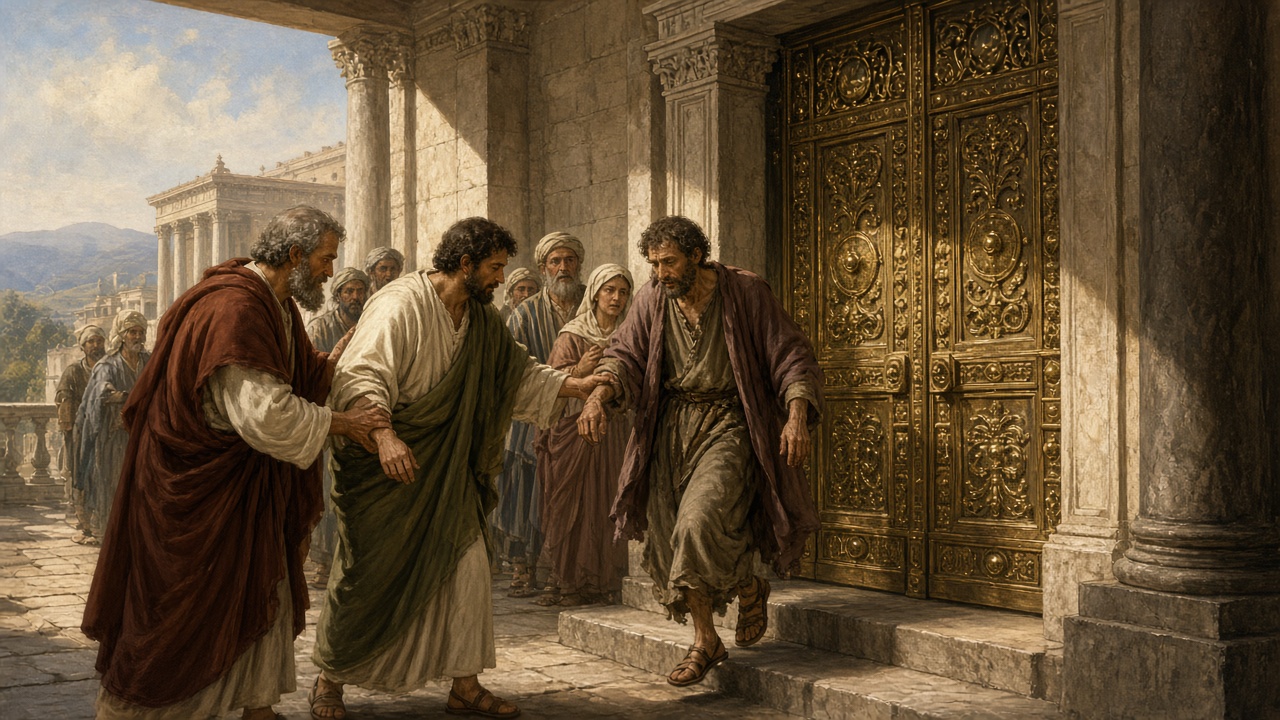
1Ogbẹlẹghuo khi iPita ali iJọni ee je Owa Oyi Ẹshinẹgba ẹghẹghẹ agogo esẹ ọguota ni a la sọ iromhi. 2A tsua ọmọse ni ọ rọte abi a te bia li guọghọ-a bhale ya shi odẹ unuẹkpẹ ni a lu Isomhotse oyi Owa Oyi Ẹshinẹgba. Akaghọ a tsua li bhale ya shitọ ni ọ te mẹ asha mhila ẹgbọ ni ẹ lo oni Owa Oyi Ẹshinẹgba le ikpaghọ. 3Abi ọ rọ mẹ iPita ali iJọni khi e lo oni Owa Oyi Ẹshinẹgba, ọ mhila wẹ ikpaghọ. 4Ighọ iPita ọ bino ọli alo tatata, ighọ li khi iJọni. IPita ọọ li, “Bino anye!” 5Ighọ ọ li bino wẹ, ọ ri udu sa khi lọli ya mẹ wẹ emhi obọ mie.
6Ama iPita ọọ li, “Mhi aa mhuẹ ukpaghọ ya nẹ, ama mhi ri emini mhi mhọli nẹ. Irari eva oyi iJesu iKirisiti ọnge iNazarẹti, vule ni u ke kia!” 7Ighọ iPita ọ mu ọli obọ-ita vule. Udemhija, awẹ ali ili awẹ eyọli e na ya to. 8Ighọ ọ ti vule migha, ọọ kia gasẹ. Ọ nu wẹ lo elemhi oni Owa Oyi Ẹshinẹgba, ọ kia, ọ jino, ọ kuẹghiẹ Ẹshinẹgba. 9Abi ẹgbọ ni e la akaghọ nya e rọ mẹ ọli khi ọ kia gasẹ, khi ọ kuẹghiẹ Ẹshinẹgba, 10e lẹsẹ ọni ọ khi, khi lọli ọ́ kpẹ ẹ shitọ odẹ unuẹkpẹ ni a lu Isomhotse e lema, oni ingme o sha ọgbọkpa abọ, ẹa lẹsẹ abi ọ li kia.
IPita ọ nu eni e migha a fẹ ngme
11Abi ọni ọmọse ọ li mu iPita ali iJọni mhuẹ eghọ, ọshabọ o sha eni ebubu ẹgbọ, e kpikpi fiẹ deba wẹ ya lo arakpha ni a lu Arakpha oyi iSolomoni ni o la oni Owa Oyi Ẹshinẹgba. 12Abi iPita ọ rọ mẹ abi eni ẹgbọ ee li, ọọ wẹ. “Ẹẹ ẹgbọ iZirẹni, elọ o zẹ ni onana o rọ lighọ ri abọ sha ẹ ni a rọ lina a bino anye abinẹ khi ekpabọ ali ipfuasẹ eyi anye, anye rọ rọli ze? 13Ẹshinẹgba ọyi Aburaamu, ali Aziki ali iGiekọpu, ni ọ khi Ẹshinẹgba oyi itita awa, ọ she ri ufumhi oyọli na iJesu, Ọni ọọ ga li. Ama eri a rue ọli na ena omhẹsẹ, a kie ọli odalo oyi iPaleti abi ọ tseku mhọli ọli shi udu khi lọli ya rue ọli obọ-a. 14A kie iJesu ọni ọ pfuasẹ ali ọni ọ guẹ ẹ ngeli, a ri ochoghọ liẹ iPaleti ọ rue ọgbọ ni ọ gbe ugbeli abọ-a na ẹ. 15Ama a gbe ọgbọ ni ọ ri ọgbọ a je agbọ-a. Ama Ẹshinẹgba ọ gbo guise ọli le abi ọ rọ ghua. Anye aava anye mẹ ọli abi ọ rọ guale, anye rọ pfi ọtsẹlẹ shi ọ. 16Itobọ ekpabọ ni e la eva oyi iJesu anye rọ dobẹ ri ọmọse ọna ni a lẹsẹ ni a fẹli ena ze, oni irudunga oyi ọni ọmọse lọli o zẹ khi ọ ga ze pfo nya ni a ga mẹ memena.
17“Inyọghuo-mhẹ, mhi lẹsẹ khi emini ẹẹ ali eni e ralo na ẹ a riẹlẹ iJesu, khi elemhi umhalẹsẹ a te riẹlẹ wẹ. 18Ina Ẹshinẹgba ọ li ri ungmemhi oyọli ya tsẹ, oni ọ rọte ekẹ rọte unu oyi emekẹguele ngme khi iKirisiti ọ ya mẹ osoli. 19A zọnọ khasẹ Ẹshinẹgba khi a pfidọ, ni a mu pfi deba Ẹshinẹgba, ni ọ shishi olamhẹ eyẹ ẹ a, Ini a lighọ, ẹghẹghẹ iyẹmhẹa o ya rọte obọ oyi Ọnọmhuẹ bhale deba ẹ. 20Ini ọọ ghie ọni ọ shobọ bhale agbọ ghi awa kpa, ikhi iJesu, ọni Ọmiepfuese. 21IJesu ọ mema ya kie la obini iloghie ramhi ẹghẹghẹ ni Ẹshinẹgba ọ rọ ya mu emhikpa pfi gbo mele enegbọ-a, abi Ẹshinẹgba ọ li rọte unu oyi emekẹguele eni e pfuasẹ eyọli shobọ na awa ẹghẹghẹ ni o dọsẹ. 22IMosisi ọ ngme ọli, ọọ, ‘Ọnọmhuẹ Ẹshinẹgba ọyẹẹ ọ ya rọte iteva oyẹẹ mu Ọmekẹguele nabi mhẹmhẹ vule na ẹ. A ya mema ri esọ shi ingmemhi ni ọ ya gueyẹ ẹ. 23Ọni ọa da ri esọ shi ọli ọ, Ẹshinẹgba ọ ya khi ọli ẹgbọ eyọli ku-a.’
24“Egbegbọ lọ khi emekẹguele nya rọte iSamuẹ ya je odalo, e kpẹ ngme emini a ya mẹ ẹghẹghẹ oyawa shi ekẹ. 25Emini eni emekẹguele enana e ngme, ẹẹ o gọ lu, a li mhọli okemhi shi ishobọ ni Ẹshinẹgba ọ shi na itita ẹ, ni ọ la liẹ Aburaamu, ‘Mhi ya rọte obọ oyi imimi ẹ khi vọsẹ na ẹgbọ na agbọ nya.’ 26Abi Ẹshinẹgba ọ rọ mu Ọni ọọ ga oyọli vule, Ọ te ododẹ ghie ọli ghi ẹ ni ọ khi vọsẹ na ẹ abi ọ rọ mu ẹ nyenẹ lase ingmobe eyẹ ẹ le.”
¿Sabías que…?
Curación y predicación en el templo
- La puerta del templo llamada Hermosa, donde cada día ponían a mendigar a un hombre cojo de nacimiento, se nombra en este capítulo. Se supone que era la puerta que iba del atrio de los gentiles al atrio de las mujeres; era maciza y estaba cubierta con placas de latón corintio.Fuentes: Beautiful Gate · el propio texto bíblico
- Después de la curación, la multitud asombrada corrió hacia Pedro y Juan en el paseo llamado Pórtico de Salomón. Era una columnata, o claustro, probablemente en el lado oriental del templo; no se menciona en relación con el primer templo, pero Josefo menciona un pórtico de ese nombre en el templo de Herodes.Fuentes: Solomon's Portico · el propio texto bíblico
- En el discurso allí, Pedro dijo que el pueblo había entregado a Jesús y lo había rechazado ante Pilato, aunque Pilato había decidido soltarlo. Una entrada de diccionario identifica a Poncio Pilato como el sexto procurador romano de Judea, del 26 al 36 d.C., con sede en Cesarea, aunque subía con frecuencia a Jerusalén; su nombre cobra especial relieve en relación con el juicio de Jesús.Fuentes: Pontius Pilate · el propio texto bíblico
Notas escritas con ayuda de IA a partir de fuentes abiertas (Theographic Bible Metadata, CC BY-SA 4.0; Easton’s Bible Dictionary, dominio público) y revisadas antes de publicarse.
Lugares de este capítulo
- Beautiful Gate · Hoy: in Jerusalem · 31.777, 35.234 · versículos 2, 10
- Nazareth · 32.702, 35.298 · versículo 6
- Solomon’s Portico · Hoy: in Jerusalem · 31.777, 35.234 · versículo 11
Solo aparecen lugares identificados con alta confianza (90 % o más según las fuentes académicas reunidas por OpenBible). Mapa de la época: DARE (Digital Atlas of the Roman Empire), CC BY 4.0; mapa actual: © colaboradores de OpenStreetMap; lugares: OpenBible.info (CC BY 4.0).
Créditos y licencia de esta traducción
Ebe-No-Pfuasẹ Ishobọ Onogbọ
New Testament in Ivbie North-Okpela-Arhe (NI:atg:Ivbie North-Okpela-Arhe)
copyright © 2012 Wycliffe Bible Translators, Inc.
Language: Ivbie North-Okpela-Arhe
Translation by: Wycliffe Bible Translators, Inc.
Copyright Information
© 2012, Wycliffe Bible Translators, Inc. All rights reserved.
This translation text is made available to you under the
terms of the Creative Commons License: Attribution-Noncommercial-No Derivative Works.
( http://creativecommons.org/licenses/by-nc-nd/3.0/ )
In addition, you have permission to port the text to different file formats, as long as you
do not change any of the text or punctuation of the Bible.
You may share, copy, distribute, transmit, and extract portions
or quotations from this work, provided that you include the above copyright
information:
You must give Attribution to the work.
You do not sell this work for a profit.
You do not make any derivative works that change any of the actual words or punctuation of the Scriptures.
Permissions beyond the scope of this license may be
available if you contact
us with your request.
Printed book ISBN 9789789194797
The New Testament
in Ivbie North-Okpela-Arhe
© 2012, Wycliffe Bible Translators, Inc. All rights reserved.
This translation is made available to you under the terms of the
Creative Commons Attribution-Noncommercial-No Derivatives license 4.0.
You may share and redistribute this Bible translation or extracts from it in any format, provided that:
You include the above copyright and source information.
You do not sell this work for a profit.
You do not change any of the words or punctuation of the Scriptures.
Pictures included with Scriptures and other documents on this site are licensed just for use with those Scriptures and documents.
For other uses, please contact the respective copyright owners.
2019-08-09
Fuente: http://ebible.org/atgNT/ · eBible.org