1 Corintios 7
Ebe-No-Pfuasẹ Ishobọ Onogbọ · Toca un versículo para ver sus referencias cruzadas.
Ingme ingeli oyi ọmọse ali ọkpotso
1Ni mhi rọ sọ shi ogbọ ni a kẹkẹ shi ebe ya mhila mhẹ.
O ti ini ọmọse ali ọkpotso ẹa ya lẹ deba egbe. 2Ama irari itsẹbọ, ọmọse ọgbọgbọ ali ughuẹ ọli e ke lẹ deba egbe, ọkpotso ali ọdọli e ke lẹ deba egbe. 3Ọmọse ọ khi ri okiamhi ughuẹ gbe ughuẹ ọli, ọkpotso ọ khi li ri okiamhi ughuẹ gbe ọdọ li. 4Ọkpotso lọlighuo ọa mhọli idiegbe oyọli, ama ọdọli ọ mhọli wẹ. Ighọ o li khi egbe oyi ọmọse, ọa khi ọmọse lọlighuo ọ mhọli idiegbe eyọli, ama ughuẹ ọli ọ li mhọli wẹ. 5A khi kie egbe, sẹẹ khi ọmọse ali ọkpotso e lama shi egbe ọ khi wẹwẹ e ya nuata shi ilẹdeba-egbe ne, ni e mẹ asha mhọli ukuku ẹghẹghẹ rọ sọ iromhi. Oni ẹghẹghẹ o kha dọsẹ se, e gbo bhale ya lona, ini ọkphaghiẹ ọ khi mẹ asha mu wẹ fẹ, irari khi egbe ẹa zẹ ẹ mu shi ingme ughuẹ. 6Eri mhi khọkhọ ona na ẹ, ọa khi ushi ni mhi shi ẹ shi ekẹ na ẹ. 7O ma kha ti gba ini ọgbọkpa ọ dobẹ ya la ọ ni ọa rue ọkpotso shi abi mhẹmhẹ lọ. Ama awa nya awa aa li abeghuo. Ẹshinẹgba ọ somhi ọgbọgbọ isomhopfa ọdọda. Ọna ọ kha mhọli ona, ọlese ọ mhọli oghọ.
8Ẹẹ ni aa la ughuẹ ghue ali esamhi-olimhi, o ti nẹ ini ẹa bie ye ughuẹ abi mhẹmhẹ. 9Ama ini ẹa dobẹ ya mu egbe wẹ, e ke lẹ ughuẹ. O tinẹ ni a ye ughuẹ dọsẹ ocho ni a rọ ya shitọ, egbe ẹẹ lala ẹ shi ingme ughuẹ.
10Ẹẹ ni a la ughuẹ, mhi mhẹsẹ ona na ẹ, ni ọa rọte obọ oyẹmhẹ bhale, ama obọ oyi Ọnọmhuẹ. Ọkpotso ọ khi rọte obọ oyi ọdọli vu. 11Ama ini ọ li ghọ, ọ khi gbo ye ughuẹ olese ghue, ochoghọ ọ ka nu ọdọli rọ riẹlẹ. Ọmọse ọ khi gbudu khu ughuẹ ọli.
12Ẹẹ oyẹẹ enekpọle, mhi gue ona yẹ ẹ, mhẹmhẹ mhi ngme ona, ọa khi Ọnọmhuẹ. Ini ọmọse ni ọ miesuọ ọ rue ọkpotso ni ọa miesuọ ughuẹ, o kha ghọle ọni ọkpotso ni ọ rọ nu ọni ọmọse shitọ, ọni ọmọse ọ khi khu ọli. 13Ini ọkpotso ni ọ miesuọ ọ ngeli na ọmọse ni ọa miesuọ, ni ọni ọmọse ọ rọ mhọli ọghuẹmhẹ khi lọli ya kie ri ọni ọkpotso shi, ọni ọkpotso ọ khi pfa oni ughuẹ-a. 14Irari khi ọkpotso ni ọ miesuọ ọọ rue ipfuasẹ ẹ bhale ughuẹ oyọli, ali khi ọmọse ni ọ miesuọ ọ ri ipfuasẹ ẹ bhale ughuẹ oyọli. Ini ọa khi ighọ lọ, imi ẹ, eni ẹa pfuasẹ e kha khi, ama abi o ke li ena khi, a she khuẹsẹ wẹ-a pfuasẹ.
15Ama ini ọni ọa miesuọ elemhi wẹwẹ aava, ọọ nono ni lọli lase oni ughuẹ le, ọ ke vu. Emhikhọghuo ọa ke la akana ya mu ọmọse okekhi ọkpotso ni ọ miesuọ mhuẹ ini a mẹ na. Eri Ẹshinẹgba ọ lu awa ni awa rọ la agbọ opfọmhẹ. 16Yẹyẹ ọkpotso, u fẹ lẹsẹ ini itobọ oyẹ odẹ ọ kha rọ mhuẹ imiepfuese? Abi khi, yẹyẹ ọmọse u lẹsẹ ini itobọ oyẹ ughuẹ ọ kha rọ mhuẹ imiepfuese?
17Abibi o tseku li, ọgbọgbọ ọ migha ashini ọ la ni Ẹshinẹgba ọ rọ lu ọli, ali emini ọ lu ọli shi. Ona o khi omhẹsẹ ni mhi rọ na igbaa oyi eni e mie iJesu iKirisiti suọ nya. 18Ini ọmọse ọ she shẹlẹ-a neni Ẹshinẹgba ọ lu ọli, ọ khi mu ọli pfi riẹlẹ. Ini ọmọse ọa shẹlẹ-a ne neni a lu ọli, ọ khi ya shẹlẹ-a. 19Ọa mhuẹ abi o ngme, ini ọgbọ ọ shẹlẹ-a okekhia khi ọa shẹlẹ-a, emini o mema mu egbe khi, ni a rọ ri ishi eyi Ẹshinẹgba gbe akanya. 20Ọgbọgbọ ọ kie li abi ọ la ọ shi ni Ẹshinẹgba ọ rọ lu ọli. 21Oghumha u khi ni Ẹshinẹgba ọ rọ luẹ? Khi zẹ ni oghọ o nasẹ udu. Ama ini u mẹ asha ya pfa egbe ẹ ọ le, li ghọ. 22Irari khi ọni ọ khi oghumha ni Ọnọmhuẹ ọ rọ lu ọli, ọni a rue abọ-a ọ ke khi, ighọ li khi ọni a rue abọ-a ni Ọnọmhuẹ ọ rọ lu ọli, oghumha ọyi Ọnọmhuẹ ọ ke khi. 23Eri a dẹ ẹ ghalẹ, irarighọ a khi gbo khi oghumha oyi ọgbọẹse. 24Inyọghuo, ọgbọgbọ ọ nu Ẹshinẹgba la abi ọ li ni a rọ lu ẹ.
25Shi ingme oyi ozele ni ẹa mu ughuẹ ghue. Mhi aa rọte obọ oyi Ọnọmhuẹ mie ushi ni mhi ya shi na wẹ, ama mhi ri ushi oyẹmhẹ bhale abi ọni a ri itobọ ilẹlemhi khi ọni a ri egbe ẹ nga. 26Ini a bino ingme ni a mẹ agbọ memena, mhi sa khi o ti ini ọgbọ ọ bie shitọ abi ọ li. 27U kha la ughuẹ se, khi dua ni u pfa li-a. Ini waa la ughuẹ ne, khi dua abi u li ya lo ọ. 28Ama ini o khia khi u lo ughuẹ, waa pfidọ, ini o riẹ khia khi u waa mu ughuẹ ghue. Ama eni e rue ikpotso, e ya mhọli anasẹmhẹ elemhi agbọ ona, mhi aa nono ni a mẹ onana.
29Inyọghuo emini mhi ri ona ngme khi ẹghẹghẹ o ke shẹ. Rọ te memena vu, emọse ni e rue ikpotso, ughuẹ wẹ e khi mu wẹ egbe dọsẹ. 30Eni ẹ viẹ, e khi zẹ ni o lo wẹ egbe dọsẹ odẹ. Eni ẹ ghẹlẹ, e khi zẹ ni oghẹlẹ rue wẹ vu, eni ẹ dẹ emhi, e khi zẹ ni emini e dẹ e lo wẹ alo, 31eni e mhọli emini e ri emhi na agbọ ọ riẹlẹ, e khi zẹ ni e rue wẹ udu vu. Irari khi abi agbọ ona o laọ shi memena, o she ẹ dọsẹ.
32Mhia nono ni a rue udu ayele le. Ọmọse ni ọa rue ọkpotso, ikanya eyi Ọnọmhuẹ ẹa ku ọli ẹlẹ-a, irari khi eri ọ nono abi lọli liẹ riẹlẹ ọghuẹmhẹ oyi Ọnọmhuẹ. 33Ama ọmọse ni ọ rue ọkpotso shi, eri isamhi agbọ ẹẹ nasẹ ọli udu, irari khi eri ọ dua ni lọli ri egbe ke mu ughuẹ ọli. 34Irarighọ, eri isamhi eyọli ẹ kemhi eva. Eri ọmueshi ni ọa ye ughuẹ, okekhi, ọmueshi ni ọmọse ọa ta owẹ lase ghue, ingme eyi Ọnọmhuẹ ẹ mu ọli egbe. Eri ọ dua ni lọli ri idiegbe ali ayẹmhẹ oyọli na akanya oyi Ọnọmhuẹ pfo nya. Ama ọkpotso ni ọ ye ughuẹ, emhi agbọ ọ sa, irari khi eri ọọ dua abi lọli li ri egbe ẹ ke mu ọdọ.
35Eri mhi a ngme onana ni mhi kpaghiẹ ẹ obọ, ọa khi eri mhia nono ni mhi zu ẹ odẹ, ini a khi la ughuẹ. Ochoghọ eri mhia nono ni a ke riẹlẹ emini o tẹ odẹ, ini udu oyẹ o khi kemhi eva shi iregbena Ọnọmhuẹ pfo oyẹẹ.
36Ini ọmọse ọ mẹ khi egbe ẹa ke zẹ lọli ẹ mu deba ọmueshi ọyọli ni ọmọse ọa ta owẹ lase ghue, ni e ga lama na egbe khi wẹwẹ e ya ri egbe shi. Ni ọ rọ she tẹ ni ọ ye ughuẹ abi o ye ni o, ọ rue ọni ọmueshi ughuẹ abi o ghọle ọli shi. Ọa lamhẹ. 37Ama ọmọse ni ọ mẹ khi lọli mhọli udu no toto ni ọ dobẹ ya mu egbọli mhuẹ. Ini ọ lama shi udu oyọli khi lọli ẹa ya rue ọni ọmueshi ọyẹluẹ ne, ọni ọmọse ọna ọ guẹ kia. 38Ọgbọ ni ọ rue ọmueshi ọyọli ughuẹ ọ guẹ kia. Ọni ọa rue ọli, lọli ọ guẹ kia nẹ.
39Ọkpotso ni ọ la ughuẹ, ọa gbudu rọte obọ oyi ọdọli vu ini ọ da kie la agbọ. Ama ini ọdọli ọ ghua, ọ dobẹ ya ngeli na ọmọse ni ọ nono, ama ọmọse ọni ọ miesuọ ọ mema ya khi. 40Abi mhẹmhẹ sọ oni ingme shi khi, ọ ya mhọli oghẹlẹ nẹ ini ọ shitọ khi ọa bie ke ngeli. Mhi sa khi mhi mhọli Ayẹmhẹ ọyi Ẹshinẹgba ni mhi rọ ọ ngme ona.
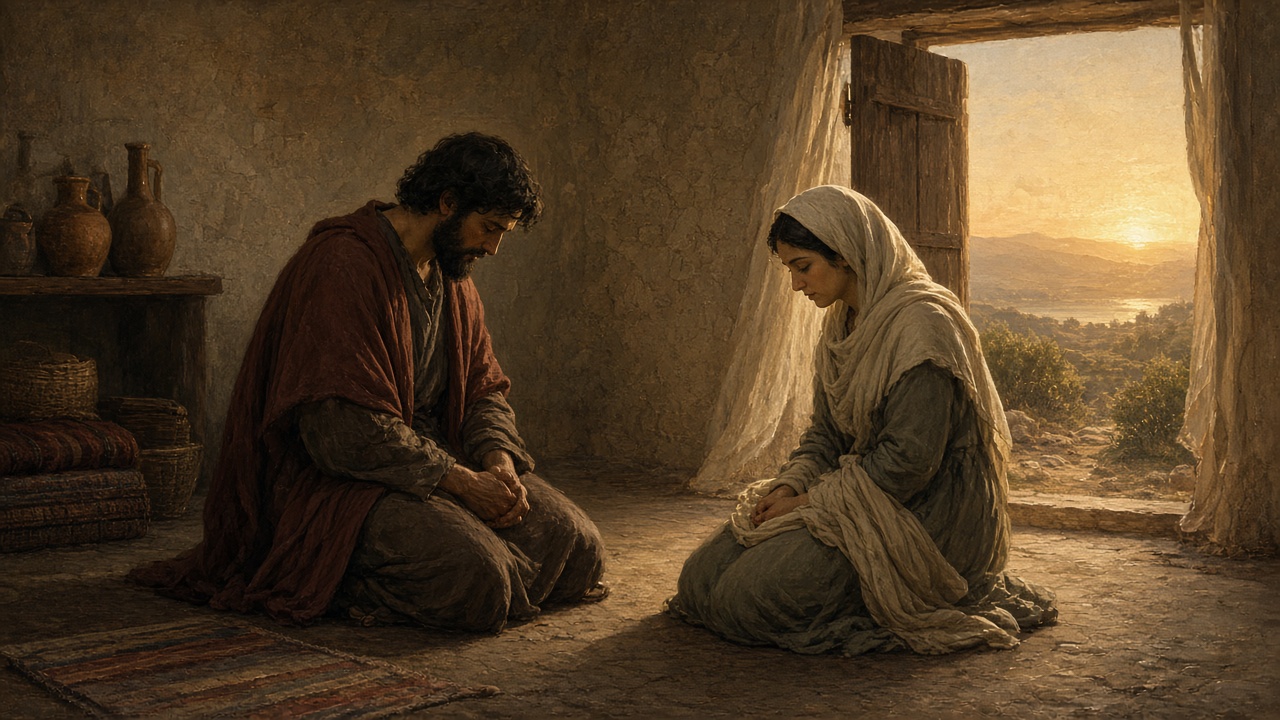
¿Sabías que…?
Consejos sobre el matrimonio y la crisis presente
- El capítulo comienza como respuesta a asuntos sobre los que los lectores habían escrito. El autor dice que es bueno abstenerse de las relaciones sexuales, pero, porque hay tanta inmoralidad sexual, cada hombre debe tener su propia esposa y cada mujer su propio esposo. Presenta esto como una concesión, no como un mandamiento, y dice que cada persona tiene su propio don de parte de Dios.Fuentes: el propio texto bíblico
- En el matrimonio, el autor dice que la esposa no tiene autoridad sobre su propio cuerpo, sino el esposo, y del mismo modo el esposo no tiene autoridad sobre su propio cuerpo, sino la esposa. No deben privarse el uno del otro, excepto de común acuerdo y por un tiempo, para dedicarse a la oración, y luego volver a unirse, a fin de que Satanás no los tiente por su falta de dominio propio. El diccionario bíblico de Easton (1897) presenta el nombre Satanás como “adversario” o “acusador”, y señala que tentó a Jesús en el desierto.Fuentes: el propio texto bíblico · Satan
- El autor distingue un mandamiento que atribuye al Señor —la esposa no debe separarse de su esposo, y el esposo no debe divorciarse de su esposa— de su propio juicio, en los casos en que dice que habla él, y no el Señor, incluidos los matrimonios con una persona no creyente y las cuestiones sobre las vírgenes. A causa de lo que llama la crisis presente, y porque dice que el tiempo es corto y que este mundo, en su forma actual, está pasando, considera bueno permanecer como se está. Añade que casarse no es pecar, aunque quienes se casan enfrentarán dificultades en esta vida.Fuentes: el propio texto bíblico
Notas escritas con ayuda de IA a partir de fuentes abiertas (Theographic Bible Metadata, CC BY-SA 4.0; Easton’s Bible Dictionary, dominio público) y revisadas antes de publicarse.
Créditos y licencia de esta traducción
Ebe-No-Pfuasẹ Ishobọ Onogbọ
New Testament in Ivbie North-Okpela-Arhe (NI:atg:Ivbie North-Okpela-Arhe)
copyright © 2012 Wycliffe Bible Translators, Inc.
Language: Ivbie North-Okpela-Arhe
Translation by: Wycliffe Bible Translators, Inc.
Copyright Information
© 2012, Wycliffe Bible Translators, Inc. All rights reserved.
This translation text is made available to you under the
terms of the Creative Commons License: Attribution-Noncommercial-No Derivative Works.
( http://creativecommons.org/licenses/by-nc-nd/3.0/ )
In addition, you have permission to port the text to different file formats, as long as you
do not change any of the text or punctuation of the Bible.
You may share, copy, distribute, transmit, and extract portions
or quotations from this work, provided that you include the above copyright
information:
You must give Attribution to the work.
You do not sell this work for a profit.
You do not make any derivative works that change any of the actual words or punctuation of the Scriptures.
Permissions beyond the scope of this license may be
available if you contact
us with your request.
Printed book ISBN 9789789194797
The New Testament
in Ivbie North-Okpela-Arhe
© 2012, Wycliffe Bible Translators, Inc. All rights reserved.
This translation is made available to you under the terms of the
Creative Commons Attribution-Noncommercial-No Derivatives license 4.0.
You may share and redistribute this Bible translation or extracts from it in any format, provided that:
You include the above copyright and source information.
You do not sell this work for a profit.
You do not change any of the words or punctuation of the Scriptures.
Pictures included with Scriptures and other documents on this site are licensed just for use with those Scriptures and documents.
For other uses, please contact the respective copyright owners.
2019-08-09
Fuente: http://ebible.org/atgNT/ · eBible.org