Romanos 16
The New Testament of our Lord and Saviour Jesus Christ · Toca un versículo para ver sus referencias cruzadas.
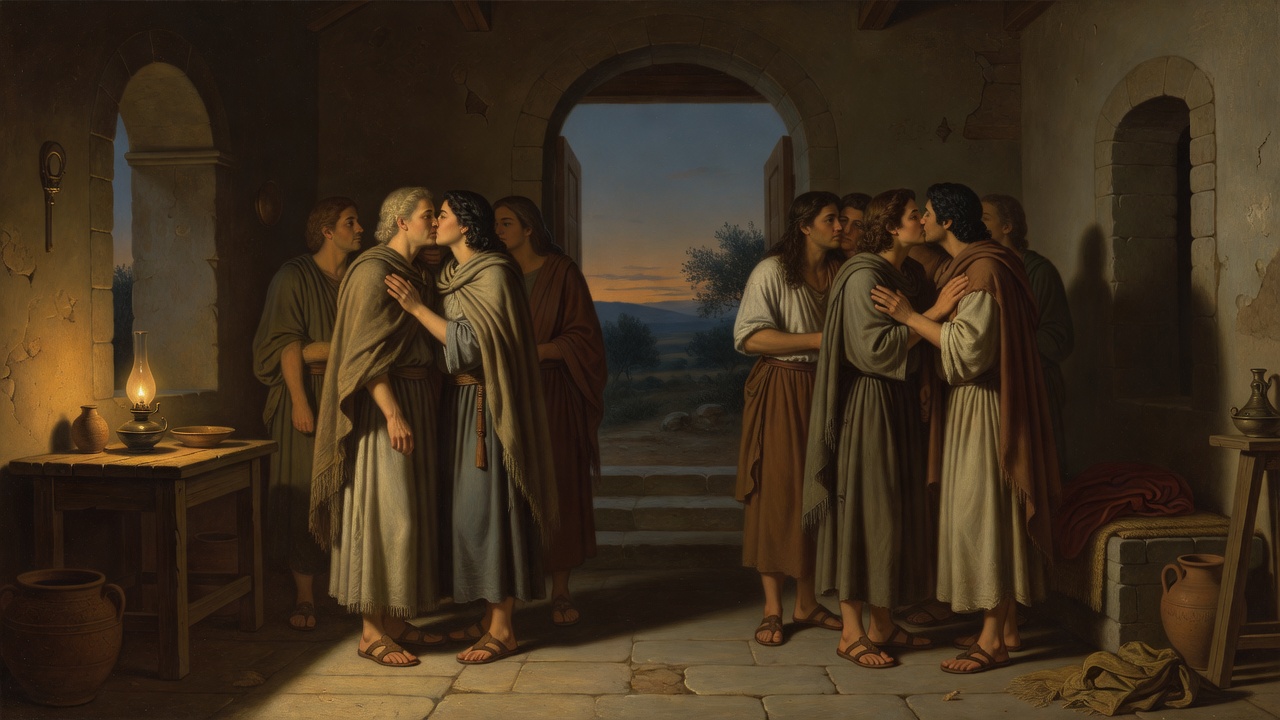
1Nohwilah, Phoebe holzéhi, bá nohwich’į’ k’e’eshchii, Cenchréagee ha’ánáłséhíí yitahyú na’iziidihi: 2Áń Jesus daayokąąhíí k’ehgo nohweBik’ehń biláhyú k’ídaahoh’ṉii, ła’íí shich’odaahṉiih nohwiłṉiiyúgo bich’odaahṉiih: áń łánihi yich’odaazṉi’, shíí ałdó’ shich’ozṉi’. 3Priscílla hik’e Áquila, Christ Jesus biláhyú shich’odaaṉíhi, Gozhǫ́ǫ́, shá daabiłdohṉii. 4Áí shighą goyéégo bich’į’ nadaagoyaa, dásdozhą́ shighą nanezna’, áí ba’ihénsį; ła’íí hayú doo Jews daanlįį dahíí ha’ánáłséhíí nagozṉilyú ínashood dawa ya’ihédaanzį ałdó’. 5Áí bigowąyú ínashood da’okąąhgo íła’ánát’įįłíí dawa ałdó’, Gozhǫ́ǫ́, shá daabiłdohṉii. Epenétus, dázhǫ́ shił nzhónihíí, Gozhǫ́ǫ́, shá daabiłdohṉii, áń Akéyayú dantsé Christ yich’į’ dahiyáhi. 6Mary, Gozhǫ́ǫ́, shá daabiłdohṉii, áń nyeego nohwá na’iziid ni’. 7Androníkas hik’e Junia, bił hat’í’ihi, bił ha’áshíjéd n’íí, Gozhǫ́ǫ́, shá daabiłdohṉii, áí Jesus binadaal’a’á itah daanlįį, daach’inłsíni ádaat’ee, áí dashíntsé Christ yich’į’ dah hizh’ázhi at’éé. 8Ámplias, nohweBik’ehń biláhyú shił nzhóni, Gozhǫ́ǫ́, shá daabiłdohṉii. 9Úrbane, Christ biláhyú nohwich’odaaṉíhi, ła’íí Stákis shił nzhóni, Gozhǫ́ǫ́, shá daabiłdohṉii. 10Apélles, Christ bił dábik’ehi, Gozhǫ́ǫ́, shá daabiłdohṉii. Aristobúlus yił daagolííníí ałdó’, Gozhǫ́ǫ́, shá daabiłdohṉii. 11Heródion, bił hat’í’ihi, Gozhǫ́ǫ́, shá daabiłdohṉii. Narcíssus yił daagolííníí, nohweBik’ehń daayokąąhíí, Gozhǫ́ǫ́, shá daabiłdohṉii. 12Tryfína hik’e Tryfósa, nohweBik’ehń yánada’iziidi, Gozhǫ́ǫ́, shá daabiłdohṉii. Pérsis, bił daach’izhóni, nohweBik’ehń łą́ą́go yána’iziidíí ałdó’, Gozhǫ́ǫ́, shá daabiłdohṉii. 13Rufus, nohweBik’ehń habiłtííníí, Gozhǫ́ǫ́, shá daabiłdohṉii, áń bą́ą́híí, shíí ałdó’ shimaa biłdishṉíhi, Gozhǫ́ǫ́, shá daabiłdohṉii. 14Asýncritus, Phlégon, Hérmas, Pátrobas, ła’íí Hérmes, Gozhǫ́ǫ́, shá daabiłdohṉii, nohwik’isyú yił nakaihíí ałdó’. 15Philólogus hik’e Julia, Nérius hik’e bilah, Olýmpas ła’íí Jesus daayokąąhíí yił nakaihíí dawa, Gozhǫ́ǫ́, shá daabiłdohṉii. 16Daagodinołsįgo daałohts’ǫs le’. Christ daayokąąhgo ha’ánáłséhíí nagozṉilíí, Gozhǫ́ǫ́, daanohwiłṉii. 17Shik’ííyú, nadaanohwoshkąąh, hadíń nohwił ch’ígon’ą́ą́híí yídaagoł’ąą n’íí déłahgota nohwił ch’ídaago’áahgo iłch’ínohwiṉííłíí ła’íí nohwich’į’ daagodiłkishíí, daat’éhi ádaat’įį shįhíí bídaagonołsįįhgo bits’ą́’zhį’ ádaanoht’ee. 18Ágádaat’eehíí Jesus Christ nohweBik’ehń doo yánada’iziidihi at’éé da, daabibid zhą́ yaa natsídaakees; áí nłt’éégo ádaaṉii ndihíí, ła’íí nzhǫǫgo hanádaadzih ndihíí doo daagoyą́ą́ dahíí k’izédaabidiṉiił. 19Bik’ehgo’ihi’ṉań bikísk’eh ádaanoht’eehíí nṉee dawa yídaagołsįhíí bighą nohwaa shił gozhǫ́ǫ́; áídá’ nłt’éégo ágot’eehíí zhą́ bich’į’ daagonohsąągo, ła’íí nchǫ’go ágot’eehíí doo bídaagonołsį dago hasht’į́į́. 20Bik’ehgo’ihi’ṉań be’iłch’į’gont’ééhíí dak’adégo Satan nohwá yaa gonłṉeego biłedaadoł’éés. Jesus Christ nohweBik’ehń biłgoch’oba’íí bee nohwich’į’ goz’ąą le’. Doleełgo at’éé. 21Timotheus, bił na’isiidíí, ła’íí Lúcius, Jason, ła’íí Sosípater, bił hat’í’ihi, Gozhǫ́ǫ́, daanohwiłṉii. 22Shíí, Tértius, díí naltsoosíí Paul bá k’e’shiłchínihi, nohweBik’ehń biláhyú, Gozhǫ́ǫ́, nohwiłdishṉii. 23Gáius golį́į́gee sídáá, dząągee ínashood íła’ánát’įįh, áń, Gozhǫ́ǫ́, daanohwiłṉii. Erástus, dząą kįh gozṉilgee zhaali yaa sidaahíí, ła’íí Quártus, nohwik’isn, ałdó’, Gozhǫ́ǫ́, daanohwiłṉii. 24Jesus Christ nohweBik’ehń biłgoch’oba’íí daanohwigha bee nohwich’į’ goz’ąą le’. Doleełgo at’éé. 25Yati’ baa gozhóni baa nagoshṉi’íí, áí Jesus Christ baa na’goṉi’íí bikísk’ehyú Bik’ehgo’ihi’ṉań nohwinawod nohwá ánágodléhi at’éé; ni’gosdzáń alzaadí’ yushdí’ godezt’i’go na’goṉi’ doo bígózį da n’íí, áí Jesus Christ baa na’goṉi’íí, bee ch’í’ṉah silįį, 26Áí k’adíí bígózįgo alzaa, Bik’ehgo’ihi’ṉań binkááyú nada’iziidi n’íí bek’e’eshchiiníí k’ehgo nṉee iłtah at’éégo hadaazt’i’íí dawa bił na’goṉi’, daayodląąhgo yikísk’eh ádaat’ee doleełhíí bighą, áí Bik’ehgo’ihi’ṉań doo benogowáh dahi yegos’aaníí bik’ehgo at’éé: 27Bik’ehgo’ihi’ṉań, áń zhą́ goyánihi, Jesus Christ biláhyú dahazhį’ ba’ihégosį le’. Doleełgo at’éé.
¿Sabías que…?
Saludos a la iglesia en Roma
- Pablo recomienda a Febe, sierva de la iglesia en Cencrea, y pide a los destinatarios en Roma que la reciban bien y la ayuden en lo que necesite, porque ha sido de gran ayuda para mucha gente, incluido él. Cencrea era el puerto oriental de Corinto, a unas nueve millas al este de la ciudad y la salida de su comercio con las costas asiáticas del Mediterráneo; el Easton's Bible Dictionary (1897) dice que ella probablemente fue quien llevó esta carta.Fuentes: el propio texto bíblico · Phebe · Cenchreae
- Pablo saluda a Prisca y a Aquila, sus colaboradores en Cristo Jesús, que arriesgaron la vida por él, y también a la iglesia que se reúne en su casa; dice que no solo él, sino todas las iglesias de los gentiles les están agradecidas. El Easton's Bible Dictionary (1897) la llama Priscila y describe a Aquila como fabricante de tiendas, natural del Ponto, que con su esposa dejó Roma a causa de un decreto de Claudio, en el año 50 d. C., que ordenaba a todos los judíos salir de la ciudad; el nombre de ella a veces aparece antes que el de él, como aquí.Fuentes: el propio texto bíblico · Priscilla · Aquila
- Cerca del final, Tercio, quien puso la carta por escrito, añade su propio saludo. Gayo, que ha hospedado a Pablo y a toda la iglesia, también envía saludos, al igual que Erasto, el tesorero de la ciudad, y Cuarto.Fuentes: el propio texto bíblico
Notas escritas con ayuda de IA a partir de fuentes abiertas (Theographic Bible Metadata, CC BY-SA 4.0; Easton’s Bible Dictionary, dominio público) y revisadas antes de publicarse.
Lugares de este capítulo
Solo aparecen lugares identificados con alta confianza (90 % o más según las fuentes académicas reunidas por OpenBible). Mapa de la época: DARE (Digital Atlas of the Roman Empire), CC BY 4.0; mapa actual: © colaboradores de OpenStreetMap; lugares: OpenBible.info (CC BY 4.0).
Créditos y licencia de esta traducción
The New Testament of our Lord and Saviour Jesus Christ
New Testament in Apache, Western (US:apw:Apache, Western)
copyright © 2012 Wycliffe Bible Translators, Inc.
Language: Western Apache (Apache, Western)
Translation by: Wycliffe Bible Translators, Inc.
Copyright Information
© 2012,Wycliffe Bible Translators. All rights reserved.
This translation text is made available to you under the
terms of the Creative Commons License: Attribution-Noncommercial-No Derivative Works.
( http://creativecommons.org/licenses/by-nc-nd/3.0/ )
In addition, you have permission to port the text to different file formats, as long as you
do not change any of the text or punctuation of the Bible.
You may share, copy, distribute, transmit, and extract portions
or quotations from this work, provided that you include the above copyright
information:
You must give Attribution to the work.
You do not sell this work for a profit.
You do not make any derivative works that change any of the actual words or punctuation of the Scriptures.
Permissions beyond the scope of this license may be
available if you contact
us with your request.
The New Testament
in Apache, Western
© 2012,Wycliffe Bible Translators. All rights reserved.
This translation is made available to you under the terms of the
Creative Commons Attribution-No Derivatives license 4.0.
You may share and redistribute this Bible translation or extracts from it in any format, provided that:
You include the above copyright and source information.
You do not make any derivative works that change any of the actual words or punctuation of the Scriptures.
Pictures included with Scriptures and other documents on this site are licensed just for use with those Scriptures and documents.
For other uses, please contact the respective copyright owners.
2014-04-21
Fuente: http://ebible.org/apwNT/ · eBible.org